9.5 C
New York
Thursday, March 26, 2026
Home Blog Page 172

Reddit poster claims scammers use discarded bag tags at airports for fraudulent claims

0

NEWYou can now listen to Fox News articles!

A Reddit user claiming to be an airline employee is warning travelers about the possibility of being scammed when it comes to their printed bag tags.

Posted in the “r/delta” forum on Reddit, the message is titled, “Toss your bag tags at home.”

The Reddit user claimed to be a “baggage claims manager.” The individual wanted to “let everyone know to please start discarding your bag tags at home.”

TSA REVEALS THE SURPRISING REASON PEOPLE MIGHT SET OFF SECURITY ALARMS DURING SCREENING

“We are getting an influx of fraudulent claims being submitted for ‘missing items’ as these people are observing who is removing their luggage tags in the claim areas and using your information to submit claims for reimbursement,” the user claims. 

The post continued, “From my own personal experience [of] currently dealing with this, it is causing issue[s] with reimbursing the real people if they submit a legitimate claim.”

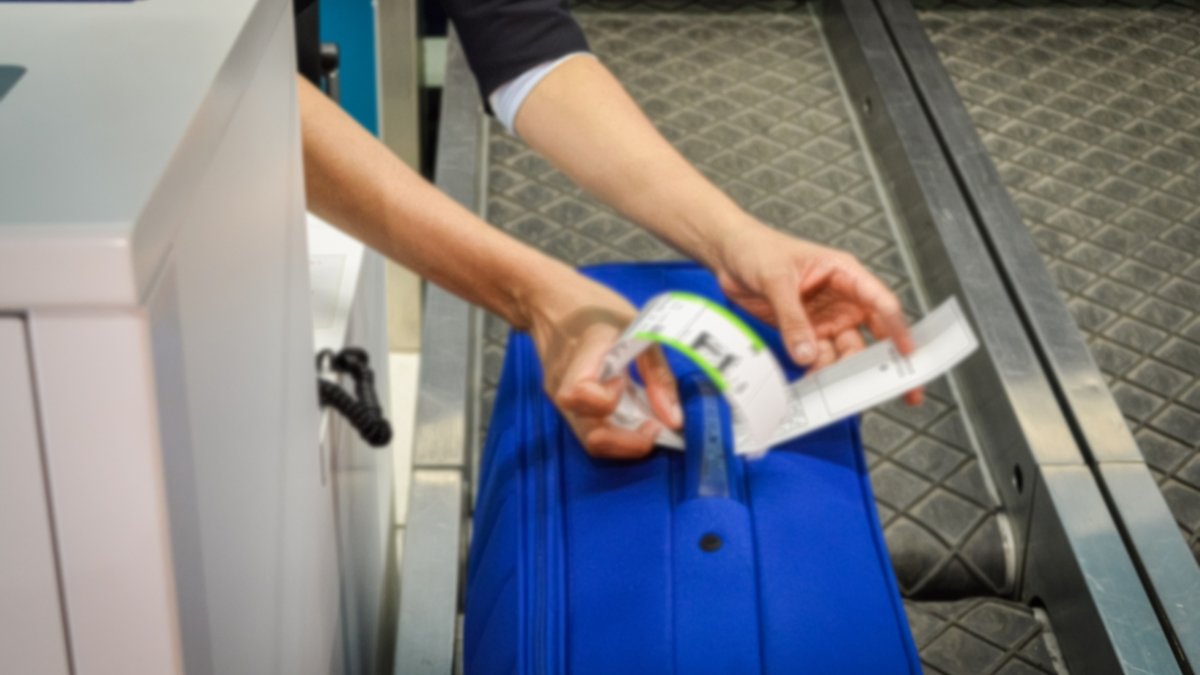
An online poster is claiming that fraudsters could collect discarded bag tags to submit false reimbursement claims. (iStock)

“So please be careful and don’t take your tags off at the airport,” the person concluded. “They can steal enough information from that to use your travel itinerary to get paid.”

Many flight passengers took to the comments section to debate whether this could be possible — sharing their own thoughts.

PASSENGER’S REVENGE ON ‘ENTITLED’ WOMAN SPARKS HEATED DEBATE ABOUT AIRPLANE ETIQUETTE

“Clearly my strategy of forgetting to remove the tag until it’s time for my next trip is paying off,” commented one user.

Another agreed, saying, “I actually leave my tag on my bag until my next trip myself.”

Many Redditors said they leave the bag tags on their luggage until their next trip requires them to remove them.

Many Redditors said they leave the bag tags on their luggage until their next trip requires them to remove them. (iStock)

“I always tossed them at home, not because I’m conscious [of it] but I’m kinda forgetful,” one Redditor wrote.

Another flyer said, “Japan had secured bag tag disposal receptacles near the secured exit of baggage claim … This explains why.”

CLICK HERE TO SIGN UP FOR OUR LIFESTYLE NEWSLETTER

“Do one better. SHRED your bag tags and printed boarding passes as soon as you can after getting to your destination,” one person wrote.

Yet another Redditor said, “Because my full name is on it, I’ve always discarded them at home.”

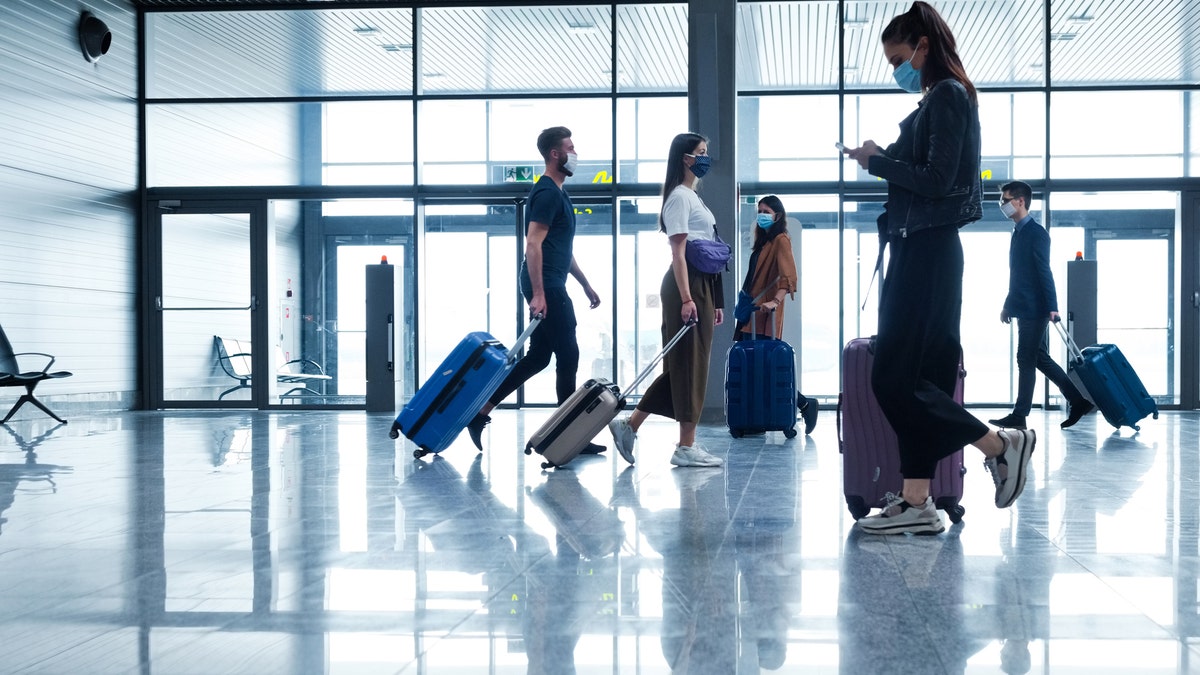
Travelers at airport

A travel expert noted that bag tags have limited information, such as a last name, flight number and a specific bag tag number. (iStock)

The original poster shared the belief that others could scam passengers.

“A bag tag only consists of the name, flight[s] and confirmation number outside of the tag itself,” the person wrote. “They make an email address with that person’s name in it, a random phone number and a random address and submit the claim.”

Gary Leff, a Texas-based travel industry expert and author of the blog “View From the Wing,” told Fox News Digital he does not see the scam being that prevalent. 

For more Lifestyle articles, visit foxnews.com/lifestyle

“You should keep the bag tag attached until any baggage issues are fully resolved, then discard it at home,” said Leff.

“That said, this doesn’t strike me as plausibly a high-volume, common scam.”

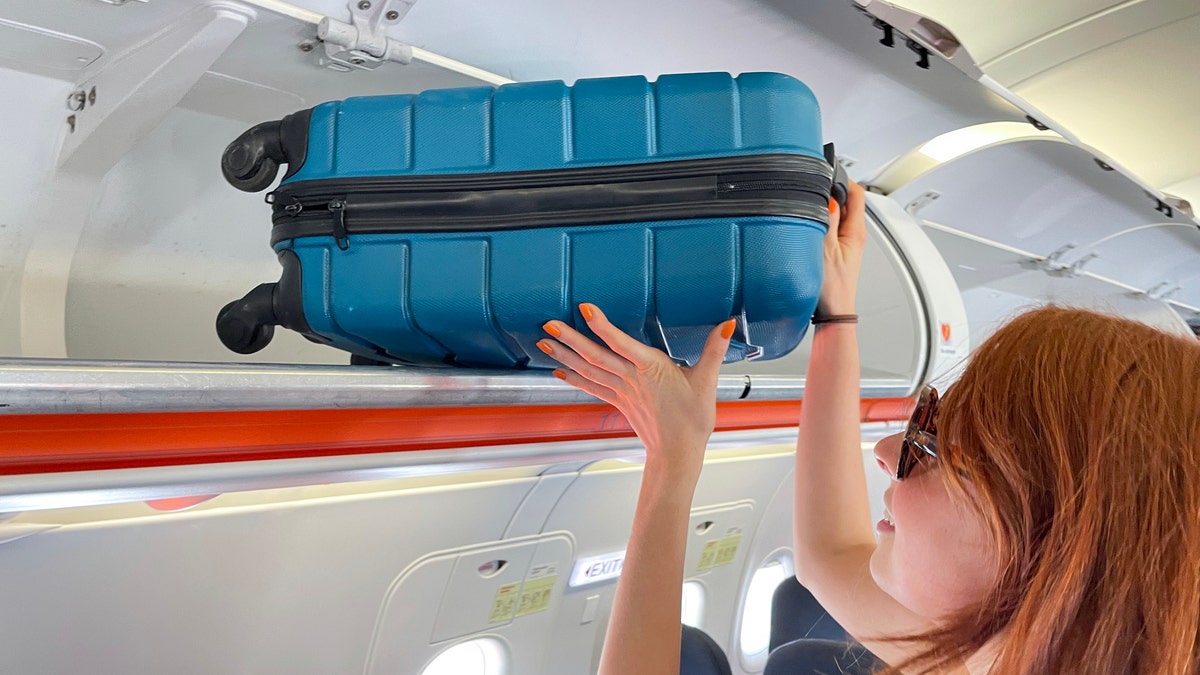
FLIGHT Passenger luggage

“The most common thing is filing lost bag claims for items that were actually delivered, which I’ve written about a couple of times,” noted a travel expert (not pictured).  (iStock)

Leff said tags carry limited information, such as a last name, flight number and a specific bag tag number.

He pointed out the tags do not commonly have a ticket number or street address. 

CLICK HERE TO GET THE FOX NEWS APP

“Bags are scanned. Each scan from check‑in to baggage belt is logged. If a scammer files a missing bag claim where the system shows it was delivered, that’s going to be a flag, especially when this happens at scale,” said Leff.

“The most common thing is filing lost bag claims for items that were actually delivered, which I’ve written about a couple of times,” he added. 

TSA to drop shoes-off airport protocol at airports

0

NEWYou can now listen to Fox News articles!

The Department of Homeland Security (DHS) and Transportation Security Administration (TSA) are expected to roll back the “shoes-off” airport security protocol at a Tuesday press conference in Washington.

DHS sources confirmed a 5 p.m. ET announcement at Ronald Reagan Washington National Airport, following widespread reporting that TSA will allow more passengers going through security to remove their shoes.

TSA REVEALS THE SURPRISING REASON PEOPLE MIGHT SET OFF SECURITY ALARMS DURING SCREENING

White House press secretary Karoline Leavitt said ending the protocol is “big news from @DHSgov” in a post to X.

TSA / Donald Trump (Reuters)

The policy was first implemented in 2006 and was prompted by “shoe bomber” Richard Reid, a British citizen with ties to al-Qaeda, who attempted to detonate explosives he had hidden in his shoes on an American Airlines flight from Paris to Miami in December 2001.

TSA TO ROLL OUT NEW SECURITY LANE, BENEFITS FOR MILITARY SERVICE MEMBERS

TSA Agent Shoes Off

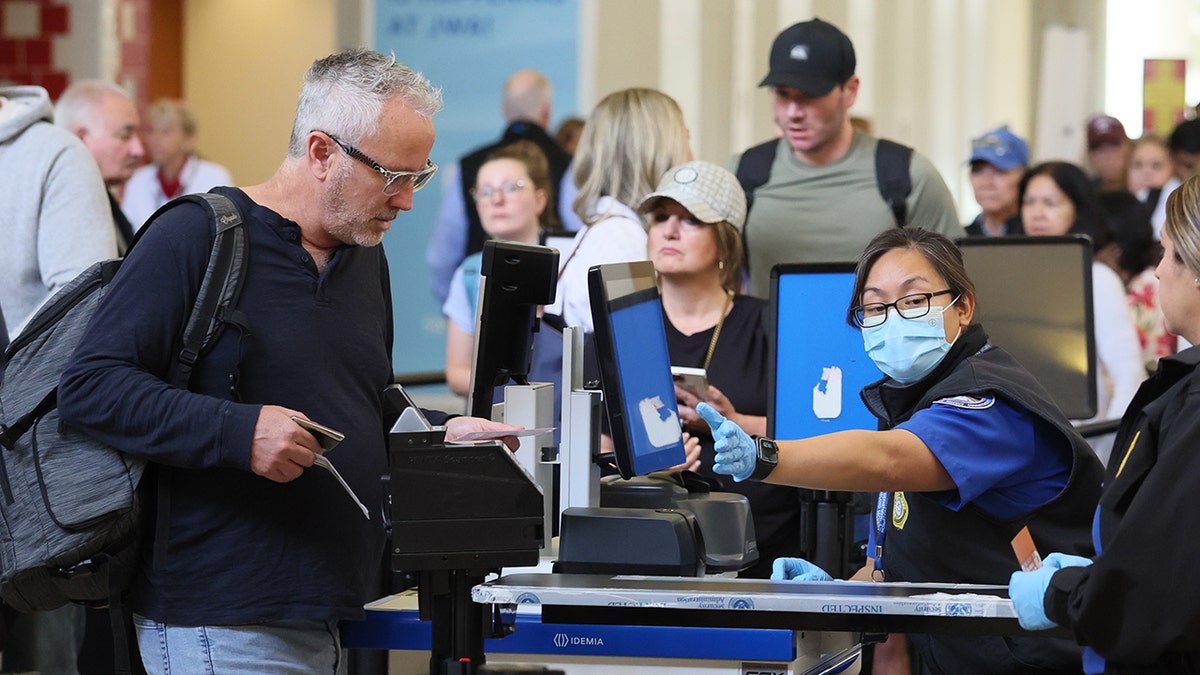
A traveler interacts with a Transportation Security Administration agent at John Wayne Airport in Santa Ana, California, May 7, 2025. (Allen J. Schaben / Los Angeles Times via Getty Images)

“TSA and DHS are always exploring new and innovative ways to enhance the passenger experience and our strong security posture,” a TSA spokesperson said in a statement. “Any potential updates to our security process will be issued through official channels.”

TSA PreCheck and partners CLEAR, IDEMIA and Telos have kept passengers from taking their shoes off in security for a number of years, but the latest change would impact everyone traveling through the main security line.

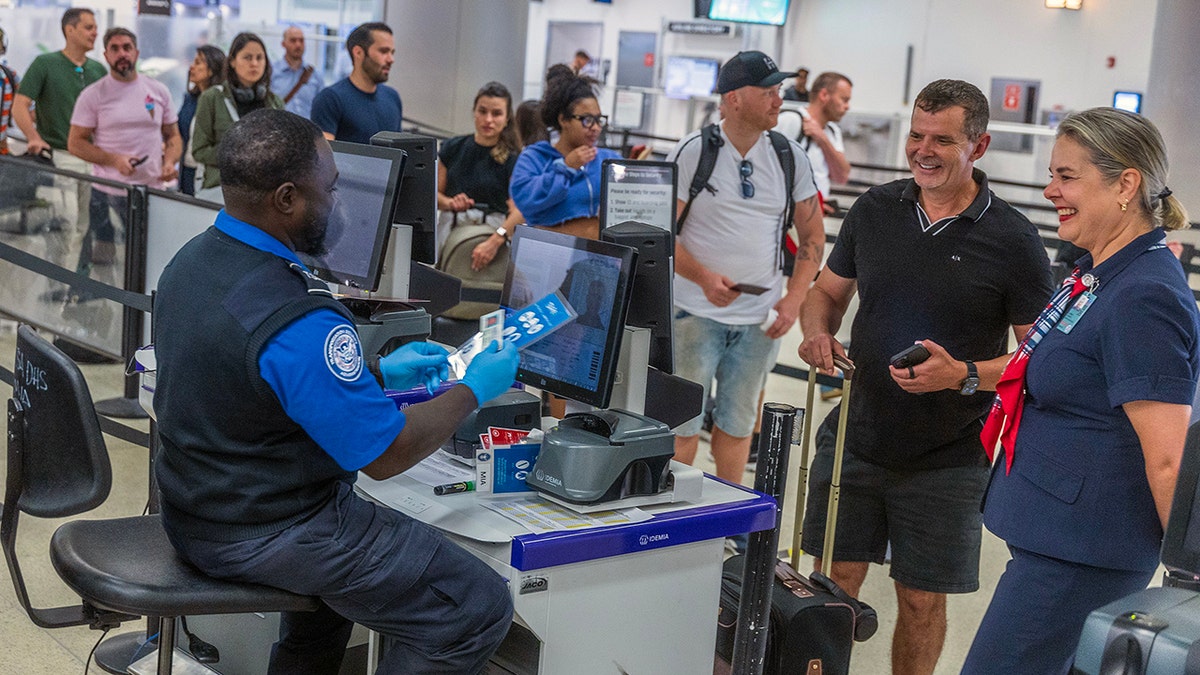
Passengers in TSA line in Miami

Transportation Security Administration agents verify passengers’ identities on a checkpoint at Miami International Airport, May 7, 2025. (Pedro Portal/The Miami Herald/Tribune News Service via Getty Images)

CLICK HERE TO GET THE FOX NEWS APP

This change comes as the Trump administration’s TSA looks to alleviate some of the hassles of travel, and just last week began rolling out a new security lane exclusively for active-duty service members.

Preston Mizell is a writer with Fox News Digital covering breaking news. Story tips can be sent to Preston.Mizell@fox.com and on X @MizellPreston

AI and learning retention: Does ChatGPT help or hurt?

0


NEWYou can now listen to Fox News articles!

Artificial intelligence (AI) and large language models (LLMs), such as ChatGPT, are transforming how we learn. But what does this mean for AI and learning retention? While these tools provide instant answers and personalized support, experts are beginning to question whether this convenience might actually reduce our ability to retain knowledge in the long term.

Sign up for my FREE CyberGuy Report
Get my best tech tips, urgent security alerts, and exclusive deals delivered straight to your inbox. Plus, you’ll get instant access to my Ultimate Scam Survival Guide – free when you join my CYBERGUY.COM/NEWSLETTER.

ChatGPT app on a smartphone.

ChatGPT app on a smartphone. (Kurt “CyberGuy” Knutsson)

How AI changes the learning experience

AI-powered platforms can personalize education by adapting to each learner’s pace, style, and needs. This tailored approach is credited with boosting engagement and, in some cases, improving retention rates by up to 30%. Features like adaptive quizzes, intelligent tutoring, and spaced repetition are designed to reinforce memory and help information stick. For students who struggle with traditional methods, AI can break down barriers, making learning more accessible and inclusive.

The double-edged sword: Convenience vs. deep learning

However, recent research suggests that the very convenience AI offers may undermine long-term learning retention. In a series of experiments at the University of Pennsylvania’s Wharton School, participants who used LLMs like ChatGPT to research topics showed weaker understanding and produced less original insights compared to those who used traditional search engines. The reason? AI often delivers concise, ready-made answers, reducing the need for active engagement, critical thinking, and synthesis-key ingredients for lasting learning.

A similar pattern emerged in a 2024 study involving high school students: those who relied on AI tools performed better on immediate assignments but scored lower on later tests that required recall and understanding without AI assistance. The researchers found that passive use of AI, simply asking for answers, can lead to superficial learning, where information is quickly forgotten.

ChatGPT being used on a laptop.

ChatGPT being used on a laptop. (Kurt “CyberGuy” Knutsson)

Why AI affects learning retention more than you think

Experts point to a “motivation problem.” When learners believe AI is smarter than they are, they may stop putting in effort, leading to shallower processing and weaker retention. Over-reliance on AI can also reduce opportunities to practice critical thinking and problem-solving, skills that are essential for deep, durable learning.

Finding the right balance with AI and learning retention

Despite these concerns, AI is not inherently bad for learning. When used thoughtfully, such as prompting students to critique AI-generated drafts or ask probing questions, AI can encourage deeper engagement and support retention. The key is to integrate AI as a supplement, not a substitute, for active learning and human guidance.

Educators play a vital role in this balance. By designing lessons that require students to interact with AI critically and reflect on what they learn, teachers can harness AI’s benefits while minimizing its drawbacks.

ChatGPT running on a smartphone.

ChatGPT running on a smartphone. (Kurt “CyberGuy” Knutsson)

Kurt’s key takeaways

If you eat a bunch of candy all the time, you are likely going to gain weight and help your dentist with a car payment when cavities show up. AI is a lot like candy.  Moderation is the name of the game. Using AI in smart ways rather than in abundance replacing your own critical thinking can be bad for your health. 

AI is reshaping education, offering unprecedented personalization and accessibility. Yet, when it comes to learning retention, the way we use AI matters as much as the technology itself. Passive reliance on AI tools can erode deep understanding, but strategic, active engagement can turn AI into a powerful ally for lasting learning. As AI continues to evolve, fostering critical thinking and self-directed learning will be essential to ensure that knowledge doesn’t just come quickly-but sticks for the long haul.

What balance should we strike between leveraging AI’s convenience and preserving the value of human effort in learning? Let us know by writing to us at Cyberguy.com/Contact.

Sign up for my FREE CyberGuy Report
Get my best tech tips, urgent security alerts, and exclusive deals delivered straight to your inbox. Plus, you’ll get instant access to my Ultimate Scam Survival Guide – free when you join my CYBERGUY.COM/NEWSLETTER.

Copyright 2025 CyberGuy.com. All rights reserved.



Source link

Bee swarm in French town leaves 24 injured, 3 in critical condition

0

NEWYou can now listen to Fox News articles!

A buzzing commotion has disrupted a picturesque town this summer. 

A swarm of bees left 24 people injured in an unusual attack on Sunday, The Associated Press (AP) reported.

Those walking through Aurillac, a quaint French community, were stung over a 30-minute period, with three people in critical condition evacuated to a hospital.  

TERRIFYING TREND EMERGES AS MUSIC FESTIVAL FANS SUFFER MYSTERIOUS NEEDLE ATTACKS

Some 26,000 people were living in the alp town in 2022, according to the French National Institute of Statistics and Economic Studies. Aurillack is located in the Auvergne-Rhône-Alpes region of France.

Pierre Mathonier, mayor of Aurillac, told a local broadcaster that those who were left in critical condition are improving, AP reported.

A swarm of bees (not pictured) attacked people in Aurillac, France, leaving 24 individuals injured and three in critical condition. (YASSER AL-ZAYYAT/AFP via Getty Images)

One victim was a 78-year-old who suffered cardiorespiratory arrest and had to be resuscitated.

That individual is now in stable condition, while the other two are said to be in “good health,” per the mayor.

CLICK HERE TO SIGN UP FOR OUR LIFESTYLE NEWSLETTER

Mathonier added the attack could have been related to the bees becoming more aggressive over the years.

Over a decade ago, Asian hornets were harassing a beehive that was on the roof terrace of a downtown hotel, he told AP.

Monument of Paul Doumer and the Sacre Coeur church in Aurillac, France

Twenty-four people were injured during a 30-minute bee attack in the French alpine town of Aurillac, France, shown above.  (iStock)

Lt. Col. Michel Cayla, who runs the local fire services, said the attack was “impressive” and he has never seen an attack of this scale.

Cayla told French broadcaster TF1, “In terms of the number of victims, the panic among the people and the severity of some of the injuries, it was impressive,” as AP reported. 

For more Lifestyle articles, visit foxnews.com/lifestyle

Bee sting symptoms are mostly “minor.” Victims can experience instant, sharp, burning pain, as well as a welt and swelling, according to the Mayo Clinic. 

The CDC predicted an annual average of 62 deaths due to bee and hornet stings between 2000-2017 in the United States. 

bee on flower

Bee sting symptoms are mostly “minor.” They usually include instant and sharp burning pain, a welt and swelling. (Christoph Schmidt/picture alliance via Getty Images)

The beehive has been removed and relocated outside the town, according to AP.

CLICK HERE TO GET THE FOX NEWS APP

The Associated Press contributed to this report. 

Energy-sucking AI data centers can look here for power instead

0


NEWYou can now listen to Fox News articles!

Artificial intelligence is expanding quickly, and so is the energy required to run it. Modern AI data centers use much more electricity than traditional cloud servers. In many cases, the existing power grid cannot keep up. One innovative solution is gaining traction: repurposed EV batteries for AI data centers.

Sign up for my FREE CyberGuy Report
Get my best tech tips, urgent security alerts, and exclusive deals delivered straight to your inbox. Plus, you’ll get instant access to my Ultimate Scam Survival Guide – free when you join my CYBERGUY.COM/NEWSLETTER.

AI data center powered by repurposed EV batteries.

AI data center powered by repurposed EV batteries. (Redwood Materials)

How Redwood Energy is using repurposed EV batteries for AI data centers

Redwood Materials, created by Tesla co-founder JB Straubel, is addressing the energy needs of AI through a new venture called Redwood Energy. Instead of sending used electric vehicle batteries straight to recycling, the company gives them a second life.

The process begins by collecting and testing old EV battery packs. Many still retain over 50 percent of their original capacity. Once approved, these batteries are rebuilt into modular storage systems that can power AI operations.

One example is a 12-megawatt, 63-megawatt-hour microgrid now supporting a 2,000-GPU data center operated by Crusoe in Nevada. This project is considered the largest active deployment of second-life EV batteries. It already operates more affordably than systems built with new batteries.

Why repurposed EV batteries for AI data centers reduce emissions and costs

The environmental and financial benefits are significant. By using repurposed EV batteries for AI data centers, companies avoid sending usable materials to landfills. This also cuts down on mining for new raw materials, which helps reduce carbon emissions.

Second-life battery systems typically cost less than brand-new lithium-ion options. That makes large-scale energy storage more accessible to AI developers and utilities. Since these batteries are already built and tested, they can be installed more quickly than waiting for new infrastructure.

Electric Vehicles charging their electric batteries.

Electric Vehicles charging their electric batteries. (Kurt “CyberGuy” Knutsson)

How repurposed EV batteries for AI data centers help meet rising power demands

Redwood Energy estimates that over 100,000 electric vehicles will be retired in the United States this year. That adds up to hundreds of gigawatt-hours in potential energy storage.

The company already has more than 1 gigawatt-hour of second-life battery capacity in its development pipeline. Its goal is to reach 5 gigawatt-hours next year.

Larger energy projects, including 100-megawatt sites, are also planned. Each one is designed to support the increasing power demands of AI data centers using repurposed batteries instead of new supply chains.

EV sign at a fast charging station.

EV sign at a fast charging station. (Kurt “CyberGuy” Knutsson)

Kurt’s key takeaways

Repurposed EV batteries for AI data centers are proving to be a smart, sustainable solution for the industry’s soaring energy demands. By bridging the gap between battery recovery and recycling, Redwood Energy is helping power the future of AI while reducing waste and emissions. As more EVs retire and AI continues to grow, expect to see even more green-powered data centers on the horizon.

Is repurposing EV batteries the missing link in building greener, smarter data centers, or just another temporary fix masking a bigger problem? Let us know by writing to us at Cyberguy.com/Contact.

Sign up for my FREE CyberGuy Report
Get my best tech tips, urgent security alerts, and exclusive deals delivered straight to your inbox. Plus, you’ll get instant access to my Ultimate Scam Survival Guide – free when you join my CYBERGUY.COM/NEWSLETTER.

Copyright 2025 CyberGuy.com. All rights reserved.



Source link

Locals tell Americans to ‘respect my culture’ during Mexico City protests

0

NEWYou can now listen to Fox News articles!

As overtourism continues to be a liability for many vacation destinations and cities, a number of locals have been making their feelings known about unwanted visitors to their home areas.

Residents in Mexico City protested against mass tourism over the weekend, with hundreds of people taking to the streets, The Associated Press (AP) reported. 

Protesters marched in neighborhoods that are popular with tourists, as well as near the U.S. Embassy and inside metro stations in a stand against gentrification of the popular destination. 

TOURISTS SPRAYED WITH WATER GUNS BY PROTESTERS AS EUROPEAN ANTI-TOURISM TREND GROWS

What began as a peaceful march then took a turn when a small group of people in masks began smashing storefronts, looting and harassing foreigners, AP reported.

Popular areas such as Condesa and Roma were affected. 

Anti-tourism protests erupted in Mexico City over the weekend as locals face gentrification challenges. (Daniel Cardenas/Anadolu via Getty Images)

Graffiti written on shattered glass from rocks read, “Get out of Mexico,” AP reported.

NORWAY JOINS THE TOURIST TAX CLUB AS DESTINATIONS IN EUROPE FIGHT BACK AGAINST VISITORS

Other signs held by protesters read, among other messages, “Gringos, stop stealing our home,” and Pay taxes, learn Spanish, respect my culture.”

MEXICO-URBAN-GENTRIFICATION-PROTEST

Protesters held signs directed at tourists visiting and moving to Mexico City. (CARL DE SOUZA/AFP via Getty Images)

Protesters are demanding stricter housing laws and legislation to regulate tourism levels.

Many Americans took advantage of cheaper rent prices in Mexico during the coronavirus, escaping lockdowns in 2020 as “digital nomads.”

The number of Americans living in Mexico jumped 70% from 2019 to 2022. 

“There are a lot of foreigners, namely Americans, coming to live here.”

It has continued to grow to a total of 1.6 million, according to the U.S. State Department.

CLICK HERE TO SIGN UP FOR OUR LIFESTYLE NEWSLETTER

Local college student Michelle Castro told AP she has watched the transformation of her “working-class” community.

“There are a lot of foreigners, namely Americans, coming to live here. Many say it’s xenophobia, but it’s not,” said Castro.

The number of Americans living in Mexico jumped 70% from 2019 to 2022.

The number of Americans living in Mexico jumped 70% from 2019 to 2022. (iStock)

She added, “It’s just that so many foreigners come here [and] rents are skyrocketing because of Airbnb. Rents are so high that some people can’t even pay anymore.”

Last month, people in Barcelona and on the Spanish island of Mallorca sprayed tourists with water guns in an attempt to “cool down” tourism, Fox News Digital previously reported.

For more Lifestyle articles, visit foxnews.com/lifestyle

Other cities have held their own tourism protests, with locals gathering in Venice, Italy, and Lisbon, Portugal.

Other international vacation destinations have implemented taxes in an effort to curb tourism, Fox News Digital previously reported.

MEXICO CITY, MEXICO - JULY 04: Demonstrator throws objects at a restaurant during the first anti-gentrification protest, in Mexico City, Mexico on July 04, 2025. People gathered to take part in the first anti-gentrification demonstration to protest against its social and economic negative impact as displacement of residents, an increase of cost of living and accommodation costs for locals caused by the influx of foreign people living in the country. (Photo by Daniel Cardenas/Anadolu via Getty Images)

A small group of protesters targeted businesses and stores by looting. (Daniel Cardenas/Anadolu via Getty Images)

Greek officials, for example, are planning to impose a $22 tax on visitors cruising to Santorini or Mykonos.

CLICK HERE TO GET THE FOX NEWS APP

The Associated Press contributed to this report.

US children’s health deteriorated over 17-year period, study finds

0

NEWYou can now listen to Fox News articles!

The physical and mental health of U.S. children has declined over the past 17 years, according to a new study.

The findings, published Monday in the Journal of the American Medical Association, charted trends in children’s health in the U.S. from 2007 to 2023.

“The surprising part of the study wasn’t with any single statistic; it was that there’s 170 indicators, eight data sources, all showing the same thing: a generalized decline in kids’ health,” Dr. Christopher Forrest, one of the authors of the study, told the Associated Press.

The study found that U.S. children were 15% to 20% more likely to have a chronic condition such as anxiety, depression or sleep apnea than U.S. children in 2011.

FEDERAL JUDGE PAUSES TRUMP ADMINISTRATION’S PLANNED PARENTHOOD DEFUNDING MEASURE

The findings published in the Journal of the American Medical Association looked at U.S. children’s physical and mental health from 2007 to 2023. (AP Photo/Charlie Riedel, File)

Childhood obesity rates for U.S. children rose from 17% in 2007-2008 to about 21% from 2021-2023, according to the findings.

American kids also experienced an increase in early onset of menstruation, trouble sleeping, limitations in activity, physical symptoms, depressive symptoms and loneliness during the study period.

The paper also compared the mortality rates of U.S. children to kids in other high-income countries, finding that American children were around 1.8 times more likely to die than those in the other countries.

Being born premature and sudden unexpected death were much higher among U.S. infants, and firearm-related incidents and motor vehicle crashes were much more common among 1-19-year-old American youths than among those the same age in other countries examined.

BIDEN-APPOINTED JUDGE HALTS TRUMP HHS OVERHAUL AFTER DEMOCRAT-LED LAWSUIT

Health Secretary Robert F. Kennedy Jr. brought children’s health to the forefront of the national policy conversation with his “Make America Healthy Again” plan.

An editorial that accompanied the new study, however, argued that the Trump administration’s actions – including cuts to federal health agencies, Medicaid and scientific research – are not likely to reverse the trend.

“The health of kids in America is not as good as it should be, not as good as the other countries, and the current policies of this administration are definitely going to make it worse,” Dr. Frederick Rivara, a pediatrician and researcher at the Seattle Children’s Hospital and UW Medicine in Seattle, told the AP.

Forrest, a pediatrician at the Children’s Hospital of Philadelphia, said “kids are the canaries in the coal mine,” and that the findings reflect bigger problems with America’s health at large.

CLICK HERE TO GET THE FOX NEWS APP

“We have to step back and take some lessons from the ecological sustainability community and say: Let’s look at the ecosystem that kids are growing up in. And let’s start on a kind of neighborhood-by-neighborhood, city-by-city basis, examining it,” he said.

The Associated Press contributed to this report.

How I almost fell for a Microsoft 365 Calendar invite scam

0


NEWYou can now listen to Fox News articles!

There’s a new phishing scam that’s sneaking past inbox filters in unexpected ways. Instead of sending suspicious links or obvious malware, this one uses something most people trust: calendar invites. Microsoft 365 and Outlook users are being targeted by a tactic that injects fake billing alerts directly into their calendars. Sometimes it includes malicious attachments, but in other cases, it exploits the default settings of calendars. Paul from Cape Coral, Florida, wrote us to share his experience:

“I had a very disturbing experience with a phishing attempt that almost had me hooked. I’m a Microsoft 365 subscriber and recently got the usual renewal emails. But a few days later, I started getting meeting invites saying my payment failed — they showed up directly on my calendar, even though I never opened or clicked anything. I got nervous when I tried to delete them and saw the only option was ‘delete and decline,’ which might have triggered a response to the attacker. I’ve never seen anything like this before.”

Paul verified his subscription status and avoided interacting with the event, which was the safest move, but his story highlights how easily this type of scam can slip through. Here’s how the attack works, and what to do if it shows up on your calendar.

Sign up for my FREE CyberGuy Report
Get my best tech tips, urgent security alerts, and exclusive deals delivered straight to your inbox. Plus, you’ll get instant access to my Ultimate Scam Survival Guide – free when you join my CYBERGUY.COM/NEWSLETTER.

A woman using Microsoft 365 calendar.

A woman using Microsoft 365 calendar. (Kurt “CyberGuy” Knutsson)

How the Microsoft 365 calendar invite scam works

This type of phishing combines fake calendar events, Microsoft branding, and social engineering tactics to trick users into handing over personal information or clicking on malicious content.

It starts with a fake billing alert: The message appears to be from Microsoft 365, warning that your subscription renewal has either failed or been renewed. Some versions include an .htm attachment designed to look like a billing portal that captures credit card details.

The calendar invite adds pressure: Many of these scams include a calendar file (.ics) that places the event directly on your calendar. If your Microsoft 365 or Outlook settings automatically accept invites, the event appears without you doing anything.

The event looks official: Titles like “Payment Failed” or “Account Suspended” are used to trigger a quick reaction. Even if you never click a link, just seeing the event may prompt panic or confusion.

Deleting can confirm your identity: If your only option is “Delete and Decline,” that sends a response back to the sender. This confirms that your email is active and being monitored, which makes you a bigger target.

Scammers use compromised domains: These events often come from addresses that appear legitimate at a glance but are actually sent through hijacked third-party domains like .shop sites. Some even pass basic security checks, making them harder to detect.

Why Microsoft 365 phishing invites bypass email filters

This tactic is effective because it exploits a loophole in how Microsoft 365 processes calendar invitations. Even if a phishing email is flagged or blocked, the calendar event associated with it can still appear on your calendar. Here’s how:

It bypasses traditional email filters: Tools like Microsoft Defender scan incoming messages for bad links and attachments, but in this case, the attacker sends a malicious calendar invite that gets processed by Microsoft’s backend calendar services. So even if the email itself gets caught, the event still lands on your calendar.

You don’t have to click or open anything: If your settings allow calendar invites to be added automatically, that fake billing alert can show up instantly, making it feel urgent and legitimate, especially when it looks like it’s from Microsoft.

It exploits trust in internal tools: Because the invite appears inside Microsoft 365 or Teams, tools you use every day, it feels more “real” than an email from a random domain. That trust is exactly what scammers are counting on.

Microsoft 365.

Microsoft 365. (Kurt “CyberGuy” Knutsson)

What to do if you get a phishing calendar invite in Microsoft 365

If a suspicious calendar event shows up and you didn’t accept it yourself, do not interact with it. Don’t click links, don’t download attachments, and don’t decline the invite; even that response can confirm your email is active.

Outlook is Microsoft’s interface for managing email and calendar events, and it comes in several different versions. The instructions below cover all three:

  • New Outlook: The modern web-based and desktop app bundled with Microsoft 365 (formerly Office 365). Most users on Microsoft 365 today are using the new Outlook.
  • Classic Outlook: The older desktop version (common in corporate setups) with more granular calendar settings.
  • Outlook.com: The free personal version of Outlook that you access through a web browser. It shares many features with the new Outlook, but some settings are unique to the web version.

Most people using Microsoft 365 today are on the new Outlook. Here’s what to do next, depending on your version:

A woman using Microsoft 365 on her laptop.

A woman using Microsoft 365 on her laptop. (Kurt “CyberGuy” Knutsson)

1) Don’t click or decline the phishing calendar invite

It might be tempting to hit “Decline” and move on, but that can actually send a response back to the attacker, letting them know your account is active. Previewing the event is generally safe, but avoid clicking links, opening attachments, or interacting with it in any way. 

2) How to delete a phishing calendar event without alerting the attacker

New Outlook (desktop or web): This version no longer offers a “delete without response” option from the calendar view, making it trickier to handle suspicious invites. Here’s what you can do instead:

  • Option 1: Leave it alone – If the event is already on your calendar and there’s no inbox email to ignore, your safest bet is to leave it untouched. Even if you uncheck “Email organizer,” it still logs your RSVP. In the new Outlook, there’s no way to fully disable this tracking.

Option 2: Use “Ignore” from the inbox – This won’t necessarily remove the event from your calendar, but it’s a helpful way to get rid of the email without sending a response.

  • Go to your Inbox view (not your calendar)
  • Find the calendar invite email
  • Right-click and choose Ignore

This will move the email to your Trash without sending any response or showing RSVP tracking. However, in some cases, the event may remain on your calendar, and you can delete it manually afterward. Based on testing, this usuallydoesn’t notify the sender, but there is still no guarantee that RSVP tracking is avoided. If the invite is still on your calendar, the safest approach is to leave it.

Note: The “Ignore” option is only available in the inbox/mail view. If you try to manage the invite from the calendar view, your only options are Accept, Tentative, or Decline, all of which either notify the sender or leave behind RSVP tracking. 

Classic Outlook desktop (older version)

This version still gives you a clean, no-reply option:

  • Right-click the event in your calendar
  • Choose Delete
  • Select “Do not send a response” when prompted

This removes the invite without alerting the sender or recording your RSVP.

3) Change Outlook settings to block calendar spam and phishing invites

New Outlook

Unfortunately, there is no way to prevent meeting invites from being automatically added to your calendar. Microsoft removed this control in newer versions, and users can only limit certain types of “Events from email” (such as travel reservations), not actual meeting invites.

Classic Outlook desktop

You can limit auto-processing of invites so Outlook doesn’t automatically add them:

  • Go to File > Options > Mail
  • Scroll to the Tracking section
  • Uncheck “Automatically process meeting requests and responses to meeting requests and polls”

This doesn’t block invites completely, but it stops Outlook from acting on them without your input.

4) How to report a phishing calendar invite without alerting the sender

If the event also appeared in your inbox, you can report it using Outlook’s built-in phishing tool.

New Outlook

  • Select the invite from your inbox
  • In the toolbar ribbon, go to Home > Report > Report phishing
  • Or right-click the email and choose Report > Phishing

Do not forward the invite from the calendar, as this may notify the sender and confirm your account is active.

If the phishing report button doesn’t work, you can email a report to phish@office365.microsoft.com. To do this safely:

  • Open the email in your inbox view
  • Click the three dots on the top right of the message
  • Select Other reply actions > Forward as attachment

This method forwards the email as an attachment, avoiding the risk of sending the actual invite and notifying the sender.

Classic Outlook

  • Go to your Inbox
  • Open the calendar invite email (don’t just select it from the inbox)
  • In the top ribbon, click Report phishing or Report message

To manually forward it to Microsoft:

  • Open the email in your Inbox view
  • Click the three dots on the top right of the message > Forward as attachment
  • Send to phish@office365.microsoft.com

Again, do not forward directly from the calendar. Always forward from the inbox view using “Forward as Attachment” to avoid interacting with the calendar invite or notifying the sender. 

5) Check your Microsoft account for signs of phishing or hacking and install strong antivirus 

Even if you didn’t interact with the invite, it’s smart to review your account just in case:

  • Go to mysignins.microsoft.com
  • Review your recent sign-ins and devices
  • Change your password if anything looks off
  • Make sure two-factor authentication (2FA) is turned on

Once you’ve checked your account activity, it’s also worth strengthening your defenses moving forward. The best way to safeguard yourself from malicious links that install malware, potentially accessing your private information, is to have strong antivirus software installed on all your devices. This protection can also alert you to phishing emails and ransomware scams, keeping your personal information and digital assets safe. 

Get my picks for the best 2025 antivirus protection winners for your Windows, Mac, Android & iOS devices at CyberGuy.com/LockUpYourTech.

6) Monitor your identity after a phishing attempt

If your email or login info has been exposed, scammers may try again later. Use an identity protection service to scan the dark web for leaked credentials and alert you before they can be misused.

Identity Theft companies can monitor personal information like your Social Security Number (SSN), phone number, and email address, and alert you if it is being sold on the dark web or being used to open an account.  They can also assist you in freezing your bank and credit card accounts to prevent further unauthorized use by criminals. 

See my tips and best picks on how to protect yourself from identity theft at Cyberguy.com/IdentityTheft.

7) Remove your personal info from data broker sites to avoid future scams

Scammers often buy personal information from data broker sites, which makes it easier for them to target you again later. A removal service can help stop that by automatically scanning and deleting your data from hundreds of these sites. 

Check out my top picks for data removal services and get a free scan to find out if your personal information is already out on the web by visiting Cyberguy.com/Delete.

Get a free scan to find out if your personal information is already out on the web: Cyberguy.com/FreeScan.

Kurt’s key takeaways

If a suspicious event suddenly shows up on your calendar, avoid interacting with it. That means no clicking, no declining, and no replies of any kind. Just opening the event is usually safe, but responding in any way can let scammers know your account is active. The new Outlook versions make this harder to manage, so the safest move is to leave the event alone, report it from your inbox, and double-check your account security. Until Microsoft adds stronger controls, calendar scams will continue to sneak through, but a few careful steps can keep you protected.

What responsibility does Microsoft have to protect users from security flaws in its own ecosystem, especially when default settings can expose people to phishing attacks without their knowledge? Let us know by writing to us at Cyberguy.com/Contact.

Sign up for my FREE CyberGuy Report
Get my best tech tips, urgent security alerts, and exclusive deals delivered straight to your inbox. Plus, you’ll get instant access to my Ultimate Scam Survival Guide – free when you join my CYBERGUY.COM/NEWSLETTER.

Copyright 2025 CyberGuy.com. All rights reserved.


Source link

Power up at home with these Prime Day deals on generators, power packs and more

0

Amazon Prime Day is finally here, running through July 11th. If you’re bracing for summer storms and outages, Prime Day is a great time to save on backup power solutions with big discounts  on power generators, power packs and more. 

If you’re looking to refresh your home with a few upgrades or planning a full-scale renovation, now is the time to take advantage of home improvement deals. 

To take advantage of Amazon Prime Day deals, you must be an Amazon Prime member. You can join or start a 30-day free trial to start your shopping today.

Home generators and power stations

These generators will give you access to power on at your house if you lose electricity in a storm. 

Original price: $1,099

Keep your home powered for longer stretches with this gas generator.

Keep your home powered for longer stretches with this gas generator. (Amazon)

Built for outages, this gas generator features an electric start powered by an included battery for easy use. It delivers 40% more starting capacity, meaning it can handle a heavier electric load. At half capacity, the generator delivers up to 10.5 hours of runtime, so your home stays powered for longer stretches. 

TACKLE YOUR DIY PROJECTS WITH THESE EARLY PRIME DAY HOME IMPROVEMENT DEALS

Original price: $1,499

A dual-fuel portable generator that keeps the entire home running during power outages.

A dual-fuel portable generator that keeps the entire home running during power outages. (Amazon)

The DuroMax 13,000-watt dual-fuel portable generator is ready for emergencies, supplying your whole home with power during outages. The generator features a push button start and lets you switch fuel types in seconds. It runs on either gas or propane, and has a copper-wound design that supports long-term use. 

Original price: $799

Power appliances such as fridges, electric pots and AC units. 

Power appliances such as fridges, electric pots and AC units.  (Amazon)

The Jackery Explorer 1,000 v2 portable power station features a durable battery and can power appliances such as fridges, electric pots and AC units. It includes multiple charging ports, including USB-C, USB-A, a DC car port and three AC outlets. When you activate emergency charging in the Jackery app, you can charge the power station from 0% to 100% in just one hour. 

Original price: $2,499

A portable power station that keeps your essential devices safe at home or outdoors.

A portable power station that keeps your essential devices safe at home or outdoors. (Amazon)

Designed to handle a home’s backup power needs, the Jackery Solar Generator 2,000 v2 features three AC ports with a heavy-duty 2,200-watt output. The portable power station also includes a USB-C that provides lightning-fast charging for laptops, phones and more. It’s eco-friendly and keeps your essential devices safe at home or outdoors. 

STAY SAFE FROM AIRPORT PHONE HACKERS WITH THESE PORTABLE POWER PACKS

Original price: $1,299

This solar generator powers appliances in your home quietly. 

This solar generator powers appliances in your home quietly.  (Amazon)

This solar generator powers most essential appliances in your home quietly. It has a smart battery system that keeps track of performance to protect you and your electronics. With a solar panel input, you can easily recharge the generator while camping, on RV adventures or during a home outage.

Power Packs

While generators are ideal for home backup, power packs can keep your phones and smaller devices running during outages or trips. 

Original price: $41.99

A power pack with built-in cables. 

A power pack with built-in cables.  (Amazon)

The Sabani portable charger is a portable power bank with four built-in cables. You’ll get a lightning cable compatible with older Apple devices, a USB Type-C cable for newer Apple and Android phones (and iPads and other tablets), a USB Type-A cable and a micro-USB cable. Also included are three charging ports that are compatible with most smart devices. In total, you can charge six devices at one time. A Sabani portable charger is nearly the same size of an iPhone 15, making it super compact.

Original price: $29.99

Charge multiple devices at once with this pack. 

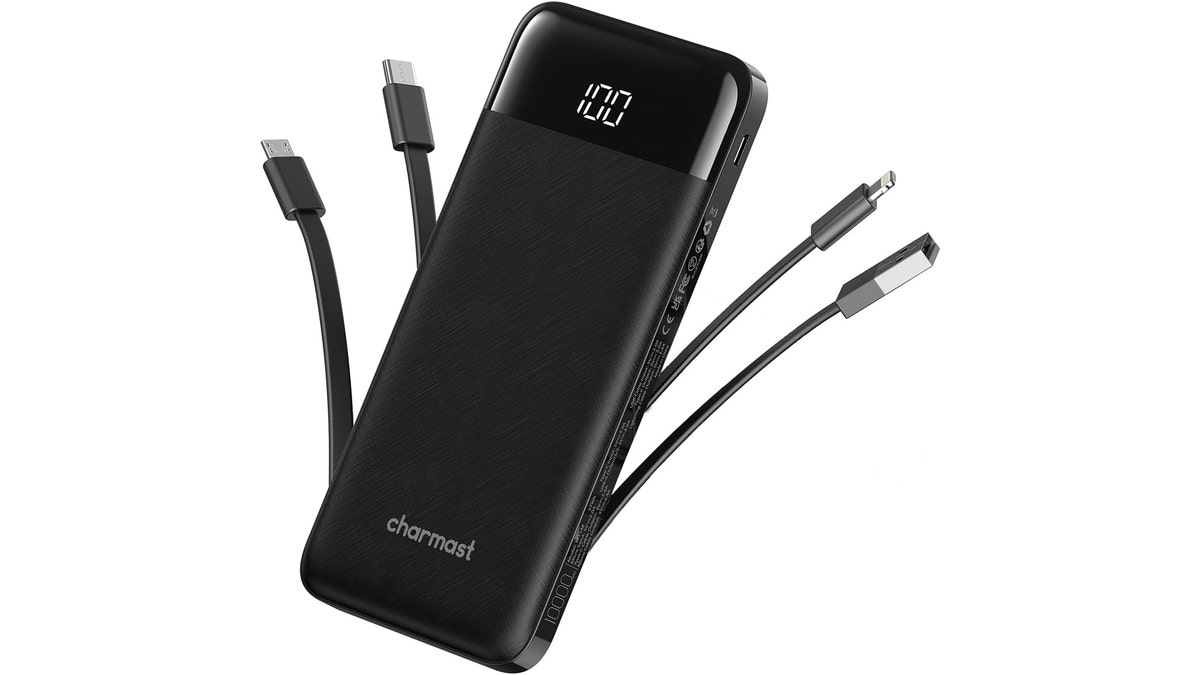
Charge multiple devices at once with this pack.  (Amazon)

Another charger that comes with built-in cables is the Charmast portable charger. It works with Apple, Samsung, Google devices and more. With six outputs and three inputs, there’s plenty of space to charge all your tech. Coming in at about half a pound, you don’t need to worry about getting weighed down.

For more deals, visit www.foxnews.com/deals

Original price: $21.99

Charge your devices fast with the INIU charger. 

Charge your devices fast with the INIU charger.  (Amazon)

One of the thinnest portable chargers on the market is the INIU portable charger. It’s just half an inch wide, so it easily slips into any pocket. Once fully charged, you can charge an iPhone 15 or Samsung S22 just under two times and AirPods 13 times. The INIU charger is a fast charger that gives you up to 78% percent iPhone battery after just one hour.

Lung cancer risk exists beyond smoking, as experts note rising cases

0

NEWYou can now listen to Fox News articles!

Lung cancer, the second-most common cancer in the U.S., is often associated with smoking — but even those who have never had a cigarette could be at risk of the deadly disease.

While it’s true that those who smoke face a much higher risk, up to 20% of lung cancers affect people who have never smoked or have smoked fewer than 100 cigarettes in their lifetime, according to the U.S. Centers for Disease Control and Prevention (CDC).

Despite this, the US Preventive Services Task Force (USPSTF) does not recommend lung cancer screening for those who have never smoked, as the agency states the risks may outweigh the potential benefits.

DISPOSABLE VAPES MORE TOXIC AND CARCINOGENIC THAN CIGARETTES, STUDY SHOWS

Most lung cancers fall into two groups: non-small cell lung cancer (NSCLC) and small cell lung cancer (SCLC), according to the American Cancer Society.

NSCLC, which encompasses about 80% to 85% of all lung cancers, includes adenocarcinoma (common in non-smokers), squamous cell carcinoma and large cell carcinoma. 

Up to 20% of lung cancers affect people who have never smoked or have smoked fewer than 100 cigarettes in their lifetime. (iStock)

The remaining lung cancers are classified as SCLC, a more aggressive type that tends to spread faster and has a poorer prognosis. 

Mohamed Abazeed, M.D., Ph.D., chair of radiation oncology and the William N. Brand Professor at the Northwestern University Feinberg School of Medicine in Chicago, agrees that the share of lung cancers diagnosed in never-smokers is increasing, particularly among women and patients of Asian ancestry. 

CANCER DEATH RATES DECLINE YET NEW DIAGNOSES SPIKE FOR SOME GROUPS, SAYS REPORT

“While overall incidence is declining due to reduced smoking rates, the relative share of never-smokers is growing and is reflected in clinical practice, where we increasingly diagnose patients without a traditional smoking history,” he told Fox News Digital.

Dr. Lauren Nicola, a practicing radiologist and chief medical officer at Reveal Dx in North Carolina, said she is also seeing an increase in the rate of newly diagnosed lung cancer in non-smokers, particularly among women and younger adults.

scan of lung cancer

Most lung cancers fall into two groups: non-small cell lung cancer (NSCLC) and small cell lung cancer (SCLC), according to the American Cancer Society. (iStock)

The main factor driving up the share of non-smokers among lung cancer patients, according to Abazeed, is the successful drive to reduce tobacco consumption in the U.S. 

“Other factors include improvements in imaging and broader use of CT scans that have enhanced early-stage tumor detection,” he noted. 

“It is estimated that about 8% of lung cancers are inherited or occur because of a genetic predisposition.”

“Evolving environmental factors may also be contributing to this change, with pollutants potentially driving lung inflammation, which in turn has been implicated in cancer development.”

Modifiable risk factors

Some of the biggest non-smoking risk factors for lung cancer include ambient air pollution and secondhand smoke, according to Abazeed.

Exposure to thoracic radiation (high-energy radiation in the chest area) — along with occupational hazards like radon, asbestos and diesel exhaust — can also increase the risk.

Man smoking

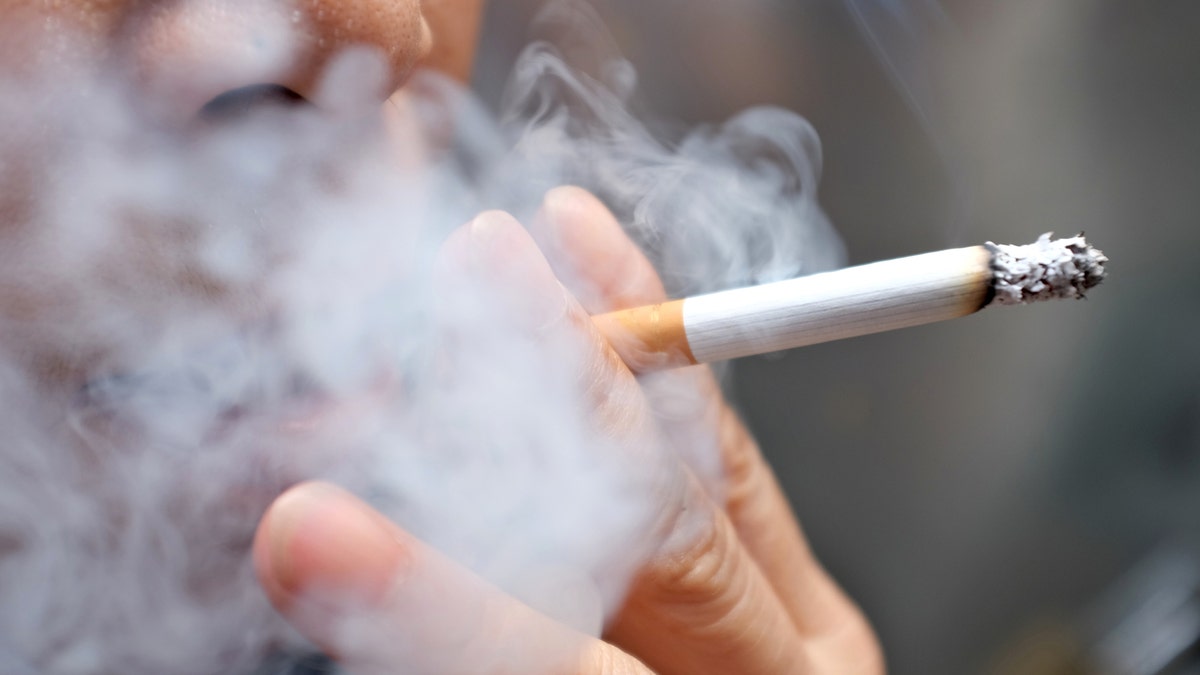
The main factor driving up the share of non-smokers among lung cancer patients is the successful drive to reduce tobacco consumption in the U.S., experts say. (iStock)

Lifestyle-related inflammation, which is often linked to poor diet and sedentary behavior, can also play a role, Nicola noted.

“Some of these, like radon and air quality, can be addressed at the household or policy level,” Abazeed said. 

RISKS, SYMPTOMS AND TREATMENTS FOR LUNG CANCER, THE DEADLIEST CANCER IN THE WORLD

“Lifestyle interventions — such as exercise, diet and avoidance of indoor pollutants — may play a modest protective role.”

Both doctors pointed out that former smokers, especially those who smoked more often and for longer periods of time, remain at elevated risk even decades after quitting.

“The greater the number of pack-years, the higher the risk,” said Nicola. “Risk declines over time after quitting, but never returns to the baseline of a never-smoker.”

Genetic risk factors

Some people inherit a higher risk of developing lung cancer due to their DNA.

“It is estimated that about 8% of lung cancers are inherited or occur because of a genetic predisposition,” Abazeed told Fox News Digital. 

CLICK HERE TO GET THE FOX NEWS APP

“Inherited predisposition is an area of active investigation, particularly in younger patients or those with a strong family history.”

Having a first-degree relative with lung cancer roughly doubles the risk of developing the disease, even after controlling for smoking exposure, according to Nicola.

“Up to 50% of all chest CTs will detect at least one pulmonary nodule.”

“Cancers in non-smokers are more often associated with specific genetic mutations and genomic profiles,” she said. “This suggests that these malignancies have a different underlying biology compared to tumors in smokers.”

Screenings in question

Current U.S. screening guidelines call for annual low-dose CT scans for high-risk individuals based on age and smoking history, Abazeed reiterated. 

The USPSTF recommends screening for “adults aged 50 to 80 years who have a 20 pack-year smoking history and currently smoke or have quit within the past 15 years.”

CLICK HERE TO SIGN UP FOR OUR HEALTH NEWSLETTER

“There is a growing interest in expanding eligibility to include non-smoking risk factors,” Abazeed noted. “Evidence is accumulating that could potentially change current population-wide guidelines.”

There are some potential risks linked to expanding screening, experts say, including the potential for overdiagnosis and false positives.

Radon monitor

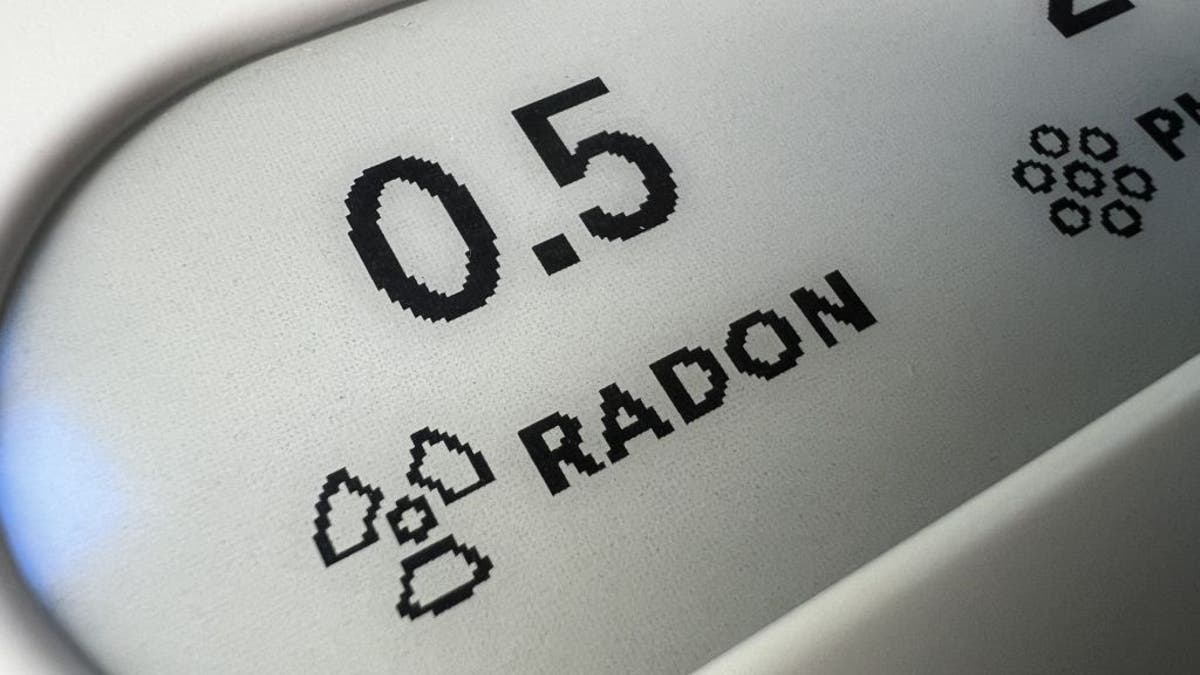
Exposure to occupational hazards like radon, asbestos and diesel exhaust can increase lung cancer risk. (Photo by Gado/Getty Images)

“The problem with screening everyone for lung cancer is that up to 50% of all chest CTs will detect at least one pulmonary nodule,” Nicola noted. “The vast majority of these nodules are benign, but a small percentage will turn out to be cancer.”

Based primarily on the size of the nodule, the clinician may recommend follow-up imaging or biopsy. 

For more Health articles, visit www.foxnews.com/health

“New tools are being developed that can help us better characterize the malignancy risk of a nodule, which will decrease the potential for harm associated with overdiagnosis in screening,” Nicola said.