10.2 C
New York
Thursday, March 26, 2026
Home Blog Page 173

Ancient Turkish shipwreck yields remarkably preserved and ‘valuable’ plates and bowls

0

NEWYou can now listen to Fox News articles!

A 2,000-year-old shipwreck off the coast of Turkey has yielded hundreds of well-preserved ceramics — offering a fascinating glimpse into ancient maritime trade.

The shipwreck site, dubbed the Ceramic Wreck, dates back to the Late Hellenistic and Early Roman periods of the country’s history. The site dates back between the second century B.C. and the first century A.D.

The Turkish Ministry of Culture and Tourism announced the discovery in a press release on June 28.

MARINE EXPERTS FIND LIKELY REMAINS OF 18TH-CENTURY TREASURE SHIP THAT WAS LOST FOR CENTURIES

The wreck is located some 150 feet below the surface of the Mediterranean Sea, near the coast of Turkey’s Antalya Province.

Underwater archaeologists uncovered hundreds of ancient ceramics at the site, ranging from plates to bowls.

Turkish divers recently uncovered hundreds of fragile earthenware artifacts, offering new insights into ancient maritime trade routes. (Ministry of Culture and Tourism (Turkey))

Pictures from the site show excavators marveling at the earthenware. 

Though chipped, many of the plates and bowls still retained much of their original appearance, experts said.

ARCHAEOLOGIST SHEDS NEW LIGHT ON ASTONISHING DISCOVERY OF WRECKED SLAVE SHIPS: ‘STRANDED ON THE COAST’

In a unique twist, the dive featured the Turkish cultural minister Mehmet Nuri Ersoy, who joined archaeologists to examine the “groundbreaking discovery.”

“This extraordinary discovery, with its unparalleled preservation, came to light through a special dive conducted by Minister Ersoy,” the Ministry of Culture and Tourism said in a statement translated from Turkish to English.

“This is an extremely valuable discovery not only for our country, but also for the world cultural heritage.”

“Minister Ersoy shared with the public his comprehensive evaluations [of] the excavation site, discussing both the current state of underwater archaeology and the scientific and touristic impacts of this discovery.”

How did the artifacts survive the centuries?

Nuri Ersoy seen with fellow diver

Turkish Minister of Culture Mehmet Nuri Ersoy, seen at left, dove into the Mediterranean to inspect the ancient shipwreck. (Ministry of Culture and Tourism (Turkey))

Officials said it was thanks to the ancient people who carefully packed them.

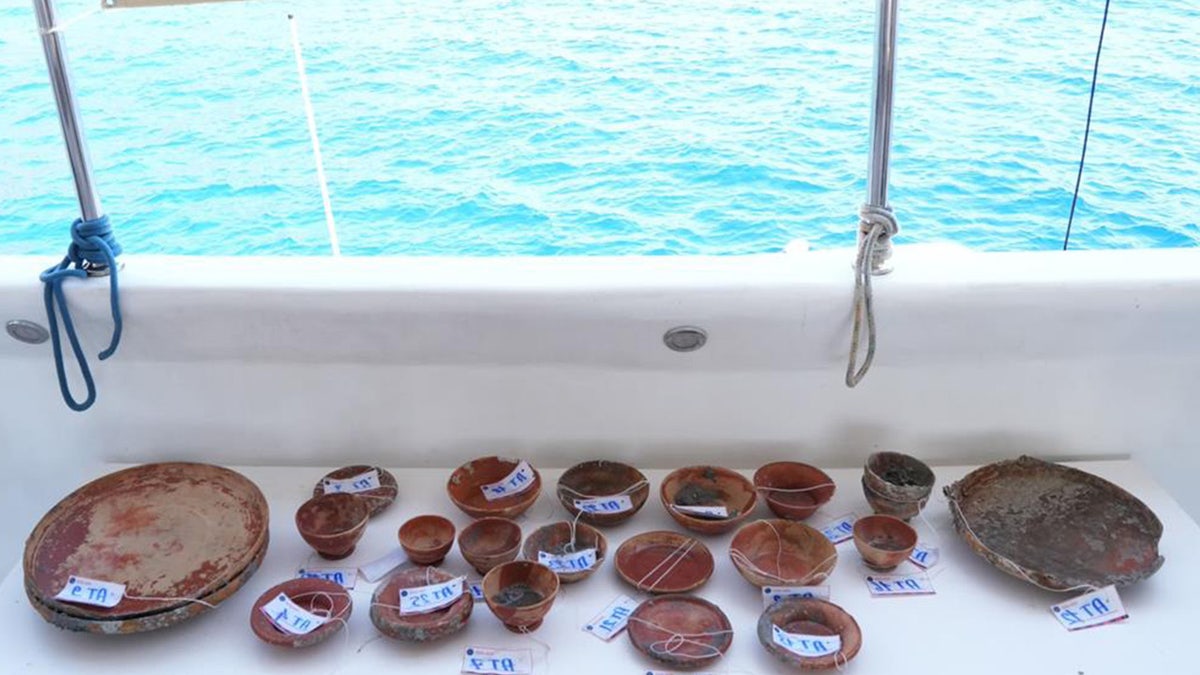
“We discovered hundreds of plates, trays and bowls, coated with raw clay and nested together to protect them during transport,” Ersoy said. 

CLICK HERE TO SIGN UP FOR OUR LIFESTYLE NEWSLETTER

He added, “As a result, the designs of the ceramics have reached us almost intact. This is an extremely valuable discovery not only for our country, but also for the world cultural heritage.”

The plates and bowls also maintained their original deep red colors, making the discovery particularly special.

Divers inspecting artifacts in sea

The Ceramic Wreck site lies 150 feet below the Mediterranean surface, revealing secrets from the Late Hellenistic and Early Roman periods. (Ministry of Culture and Tourism (Turkey))

“The plates and bowls have reached us with their original colors and surface features exceptionally preserved,” Ersoy said. 

“These provide valuable data in terms of production and packaging techniques.”

 For more Lifestyle articles, visit foxnews.com/lifestyle

The minister also noted there are at least 400 shipwrecks along the section of Turkey’s coast from Patara to Mersin.

“Our professors are working intensively and diligently in these areas,” the official said. “These discoveries offer great opportunities not only scientifically but also in terms of tourism.”

Plates and ceramics on display

Excavators marveled at the pristine condition of bowls and trays, which were carefully nested and coated with raw clay during transport. (Ministry of Culture and Tourism (Turkey))

This recent discovery adds to a growing number of shipwreck finds across the world.

In June, French officials announced the discovery of a 16th-century shipwreck sitting at a record depth.

CLICK HERE TO GET THE FOX NEWS APP

Also in June, Australian researchers identified the precise spot where Captain James Cook’s legendary ship sank in Newport, Rhode Island.

Roger Waters faces prosecution for supporting banned Palestine Action group

0

NEWYou can now listen to Fox News articles!

Former Pink Floyd songwriter Roger Waters could face prosecution after declaring his support for Palestine Action, a terrorist organization that has been banned by Parliament in the U.K.

Waters posted a video to X on Saturday, in which the Rock ‘N Roll Hall of Fame inductee praised Palestine Action as a “great organization,” while also giving kudos to Bob Vylan, who led the Glastonbury Festival crowd in a chant, shouting, “Death, death to the IDF.”

Waters said in his video that he was in his studio and was working on a piece of brown cardboard with a Sharpie.

He then switched the camera from his face to the cardboard.

GOP BILL SEEKS TO BAN AND DEPORT VISA HOLDERS WHO SUPPORT HAMAS AMID WAVE OF ANTISEMITIC VIOLENCE IN AMERICA

Pink Floyd co-founder Roger Waters praised the group, Palestine Action, which the U.K. Parliament has labeled a terrorist organization. (Getty Images)

“This says, ‘Roger Waters supports Palestine Action, 5th of July 2025. Parliament has been corrupted by agents of a genocidal foreign power. Stand up and be counted. It’s Now,'” Waters read. “This is the moment. I am Spartacus.”

“This is Independence Day, July 5th, 2025,” he continued. “I declare my independence from the government of the U.K., who’ve just designated Palestine Action a terrorist, proscribed terrorist organization.”

Waters said he supports Palestine Action, calling it a “great organization,” and noting that they are “nonviolent” and “absolutely not terrorists in any way.”

“They’re a nonviolent protest organization protesting the presence in the U.K. of Elbit Systems, who are an Israeli arms manufacturing organization,” he said. “All right. So, that’s that. I support Palestine Action, and I always will because that is the right thing to do.”

ISRAEL OBJECTS TO FOREIGN NATIONS SANCTIONING ITS OFFICIALS

Bob Vylan performs at Glastonbury Festival

Bob Vylan performing on the West Holts stage during the Glastonbury Festival at Worthy Farm in Somerset. Picture date: Saturday, June 28, 2025. (Yui Mok/PA Images via Getty Images)

He then turned his attention to others who support Palestine, like Bob Vylan, a punk-rap duo who led anti-Israel chants at the Glastonbury Festival late last month.

“We must support our brothers and sisters in Palestine and support them no matter what,” Waters said. “So good on you, what was your name? Vylan. Good on you, Vylan, and the rest of you who are standing up to be counted. I love you.”

Reuters reported that last week, the U.K. government moved to ban Palestine Action under anti-terrorism laws after its activists broke into a Royal Air Force base and damaged two planes in protest of what the organization called Britain’s support for Israel.

EX-MUMFORD & SONS GUITARIST CRITICIZES MUSIC INDUSTRY FOR SILENCE AFTER BOULDER ANTISEMITIC ATTACK

London anti-Israel protest

London, UK, Dec 9, 2023, pro-Palestinian protesters hold a banner and chant at at anti-Israel protest. (Getty Images)

After a parliamentary vote, the government proscribed the group as a terrorist organization, and the ban went into effect at midnight.

Under U.K. law, offenses include things like inviting support, expressing approval or displaying symbols of a banned group, and violations are punishable by up to 14 years behind bars and/or a fine.

There are currently 81 groups listed under anti-terrorism laws in Britain, including al-Qaeda, ISIS and Hamas.

Parliament’s Minister of State, Sir David Hanson, said after the amendment’s approval that Palestine Action released an “undercover manual” that encourages its members to create small groups and provides guidance about how to conduct activity against private companies and government buildings.

Hanson also said the manual explains how to operate covertly and evade arrest.

DAVID MARCUS: TIME TO BAN PRO-PALESTINE (HAMAS) GROUPS ON CAMPUS, JUST LIKE KKK

Photo shows the The Houses of Parliament in front of dark sky

The Houses of Parliament in London, UK. (Chris J. Ratcliffe/Bloomberg via Getty Images)

“The Government have assessed that Palestine Action promotes and encourages terrorism. This includes glorification of its attacks involving serious property damage on social media,” Hanson said. “I have to say that we would not tolerate this activity from organisations if they were motivated by Islamist or extreme right-wing ideologies, and therefore I cannot tolerate it from Palestine Action.”

“By implementing this measure, we will remove Palestine Action’s veil of legitimacy, tackle its financial support and degrade its efforts to recruit and radicalise people into committing terrorist activity in its name,” he added.

The Campaign Against Antisemitism, which, according to the group’s site, is a “volunteer-led charity dedicated to exposing and countering antisemitism through education and zero-tolerance enforcement of law,” shared Waters’ video on X shortly after it was posted by the former Pink Floyd member.

The group said it reviewed the post, adding that anyone who expresses support for it, contrary to the Terrorism Act 2000, is committing a criminal offense.

CLICK HERE TO GET THE FOX NEWS APP 

They also said they stand ready to privately prosecute offenders when authorities fail to act.

A spokesperson for Campaign Against Antisemitism told Fox News Digital, “The suggestion that the Jewish state wields excessive political influence is a breach of the International Definition of Antisemitism.”

“Roger Waters has a long history of promoting dangerous conspiratorial tropes,” the spokesperson said. “His declaration of support for Palestine Action, now a banned organisation, is his most legally provocative move yet. We expect the police to take action, and if they do not then we will.”

Reuters contributed to this report.

Stanford study reveals enzyme inhibitor may slow Parkinson’s disease

0

NEWYou can now listen to Fox News articles!

A recent study from Stanford Medicine that “totally surprised” researchers highlighted what could be a promising approach to slowing Parkinson’s disease progression.

The research, published in the journal Science Signaling, took a closer look at enzymes — proteins in the body that speed up chemical reactions and are essential for digestion, liver function and other key functions, according to Cleveland Clinic — and their role in Parkinson’s.

The team found that targeting a certain enzyme helped to restore neuron and cell communication in mice.

MUSIC CONDUCTOR WITH PARKINSON’S SEES SYMPTOMS IMPROVE WITH DEEP BRAIN STIMULATION

Lead author Suzanne Pfeffer, PhD, the Emma Pfeiffer Merner Professor in Medical Sciences and a professor of biochemistry at Stanford, told Fox News Digital that the team was “totally surprised that we saw as much improvement as we did.”

In about 25% of Parkinson’s cases, the culprit is some form of genetic mutation. One of the most common mutations creates an overactive enzyme called LRRK2, according to a Stanford press release.

About 25% of Parkinson’s cases are caused by some form of genetic mutation, research shows. (iStock)

When there is too much LRRK2 activity, it changes the structure of the brain cells, disrupting important communication between neurons and cells. This system is crucial to movement, motivation and decision-making, according to the researchers.

The goal of the study was to determine whether a specific molecule — the MLi-2 LRRK2 kinase inhibitor — could reverse the effect of overactive enzymes.

PARKINSON’S PATIENTS WHO TAKE ‘MAGIC MUSHROOMS’ SEE KEY BENEFITS, STUDY FINDS

Using mice that had the genetic mutation that causes overactive LRRK2 and also had symptoms consistent with early Parkinson’s disease, the scientists tried feeding them the inhibitor for two weeks. 

There were initially no changes detected in brain structure, signaling or function of the dopamine neurons.

Picture of a nondescript cell/neuron

When there is too much LRRK2 activity, it changes the structure of the brain cells, disrupting important communication between neurons and cells. (iStock)

However, after three months of eating the inhibitor, mice affected by the overactive enzyme appeared to have restored their neurons to the point where they were virtually the same as those without the genetic mutation, the study found.

CLICK HERE TO GET THE FOX NEWS APP

“Findings from this study suggest that inhibiting the LRRK2 enzyme could stabilize the progression of symptoms if patients can be identified early enough,” Pfeffer said in the press release.

Limitations and future research

The study did have some limitations, the researchers acknowledged.

“This was in mice, not people, but our current results indicate that similar pathways are important in humans,” Pfeffer told Fox News Digital.

Man with Parkinson's disease holds his own hand

While the study focused on a specific genetic form of the disease, overactive LRRK2 is also present in other cases, meaning this treatment could possibly help multiple types of patients. (iStock)

While the study focused on a specific genetic form of the disease, overactive LRRK2 is also present in other cases, meaning this treatment could help multiple types of Parkinson’s patients and possibly those with other neurodegenerative diseases, the reseachers claimed.

Looking ahead, the team plans to investigate whether other forms of Parkinson’s could benefit.

CLICK HERE TO SIGN UP FOR OUR HEALTH NEWSLETTER

Parkinson’s — a disease that involves the slow death of dopamine-producing neurons, leading to symptoms like tremors and stiffness — affects nearly one million Americans, according to the Parkinson’s Foundation, which has offices in New York and Miami. 

Experts agree that early intervention is key, as Parkinson’s symptoms often appear years after the disease begins. 

“These findings suggest that it might be possible to improve, not just stabilize, the condition of patients with Parkinson’s disease.”

Identifying and treating at-risk individuals sooner could potentially halt or reverse neuron loss.

“These findings suggest that it might be possible to improve, not just stabilize, the condition of patients with Parkinson’s disease,” Pfeffer said.

For more Health articles, visit www.foxnews.com/health

The researcher told Fox News Digital that it’s important to encourage patients to undergo genetic testing to learn more about their suitability for clinical trials and future treatments.

The study was funded by The Michael J. Fox Foundation for Parkinson’s Research, the Aligning Science Across Parkinson’s initiative and the United Kingdom Medical Research Council.

Body moisture can trigger security alarms at airports, TSA spokesperson confirms

0

NEWYou can now listen to Fox News articles!

A flight passenger made an observation after setting off an alarm while going through airport security — which sparked a “sweaty” conversation online.

Posted in the “r/tsa” forum on Reddit, the message was bluntly titled, “My crotch got flagged twice, thoughts?”

“I flew for the first time in 15 years this week and both airports flagged my crotch at the arms-up scanner,” read the post.

‘POOP CRUISE’ DOCUMENTARY EXPOSES 2013 SHIP NIGHTMARE FEATURING CHAOS, GROSS CONDITIONS

The user added, “I don’t care about the pat-down. They were polite and professional and it doesn’t bother me, but I’m wondering what did it.” 

Plenty of other people took to the comments section to speculate about what could have set off the alarm.

A flight passenger (not pictured) made an observation after setting off an alarm while going through airport security — which sparked a “sweaty” and viral conversation online. (AP File Photo)

“It can alarm on heavy sweat (experienced that once myself), which will probably be somewhat more common now that we’re in the summer months,” claimed one user.

Another user asked, “Were you sweating?” to which the passenger responded, “Probably a little. I’m terrified of flying, so I was nervous.”

CLICK HERE TO SIGN UP FOR OUR LIFESTYLE NEWSLETTER

“Last time I flew out of my home airport of Tampa, I got searched, too,” said a different person on Reddit. “The guard said something unnerving like ‘swamp rot’ or ‘swamp crotch’ or something similarly embarrassing.”

Another user remarked, “I didn’t read all the comments, but this happens to me when I’m late for a flight because I’m sweaty.”

tsa pat down

People online have discussed how sweating may be a culprit in setting off TSA security alarms. (iStock)

“If you [go] through the machine that makes you put your hands above your head, it senses moisture,” the same person added. 

“I’ve been stopped for additional screening twice.”

For more Lifestyle articles, visit foxnews.com/lifestyle

“Could be: clothes (baggy etc.), sweat, position (not on footprints, too wide or too narrow), zipper, too many layers, reflective stuff, ghosts, etc.,” commented one user.

A spokesperson for the Transportation Security Administration (TSA) told Fox News Digital that sweat could play a role in setting off alarms.

reagan tsa airport travelers

The TSA says that a person’s sweat could set off security alarms during a screening. (Andrew Harnik/Getty Images)

“Added moisture from a person’s body can alter the density of clothing, so it is possible perspiration may cause our Advanced Imaging Technology (AIT) machines to alarm,” said the spokesperson.

CLICK HERE TO GET THE FOX NEWS APP

“If this occurs, the passenger may need to undergo additional screening, such as a pat-down in the area of the body where the AIT alarmed, to ensure there is no threat,” the spokesperson added. 

Old smartphones are being turned into tiny data centers

0


NEWYou can now listen to Fox News articles!

Did you know that over 1.2 billion smartphones are produced every year? Most of these devices end up in landfills, contributing to the growing global e-waste crisis. But what if there was a smarter, greener way to use them? Researchers are now showing us that old smartphones as data centers could be the next big thing in sustainable tech.

Sign up for my FREE CyberGuy Report
Get my best tech tips, urgent security alerts, and exclusive deals delivered straight to your inbox. Plus, you’ll get instant access to my Ultimate Scam Survival Guide – free when you join my CYBERGUY.COM/NEWSLETTER.

Old smartphones are turned into tiny data centers.

Old smartphones are turned into tiny data centers. (Kurt “CyberGuy” Knutsson)

Old smartphones find new life as mini data centers

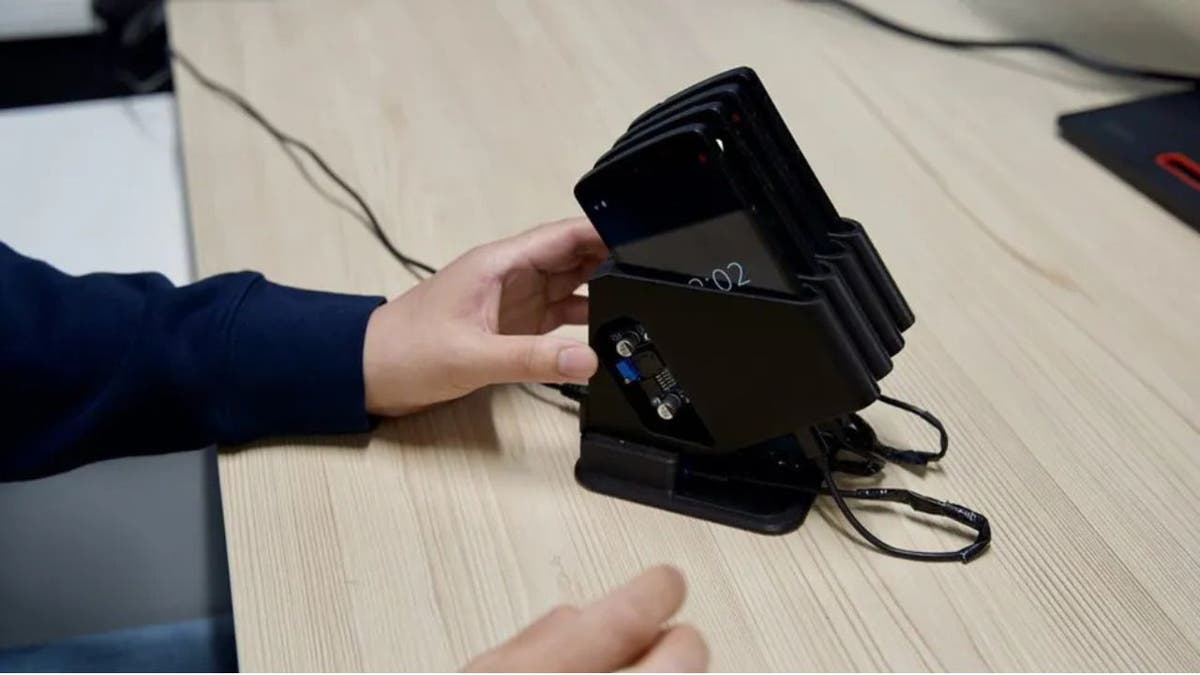
A team at the University of Tartu Institute of Computer Science in Northern Europe’s Estonia has found a creative way to give outdated phones a new purpose. Instead of letting them gather dust or pollute the environment, these phones are being repurposed into tiny data centers. By connecting old smartphones together, the team enables them to efficiently process and store data for research and community projects, an innovative idea with significant impact.

How researchers turn smartphones into low-cost data centers

Turning old smartphones into data centers is surprisingly affordable. Researchers removed the batteries (to prevent chemical leaks) and used external power sources. They then connected the phones, placed them in 3D-printed holders, and created a working prototype. These mini-data centers have already been tested in real-world scenarios, like monitoring marine life underwater tasks that would normally require expensive equipment.

An image of an old phone on a desk.

An image of an old phone on a desk. (Kurt “CyberGuy” Knutsson)

The environmental impact of reusing old phones

Every phone that gets a second life as a data center means fewer toxic materials in landfills and less demand for new electronics. This approach not only reduces e-waste but also saves valuable resources and cuts down on COâ‚‚ emissions from manufacturing. By extending the life of our devices, we’re taking a big step toward a more sustainable future.

What you can do with your old smartphones

Before tossing out your old phone, consider donating it to organizations that upcycle electronics. Your device could help power the next wave of sustainable tech solutions. Together, we can keep our landfills cleaner and support innovative research, all by rethinking what we do with our old smartphones.

An image of people on their smartphones.

An image of people on their smartphones. (Kurt “CyberGuy” Knutsson)

Kurt’s key takeaways

Giving old smartphones a second chance as data centers is a simple way we can all help reduce e-waste and support sustainable tech. Imagine the positive impact if more people embraced old smartphones as data centers instead of sending them to landfills.

Would you consider turning your unused phone into something that powers research or helps your community? Let us know by writing to us at Cyberguy.com/Contact.

Sign up for my FREE CyberGuy Report
Get my best tech tips, urgent security alerts, and exclusive deals delivered straight to your inbox. Plus, you’ll get instant access to my Ultimate Scam Survival Guide – free when you join my CYBERGUY.COM/NEWSLETTER.

Copyright 2025 CyberGuy.com. All rights reserved.



Source link

How micro-robots may soon treat your sinus infections

0


NEWYou can now listen to Fox News articles!

A breakthrough in medical technology could soon change how sinus infections are treated. Scientists have created micro-robots for sinus infection treatment that can enter the nasal cavity, eliminate bacteria directly at the source, and exit without harming surrounding tissue. This drug-free, targeted approach may reduce our dependence on antibiotics.

Sign up for my FREE CyberGuy Report
Get my best tech tips, urgent security alerts, and exclusive deals delivered straight to your inbox. Plus, you’ll get instant access to my Ultimate Scam Survival Guide – free when you join my CYBERGUY.COM/NEWSLETTER.

A woman with a sinus infection.

A woman with a sinus infection. (Kurt “CyberGuy” Knutsson)

What are micro-robots for sinus infection treatment?

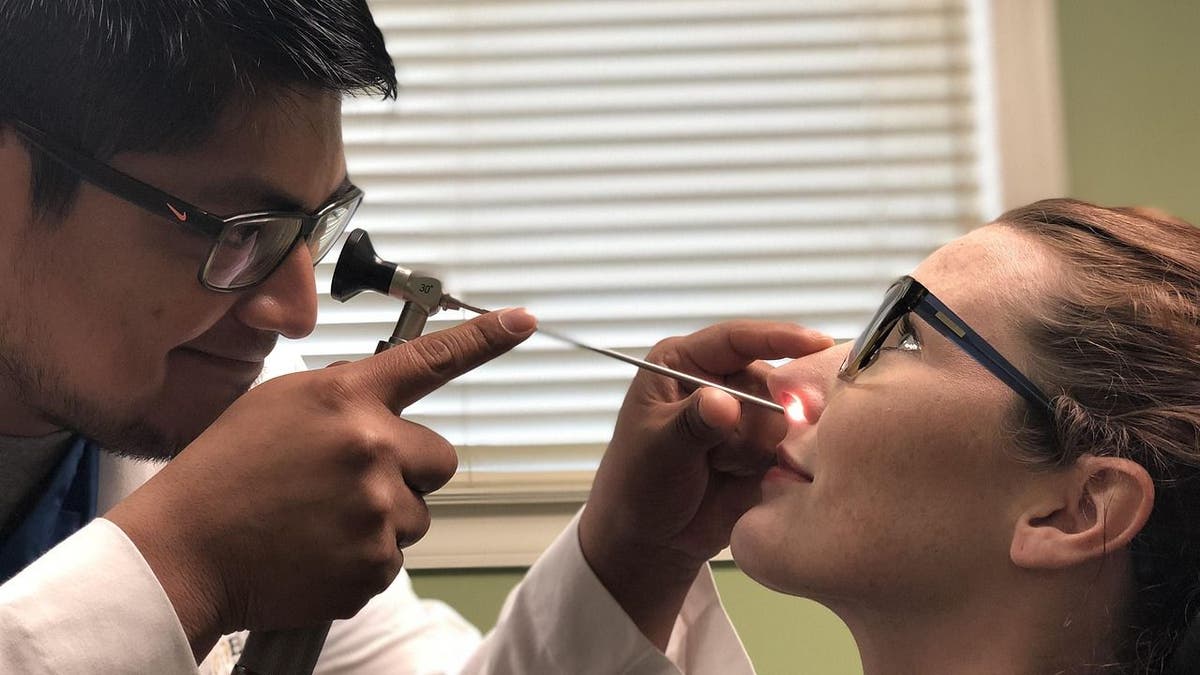
These microscopic robots are smaller than a speck of dust. They are made of magnetic particles enhanced with copper atoms. Doctors insert them through a narrow duct in the nostril. Once inside, the micro-robots are guided by magnetic fields to reach the infected area.

At that point, a fiber optic light heats the particles and triggers a chemical reaction. This reaction breaks through thick mucus and destroys harmful bacteria at the infection site. As a result, treatment becomes faster, more precise, and far less invasive.

This latest advancement comes from a collaboration of researchers at the Chinese University of Hong Kong, along with universities in Guangxi, Shenzhen, Jiangsu, Yangzhou, and Macau. Their work, published in “Science Robotics,” has helped move micro-robotic medical technology closer to real-world applications. 

Why use micro-robots instead of antibiotics?

Traditional antibiotics circulate throughout the entire body. In contrast, micro-robots target only the infected area. This reduces side effects and lowers the risk of antibiotic resistance. Furthermore, patients may recover faster because the treatment goes straight to the source.

A woman with a sinus infection.

A woman with a sinus infection. (Kurt “CyberGuy” Knutsson)

Are micro-robots safe?

So far, animal trials have shown promising results. Micro-robots successfully cleared infections in pig sinuses and live rabbits, without causing tissue damage. However, scientists still need to ensure that every robot exits the body after treatment. Leftover particles could pose long-term risks.

In addition, public acceptance remains a challenge. The idea of tiny machines inside the body makes some people uncomfortable. Nevertheless, experts believe those fears will fade over time.

What other uses are possible?

Researchers are already exploring how micro-robots could treat infections in the bladder, stomach, intestines, and bloodstream. Several teams around the world are working to make the technology more advanced and adaptable for deep internal use. If successful, these innovations could revolutionize the way we fight bacteria in the human body.

A doctor examining a woman with a sinus infection.

A doctor examining a woman with a sinus infection. (Kurt “CyberGuy” Knutsson)

Kurt’s key takeaways

The rise of micro-robots for sinus infection treatment marks a major shift in medical care. By offering precise, non-invasive therapy without antibiotics, this method could redefine how infections are treated. With continued research and testing, these tiny tools may soon become powerful allies in modern medicine.

Would you let microscopic robots crawl through your sinuses if it meant never needing antibiotics again? Let us know by writing to us at Cyberguy.com/Contact.

Sign up for my FREE CyberGuy Report
Get my best tech tips, urgent security alerts, and exclusive deals delivered straight to your inbox. Plus, you’ll get instant access to my Ultimate Scam Survival Guide – free when you join my CYBERGUY.COM/NEWSLETTER.

Copyright 2025 CyberGuy.com. All rights reserved.


Source link

Metal ‘tire traps’ plague Jakarta streets as community launches cleanup effort

0

NEWYou can now listen to Fox News articles!

A popular city has locals taking to the streets to help crack down on the “tire traps” that are scattered across busy roads.

Volunteers in Jakara, Indonesia, have been picking up nails, threaded bolts and scraps of umbrella frames, according to The Associated Press (AP).

It is thought the mysterious sharp metal pieces are intentionally left by vandals to damage the tires of vehicles on main roads. 

‘POOP CRUISE’ DOCUMENTARY EXPOSES 2013 SHIP NIGHTMARE FEATURING CHAOS, GROSS CONDITIONS

What started as a few community members involved in addressing the issue has grown into a movement of locals cleaning the streets called “Sapu Bersih,” or the Clean Sweep.

Siswanto, a Jakarta resident, told AP he has been picking up metal for five years after his own encounters with the tire traps.

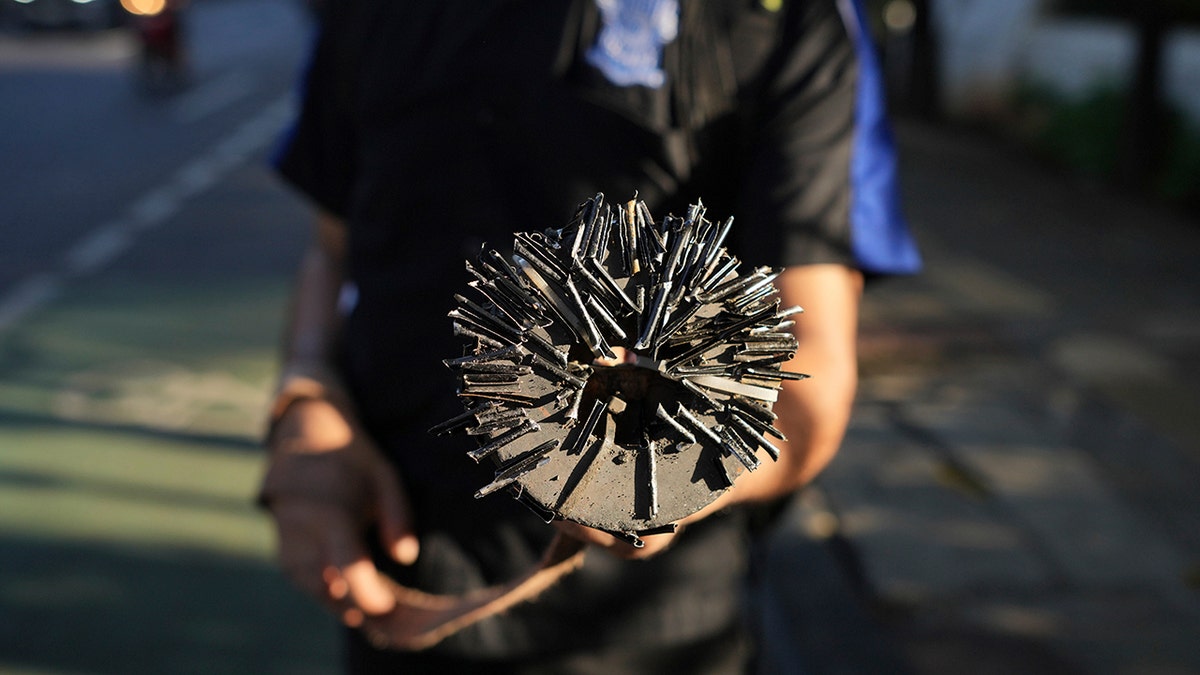
Volunteers in Jakara, Indonesia, picked up nails, threaded bolts and scraps of umbrella frames that were found on main roads. (AP Photo/Dita Alangkara)

“From 2010 to 2016, we collected four tons of nail traps from Jakarta and other areas, like Bekasi,” said Siswanto.

“We collected them from the volunteers.”

CLICK HERE TO SIGN UP FOR OUR LIFESTYLE NEWSLETTER

Siswanto said many volunteers take turns picking up metal before or after work. This apparently occurs all over the city.

There were over 10 million people living in Jakarta in 2010, according to Jakarta Investment Center.

Siswanto, a member of a volunteer group called 'Team Saber', an abbreviation of Indonesian words 'Sapu Bersih' or 'Clean Sweep', shows nails and other sharp metal collected from a street in Jakarta, Indonesia, Saturday, May 17, 2025. (AP Photo/Dita Alangkara)

Locals collect sharp metal objects deliberately placed to damage vehicles and potentially aid in robberies. (AP Photo/Dita Alangkara)

Jakarta Traffic Police Chief Komarudin told the AP he believes the metal is intended to force bikers to the side of a road with a flat — making riders more vulnerable to serious crimes like robbery.

For more Lifestyle articles, visit foxnews.com/lifestyle

Some locals suspect the traps may have been set by tire repair shops, as metal was found in close proximity.

Motorbike taxi driver Pandu Dewanata told the AP he’s had at least three tires hit the traps in the past year.

nail tire trap

It is thought the mysterious sharp metal pieces are intentionally left by vandals to damage the tires of vehicles on main roads.  (AP Photo/Dita Alangkara)

“It is suspicious after hitting a nail trap — 100 meters from where we hit there was a tire patchier,” said Dewanata.

“That is suspicious. But I am not accusing, no.”

CLICK HERE TO GET THE FOX NEWS APP

Police have found, while investigating the traps, that there are some nuts or bolts that could accidentally fall from passing vehicles — but many objects appear to be deliberately bent.

The Associated Press contributed to this report.

Stop data brokers from selling your information online

0


NEWYou can now listen to Fox News articles!

Your personal data is a highly valuable commodity. Companies often treat it like a resource to be mined and traded. In practice, this means that everything you do on the Internet, what you search, what you click, where you shop, feeds a vast industry. Many people feel they have little control over this.

In fact, a Pew Research survey found that roughly six in ten Americans say it’s not possible to go through daily life without having data collected about them. We may use “free” services, but we usually pay in data. As the U.S. Federal Trade Commission explains, “The things we do throughout the course of our day give businesses access to information about our habits, tastes, and activities. Some might use it to deliver targeted ads to you… Others might sell or share that information”.

Let’s examine how your data is collected in everyday life, who is buying and selling it, what happens to it afterward, and, most importantly, what you can do to protect yourself.

Sign up for my FREE CyberGuy Report
Get my best tech tips, urgent security alerts, and exclusive deals delivered straight to your inbox. Plus, you’ll get instant access to my Ultimate Scam Survival Guide – free when you join my CYBERGUY.COM/NEWSLETTER.

A person working on a laptop.

A person working on a laptop. (Kurt “CyberGuy” Knutsson)

How does your data get collected

Almost everything we do online or even offline can generate data. Here are some common sources:

1) Social media platforms: Social networks like Facebook, Instagram, or Twitter collect a wide array of data from your posts, likes, location check-ins, connections, and more. Social media companies harvest sensitive data about individuals’ activities, interests, personal characteristics, and purchasing habits. In short, even casual sharing on these sites adds to a detailed profile about you.

2) Online shopping and loyalty programs: Every time you shop online or use a store loyalty card, data about your purchases is recorded. Retailers track what you buy, when, and how (with coupon or card). Even offline purchases using a rewards card feed into databases. Over time, this builds a detailed purchasing history linked to your identity.

3) Browser fingerprinting: This technique collects bits of information about your browser and device (such as which plugins you have, screen size, time zone, etc.) to create a unique “fingerprint.” That fingerprint can identify you uniquely across sites, even without cookies.

4) Mobile app identifiers and SDKs: On phones, each app often reports usage data back to its developer or advertising partners. For example, iOS and Android assign a unique advertising ID to your device, and apps can read that ID and log your activity. Many apps also include third-party SDKs (software development kits) from analytics or ad companies that silently collect data on your in-app behavior and send it off for profiling.

5) Cookies and tracking pixels: A cookie is a small file your browser saves from a website. It lets the site recognize your device later. A tracking pixel (also called a web beacon) is a tiny, invisible image embedded in a webpage or email that reports back when you view it. Together, cookies and pixels allow companies to “remember” your visits, log which pages you view, and build a record of your browsing even after you leave a site.

Illustration of a hacker at work.

Illustration of a hacker at work. (Kurt “CyberGuy” Knutsson)

What data brokers are and how hey sell your information

Data brokers are companies whose entire business is buying, aggregating, and reselling personal information. They collect data about you from many places and bundle it into profiles. This industry is massive (estimated at around $200 billion per year) with thousands of firms globally. Big-name brokers include companies like Experian, Acxiom, Epsilon, and many lesser-known “people search” sites.

Using sources like public records, social media, data breaches, and data brokers assemble extensive dossiers on individuals. They collect ordinary details such as names, addresses, dates of birth, phone numbers, email addresses, as well as sensitive traits: gender, marital status, education level, occupation, income range, hobbies, and interests. Brokers may even buy data about your health (like what drugs you purchase) or political views gathered from public voter records or social media activity.

After building these profiles, brokers sell or license them to anyone who will pay. Typical customers include Marketers and Advertisers, Insurers and Lenders, People Search and Data Services, Employers and Background Checkers, and more.

Illustration of a hacker at work.

Illustration of a hacker at work. (Kurt “CyberGuy” Knutsson)

What happens to your data after it’s sold

Once your data is in the hands of others, it’s used to profile and segment people in ways that can affect what we see and the opportunities we receive. Profiling simply means grouping people by common traits or habits, such as “young urban pet owners” or “people likely to buy a new car this year.” These profiles are then used to serve you targeted ads and offers.

Targeted advertising can feel creepy or manipulative. For example, you might notice ads for products you only briefly mentioned in a private message or web search, because your data was shared with dozens of advertisers behind the scenes. Every time you load a page with ads, your data profile is broadcast to companies through automated ad auctions, and they bid to show you ads.

Beyond advertising, there can be more serious consequences such as identity theft and stalking. Broader profiles mean more tempting targets for criminals. People-search websites, which get data from brokers, can show your address, phone number, family members’ names, and even your Social Security number. This information can be used to steal your identity or harass you.

How you can take back control

There are many ways to take control of your personal data, several of which are listed in the section below, but the most effective is to consider a data removal service.

While no service promises to remove all your data from the internet, having a removal service is great if you want to constantly monitor and automate the process of removing your information from hundreds of sites continuously over a longer period of time. 

A personal data removal service can help you remove all this personal information from the internet. It has a very clean interface and will scan 195 websites for your information and remove it and keep it removed. 

Check out my top picks for data removal services and get a free scan to find out if your personal information is already out on the web by visiting Cyberguy.com/Delete.

Get a free scan to find out if your personal information is already out on the web: Cyberguy.com/FreeScan.

A person surfing on their laptop.

A person surfing on their laptop. (Kurt “CyberGuy” Knutsson)

4 ways additional ways to protect your data

You can take steps to reclaim some control over your data, and you don’t have to be a tech expert to do it. Here are some practical tips and resources:

1) Review privacy settings: Take a few minutes to explore the privacy and security settings on the services you use. For example, limit who can see your social media posts, disable unnecessary location-sharing on your phone, and consider turning off ad personalization on accounts like Google and Facebook. Most browsers let you block third-party cookies or clear tracking data. The FTC suggests comparing the privacy notices of different sites and apps and choosing ones that let you opt out of sharing when possible.

2) Use privacy-friendly tools: Install browser extensions or plugins that block ads and trackers. You might switch to a more private search engine (like DuckDuckGo or Brave) that doesn’t log your queries. Consider using a browser’s “incognito” or private mode when you don’t want your history saved. Even small habits, like logging out of accounts when not in use or using a password manager, make you less trackable.

3) Be cautious with personal data: Think twice before sharing extra details. Don’t fill out online surveys or quizzes that ask for personal or financial information unless you trust the source. Create separate email addresses for sign-ups (so marketing emails don’t go to your main inbox). Only download apps from official stores, and check app permissions.

4) Opt out of data broker lists: Many data brokers offer ways to opt out or delete your information, though it can be a tedious process. For example, there are sites like Privacy Rights Clearinghouse or the Whitepages opt-out page that list popular brokers and their opt-out procedures. The FTC’s consumer guide “Your Guide to Protecting Your Privacy Online” includes tips on opting out of targeted ads and removing yourself from people-search databases. (Keep in mind you may have to repeat this every few months.)

Kurt’s key takeaway

You may not be able to completely escape the data economy, but you can limit its impact on your life. By using privacy tools, being mindful of what you share, and demanding transparency, you make it harder for companies to treat your personal information as a free-for-all. Each small step, whether it’s tweaking settings, clicking “opt out,” or simply pausing before hitting “submit” on a form, helps you regain control. Ultimately, pushing for accountability from businesses and lawmakers is also part of the solution. After all, privacy is a fundamental right that deserves strong safeguards for everyone.

How comfortable are you knowing that your personal data might be used to target ads? Let us know by writing us at Cyberguy.com/Contact.

Sign up for my FREE CyberGuy Report
Get my best tech tips, urgent security alerts, and exclusive deals delivered straight to your inbox. Plus, you’ll get instant access to my Ultimate Scam Survival Guide – free when you join my CYBERGUY.COM/NEWSLETTER.

Copyright 2025 CyberGuy.com. All rights reserved.


Source link

Mini robots detect and fix water pipe leaks without digging

0


NEWYou can now listen to Fox News articles!

Fixing underground water pipes usually means digging up roads and sidewalks — a process that’s disruptive and expensive. However, researchers at the University of Sheffield in the U.K. are working on a different approach. They’ve developed small robots called “Pipebots” that can travel inside water pipes to find and potentially repair leaks, all without any excavation.

Sign up for my FREE CyberGuy Report
Get my best tech tips, urgent security alerts, and exclusive deals delivered straight to your inbox. Plus, you’ll get instant access to my Ultimate Scam Survival Guide — free when you join my CYBERGUY.COM/NEWSLETTER.

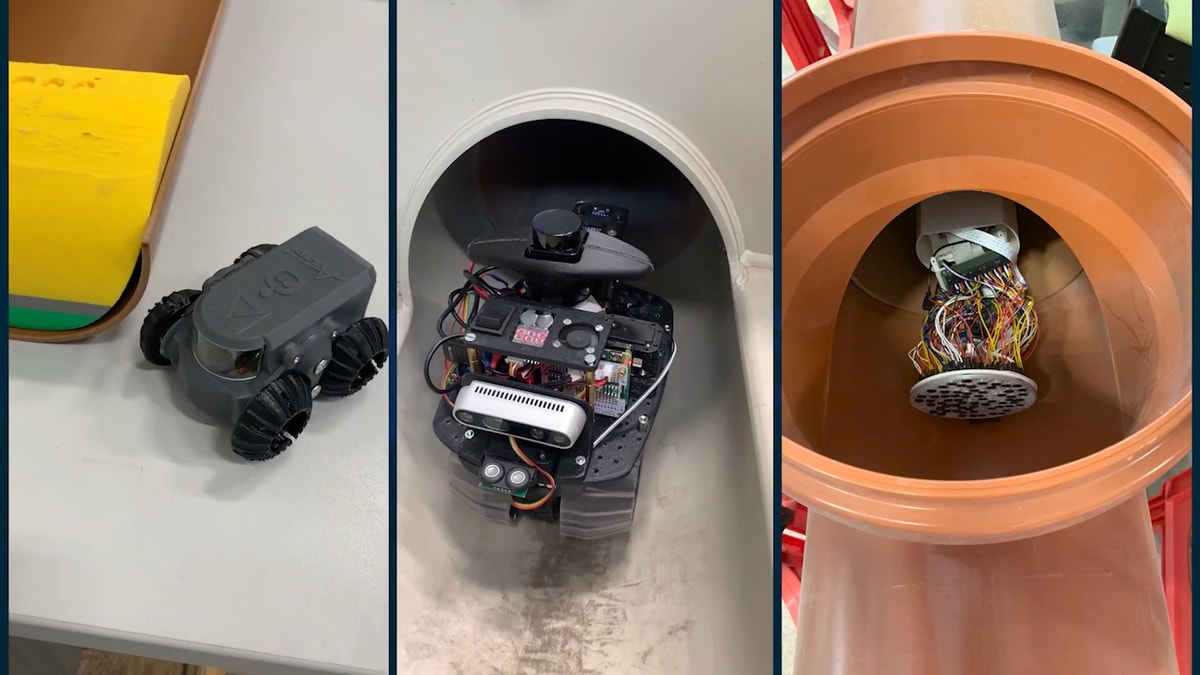
Pipebot in various environments.

Pipebot in various environments. (University of Sheffield)

Old leaky underground pipes are causing a crisis

The U.K. has some of the oldest water systems in the world, with parts of the network still dating back to the Victorian era. Not surprisingly, many of these pipes are leaking, wasting about 790 million gallons of water every day. Fixing them usually means digging up streets, which causes major disruption and adds to the country’s $5 billion a year maintenance costs.

A prototype of a Pipebot.

A prototype of a Pipebot. (University of Sheffield)

Little robots come to the rescue

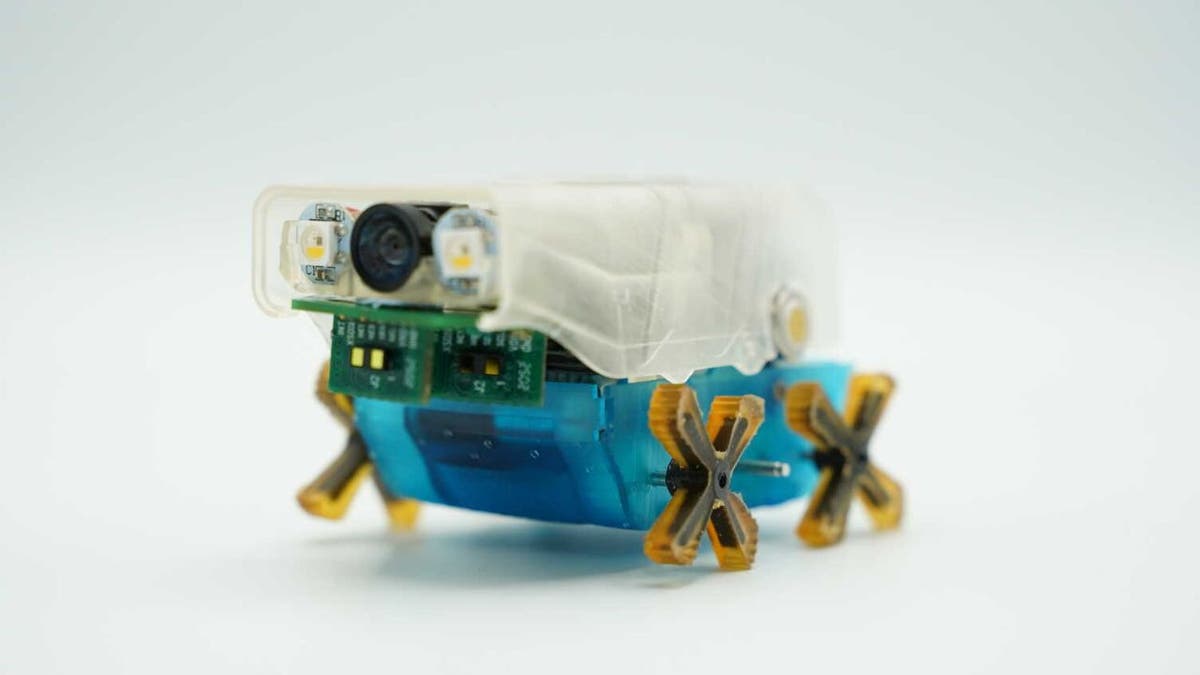
Pipebots are tiny, high-tech helpers designed to navigate the underground world of water pipes. Each one comes with acoustic sensors, cameras, and rugged wheels that help it move through tight, twisty spaces-while smart enough to steer clear of off-limits areas.

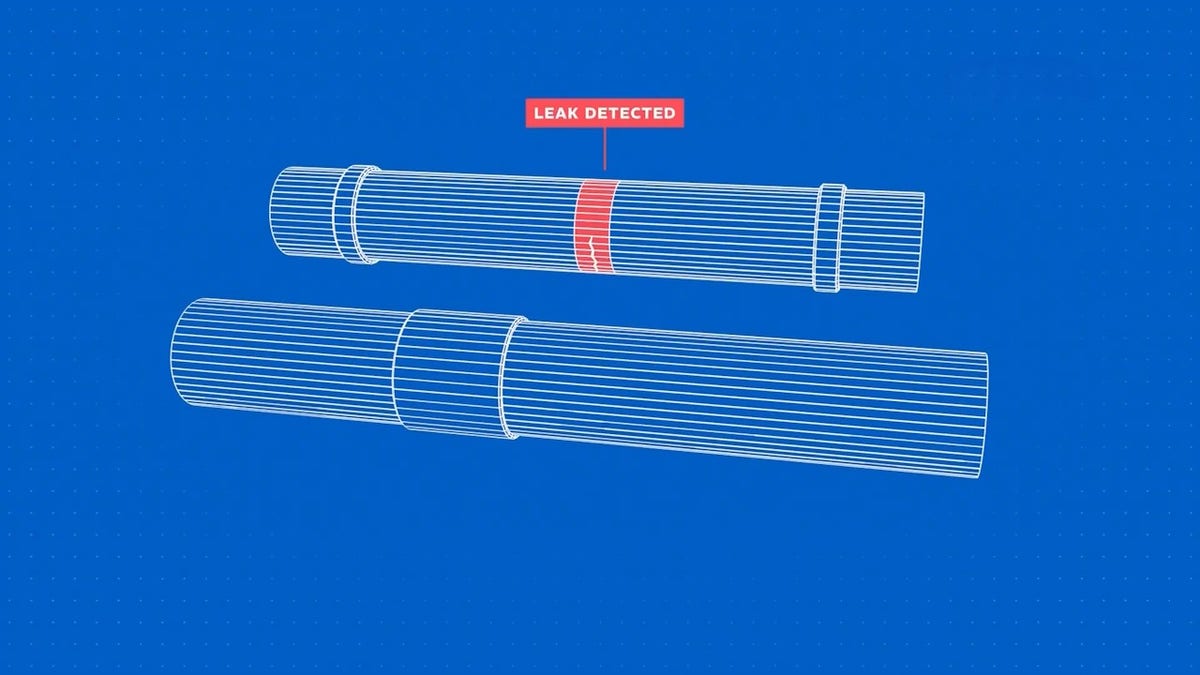
They’re dropped into the water system through hydrants and travel in groups, scanning the inside of pipes for even the smallest cracks. When they spot a problem, they send the details back to engineers above ground, making it easier to fix issues without digging anything up.

An illustration showing that a Pipebot has found a leak.

An illustration showing that a Pipebot has found a leak. (University of Sheffield)

The robots are part of a bigger innovation plan

These robots are part of a larger effort to modernize how the U.K. manages its aging water infrastructure. The initiative isn’t just a university research project-it’s supported by the U.K.’s water regulator, OFWAT (the Water Services Regulation Authority), and involves several collaborative projects.

One of these projects focuses on using Pipebots to inspect live, pressurized wastewater pipes, also known as raising mains. The goal is to catch problems early and make repairs before leaks cause pollution. 

Another project, called “no dig leak repair,” is working on ways to fix leaks from inside the water mains themselves, completely avoiding the need for disruptive roadwork. 

There’s also the EU-funded Pipeon Project, which is developing advanced, AI-powered robots that can inspect sewers autonomously, without human guidance.

Image of a Pipebot.

Image of a Pipebot. (University of Sheffield)

Kurt’s key takeaways

These little robots could be exactly what countries everywhere need to keep their water systems running smoothly. They have the potential to make maintenance cleaner, more affordable, and way more efficient. That’s especially important for developing countries where budgets are tight and infrastructure is aging or incomplete. As the pressure to conserve water grows, tools like Pipebots could make a real difference in helping us manage this vital resource more wisely.

What water infrastructure challenges exist in your area, and do you think robots like these could help? Let us know by writing to us at Cyberguy.com/Contact.

Sign up for my FREE CyberGuy Report
Get my best tech tips, urgent security alerts, and exclusive deals delivered straight to your inbox. Plus, you’ll get instant access to my Ultimate Scam Survival Guide — free when you join my CYBERGUY.COM/NEWSLETTER. 

Copyright 2025 CyberGuy.com. All rights reserved.



Source link

‘American hero’ saves 165 lives in devastating Texas floods and more top headlines

0

NEWYou can now listen to Fox News articles!

Good morning and welcome to Fox News’ morning newsletter, Fox News First. And here’s what you need to know to start your day …

TOP 3

1. Coast Guard swimmer rescues nearly 200 people in deadly Texas floods.

2. Young girl describes harrowing moment she prepared for worst during deadly flood.

3. Former Houston official goes viral for making racial comments about Texas girl’s camp.
 

MAJOR HEADLINES

HIGH-STAKES MEETING – Trump to pressure Netanyahu on Gaza war after successful hit on Iran’s nuclear sites. Continue reading …

DANGER ZONE – ICE embedded with Marines as part of new national security pilot initiative. Continue reading …

‘RIDICULOUS’ – Trump dismisses Musk’s political ambitions in sharp rebuke. Continue reading … 

FATHER’S FURY – Father furious after discovering daughter’s alleged killer should have been behind bars years ago. Continue reading …

ISLAND MYSTERY – Grim discovery in Caribbean paradise as hunt for vanished American intensifies. Continue reading …

POLITICS

TIME’S TICKING – Trump and Lutnick confirm August 1 deadline for new trade agreements. Continue reading … 

RADICAL ROOTS – Socialist NYC mayoral hopeful’s father claimed Lincoln inspired the Holocaust. Continue reading … 

AIRSPACE BREACH – Fighter jets forced to confront 11 planes that violated Trump’s protected airspace. Continue reading …

GAINING GROUND – GOP states float their own versions of Florida’s ‘Alligator Alcatraz.’ Continue reading …

july7 cartoon

Click here for more cartoons…
 

MEDIA

‘SPINELESS’ – Paramount, CBS cause outrage over decision to settle Trump’s lawsuit. Continue reading …

ECHO CHAMBER – Ex-liberal cable news stars float 2026 midterms conspiracies. Continue reading …

AMERICAN TALE – New ‘Superman’ film explores politics as director dismisses those offended by message. Continue reading …

SHADOW INFLUENCE – Hunter Biden reportedly told Joe ‘I sure would love having you back’ prior to his exit from 2024 race. Continue reading …

OPINION

MIKE POMPEO – Green energy zealots hand America’s enemies the ultimate weapon. Continue reading …

FRANKLIN CAMARGO – I lived Zohran Mamdani’s socialist dream, and I had to flee my homeland. Continue reading …


IN OTHER NEWS

SWEAT VS. SLUMBER – Morning workouts can boost weight loss if one key habit is followed. Continue reading …

AMERICAN CULTURE QUIZ – Test yourself on patriotic provisions and beer breakthroughs. Take the quiz here …

ANCIENT BLADE – 1,000-year-old medieval sword emerges from river after chance discovery. Continue reading …

DESSERT DRAMA – Bride loses wedding cake and opts for this snack instead. See video …


WATCH

PRESIDENT TRUMP – Texas flooding is a 100-year catastrophe. See video …

REP. JAMES COMER – There are major legal implications in the Biden autopen investigation. See video …

fox news rundown 960

LISTEN

Tune in to the FOX NEWS RUNDOWN PODCAST for today’s in-depth reporting on the news that impacts you. Check it out …
 

FOX WEATHER

july7

What’s it looking like in your neighborhood? Continue reading…


FOLLOW FOX NEWS ON SOCIAL MEDIA

Facebook

Instagram

YouTube

Twitter

LinkedIn


SIGN UP FOR OUR NEWSLETTERS

Fox News First

Fox News Opinion

Fox News Lifestyle

Fox News Entertainment (FOX411)

Fox News Sports Huddle


DOWNLOAD OUR APPS

Fox News

Fox Business

Fox Weather

Fox Sports

Tubi


WATCH FOX NEWS ONLINE

Fox News Go

Thank you for making us your first choice in the morning! We’ll see you in your inbox first thing Tuesday.