23 C
New York
Thursday, March 26, 2026
Home Blog Page 180

Meta AI’s new chatbot raises privacy alarms

0


NEWYou can now listen to Fox News articles!

Meta’s new AI chatbot is getting personal, and it might be sharing more than you realize. A recent app update introduced a “Discover” feed that makes user-submitted chats public, complete with prompts and AI responses. Some of those chats include everything from legal troubles to medical conditions, often with names and profile photos still attached. The result is a privacy nightmare in plain sight.

If you’ve ever typed something sensitive into Meta AI, now is the time to check your settings and find out just how much of your data could be exposed.

Sign up for my FREE CyberGuy Report
Get my best tech tips, urgent security alerts, and exclusive deals delivered straight to your inbox. Plus, you’ll get instant access to my Ultimate Scam Survival Guide – free when you join my CYBERGUY.COM/NEWSLETTER.

Meta’s new AI chatbot is getting personal, and it might be sharing more than you realize.

Meta’s new AI chatbot is getting personal, and it might be sharing more than you realize. (Kurt “CyberGuy” Knutsson)

What is Meta AI, and what does the “Discover” tab do?

Meta’s AI app, launched in April 2025, is designed to be both a chatbot and a social platform. Users can chat casually or deep dive into personal topics, from relationship questions to financial concerns or health issues.

What sets Meta AI apart from other chatbots is the “Discover” tab, a public feed that displays shared conversations. It was meant to encourage community and creativity, letting users showcase interesting prompts and responses. Unfortunately, many didn’t realize their conversations could be made public with just one tap, and the interface often fails to make the public/private distinction clear.

The feature positions Meta AI as a kind of AI-powered social network, blending search, conversation, and status updates. But what sounds innovative on paper has opened the door to major privacy slip-ups.

Why Meta AI’s Discover tab is a privacy risk

Privacy experts are sounding the alarm over Meta’s Discover tab, calling it a serious breach of user trust. The feed surfaces chats containing legal dilemmas, therapy discussions, and deeply personal confessions, often linked to real accounts. In some cases, names and profile photos are visible. Although Meta says only shared chats appear, the interface makes it easy to hit “share” without realizing it means public exposure. Many assume the button saves the conversation privately. Worse, logging in with a public Instagram account can make shared AI activity publicly accessible by default, increasing the risk of identification.

Some posts reveal sensitive health or legal issues, financial troubles, or relationship conflicts. Others include contact details or even audio clips. A few contain pleas like “keep this private,” written by users who didn’t realize their messages would be broadcast. These aren’t isolated incidents, and as more people use AI for personal support, the stakes will only get higher.

A recent app update introduced a "Discover" feed that makes user-submitted chats public, complete with prompts and AI responses.

A recent app update introduced a “Discover” feed that makes user-submitted chats public, complete with prompts and AI responses. (Kurt “CyberGuy” Knutsson)

How to change your privacy settings in the Meta AI app

If you’re using Meta AI, it’s important to check your privacy settings and manage your prompt history to avoid accidentally sharing something sensitive.  To prevent accidentally sharing sensitive prompts and ensure your future prompts stay private:

On a phone: (iPhone or Android) 

  • Open the Meta AI app on your iPhone.
  • Tap your profile photo.
  • Select Data & privacy from the menu.
  • Tap Manage your information or similarly titled option.
  • Enable the setting that makes all public prompts visible only to you. This hides any past prompts from being viewed publicly

On the website (desktop): 

  • Open your browser and go to meta.ai
  • Sign in with your Facebook or Instagram account, if prompted.
  • Click your profile photo or name in the top-right corner.
  • Go to Settings, then choose Data & privacy.
  • Under Manage your information, adjust your prompt visibility by selecting “Make all prompts visible only to you.”
  • To manage individual entries, navigate to your History and click the three-dot icon next to any prompt to either delete it or limit its visibility.

How to review or update the privacy of posted prompts

Fortunately, you can change the visibility of prompts you’ve already posted, delete them entirely, and update your settings to keep future prompts private.

On a phone: (iPhone or Android) 

  • Open the Meta AI app
  • Tap the History icon at the bottom (The icon typically looks like a clock or a stack of messages)
  • Select the prompt you want to update
  • Tap the three dots in the top right corner
  • Choose “Make visible to only you” or “Delete”

On the website (desktop):

  • Go to Meta.ai
  • Click on your prompt in the left sidebar
  • Click the three dots in the upper right corner
  • Select “Make visible to only you” or “Delete”

If other users replied to your prompt before you made it private, those replies will remain attached but won’t be visible unless you reshare the prompt. Once reshared, the replies will also become visible again.

How to bulk update or delete your prompts

On both the app and the website:

  • Tap or click your profile picture (top right on app, bottom left on desktop)
  • Go to SettingsData & PrivacyManage Your Information
  • Tap or click “Make all prompts visible to only you”, then select Apply to all
  • Or choose “Delete all prompts”, then tap or click Delete all
  • If you’ve used voice chat with Meta AI, deleting a prompt will also delete the associated voice recording. However, deleted prompts may still appear in your history until you refresh the app or website.
  • Even casual users should take a moment to review their settings and chat history to make sure personal details aren’t being shared without their knowledge. 

Are AI chat platforms really private?

This issue isn’t unique to Meta. Most AI chat tools, including ChatGPT, Claude, and Google Gemini, store your conversations by default and may use them to improve performance, train future models, or develop new features. What many users don’t realize is that their inputs can be reviewed by human moderators, flagged for analysis, or saved in training logs.

Even if a platform says your chats are “private,” that usually just means they aren’t visible to the public. It doesn’t mean your data is encrypted, anonymous, or protected from internal access. In many cases, companies retain the right to use your conversations for product development unless you specifically opt out, and finding that opt-out isn’t always straightforward.

If you’re signed in with a personal account that includes your real name, email address, or social media links, your activity may be easier to connect to your identity than you think. Combine that with questions about health, finances, or relationships, and you’ve essentially created a detailed digital profile without meaning to.

Some platforms now offer temporary chat modes or incognito settings, but these features are usually off by default. Unless you manually enable them, your data is likely being stored and possibly reviewed.

The takeaway: AI chat platforms are not private by default. You need to actively manage your settings, be mindful of what you share, and stay informed about how your data is being handled behind the scenes.

Meta’s AI app, launched in April 2025, is designed to be both a chatbot and a social platform.

Meta’s AI app, launched in April 2025, is designed to be both a chatbot and a social platform. (Kurt “CyberGuy” Knutsson)

How to protect your privacy when using AI chatbots

AI tools can be incredibly helpful, but without the right precautions, they can also open you up to privacy risks. Whether you’re using Meta AI, ChatGPT, or any other chatbot, here are some smart, proactive ways to protect yourself:

1) Use aliases and avoid personal identifiers: Don’t use your full name, birthday, address, or any details that could identify you. Even first names combined with other context can be risky.

2) Never share sensitive information: Avoid discussing medical diagnoses, legal matters, bank account info, or anything you wouldn’t want on the front page of a search engine.

3) Clear your chat history regularly: If you’ve already shared sensitive info, go back and delete it. Many AI apps let you clear chat history through Settings or your account dashboard.

4) Adjust privacy settings often: App updates can sometimes reset your preferences or introduce new default options. Even small changes to the interface can affect what’s shared and how. It’s a good idea to check your settings every few weeks to make sure your data is still protected.

5) Use an identity theft protection service: Scammers actively look for exposed data, especially after a privacy slip. Identity Theft companies can monitor personal information like your Social Security Number (SSN), phone number, and email address and alert you if it is being sold on the dark web or being used to open an account. They can also assist you in freezing your bank and credit card accounts to prevent further unauthorized use by criminals. Visit Cyberguy.com/IdentityTheft for tips and recommendations.

6) Use a VPN for extra privacy: A reliable VPN hides your IP address and location, making it harder for apps, websites, or bad actors to track your online activity. It also adds protection on public Wi-Fi, shielding your device from hackers who might try to snoop on your connection. For best VPN software, see my expert review of the best VPNs for browsing the web privately on your Windows, Mac, Android & iOS devices at Cyberguy.com/VPN.

7) Don’t link AI apps to your real social accounts: If possible, create a separate email address or dummy account for experimenting with AI tools. Keep your main profiles disconnected.  To create a quick email alias you can use to keep your main accounts protected visit Cyberguy.com/Mail.
 

Kurt’s key takeaways

Meta’s decision to turn chatbot prompts into social content has blurred the line between private and public in a way that catches many users off guard. Even if you think your chats are safe, a missed setting or default option can expose more than you intended. Before typing anything sensitive into Meta AI or any chatbot, pause. Check your privacy settings, review your chat history, and think carefully about what you’re sharing. A few quick steps now can save you from bigger privacy headaches later.

With so much sensitive data potentially at risk, do you think Meta is doing enough to protect your privacy, or is it time for stricter guardrails on AI platforms? Let us know by writing to us at Cyberguy.com/Contact.

Sign up for my FREE CyberGuy Report
Get my best tech tips, urgent security alerts, and exclusive deals delivered straight to your inbox. Plus, you’ll get instant access to my Ultimate Scam Survival Guide – free when you join my CYBERGUY.COM/NEWSLETTER.

Copyright 2025 CyberGuy.com. All rights reserved. 



Source link

SparkKitty mobile malware targets Android and iPhone

0


NEWYou can now listen to Fox News articles!

Bad actors constantly seek every bit of personal information they can get, from your phone number to your government ID. Now, a new threat targets both Android and iPhone users: SparkKitty, a powerful mobile malware strain that scans private photos to steal cryptocurrency recovery phrases and other sensitive data.

Sign up for my FREE CyberGuy Report
Get my best tech tips, urgent security alerts, and exclusive deals delivered straight to your inbox. Plus, you’ll get instant access to my Ultimate Scam Survival Guide — free when you join my CYBERGUY.COM/NEWSLETTER.

A new threat targets both Android and iPhone users.

A new threat targets both Android and iPhone users. (Apple)

What is SparkKitty mobile malware

Researchers at cybersecurity firm Kaspersky recently identified SparkKitty. This malware appears to succeed SparkCat, a campaign first reported earlier this year that used optical character recognition (OCR) to extract sensitive data from images, including crypto recovery phrases.

SparkKitty goes even further than SparkCat. According to Kaspersky, SparkKitty uploads images from infected phones without discrimination. This tactic exposes not just wallet data but also any personal or sensitive photos stored on the device. While the main target seems to be crypto seed phrases, criminals could use other images for extortion or malicious purposes.

Kaspersky researchers report that SparkKitty has operated since at least February 2024. Attackers distributed it through both official and unofficial channels, including Google Play and the Apple App Store.

SparkKitty uploads images from infected phones without discrimination.

SparkKitty uploads images from infected phones without discrimination. (Kurt “CyberGuy” Knutsson)

How SparkKitty malware infects Android and iPhone devices

Kaspersky found SparkKitty embedded in several apps, including one called 币coin on iOS and another called SOEX on Android. Both apps are no longer available in their respective stores. SOEX, a messaging app with cryptocurrency-related features, reached more than 10,000 downloads from the Google Play Store before its removal.

On iOS, attackers deliver the malware through fake software frameworks or enterprise provisioning profiles, often disguised as legitimate components. Once installed, SparkKitty uses a method native to Apple’s Objective-C programming language to run as soon as the app launches. It checks the app’s internal configuration files to decide whether to execute, then quietly starts monitoring the user’s photo library.

On Android, SparkKitty hides in apps written in Java or Kotlin and sometimes uses malicious Xposed or LSPosed modules. It activates when the app launches or after a specific screen opens. The malware then decrypts a configuration file from a remote server and begins uploading images, device metadata, and identifiers.

On iOS, attackers deliver the malware through fake software frameworks or enterprise provisioning profiles.

On iOS, attackers deliver the malware through fake software frameworks or enterprise provisioning profiles. (Apple)

Why SparkKitty is more dangerous than previous malware

Unlike traditional spyware, SparkKitty focuses on photos, especially those containing cryptocurrency recovery phrases, wallet screenshots, IDs, or sensitive documents. Instead of just monitoring activity, SparkKitty uploads images in bulk. This approach makes it easy for criminals to sift through and extract valuable personal data. 

4 ways to protect your phone from SparkKitty mobile malware

1) Stick to trusted developers: Avoid downloading obscure apps, especially if they have few reviews or downloads. Always check the developer’s name and history before installing anything.

2) Review app permissions: Be cautious of apps that request access to your photos, messages, or files without a clear reason. If something feels off, deny the permission or uninstall the app.

3) Keep your device updated: Install system and security updates as soon as they are available. These updates often patch vulnerabilities that malware can exploit.

4) Use mobile security software: The best way to safeguard yourself from malicious software is to have strong antivirus software installed on all your devices. Get my picks for the best 2025 antivirus protection winners for your Windows, Mac, Android & iOS devices by visiting CyberGuy.com/LockUpYourTech.

Kurt’s key takeaway

Both Apple and Google removed the identified apps after being alerted, but questions remain about how SparkKitty bypassed their app review processes in the first place. As app stores grow, both in volume and complexity, the tools used to screen them will need to evolve at the same pace. Otherwise, incidents like this one will continue to slip through the cracks.

Do you think Google and Apple are doing enough to protect users from mobile malware and evolving security threats? Let us know by writing to us at Cyberguy.com/Contact.

Sign up for my FREE CyberGuy Report
Get my best tech tips, urgent security alerts, and exclusive deals delivered straight to your inbox. Plus, you’ll get instant access to my Ultimate Scam Survival Guide – free when you join my CYBERGUY.COM/NEWSLETTER.

Copyright 2025 CyberGuy.com. All rights reserved.



Source link

Study finds gut microbes may help remove toxic PFAS ‘forever chemicals’

0

NEWYou can now listen to Fox News articles!

A new study suggests gut microbes can help protect humans from toxic, long-lasting “forever chemicals.”

Scientists at the University of Cambridge have identified that a natural “gut microbiome could play a helpful role in removing toxic PFAS chemicals from our body” following a study on mice, according to a media release. 

Per- and polyfluoroalkyl substances, better known as PFAS, “are widely used, long lasting chemicals, components of which break down very slowly over time,” the U.S. Environmental Protection Agency said. 

“We found that certain species of human gut bacteria have a remarkably high capacity to soak up PFAS from their environment at a range of concentrations, and store these in clumps inside their cells,” Dr. Kiran Patil, from the University of Cambridge’s MRC Toxicology Unit and senior author of the report, said in a statement. 

DANGEROUS ADDITIVE LURKING IN DESSERT COULD BE DESTROYING YOUR GUT HEALTH, EXPERTS SAY

A new study out of the University of Cambridge shows that certain human gut microbes could protect people from harmful “forever chemicals.” (Justin Sullivan)

Woman who lost loved ones to cancer listens about PFAS contamination

Teresa Ensley, who lost her brother, father and husband to cancers all in the space of a few years, sits with her mother at a town hall meeting about PFAS contamination in Calhoun, Georgia, on June 13, 2025. (ISSAM AHMED/AFP)

“Due to aggregation of PFAS in these clumps, the bacteria themselves seem protected from the toxic effects,” he said. 

Researchers say that more than 4,700 PFAS chemicals are widely used today. Some quickly exit the body through urine; others could linger for years.

NONSTICK PANS FACE POTENTIAL BAN IN NEW YORK AMID HEALTH CONCERNS

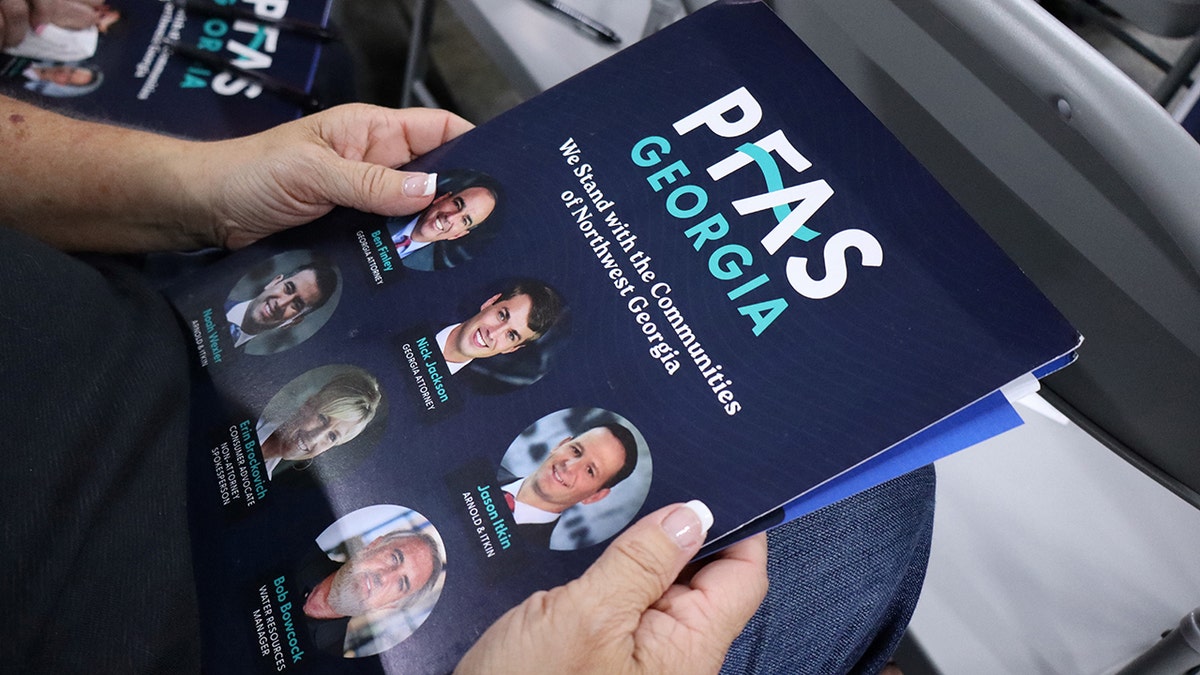
Woman holds PFAS informational folder in GA

A resident holds a pamphlet about PFAS contamination during a town hall meeting in Calhoun, Georgia, on June 13, 2025. PFAS are a group of human-made chemicals that repel heat, water, oil and stains. Developed in the 1940s, they’re still used in nonstick pans, firefighting foams and stain-proof carpets, yet are now linked to hormonal disruption, immune suppression and cancers. (ISSAM AHMED/AFP)

“We’re all being exposed to PFAS through our water and food – these chemicals are so widespread that they’re in all of us,” Dr. Anna Lindell, a researcher at the University of Cambridge’s MRC Toxicology Unit and first author of the study, said in a statement.

“PFAS were once considered safe, but it’s now clear that they’re not. It’s taken a long time for PFAS to become noticed because at low levels they’re not acutely toxic. But they’re like a slow poison,” she said. 

BEER DRINKERS BEWARE: SCIENTISTS FIND ‘FOREVER CHEMICALS’ EXCEEDING EPA LIMITS IN AMERICAN BREWS

Civil engineer tests for PFAS contamination in GA

Civil engineer and water quality expert Bob Bowcock collects samples to test for PFAS contamination from a property in Dalton, Georgia, on June 12, 2025. (ISSAM AHMED/AFP)

Patil and Lindell are now working to create probiotic supplements to increase the amount of the beneficial microbes in people’s guts to help protect against harms from PFAS.

Until then, researchers say people can help protect themselves from PFAS exposure by avoiding PFAS-coated cooking pans and by using a “good water filter.”

HEART DISEASE DEATH RISK RAISED BY COMMON HOUSEHOLD PRODUCTS, STUDY FINDS

Woman in GA holds up PFAS results

Amanda Hunt, 42, holds a sign revealing the results from PFAS testing at her home in Dalton, Northwest Georgia, on June 12, 2025. (ISSAM AHMED/AFP)

CLICK HERE TO GET THE FOX NEWS APP

“Given the scale of the problem of PFAS ‘forever chemicals’, particularly their effects on human health, it’s concerning that so little is being done about removing these from our bodies,” Patil said. 

Paralyzed man speaks and sings with AI brain-computer interface

0


NEWYou can now listen to Fox News articles!

When someone loses the ability to speak because of a neurological condition like ALS, the impact goes far beyond words. It touches every part of daily life, from sharing a joke with family to simply asking for help. Now, thanks to a team at the University of California, Davis, there’s a new brain-computer interface (BCI) system that’s opening up real-time, natural conversation for people who can’t speak. This technology isn’t just about converting thoughts into text. Instead, it translates the brain signals that would normally control the muscles used for speech, allowing users to “talk” and even “sing” through a computer, almost instantly.

Sign up for my FREE CyberGuy Report
Get my best tech tips, urgent security alerts, and exclusive deals delivered straight to your inbox. Plus, you’ll get instant access to my Ultimate Scam Survival Guide – free when you join my CYBERGUY.COM/NEWSLETTER.

There's a new brain-computer interface (BCI) system that's opening up real-time, natural conversation for people who can't speak.

There’s a new brain-computer interface (BCI) system that’s opening up real-time, natural conversation for people who can’t speak. (UC Davis)

Real-time speech through brain signals

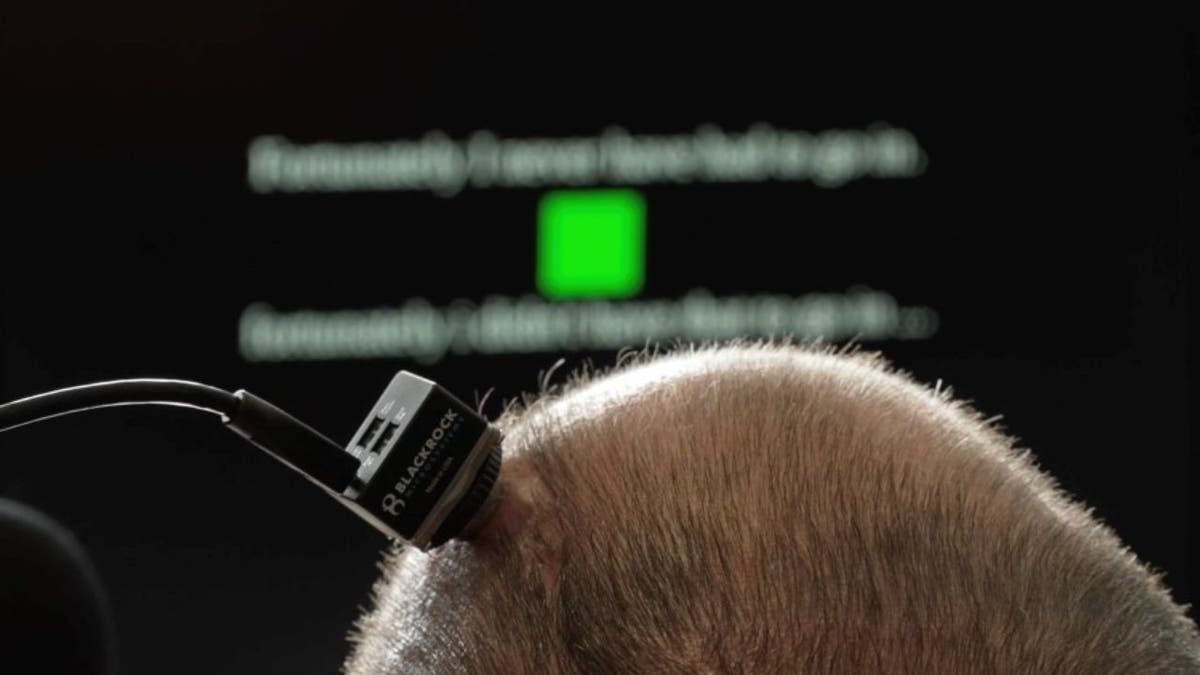
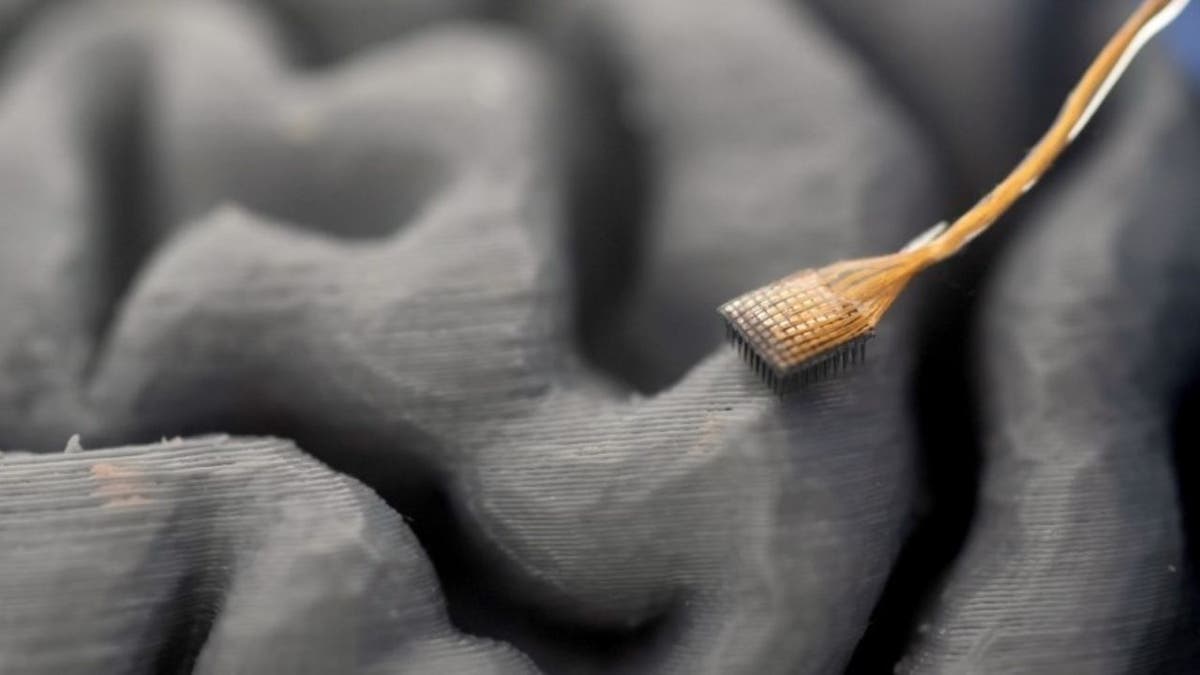
The heart of this system is four microelectrode arrays, surgically implanted in the part of the brain responsible for producing speech. These tiny devices pick up the neural activity that happens when someone tries to speak. The signals are then fed into an AI-powered decoding model, which converts them into audible speech in just ten milliseconds. That’s so fast, it feels as natural as a regular conversation.

What’s especially remarkable is that the system can recreate the user’s own voice, thanks to a voice cloning algorithm trained on recordings made before the onset of ALS. This means the person’s digital voice sounds like them, not a generic computer voice. The system even recognizes when the user is trying to sing and can change the pitch to match simple melodies. It can also pick up on vocal nuances, like asking a question, emphasizing a word, or making interjections such as “aah,” “ooh,” or “hmm.” All of this adds up to a much more expressive and human-sounding conversation than previous technologies could offer.

It translates the brain signals that would normally control the muscles used for speech, allowing users to "talk" and even "sing" through a computer, almost instantly.

It translates the brain signals that would normally control the muscles used for speech, allowing users to “talk” and even “sing” through a computer, almost instantly. (UC Davis)

How the technology works

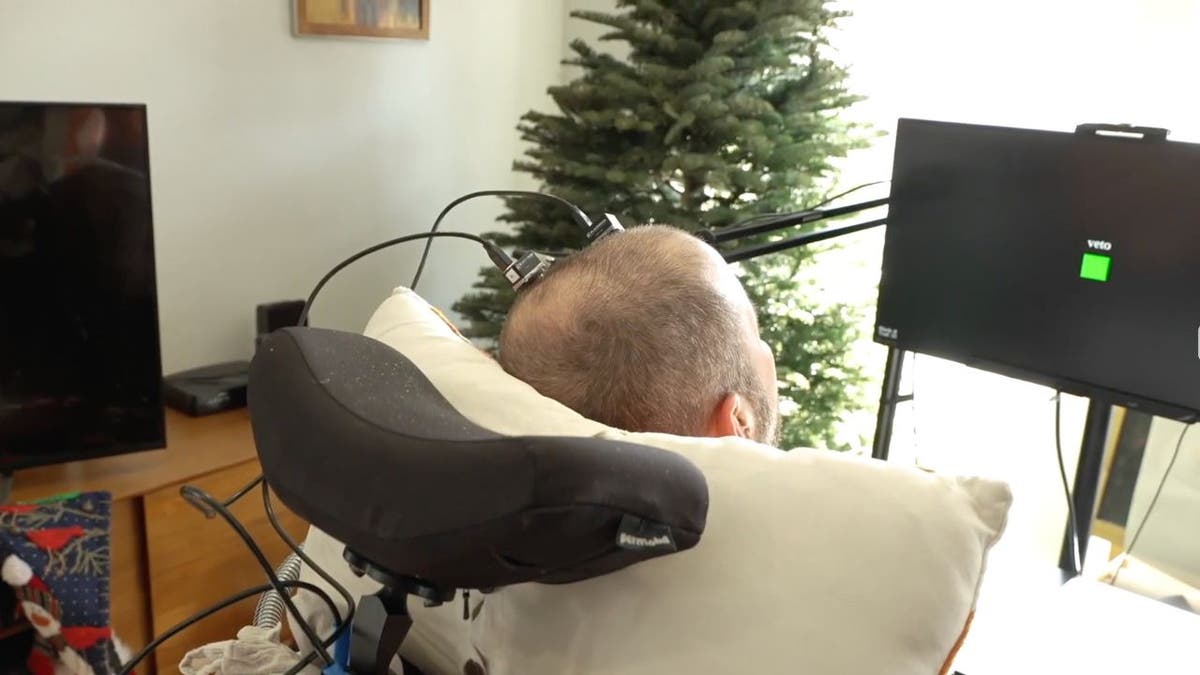
The process starts with the participant attempting to speak sentences shown on a screen. As they try to form each word, the electrodes capture the firing patterns of hundreds of neurons. The AI learns to map these patterns to specific sounds, reconstructing speech in real-time. This approach allows for subtle control over speech rhythm and tone, giving the user the ability to interrupt, emphasize, or ask questions just as anyone else would.

One of the most striking outcomes from the UC Davis study was that listeners could understand nearly 60 percent of the synthesized words, compared to just four percent without the BCI. The system also handled new, made-up words that weren’t part of its training data, showing its flexibility and adaptability.

The AI learns to map these patterns to specific sounds, reconstructing speech in real-time. 

The AI learns to map these patterns to specific sounds, reconstructing speech in real-time.  (UC Davis)

The impact on daily life

Being able to communicate in real-time, with one’s own voice and personality, is a game-changer for people living with paralysis. The UC Davis team points out that this technology allows users to be more included in conversations. They can interrupt, respond quickly, and express themselves with nuance. This is a big shift from earlier systems that only translated brain signals into text, which often led to slow, stilted exchanges that felt more like texting than talking.

As David Brandman, the neurosurgeon involved in the study, put it, our voice is a core part of our identity. Losing it is devastating, but this kind of technology offers real hope for restoring that essential part of who we are.

The UC Davis team points out that this technology allows users to be more included in conversations.

The UC Davis team points out that this technology allows users to be more included in conversations. (UC Davis)

Looking ahead: Next steps and challenges

While these early results are promising, the researchers are quick to point out that the technology is still in its early stages. So far, it’s only been tested with one participant, so more studies are needed to see how well it works for others, including people with different causes of speech loss, like stroke. The BrainGate2 clinical trial at UC Davis Health is continuing to enroll participants to further refine and test the system.

The technology is still in its early stages.

The technology is still in its early stages. (UC Davis)

Kurt’s key takeaways

Restoring natural, expressive speech to people who have lost their voices is one of the most meaningful advances in brain-computer interface technology. This new system from UC Davis shows that it’s possible to bring real-time, personal conversation back into the lives of those affected by paralysis. While there’s still work to be done, the progress so far is giving people a chance to reconnect with their loved ones and the world around them in a way that truly feels like their own.

As brain-computer interfaces become more advanced, where should we draw the line between enhancing lives and altering the essence of human interaction? Let us know by writing to us at Cyberguy.com/Contact.

Sign up for my FREE CyberGuy Report
Get my best tech tips, urgent security alerts, and exclusive deals delivered straight to your inbox. Plus, you’ll get instant access to my Ultimate Scam Survival Guide – free when you join my CYBERGUY.COM/NEWSLETTER.

Copyright 2025 CyberGuy.com. All rights reserved.



Source link

Dems pledge to fight ‘tooth and nail’ in SCOTUS campaign finance case

0

NEWYou can now listen to Fox News articles!

Senior Democratic Party officials vowed Monday to “fight tooth and nail” to keep in place federal campaign spending limits up for Supreme Court review this fall — describing the GOP-led effort to repeal the limits as unprecedented and dangerous ahead of the 2026 midterm elections.

The Supreme Court on Monday agreed to review the case, National Republican Senatorial Committee v. Federal Election Commission, taking up a challenge filed by the National Republican Senatorial Committee, the National Republican Congressional Committee, and on behalf of two Senate Republican candidates, including now-Vice President JD Vance, following the 2022 elections.

In a statement Monday, the Democratic campaign groups vowed to fight back against what they characterized as the GOP’s attempt to “sow chaos and fundamentally upend our campaign finance system, which would return us to the pre-Watergate era of campaign finance.”

SUPREME COURT TO HEAR REPUBLICAN CHALLENGE THAT COULD SHAKE UP US ELECTIONS

Newly elected DNC chair Ken Martin speaks at a DNC meeting in Maryland in Feb. 2025. DNC officials said Monday they will oppose GOP-led efforts to remove campaign finance restrictions in a case being reviewed by the Supreme Court this fall.  (AP Photo/Rod Lamkey, Jr.)

At issue are federal spending limits that restrict the amount of money political parties can spend on behalf of certain candidates — and which Republicans argue run afoul of free speech protections under the First Amendment of the Constitution.

A decision from the Supreme Court’s 6-3 conservative majority could have major implications on campaign spending in the U.S., further eroding the Federal Election Campaign Act of 1971, a law Congress passed more than 50 years ago with the aim of restricting the amount of money that can be spent on behalf of candidates.

That law, and subsequent amendments, restricts the amount of money that political parties can funnel into certain campaigns.

Senior Democratic Party officials described the GOP-led effort Monday as the latest effort by Republicans to claw back campaign spending limits and erode some 50 years of federal election law.

“Republicans know their grassroots support is drying up across the country, and they want to drown out the will of the voters,” DCCC chair Suzan DelBene, DSCC chair Kirsten Gillibrand, and DNC chair Ken Martin said in a joint statement Monday. 

Vice President JD Vance

Vice President JD Vance, speaks at the Conservative Political Action Conference, CPAC, at Gaylord National Resort & Convention Center, Thursday, Feb. 20, 2025, in Oxon Hill, Md.  (Manuel Balce Ceneta/AP Photo)

The case is almost certain to be one of the most high-profile cases heard by the Supreme Court this fall.

Adding to the drama is the involvement of the Trump-led Justice Department, which said in May that it planned to side with the NRSC in the case — putting the Trump administration in the somewhat unusual position of arguing against a law passed by Congress.

JUDGES V TRUMP: HERE ARE THE KEY COURT BATTLES HALTING THE WHITE HOUSE AGENDA

Supreme Court exterior during daytime

The Supreme Court ruled Texas’ pornography law was constitutional on Friday, June 27, 2025. (J. Scott Applewhite/AP Photo)

Justice Department officials cited free speech protections as its basis for siding with the NRSC, which they said represents “the rare case that warrants an exception to that general approach” of backing federal laws.” 

Meanwhile, the Democratic groups sought to go on offense with their message, describing the GOP efforts as the latest iteration of a decades-long effort to “rewrite” election laws in ways that benefit the party. They cited another Republican-led challenge to campaign spending limits brought more than 20 years ago, in Colorado Republican Federal Campaign Committee v. FEC. 

That challenge was ultimately rejected by the high court, DNC officials noted.

“To date, those efforts have failed at every turn, ensuring a stable, predictable campaign finance structure for party committees and political candidates across the country,” DNC officials said. 

JUDGES V TRUMP: HERE ARE THE KEY COURT BATTLES HALTING THE WHITE HOUSE AGENDA

Tesla CEO Elon Musk jumps on stage as he joins former US President and Republican presidential candidate Donald Trump during a campaign rally at site of his first assassination attempt in Butler

Tesla CEO Elon Musk jumps on stage as he joins former US President and Republican presidential candidate Donald Trump during a campaign rally at site of his first assassination attempt in Butler, Pennsylvania on Oct. 5, 2024.  (Jim Watson/AFP via Getty Images)

Meanwhile, Republican officials praised the Supreme Court’s decision to take up the case, which they described as helping the GOP ensure they are in “the strongest possible position” ahead of the 2026 midterms and beyond.”

CLICK HERE TO GET THE FOX NEWS APP 

“The government should not restrict a party committee’s support for its own candidates,” Sen. Tim Scott, R-S.C., and Rep. Richard Hudson, R-N.C. who chair the NRSC and NRCC, respectively, said Monday.

“These coordinated expenditure limits violate the First Amendment, and we appreciate the court’s decision to hear our case,” they added.

Joe Rogan claims most bread in US causes inflammation, as experts discuss

0

NEWYou can now listen to Fox News articles!

After Joe Rogan voiced his concerns about the bread offerings in America, experts are sharing their tips on choosing the healthiest varieties.

On a recent episode of “The Joe Rogan Experience,” the famed podcaster claimed that most of the breads in the U.S. are unhealthy and contribute to inflammation.

“A lot of inflammation comes from diet,” Rogan said. “Our bread is f***d — if you go overseas, and go eat bread in Italy, you won’t feel bad at all.”

BREAD WITH SPROUTED GRAINS OFFERS ‘ENHANCED NUTRITIONAL PROFILE,’ MAY BE HEALTHIER WAY TO ENJOY CARBS

The podcaster then shared an Instagram reel from holistic health influencer Dennis Echelbarger (Denny_Dure) claiming that bread can leave people feeling “bloated, brain-fogged and tired.”

Many point to gluten as the culprit, Echelbarger said in the video, but he claims it’s “just the scapegoat.”

On a recent episode of “The Joe Rogan Experience,” the famed podcaster shared his opinion that most of the breads in the U.S. are unhealthy and contribute to inflammation. (Screenshot/Joe Rogan Experience)

“The real issue is ultraprocessed, chemically altered, bleached, bromated, fake vitamin-filled wheat soaked in glyphosate,” he concluded.

Rogan added, “I know when I cut that stuff out of my diet, it made a giant difference.”

He noted that one exception is sourdough bread, which he said is “great for you.”

WHITE BREAD VS. WHOLE WHEAT BREAD: IS ONE ‘BETTER’ FOR YOU?

For those who do eat bread, Rogan said, “You have to get it from a place that has heirloom wheat.” 

(Heirloom wheat, also known as heritage wheat, refers to older varieties that have not been genetically modified and may have higher nutritional value.)

The ideal ingredient list

New Jersey-based dietitian Erin Palinski-Wade, author of “2-Day Diabetes Diet,” says it’s not necessary to completely avoid bread to improve your health, but pointed out that not all varieties are created equal.

“There’s a wide range of breads — from those that can negatively impact your health to options that offer potential health benefits,” she said in an interview with Fox News Digital.

“The first ingredient is what makes up the majority of the bread, so this should be a whole grain.”

Breads made from refined flours, such as white bread, can cause rapid spikes and crashes in blood sugar, increasing the risk of weight gain and type 2 diabetes over time, the dietitian warned. 

Instead, she recommends opting for whole-grain and high-fiber breads that break down more slowly, helping to stabilize blood sugar and improve long-term glycemic control.

When choosing a bread, it’s important to read labels carefully and assess the ingredient list, Palinski-Wade advised.

Man slicing bread

“A lot of inflammation comes from diet,” Rogan said. “Our bread is f***d — if you go overseas, and go eat bread in Italy, you won’t feel bad at all.” (iStock)

“The first ingredient is what makes up the majority of the bread, so this should be a whole grain,” she said. “From there, the shorter the ingredient list, the better.”

An ingredient list made up of whole grains, yeast and a bit of salt — as well as limited added sugars and preservatives — is ideal, according to the dietitian. “Some brands add seeds or legumes as well,” she added.

CONTROVERSIAL SEED OILS MAY OFFER UNEXPECTED HEALTH BENEFITS, NEW RESEARCH SHOWS

Among store-bought breads, one of Palinski-Wade’s top recommendations is Ezekiel bread, which includes sprouted whole grains and legumes, uses minimal processing and has limited added sugars and preservatives.

“Another easy-to-find option is the line of breads from Dave’s Killer Bread,” she shared. “Made with organic whole grains, this line of bread contains minimal preservatives, added sugars or refined grains.”

Overall, the dietitian said, it’s best to choose bread that contains mostly whole grains with little added sugars and preservatives, has a taste you enjoy, and works for your lifestyle.

Woman shopping for bread

An ingredient list made up of whole grains, yeast and a bit of salt — as well as limited added sugars and preservatives — is ideal, according to a dietitian. (iStock)

Julie Stefanski, RDN, a spokesperson for the Academy of Nutrition & Dietetics in Chicago, said that lumping all bread together as potentially harmful is a “big oversimplification.” 

“As Americans, we have access to an enormous number of food choices,” she told Fox News Digital. “When deciding what type of bread to purchase, a person should consider how often they choose it, how large a portion they consume and their own medical issues.”

CLICK HERE TO GET THE FOX NEWS APP

Those who eat bread frequently or in multiple servings may want to prioritize choosing a healthier, whole-grain option, she advised.

“When choosing bread with fewer preservatives and simpler ingredients, consumers need to be aware that the bread will not last as long, and may need to be frozen and toasted to eventually make use of an entire loaf,” Stefanski pointed out.

Is sourdough really better?

Sourdough bread has been shown to have a lower glycemic index (GI) than white bread, Stefanski noted, and thus can be easier to digest than other wheat breads.  

“A lower glycemic index (which measures how quickly any given food spikes a person’s glucose levels) means the bread digests and turns into blood sugar slightly slower than typical white bread,” she said. 

Sourdough bread

Sourdough bread has been shown to have a lower glycemic index (GI) than white bread, and thus can be easier to digest than other wheat breads.   (Brett Comer/Houston Chronicle via Getty Images)

“In the process of making sourdough bread, the bacteria and yeast in the starter for the bread partially breaks down the carbohydrates that are in the wheat.”

People who are typically sensitive to digesting the sugars in wheat may notice less bloating, gas and digestive issues when eating sourdough bread compared to other varieties, according to Stefanski.

Palinski-Wade agrees that sourdough bread is a good choice, but “not superior.”

“If you eat commercial white bread, the glucose in that starch is very, very quickly turned into glucose in the blood.”

“Whole-grain sourdough would be better than white sourdough, but sprouted grain breads would most likely be superior in antioxidants, fiber and nutrient composition,” she told Fox News Digital.

Making your own sourdough bread at home can be a healthy choice, Palinski-Wade added — but that isn’t always a feasible option for people who are short on time or traveling.

Avoiding the sugar spike

Dr. Jason Fung, a Toronto-based physician who is also an expert in intermittent fasting, agreed that bread’s effect on health hinges not only on its carbohydrate content, but also on how quickly the starches are absorbed into the bloodstream. 

“If you eat commercial white bread, the glucose in that starch is very, very quickly turned into glucose in the blood,” he reiterated to Fox News Digital.

Breakfast close-up with hands, bread and butter

“When choosing bread with fewer preservatives and simpler ingredients, consumers need to be aware that the bread will not last as long, and may need to be frozen and toasted to eventually make use of an entire loaf.” (iStock)

“This is because the flour is very refined — removing fiber, fats, proteins and bran, which all slow absorption — and is also very finely machine ground. This fine grind creates white flour, which is a dust that is quickly absorbed by intestinal cells.”

The texturizers and emulsifiers in commercial white breads — which are added to make them softer and easier to eat — also cause them to be more quickly digested and absorbed, Fung noted.

CLICK HERE TO SIGN UP FOR OUR HEALTH NEWSLETTER

“You can see the effect of this on the glycemic index, which measures how quickly bread spikes your glucose,” he said. 

The GI is a scale of 0 to 100, with 100 being the highest glucose spikes. White bread has a very high GI of 73, Fung said, while machine-ground whole wheat is not much better, at 70.

Glycemix index

The GI is a scale of 0 to 100, with 100 being the highest glucose spikes. White bread has a very high GI of 73, one expert said, while machine-ground whole wheat is not much better, at 70. (iStock)

To counteract this effect, Fung recommends choosing any of the following healthier options.

  • Stone-ground flour
  • Ezekiel bread (sprouting process lowers GI to about 36, with more fat and protein)
  • Sourdough bread (the acid slows down absorption)
  • Pumpernickel (course-ground rye flour and sourdough starter, with a GI of about 50)
  • Rye bread (rye flour is denser, chewier and slower to digest, with a GI of about 45-50)

“You can also slow down the absorption of glucose by eating bread with olive oil and also vinegar,” Fung advised.

For more Health articles, visit www.foxnews.com/health

Palinski-Wade agreed that it’s important to carefully choose what bread is paired with.

“Choosing breads with a low glycemic index and pairing them with foods rich in fat, protein or fiber can help minimize blood sugar spikes and support better glucose management,” she said.

Family executes sneaky airline seat hack that goes viral on Reddit as travelers weigh in

0

NEWYou can now listen to Fox News articles!

A mom flying with her family was able to “successfully” swindle an entire row of seats for her group as others weighed in on the move.

Posting in the “r/unitedairlines” forum on Reddit and using the title “Seat Shenanigans – advanced tactics,” a user revealed in real time how he saw the mom hack the system.

“I preboarded (10C). Row in front of me is completely open. [A] family of four comes on in group 2. They take 9A, C, D and F. Mom says to kids, ‘Don’t unpack yet,’” the post relayed. 

VICTIM OF ‘SEAT SWAP SHENANIGANS’ REVEALS HOW FELLOW FLYER ATTEMPTED TO TRICK HER

The user then said the “mom is anxiously refreshing the seating chart in the app. I’m thinking they are waiting for the upgrade to Polaris (as am I). I check the app, see that row 9 is showing completely empty.”

The user believed at first the family was given an upgrade — until he realized this was not about an upgrade.

In a viral post, a Reddit user revealed how a family (not pictured) strategically secured an entire empty row on a recent flight. (iStock)

“They’re watching the seating chart like hawks, hoping the seats don’t get booked, waiting for the door to close, because they wanted to take over an empty row,” the person wrote. 

“Door is closed, and we’re taxiing. The seats are theirs! Well played, mom,” said the user.

PASSENGER DEFENDS CONTROVERSIAL ‘GATE LICE’ BEHAVIOR AS AIRLINES CRACK DOWN ON EARLY BOARDING ATTEMPTS

Many Redditors took to the comments section to discuss the travel “win” and to weigh in on taking seats in this manner.

“I really think people should sit in the seats they paid for,” commented one user.

“There was no doubt what they were up to.”

Another user said, “The seat map is notoriously inaccurate, so that alone wouldn’t incline me to think shenanigans — but the mother’s behavior with telling the kids to not unpack yet and constantly refreshing her phone display is rather sus[picious],” the person wrote.

For more Lifestyle articles, visit foxnews.com/lifestyle

“They were all smiles and high-fives once we started taxiing,” the Reddit poster responded. “There was no doubt what they were up to.”

Wrote one user, “Some FA’s [flight attendants] will enforce the walk of shame.”

Little girl playing games on cell phone while traveling by plane with her mother. Focus is on little girl.

A mother (not pictured) on board a flight with her family monitored a seating chart in real time until the doors closed — then executed a controversial travel hack so that her group had an entire row to themselves. (iStock)

Another user shared, “I was on a half-empty plane once and the FA didn’t care where people [sat]. I asked if I could move to an empty row and she said, ‘Feel free to.’” 

Wrote another person, “I don’t see the issue here. They waited until doors were closed to capture the seats. They knew they could be moved. I think it’s fine.”

CLICK HERE TO SIGN UP FOR OUR LIFESTYLE NEWSLETTER

Another user shared, “Lately I have seen FAs call people out and make them pay. A guy went full ‘man child’ when they told him to pay for the exit row he invited himself to or go back.”

“You gotta admire their strategy. Not something I would do, but wow,” said another. 

Interior of a crowded airplane with blue seats showing passengers sat, pictured from behind

“I really think people should sit in the seats they paid for,” commented one user about the viral travel drama described online. (Getty / iStock)

Gary Leff, a Texas-based travel industry expert and author of the blog “View From the Wing,” told Fox News Digital that some airlines have changed their policies regarding switching seats when flights are not fully booked.

“You used to be able to take any open seat in your cabin once the doors closed,” he said. 

CLICK HERE TO GET THE FOX NEWS APP

“You might move closer to the front, grab an aisle seat or head for an empty row in the back so you could stretch out.”

Added Leff, “[Flyers] may not be able to get what they want from the airline when reserving seats, or the airline may want a fee for the seats they want and the passenger doesn’t want to pay — so they’ll try their luck on board.”

Cosmetic procedures grew in 2024, with focus on body contouring treatments

0

NEWYou can now listen to Fox News articles!

Americans continue to invest in their aesthetic health.

A new report from the American Society of Plastic Surgeons (ASPS) shows steady growth in cosmetic procedures last year, particularly in body contouring and minimally invasive treatments. 

The report’s data, detailed below, reveals where people are spending their money.

Cosmetic surgeries hold steady

Of the nearly 1.6 million cosmetic surgical procedures performed in 2024, liposuction and breast augmentation topped the list.

HAS KRIS JENNER FOUND THE FOUNTAIN OF YOUTH? EXPERTS WEIGH IN ON HER STUNNING TRANSFORMATION

  • Liposuction: 349,728 procedures
  • Breast augmentation: 306,196 procedures
  • Tummy tuck (abdominoplasty): 171,064 procedures
  • Breast lift: 153,616 procedures
  • Eyelid surgery (blepharoplasty): 120,755 procedures

Of the nearly 1.6 million cosmetic surgical procedures performed in 2024, liposuction and breast augmentation topped the list, according to ASPS data. (iStock)

Surgical procedures grew by 1% from 2023,” ASPS President Dr. Scott Hollenbeck, a general plastic surgeon based in Charlottesville, Virginia, shared in a press release, noting that body contouring procedures saw the highest increase. 

Thigh and buttock lifts were up 3%, while arm and neck lifts rose 2%. 

WEIGHT-LOSS SURGERY TRUMPS POPULAR OZEMPIC TREATMENT IN SHOCKING NEW COMPARISON

Surgeons believe this may reflect the rising use of GLP-1 weight-loss medications, like Ozempic and Wegovy, which can lead to sagging skin.

Minimally invasive treatments reign supreme

Minimally invasive procedures continue to dominate the aesthetic landscape, with over 28.5 million performed last year. The top five listed below led the pack.

  • Neuromodulator injections (e.g., Botox, Dysport): 9,883,711
  • Hyaluronic acid (HA) fillers: 5,331,426
  • Skin resurfacing (e.g., laser, chemical peels, microdermabrasion): 3,703,305
  • Skin treatments (e.g., laser hair/tattoo removal, IPL): 3,112,056
  • Lip augmentation with injectables: 1,449,565
Facial aesthetics surgery treatment, woman receiving plastic surgery

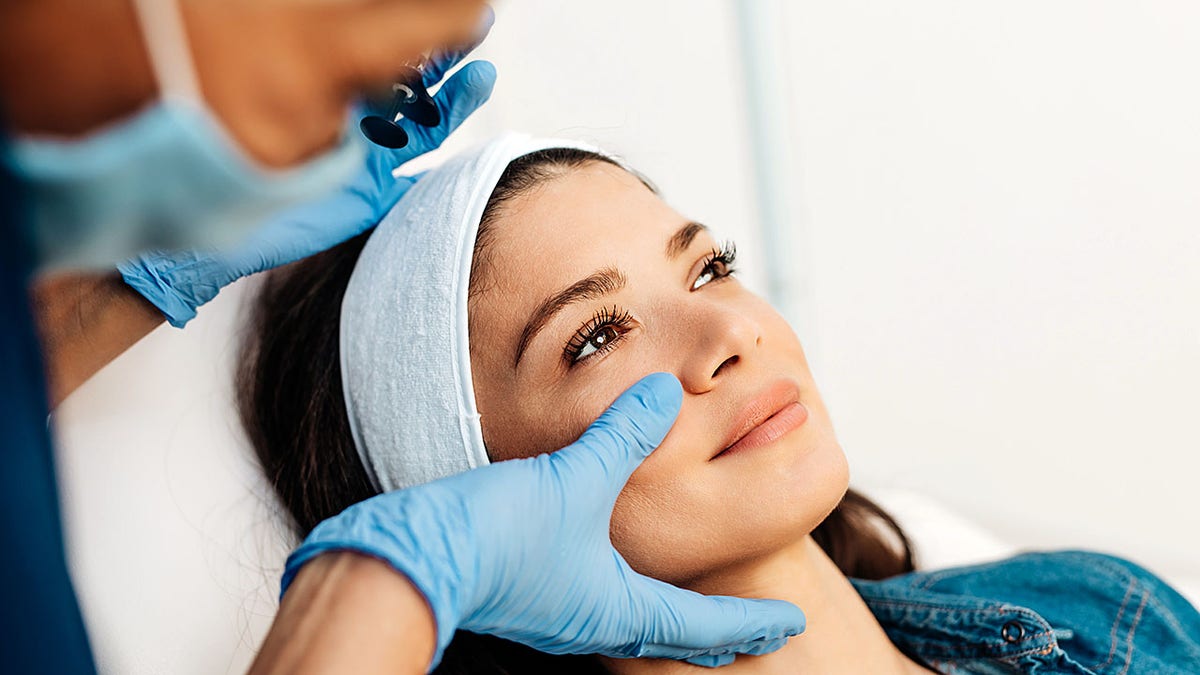
Minimally invasive procedures continue to dominate the aesthetic landscape, with over 28.5 million performed last year, per the ASPS. (iStock)

“These treatments remain strong due to their affordability and low downtime,” said ASPS member surgeon Dr. Kristy Hamilton, a general plastic surgeon based in Houston, Texas, in the release.

“Despite so-called ‘filler fatigue,’ HA fillers continue to top the list — when done naturally, they’re extremely effective,” she added.

The weight loss connection

For the first time, ASPS tracked the use of GLP-1 weight-loss medications, noting that over 837,000 prescriptions were written by ASPS surgeons in 2024. 

Of those patients, 20% had already undergone surgery, 39% were considering surgery and 41% were exploring non-surgical options, the report shared.

WEIGHT-LOSS DRUGS’ IMPACT ON CANCER RISK REVEALED IN NEW STUDY

These medications are helping patients reach a healthy weight before surgery,” Dr. Heather Faulkner, a cosmetic plastic surgeon based in Atlanta, Goergia, said in the release. 

“But they’re not substitutes — you must be near your goal weight before considering procedures like tummy tucks or lifts.”

What’s fueling the interest?

A number of factors could contribute to the high demand for cosmetic procedures, according to experts.

“Maybe it’s greater exposure through social media or a general decrease in taboos,” said Hollenbeck. “Either way, patients are prioritizing their aesthetic health.”

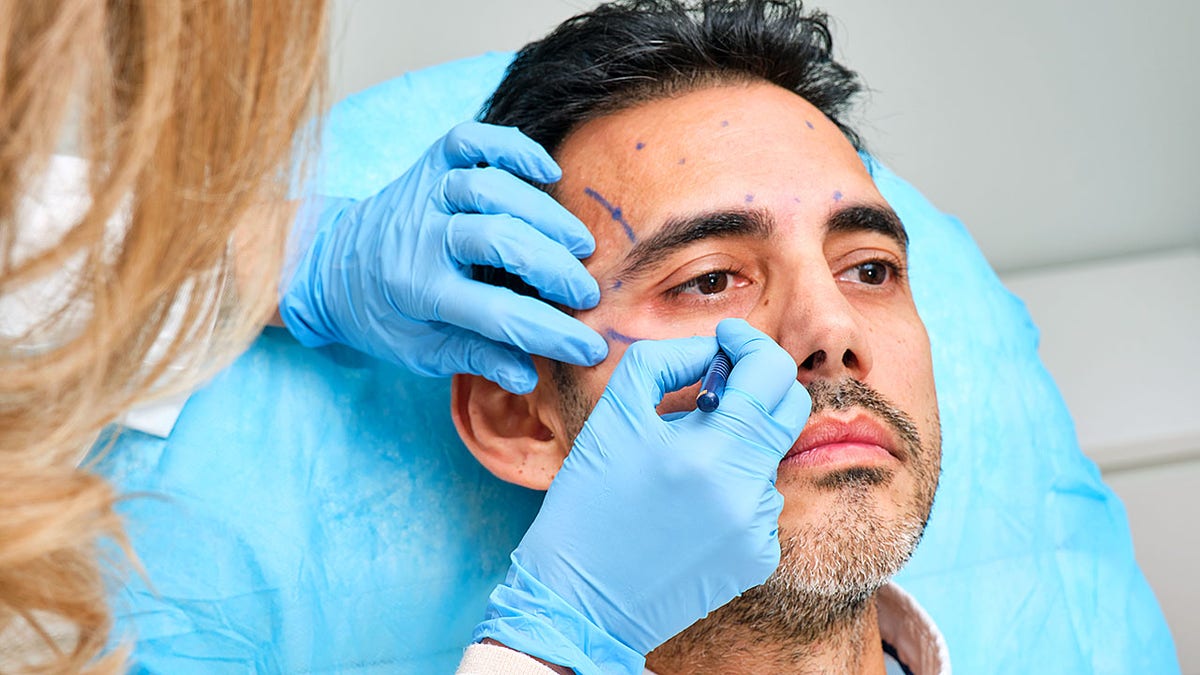
painting the face of a 45-year-old man for an aesthetic treatment with botulinum toxin

A number of factors could contribute to the high demand for cosmetic procedures, according to experts. (iStock)

Surgeons agree that aesthetic procedures go beyond vanity, suggesting they are about feeling strong, confident and healthy. 

Many also see them as part of a holistic self-care routine, alongside diet, fitness and mental well-being.

“Patients are prioritizing their aesthetic health.”

Social media is also helping to normalize aesthetic care, making procedures more accessible and less stigmatized, the report stated.

Patients now openly discuss their experiences and are seeking natural, subtle enhancements, not exaggerated results.

CLICK HERE TO GET THE FOX NEWS APP

“There’s a trend toward the ‘ballerina body,’” Dr. Michele Shermak, a general plastic surgeon based in Baltimore, Maryland, said in the report. 

“Smaller implants, lifted silhouettes — women want to look refined, not overdone.”

Reconstructive surgery on the rise

Cosmetic procedures weren’t the only area of growth. Over one million reconstructive surgeries were performed in 2024, including the most common ones listed below. 

CLICK HERE TO SIGN UP FOR OUR HEALTH NEWSLETTER

  • Tumor removal (including skin cancer): 361,798
  • Hand surgery: 208,480
  • Breast reconstruction: 162,579
  • Maxillofacial surgery: 54,747
  • Scar revision: 54,280
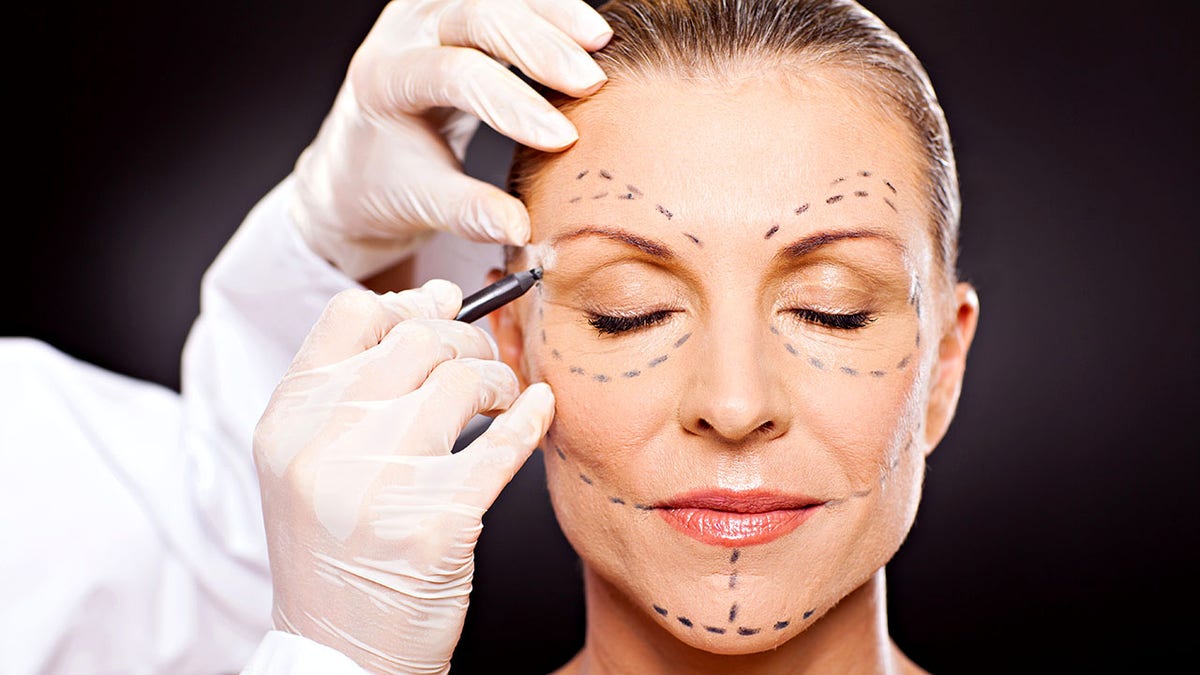
middle aged woman with correction marks preparing for plastic surgery

According to cosmetic surgeons, patients now openly discuss their experiences and are seeking natural, subtle enhancements, with extreme or exaggerated results fading out of fashion. (iStock)

“Plastic surgeons are also innovators in complex wound care,” said Dr. Sara Dickie, general plastic surgeon based in Morton Grove, Illinois, according to the report. 

“Whether it’s trauma, dog bites or tumor removal, our work goes beyond aesthetics.”

For more Health articles, visit foxnews.com/health

Safety over savings

While trends may come and go, ASPS emphasizes that safety should always come first, recommending that procedures are performed by board-certified plastic surgeons with the appropriate training and experience.

“Patients want to look and feel their best,” Hollenbeck added. “And when done right, aesthetic care can support mental and physical well-being in truly meaningful ways.”

Fisherman shatters North Carolina’s previous state record for Almaco Jack

0

NEWYou can now listen to Fox News articles!

An angler just broke a new fishing record in the Tarheel State.

Warren Poirier of Charles City, Virginia, caught a 56-pound, 4.8-ounce almaco jack in the state of North Carolina.

The North Carolina Department of Environmental Quality’s (NCDEQ) Division of Marine Fisheries recently certified the new record for the fish.

BRIGHT RED FISH CAUGHT BY MISSISSIPPI ANGLER WITH ELECTRIC REEL BREAKS NEW RECORD

Poirier was fishing at the “The Rocks” in the Outer Banks along with Captain James Bowman, according to an NCDEQ press release. 

The fish struck Poirier’s Zest brand jig as he was battling the amaco jack, also known as a seriola rivoliana, for 45 minutes.

A record-breaking 56-pound almaco jack has been caught in North Carolina waters by Warren Poirier, shown at left.  (NCDEQ, iStock)

Poirier also used his Shimano Trevala rod and Saltist 5000 reel with an 80-pound braid, the release noted.

CLICK HERE TO SIGN UP FOR OUR LIFESTYLE NEWSLETTER

The fish stretched 46 inches fork length, from the tip of the nose to the fork in the tail, with a 31-inch girth. 

North Carolina beach

A 56-pound almaco jack was caught off the Outer Banks, shown above.  (Visions of America/Joseph Sohm/UCG/Universal Images Group via Getty Images)

Almaco jacks have long bodies with a dusky color and light amber/olive stripes down their sides, according to National Oceanic and Atmospheric Administration (NOAA) Fisheries.

For more Lifestyle articles, visit foxnews.com/lifestyle

North Carolina’s previous almaco jack record was recorded in 2024 at 33 pounds and 12.6 ounces, according to the NCDEQ press release.

almaco jack fish

Almaco jacks can grow up to just over 5 feet long and weigh up to 136 pounds. (iStock)

Poirier weighed his fish at the Teach’s Lair Marina in Hatteras.

Almaco jacks can grow up to a little over 5 feet long and up to 136 pounds, according to NOAA Fisheries. 

CLICK HERE TO GET THE FOX NEWS APP

They can be found in the Atlantic, Gulf of America, Pacific Islands and occasionally Southern California.

Golf course proximity linked to higher Parkinson’s risk, says study as some question data

0

NEWYou can now listen to Fox News articles!

If living near a golf course seems scenic and relaxing, it may also be linked to a higher risk of Parkinson’s disease, according to a surprising new study that comes with some limitations.

Led by the Barrow Neurological Institute in Arizona, along with Mayo Clinic, the study found that the greatest risk was found among those who live within one to three miles of a golf course.

“The strongest effects were in municipal water service areas with a golf course and in regions with vulnerable groundwater based on the bedrock and topography,” lead study author Brittany Krzyzanowski, Ph.D., assistant professor at the Barrow Neurological Institute, told Fox News Digital.

EAR WAX COULD OFFER CLUES OF EARLY PARKINSON’S DISEASE, STUDY SUGGESTS

“These findings suggest that pesticides applied to golf courses may play a role in the incidence of PD [Parkinson’s disease] for nearby residents,” the researchers concluded in the study, which was published in JAMA Network Open.

The case-control study analyzed data from 419 Parkinson’s patients averaging 73 years of age and living near 139 golf courses in southern Minnesota and western Wisconsin.

A surprising new study has linked golf course proximity to a higher risk of Parkinson’s disease. The study has some limitations. (iStock)

They then made comparisons to control data from the Rochester Epidemiology Project from 1991 to 2015.

“We had accurate data on golf course locations, and we could accurately determine the source of an individual’s drinking water – whether that be municipal water or private well water,” Krzyzanowski noted.

Living within one mile of a golf course was associated with 126% increased odds of developing the neurological disease compared to living more than six miles away, the study found.

People living near water service areas with a golf course had nearly twice the risk of developing Parkinson’s, according to the new study.

People living near water service areas with a golf course had nearly twice the risk of developing Parkinson’s compared with individuals in water service areas without golf courses.

Those living in water service areas with a golf course in vulnerable groundwater regions had an 82% higher risk, according to the findings.

(Vulnerable groundwater is more susceptible to contamination from human activities and environmental factors.)

Golfer hitting golf shot with club on course while on summer vacation

Living within one mile of a golf course was associated with 126% increased odds of developing the neurological disease compared to living more than six miles away, a new study has found, though further research is needed. (iStock)

The associations remained even after the researchers adjusted for age and income, which suggests there could be something more than demographics driving the relationship between golf course proximity and risk of Parkinson’s disease, Krzyzanowski noted. 

“We speculate that pesticides might play a role; however, we didn’t include data on pesticides in this study, so future research is needed to better understand what’s going on,” she said.

PARKINSON’S PATIENTS WHO TAKE ‘MAGIC MUSHROOMS’ SEE KEY BENEFITS, STUDY FINDS

Dr. Mary Ann Picone, medical director of the MS Center at Holy Name Medical Center in Teaneck, New Jersey, was not involved in the study but shared her opinion of the findings.

“There has often been discussion regarding risks for development of Parkinson’s disease and environmental agents such as pesticides,” she told Fox News Digital. 

“Further research is needed with larger groups of patients, but this study does increase the concern about the association between pesticide exposure and risk of Parkinson’s, especially within a one- to three-mile radius and groundwater and well vulnerability.”

Airborne exposure to the pesticides was also a factor, she added.  

Potential limitations

The main limitation of the study is that it is not possible to quantify the amount of exposure each person receives, according to Dr. Rodolfo Savica, Mayo Clinic neurologist and senior author of the study.

“Unfortunately, there are many other aspects as well that can interfere with developing a disease,” he told Fox News Digital. 

Parkinson's disease to skyrocket due to population increase

“There has often been discussion regarding risks for development of Parkinson’s disease and environmental agents such as pesticides,” a doctor told Fox News Digital.  (iStock)

“Despite that, we are trying our best to contemplate and adjust for any possible additional information, but sometimes that is not possible.”

The study was limited to a region with hot and humid summers, specifically southern Minnesota and western Wisconsin, where golf courses may have applied pesticides with more frequency compared to other geographic regions. 

“Therefore, our results might not generalize to other areas,” the study lead noted.

Other relevant Parkinson’s risk factors, such as head trauma history and genetic predisposition, were not accounted for, Picone noted.

CLICK HERE TO SIGN UP FOR OUR HEALTH NEWSLETTER

Krzyzanowski also pointed out that Parkinson’s disease develops many decades after exposure, so the study aimed to estimate exposure from long ago. 

“If pesticides were involved, they would be the ones sprayed a long time ago and that might be different from what’s being sprayed today,” she said.

“The study’s methodological limitations make it difficult to draw conclusions from the data.”

Picone agreed that because this study looked back to 2013, it is possible that different pesticides used before 2013 were not tracked.  

“However, this study does provide evidence for an association between living on a golf course and pesticide groundwater exposure and risk of Parkinson’s development, and does raise concern and the need for larger population sample research,” she shared with Fox News Digital.

Couple golfing

Older adults continue to stay active, which is crucial for their well-being, noted the senior study author. (iStock)

Krzyzanowski added that because this was an observational study, the researchers couldn’t make causal conclusions about the results.

“If you’re worried about exposure of any kind, you should consult with your doctor,” she advised.

Industry spokespeople respond

A spokesperson from the Golf Course Superintendents Association of America, headquartered in Lawrence, Kansas, provided a statement to Fox News Digital in response to the study.

“Public health experts and researchers who have reviewed the study have noted that the study’s methodological limitations make it difficult to draw conclusions from the data. As noted by the authors of the study, the role of pesticide exposure from golf courses in Parkinson’s disease risk remains unclear. Without the methodological gaps being filled, the hypothesis linking golf-course pesticide exposure to Parkinson’s Disease remains speculative.”

“Pesticides registered by the EPA do not … create unreasonable adverse effects to human health and the environment when used according to label directions.”

The spokesperson noted that the U.S. Environmental Protection Agency (EPA) rigorously tests and registers the pesticides that the golf industry uses to maintain healthy golf course turf. 

“Pesticides registered by the EPA do not, according to the top researchers in their field, create unreasonable adverse effects to human health and the environment when used according to label directions,” the spokesperson continued.

For more Health articles, visit www.foxnews.com/health

“Golf course superintendents are leading practitioners of integrated pest management, a philosophy that reduces the potential environmental risks of pesticide usage.”

Mayo Clinic’s Savica recommended that older adults continue to stay active, which is crucial for their well-being. 

CLICK HERE TO GET THE FOX NEWS APP

“I recommend people continue to play sports outdoors and enjoy the sociality of any activity, including playing golf,” he said. 

“On the other hand, I would recommend that people be very careful and avoid exposure to places where we know there can be an interaction between pesticides and contaminants.”