Brazilian fintech unicorn Meliuz said on March 6 that it has begun purchasing Bitcoin as part of a new treasury management strategy, joining a growing trend of traditional finance companies holding cryptocurrency assets.
Meliuz, which provides cashback and financial technology services, announced its entry into the cryptocurrency market with its board of directors approving the accumulation of up to 10% of the company’s cash in Bitcoin (BTC), local news agency Visno Invest reported.
According to the report, Meliuz has already completed its first Bitcoin acquisition, purchasing 45.72 Bitcoin for about $4.1 million at an average price of $90,296 per BTC.
The report said that with its Bitcoin treasury strategy, Meliuz is seeking long-term returns on the asset.
Meliuz embraces Bitcoin treasury strategy
According to Visno, Meliuz also announced the creation of the Bitcoin Strategic Committee, which will conduct analysis to expand the strategy and be responsible for purchasing operations and related guidelines.
Additionally, the executive board will reportedly conduct a detailed analysis on whether to expand the Bitcoin strategy, including the possibility of adopting Bitcoin as the main strategic asset of the company’s treasury.
“The company’s management believes that the treasury strategy focused on the Bitcoin reserve has significant potential for maximizing value for the company and its shareholders,” Meliuz reportedly said.
This is a developing story, and further information will be added as it becomes available.
Are you ready to step into your dream home or office, feeling every dimension as if it were already built?
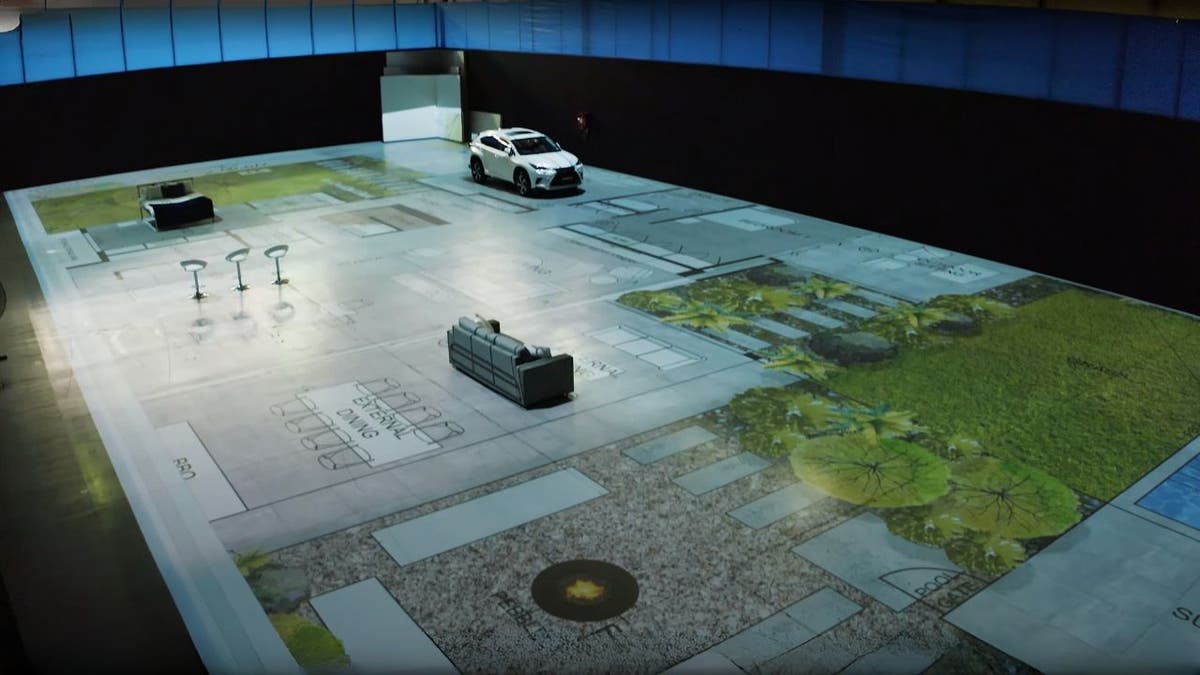
With some pretty cool tech, you can do just that by walking through your future space at its actual size and experimenting with layouts and furniture in real time.
This isn’t just about visualizing your space; it’s about avoiding costly surprises down the line and making sure your final product is exactly what you envisioned. By experiencing your plans in a life-like setting, you can refine your vision, ensuring your project stays on budget and matches your dreams.
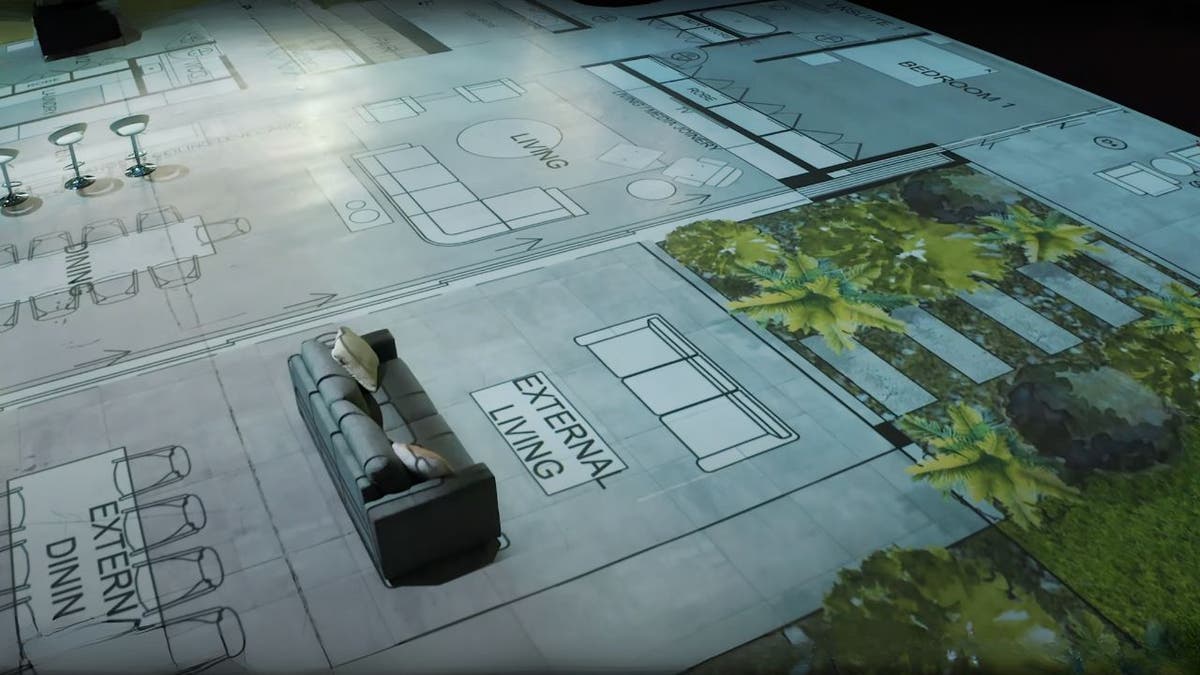
Immersive walk-through of a future home(Lifesize Plans)
How to experience your space before it’s built
Imagine walking through your future home or commercial space, corner to corner, at actual size. Lifesize Plans makes this possible with its immersive walk-throughs, giving you a level of clarity and confidence in your design decisions. What’s really cool is that you will have the opportunity to experiment with layouts in real time using moveable furniture and walls, ensuring that every detail is exactly as you envisioned.
An expert building consultant will accompany you throughout the walk-through, providing valuable insights and guidance to refine your vision. The comprehensive visualization includes specialized features like pools and outdoor spaces, as well as ensuring your garage is perfectly suited for your needs, even down to charging stations for electric vehicles.
Lifesize Plans leverages cutting-edge technology to bring architectural designs to life. Here’s how they achieve their immersive experience.
Projection technology: Lifesize Plans uses advanced projection systems, creating vivid and clear images across large spaces.
Multiple projector setup: The showroom typically features 11 projectors working in tandem to cover expansive areas. This setup allows for seamless projection across 60,000-square-foot showrooms with approximately 20-foot-high ceilings.
Geometry Manager Pro software: This specialized software from Panasonic enables precise adjustment of multiple projections. It allows for edge blending of up to 100 images, color matching and digital image enlargement with up to 10x zoom capability.
Smart projector control: A mobile application allows remote management of the projectors, including automatic lens focus, input switching and projection status monitoring.
3D modeling: The process begins with converting 2D architectural plans into detailed 3D models. These models serve as the basis for the immersive walk-through experience.
Virtual reality integration: While the primary experience is projection-based, some companies in this space also offer VR headset options for an even more immersive individual experience.
Real-time modifications: The technology allows for real-time adjustments to designs, enabling clients and designers to make immediate changes and visualize the results.
By combining these technologies, Lifesize Plans creates a unique, immersive experience that allows clients to walk through and interact with their future spaces at a 1:1 scale, revolutionizing the design and construction planning process. Lifesize Plans is set to open locations across the U.S. over the next five years.
By using Lifesize Plans, you can avoid costly mid-construction changes that often lead to budget blowouts. On average, these changes can cost around $35,000, but with Lifesize Plans, you can sidestep these expenses and stay on budget. Additionally, you’ll join the 98% of clients who refine their vision after experiencing their plans in a lifelike setting, ensuring that your final product matches your dreams.
In an industry where 90% of new builders face regrets, Lifesize Plans offers a “test-drive” for your build. This means you can experience every dimension of your home or commercial space before construction begins, eliminating the potential for builder’s remorse. By gaining clarity before construction, you can enjoy peace of mind and a regret-free future.
Barry Johnston, director of HEVN Creative, the technology and global licensing partner of Lifesize Plans, tells CyberGuy that HEVN has “conducted an environmental impact study. By combining LSP with digital engineering and our core technologies, we can reduce the waste and mitigation costs of a project from 30% of total cost to 1%. This has a huge impact on carbon footprint, material costs, insurance and delivery timelines.”
So, what does all this mean for you? Essentially, Lifesize Plans offers a way to ensure your dream home or office turns out exactly as you imagined it. By stepping into a lifelike version of your space before construction starts, you can avoid those costly surprises and regrets that often come with building or renovating. It’s like test-driving your future home or office before it gets built.
Would you use immersive walk-throughs to design your dream home? Share your thoughts on whether this technology excites you or if you have any reservations about trying it by writing us atCyberguy.com/Contact.
For more of my tech tips and security alerts, subscribe to my free CyberGuy Report Newsletter by heading to Cyberguy.com/Newsletter.
Kurt “CyberGuy” Knutsson is an award-winning tech journalist who has a deep love of technology, gear and gadgets that make life better with his contributions for Fox News & FOX Business beginning mornings on “FOX & Friends.” Got a tech question? Get Kurt’s free CyberGuy Newsletter, share your voice, a story idea or comment at CyberGuy.com.
A pair of posts by President Donald Trump about his plans for a US crypto reserve “triggered a marketwide rebound” in cryptocurrencies on March 2, with global market capitalization increasing nearly 7% to $3.04 trillion, Cointelegraph reported.
Still, on closer examination, a crypto strategic reserve — presumably along the lines of the US Strategic Petroleum Reserve, created in the 1970s after the Arab oil embargo — raises as many questions as it answers.
There was controversy, if not confusion, about what sorts of crypto would comprise the “reserve,” as well as whether the US would purchase crypto for the reserve, as opposed to simply adding to its stock of confiscated crypto when law enforcement makes seizures.
The order of Trump’s two posts on the Truth Social platform also drew scrutiny. Interestingly, the first post mentioned only the projected reserve’s three smallest tokens by market capitalization: XRP (XRP), Solana (SOL) and Cardano (ADA).
A few minutes later, almost as an afterthought, the president posted again, this time referencing the two largest cryptocurrencies: Bitcoin (BTC) and Ether (ETH).
Fairly or unfairly, some critics noted that the president’s own memecoin had been launched on Solana, so that platform might have been more front-of-mind.
Others in the crypto community were surprised at the inclusion of altcoins. Some assumed that the US might one day have a Bitcoin strategic reserve because BTC was the oldest, safest, most widely owned and best-capitalized cryptocurrency. But a reserve with altcoins, too?
“An unforced error”
“This decision on a wide-ranging crypto strategic reserve is an unforced error that will be regretted in the future,” Anthony Pompliano, founder and CEO at Professional Capital Management, wrote on March 3. “We seem to be getting a random smattering of speculative tools that will enrich the insiders and creators of these coins at the expense of the US taxpayer.”
Crypto tokens like ETH, SOL, XRP, and ADA simply don’t fit the “reserve” framework, Pompliano added. They are more like technology stocks than the hard money or natural commodities that typically populate strategic reserves (Canada has a strategic reserve of maple syrup, a less-common commodity, admittedly.)
“Skeptics say the most obvious winner is Trump himself, who has rolled out a crypto venture of his own that carries millions of dollars in tokens set to be included in the reserve,” The New York Times noted, adding that Ripple, “whose XRP token is one of the five that Trump said would be included…donated $45 million to an industry-wide PAC that sought to help elect Trump and other Republicans.”
Others suggested, however, that these altcoins better reflect the direction blockchain-based currencies are heading. Cardano, for example, is “more energy efficient, cost-efficient, deterministic, decentralized, scalable and able to handle programmability today” than Bitcoin, noted one reader who objected to the direction of Pompliano’s letter.
Altcoins: a “double-edged sword”
Yu Xiong, a professor and director of the Surrey Academy for Blockchain and Metaverse Applications at the Surrey Business School, University of Surrey, called the inclusion of altcoins in a state-backed reserve a “double-edged sword” with pros and cons.
A multi-asset reserve offers more diversification and less reliance on Bitcoin, which today accounts for about half of crypto’s total market value, he told Cointelegraph, further explaining:
“Ethereum’s DeFi ecosystem [~$50 billion total value locked] and Solana’s high-speed transactions [65,000 TPS] represent technological diversity.”
The inclusion of altcoins also recognizes blockchain’s broader use cases. Ukraine raised $135 million in crypto donations via ETH, SOL and other coins after it was invaded by Russia in 2022, he added.
But there are potential downsides, too, including regulatory uncertainty. The SEC still has an ongoing lawsuit against Ripple, for instance. “A government holding these tokens could face backlash,” said Xiong.
Liquidity risks are another concern. Given how thinly these coins are traded, government purchases or sales could send crypto prices soaring or crashing.
BTC has a larger trading volume than the other coins, of course. In a recent 24-hour period, Bitcoin’s volume across all platforms stood at $54.8 billion, compared with ETH’s $23.4 billion, XRP’s $5.5 billion, SOL’s $5.4 billion and ADA’s $3.6 billion — which may indicate a “lack of depth for large scale reserves” among some of the altcoins, Xiong said.
This, in turn, could raise market manipulation fears. “The US Treasury’s 2014 sale of 30,000 Silk Road BTC caused minimal disruption, but today, selling 3% of Bitcoin’s supply (~$5.5 billion) could crash prices by 15%,” Xiong told Cointelegraph, citing CoinGlass models.
Would it benefit the crypto sector?
There is little doubt that a US Crypto Reserve would provide a shot in the arm to the crypto and blockchain industry. It would signal institutional acceptance, accelerating adoption by traditional financial firms, similar to when BlackRock launched its Bitcoin ETF, which attracted $18 billion in assets under management within six months, noted Xiong.
It could also help to stabilize the market. In times of extreme volatility, government reserves can act as a buffer, as the US Strategic Petroleum Reserve (SPR) demonstrated in 2022 when then-President Joe Biden ordered the release of 180 million barrels of crude oil from the SPR to stabilize world energy prices. Oil prices had soared after Russia’s invasion of Ukraine.
As Xiong told Cointelegraph:
“A US reserve might mirror the strategic oil reserve’s role in energy security, positioning crypto as a geopolitical tool.”
But there are risks attached to state-backed strategic reserves. Crypto markets, in particular, remain fragile, Xiong continued. Bitcoin’s 30-day annualized volatility, which often exceeded 100% prior to 2022, has bounced between 30% and 60% in the past year, while crude oil volatility has been below 35%. Higher volatility raises concerns about manipulation or unintended market distortions, notes Xiong.
Outside the cryptoverse, there are also questions about equity and price stability. How would the government hedge against crypto’s volatility, asked The New York Times. Moreover, “the prospect of taxpayer money being used for a speculative investment has drawn real concern.”
“This would certainly be great for current Bitcoin holders and equally certainly be a bad deal for taxpayers,” Eswar Prasad, an economist at Cornell University, told the Times.
Asked if a US Crypto Reserve might be a game changer for the crypto and blockchain industry, Xiong told Cointelegraph that its importance was symbolic but also “strategically significant.”
A US crypto reserve could offer “cover” to institutional investors, like pension funds, for example, that may be sitting on the fence when investing in cryptocurrencies.
If it’s OK for the US government, maybe it’s also suitable for corporate treasuries and institutional investors, runs the thinking. “Pension funds and insurers — managing $50 trillion globally — might increase crypto allocations,” said Xiong, much as was seen after the Bitcoin ETF approvals in early 2024.
Asked to summarize the impact on the crypto industry from these more recent strategic reserve proposals, Xiong answered: “Short-term optimism, long-term caution.”
The decentralized finance (DeFi) platform linked to US President Donald Trump significantly increased its Ether holdings over the past week as the cryptocurrency’s price briefly dipped below $2,000.
Trump’s World Liberty Financial (WLFI) DeFi platform has tripled its Ether (ETH) holdings over the past seven days as ETH fell below the $2,000 psychological mark, reversing from $1,991 on March 4, Cointelegraph Markets Pro data shows.
ETH/USD, 1-month chart. Source: Cointelegraph
Data provided by Arkham Intelligence shows WLFI now holds about $10 million more in Ether than a week earlier. Its latest acquisitions also include an additional $10 million in Wrapped Bitcoin (WBTC) and $1.5 million in Movement Network (MOVE) tokens.
Source: Arkham Intelligence
Trump’s DeFi platform is currently sitting on a total unrealized loss of over $89 million across the nine tokens it invested in, Lookonchain data shows.
The dip buying came during a period of heightened market volatility and investor concerns, driven by both macroeconomic concerns and crypto-specific events, including the $1.4 billion Bybit hack on Feb. 21, the largest exploit in crypto history.
The recent dip also resulted in a “broader flight toward safety in crypto markets,” prompting investors to seek safer assets with more predictable yields, such as tokenized real-world assets (RWA), according to a Binance Research report shared with Cointelegraph.
Trump’s WLFI launches “Macro Strategy” fund for Bitcoin, Ether, altcoins
WLFI’s latest digital asset investments occurred nearly a month after the platform unveiled the “Macro Strategy” fund for Bitcoin (BTC), Ether and other cryptocurrencies “at the forefront of reshaping global finance.”
According to a Feb. 11 announcement, the fund aims to strengthen those projects and expand their roles in the evolving financial ecosystem:
“Together, we are building a legacy that bridges the worlds of traditional and decentralized finance, setting new standards for the industry.”
The fund aims to “enhance stability” by diversifying the platform’s holdings across a “spectrum of tokenized assets” to ensure a “resilient financial system” and to invest in “emerging opportunities within the DeFi landscape.”
The announcement came three weeks after widespread speculation about the Trump family launching a “giant” business on Ethereum, according to Joseph Lubin, co-founder of Ethereum and founder of Consensys.
“Based on what I am aware of, the Trump family will build one or more giant businesses on Ethereum,” Lubin wrote. “The Trump administration will do what is good for the USA, and that will involve ETH.”
Lubin suggested that the Trump administration might eventually integrate Ethereum technology into government activities, similar to its current use of internet protocols.
Ether is currently the largest holding of WLFI, followed by $14.9 million worth of WBTC and $13.2 million worth of the USDT (USDT) stablecoin.
As measles cases continue to emerge in several U.S. states, treatment and prevention is top of mind.
As most infected individuals have been unvaccinated, school-aged children, U.S. health agencies have stressed the importance of receiving two doses of the measles, mumps and rubella (MMR) vaccine to prevent the disease.
In a recent Fox News Digital op-ed, HHS secretary RFK Jr. shared his “deep concern” about the measles outbreak and its rapid escalation.
RFK noted that while there is no approved antiviral for measles, the Centers for Disease Control and Prevention released a statement last week supporting the administration of vitamin A under physician supervision as supportive care.
Previous research published in the International Journal of Epidemiology has shown that vitamin A, in conjunction with the measles vaccine, can be an effective intervention in preventing measles mortality in children.
RFK reiterated the importance of maintaining good nutrition and consuming various vitamins — like A, B12, C, D and E — as the “best defense against” chronic and infectious illness.
“Vitamin A can be helpful as part of a broader treatment protocol, especially in areas where children are deficient.”
While studies have suggested that vitamin A can help fight a measles infection, Neil Maniar, PhD, MPH, professor of public health practice at Northeastern University in Boston, reiterated that it does not prevent the disease.
“The two-dose MMR vaccine is our safest and most effective tool to prevent this highly contagious illness,” he told Fox News Digital.
The CDC recommends daily doses of vitamin A at 50,000 IU for infants younger than 6 months of age, 100,000 IU for infants 6 to 11 months of age, and 200,000 IU for children 12 months of age and older.(iStock)
“Vitamin A can be helpful as part of a broader treatment protocol, especially in areas where children are deficient.”
Vitamin A can reduce the severity of measles symptoms, as well as the likelihood of mortality from the disease in individuals who are vitamin A-deficient, the expert noted.
“For children who are diagnosed with both measles and vitamin A deficiency, receiving age-appropriate doses of vitamin A may reduce the likelihood of progression to severe illness or death,” he added.
The expert warned that vitamin A can be harmful in high doses, so it’s “critical that vitamin A is not viewed as the primary course of treatment for all measles cases.”
Experts stressed that vitamin A is not an alternative to the MMR vaccine and will not prevent measles.(iStock)
Dr. Daniel Kuritzkes, chief of the Division of Infectious Diseases at Brigham and Women’s Hospital in Boston, stated that vitamin A deficiency is common in developing countries, coinciding with an increased measles mortality in those areas.
During an interview with Fox News Digital, Kuritzkes referenced research from the Harvard-Chan School of Public Health in 1993, which “favored a benefit” of vitamin A supplementation in the reduction of measles mortality for children in “resource-limited settings” or developing nations.
Saahir Khan, MD, infectious disease expert with Keck Medicine of USC in Los Angeles, agreed that vitamin A is not a direct treatment for measles.
“Rather, children who have vitamin A deficiency, as occurs primarily in resource-limited settings like sub-Saharan Africa, have been shown to have more severe disease manifestations from measles and can benefit from vitamin A supplementation to correct their underlying deficiency,” he echoed to Fox News Digital.
“Vitamin A supplementation has not been shown to prevent measles infection and is in no way a substitute for vaccination, which has a proven benefit in preventing measles,” one doctor noted.(iStock)
“Studies have not shown a clear, consistent benefit to vitamin A supplementation among patients in resource-rich settings like the United States who do not have underlying vitamin A deficiency.”
Although vitamin A is “unlikely to harm the patient” in appropriate doses, Khan shared that controlled studies “do not support this practice.”
The CDC recommends vitamin A supplementation only under the guidance of a healthcare professional, which Kuritzkes said is “critically important” to ensure that the correct dose is administered.
“Inappropriate dosing can result in toxicity and a condition known as hypervitaminosi, a health problem caused by too much vitamin A,” he cautioned.
Vitamin A can be harmful in high doses and can lead to a condition called hypervitaminosis, a doctor cautioned.(iStock)
“Thus, people should not be administering generic vitamin A supplements purchased at a pharmacy or health food store to their children.”
Maniar, Kuritzkes and Khan all emphasized that vitamin A is not a vaccination alternative, as the MMR vaccine is the “most powerful tool” in preventing and controlling outbreaks.
“It is vital that we work in partnership with communities to educate individuals and families about the importance of the MMR vaccine and ensure that this vaccine is available to all who need it,” Maniar added.
Angelica Stabile is a lifestyle reporter for Fox News Digital.
The cryptocurrency market rebounded after a sell-off that drove its overall valuation to the lowest since November 2024.
As of March 6, the global crypto market capitalization had reached $3.10 trillion, rising 5% over the last 24 hours. Top coins, Bitcoin (BTC) and Ether (ETH) led the intraday rally with 5.6% daily gains each.
Let’s look at the top catalysts driving the crypto market rebound today.
Bitcoin leads rebound amid Trump’s auto tariffs delay
Today’s crypto market’s recovery aligns closely with similar rebounds in the US stock market, as Donald Trump’s tariff delay eased investor worries, with Bitcoin leading the market higher.
What to know:
On March 5, US President Donald Trump temporarily paused the proposed 25% tariffs on auto imports from Canada and Mexico.
Initially confirmed earlier this week, these tariffs had sparked fears of a trade war, rattling global financial markets and dragging down risk assets like cryptocurrencies.
Bitcoin, for instance, dipped below $90,000 on March 3 amid this uncertainty.
However, following negotiations with Canadian Prime Minister Justin Trudeau and Mexican President Claudia Sheinbaum, Trump agreed to a 30-day delay, easing tensions.
Analysts suggest that averting immediate trade disruptions has reduced macroeconomic pressure, allowing crypto—a sector sensitive to such shifts—to recover and rally.
Risk-on sentiment boosts crypto market
The ongoing crypto rally mirrors the strength witnessed in US equities.
The broad-market S&P 500 and the tech-focused Nasdaq also rose by 1.5% and 1.2%, respectively, during the late New York trading session on March 5.
Crypto-related stocks also climbed higher, with crypto exchange Coinbase (COIN) rising by 4.5% and Strategy (MSTR) gaining nearly 12%.
24-hour performance of US equities Source: Financial Visualizations
The US dollar index (DXY) is at its weakest level since early November and is down more than 5.5% lower from its Jan. 13 peak of 110.17.
Fed rate expectations are shifting back to pricing more rate cuts in 2025, with market participants betting on 52% chances of a 25 basis point rate cut in June.
Fed target rate probabilities for Nov. 7 FOMC meeting. Source: CME Group
“Looking at the trend, sentiment appears to be shifting towards more easing, possibly driven by economic data, inflation trends, and Fed commentary, market commentator Walter Bloomberg said in a March 5 post on X.
“The market initially priced in fewer cuts but has now surged higher—will the Fed follow through?”
From a technical perspective, today’s crypto market’s gains are part of a rebound that started at a support confluence comprising the psychological level at $2.80 trillion and the 200-day simple moving average (SMA).
TOTAL crypto market cap. Source: Cointelegraph/TradingView
The total market cap, currently at $2.95 trillion, seeks to break above the resistance zone between $3.1 trillion and $3.28 trillion, where both the 100-day and 50-day SMAs sit.
If this happens, it would signal a bullish breakout from the current downtrend phase, with bulls targeting all-time highs above $3.69 trillion.
The daily relative strength index, or RSI, has jumped from oversold conditions at 25 on Feb. 20 to the current value of 47, suggesting the bullish momentum is building up.
This article does not contain investment advice or recommendations. Every investment and trading move involves risk, and readers should conduct their own research when making a decision.
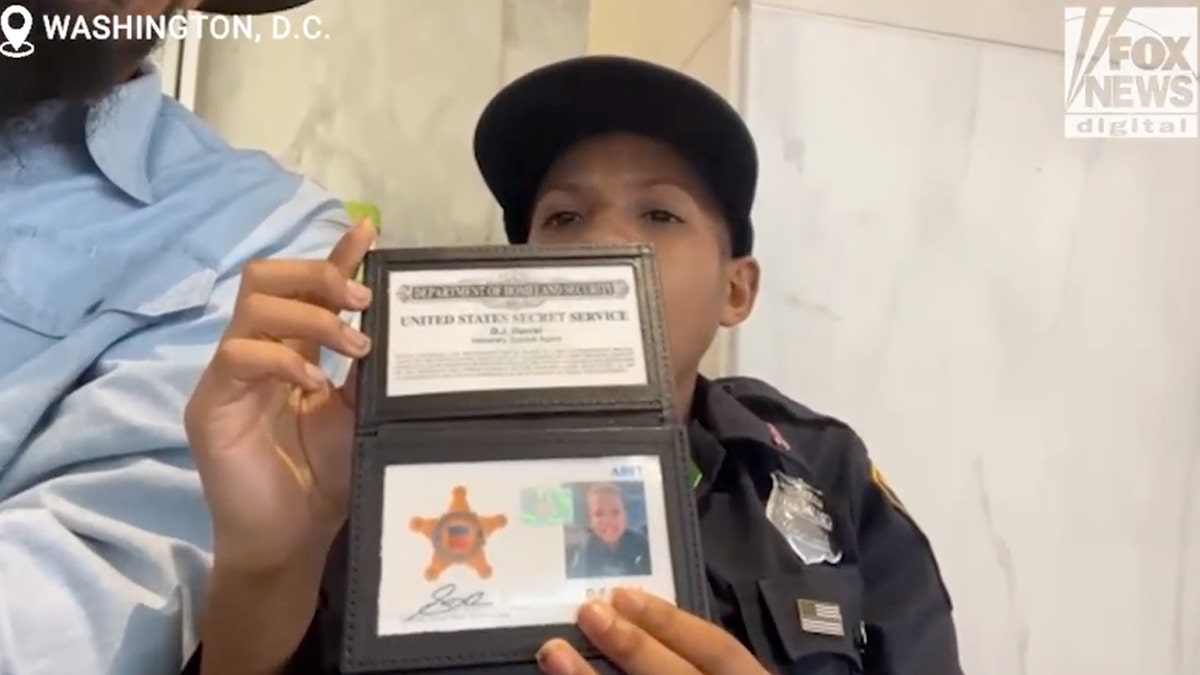
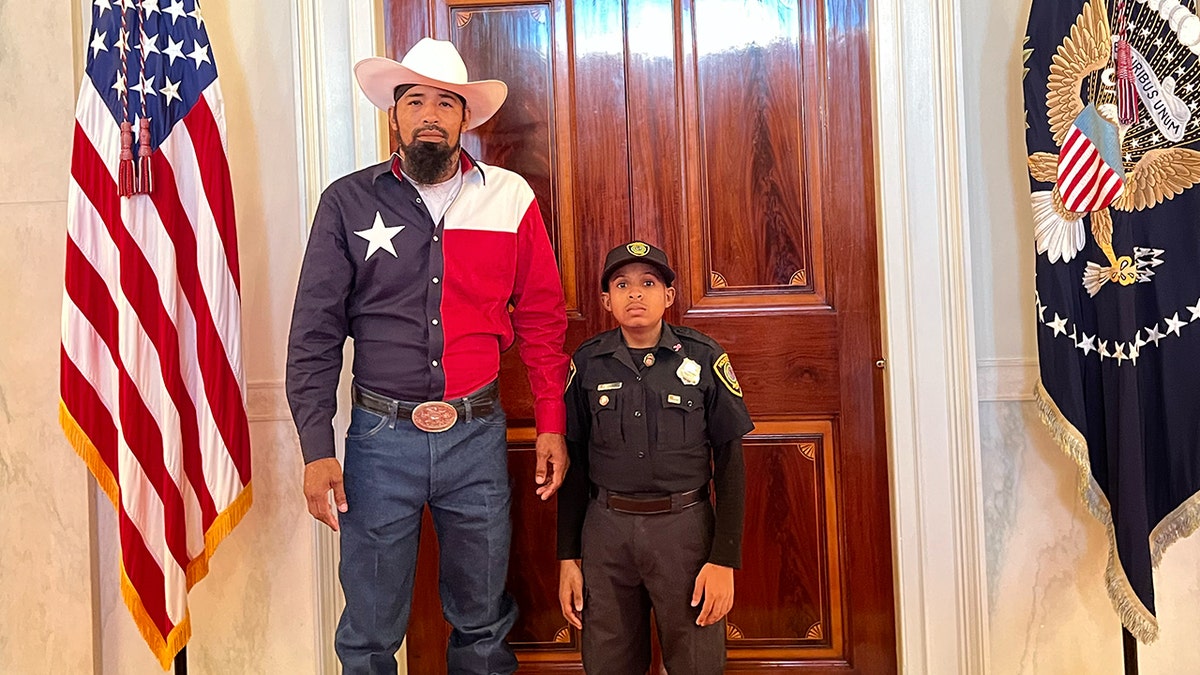
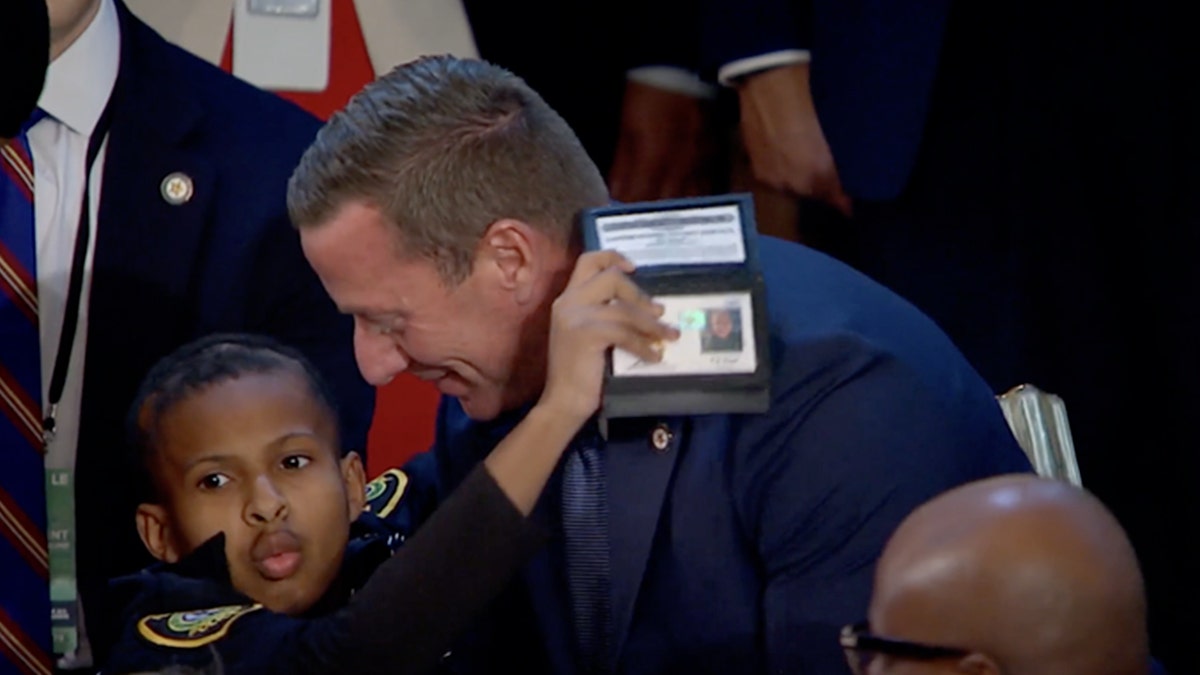
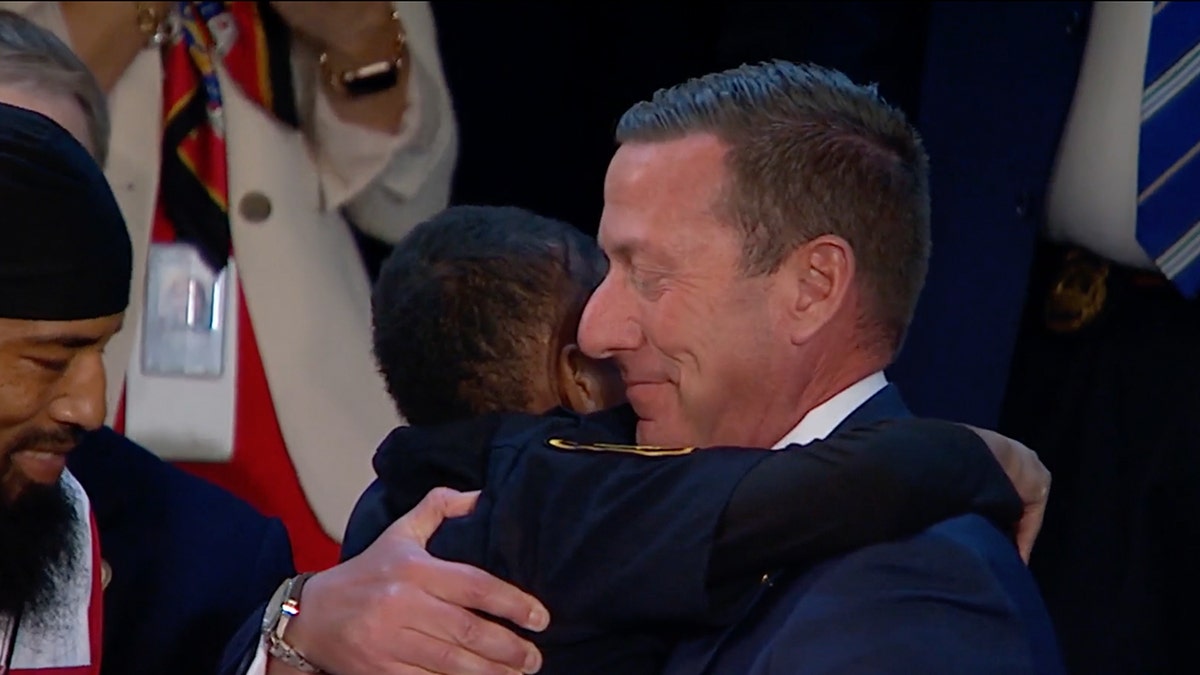
Devarjaye “DJ” Daniel, the 13-year-old with cancer who received an honorary Secret Service agent badge from President Donald Trump, is speaking out about his personal health journey.
During his address to a joint session of Congress on Tuesday night, Trump honored the boy, who is fighting brain cancer. The room erupted in applause and standing ovations.
“I am very thankful that Donald Trump invited us down here, and I was not expecting for a lot of people to be over there,” DJ Daniel told Fox News Digital.
On Wednesday, the day after Trump’s speech, DJ Daniel was invited to visit the president in the Oval Office, “where Special Agent Daniel gave the President a ‘big hug,'” the White House announced on Instagram.
President Donald Trump, during his joint address to Congress, appointed 13-year-old DJ Daniel, who’s battling cancer, as an honorary Secret Service agent.(Julia Demaree Nikhinson/AP)
DJ Daniel was diagnosed in September 2018 with high-grade ependymoma and anaplastic, a thyroid tumor. He was also diagnosed with cataracts.
“The doctors gave him five months at most to live. That was more than six years ago,” Trump said during his speech.
Childhood ependymoma is a type of tumor that starts in the brain or spinal cord, impacting the central nervous system with all body functions such as breathing, heart rate, memory and learning, emotion and sense, according to the National Cancer Institute (NCI).
About 200 to 250 children in the United States are diagnosed with ependymoma each year.
DJ Daniel, 13, a Texas resident, has undergone 13 brain surgeries that have changed his personality each time, his father told Fox News Digital.(Theodis Daniel)
Over time, DJ Daniel’s cancer metastasized, relapsed and returned. He has undergone 13 brain surgeries, changing his personality each time, said Theodis Daniel.
Eric Woodhouse, a local radio host at WNBZ, first came across DJ Daniel’s story last August while working with a local New York police station near Saranac Lake, where the police chief swore him in.
“Devarjaye [DJ] is truly a remarkable young man who we all could learn a thing or two from. He’s looking at a less-than-ideal diagnosis in the face and not stopping,” Woodhouse told Fox News Digital.
Theodis Daniel said he taught his son that he was not put on Earth to be uncomfortable.
Theodis Daniel, left, is navigating son DJ Daniel’s cancer diagnosis alongside him.(Theodis Daniel)
“When you go through things and you overcome them, it builds integrity and it builds character. You become a better version of yourself. So, for me, a very nice job last night, very, very proud and just ecstatic,” Theodis Daniel said of Trump honoring his son.
“He’s taken his little dream and ran with it,” the proud dad added.
“DJ’s doctors believe his cancer likely came from a chemical he was exposed to when he was younger,” Trump said during the address.
“Well, once I reach a thousand, I’m just going to keep on going until my gas tank runs out. That’s when God calls you home,” said DJ Daniel.(Fox News Digital)
Theodis said that he and his son have met a lot of other children battling cancer at the Texas Children’s Hospital.
Theodis Daniel said he is excited about the Make America Healthy Again movement.
“It just breaks your heart to see [what] these kids go through. But, you know, this spirit of resilience and tenacity, it’s overwhelming,” he added.
“You got to stay supremely positive and stay prayed up and just do nice things for people and you’ll make it through, we promise you. Look at us,” Theodis Daniel said.
Cancer is the leading cause of death by disease after infancy among children in the U.S., according to NCI.
“DJ’s doctors believe his cancer likely came from a chemical he was exposed to when he was younger,” President Trump said.(Fox News)
During his fight, DJ Daniel talks about his dream of becoming a police officer and was inspired by the kindness of officers who he has met over the years.
“They helped us. So I became one. And I want to help other people,” he said.
A network hoping to become a parallel internet for blockchains is planning a public mainnet launch in the second half of 2025 after completing a $28 million funding round and testnet beta launch.
The DoubleZero Network hopes to be an alternative to the public internet that allows network operators to contribute underutilized bandwidth to a dedicated network built for systems like blockchains, according to a March 5 statement from the DoubleZero Foundation.
Austin Federa, co-founder of DoubleZero, said in a March 5 post to X that the project is an attempt to bring private networking technology to blockchains and distributed systems on a network owned by its operators and that it is open for anyone with fiber to participate.
“Faster is better, but faster alone is not enough. Faster must include the ability for everyone on the (physical fiber) network to have the same access to data (state) as everyone else. This is fairness — this is multicast — this is the future,” he said.
The DoubleZero Foundation is building the network to become the legacy technology powering the next half-century of distributed systems, according to Federa.
“We’ve reached a point where the bottleneck for blockchain is actually on the network and data transport layer, not the compute,” he said.
“The current ambition for crypto is still too small. We see a near future that’s fully underpinned by distributed systems, and our vision is to provide a new fiber infrastructure network that can securely power that at mass scale.”
The protocol recently completed a $28 million token round co-led by venture capital firms Multicoin Capital and Dragonfly Capital to hire more staff for the mainnet rollout later this year.
In conjunction with the funding round, the foundation also launched a testnet beta for Solana validators and Remote Procedure Calls across seven cities: Singapore, Tokyo, Los Angeles, New York, London, Amsterdam and Frankfurt, with additional cities coming to mainnet later in the year.
The current phase of the testnet aims to improve the system’s efficiency and scalability of the network.
At the moment, Jump Crypto, Distributed Global, RockawayX and bare metal infrastructure providers Teraswitch and Latitude.sh are operating as fiber contributors.
Bitcoin (BTC) is due to “blast off” in three weeks as global liquidity trends turn to favor crypto and risk assets.
New X analysis from Andre Dragosch, European head of research at asset management firm Bitwise, predicts global money supply hitting new all-time highs.
3-week countdown to BTC price comeback
A new BTC price tailwind is brewing as US dollar strength drops to its lowest levels since the start of November last year.
The US dollar index (DXY), which measures dollar strength against a basket of trading partner currencies, is threatening to drop below 104, data from Cointelegraph Markets Pro and TradingView shows.
For Dragosch, the implications are already clear.
“If this trend continues like that, global money supply will soon reclaim new all-time highs,” he wrote, describing DXY as the “most bullish chart you will see today.”
“You know what that means for BTC…”
US dollar index (DXY) 1-day chart. Source: Cointelegraph/TradingView
The greenback has yet to benefit substantially from the new US government administration, while trade tariffs continue to weigh on risk-asset sentiment.
Continuing, popular analyst Colin Talks Crypto eyed a rebound in total M2 money supply for clues about the new Bitcoin breakout.
As Cointelegraph reported, Bitcoin remains highly sensitive to global liquidity trends, with bull markets closely tied to phases of expansion.
“The rally for stocks, bitcoin, crypto is going to be epic,” Colin Talks Crypto told X followers this week, reiterating a previous prediction.
“March 25th is the approximate date.”
Risk assets vs. global M2 money supply chart. Source: Colin Talks Crypto/X
US Bitcoin reserve odds pass 70%
Bitcoin and altcoins could well receive a much-needed boost ahead of time.
March 7 will see US President Donald Trump host the first White House Crypto Summit, with US Commerce Secretary Howard Lutnick suggesting that the event should yield confirmation of a strategic Bitcoin reserve.
While other sources believe the move will be delayed due to a lack of Congressional support, some longtime crypto market participants believe the reserve is inevitable.
“The Strategic Bitcoin Reserve is coming,” Professional Capital Management founder and CEO Anthony Pompliano summarized on X.
“Everyone wants digital sound money.”
In a market note on March 5, Matt Hougan, chief investment officer at crypto index fund and ETF manager Bitwise, forecasted that the reserve would go ahead and consist “entirely” of BTC.
Meanwhile, the latest data from prediction service Kalshi gives a 71% chance when it comes to a Bitcoin reserve this year — the highest-ever odds.
This article does not contain investment advice or recommendations. Every investment and trading move involves risk, and readers should conduct their own research when making a decision.
Opinion by: Mateusz Kara, co-founder and CEO of Ari10
President Donald Trump’s return to office has signaled a new era for crypto in the US, but the country has much to do to catch up with Europe.
Trump has outlined grand plans and made sweeping promises to transform the US into a crypto haven. At this year’s World Economic Forum in Davos, Trump pledged to make the US the “world capital” of crypto, with a wave of pro-crypto policies, investments and regulatory clarity set to follow.
Crypto is becoming an increasingly strategically important industry and is expected to grow to $38.6 billion by 2030. A fight to attract crypto market share is on the horizon, and while Trump shores up the US regulatory arsenal to compete, the EU has quietly been implementing its own regulatory framework: Markets in Crypto-Assets Regulation (MiCA).
Equipped with MiCA, the EU benefits from a significant head start and is set to lead the industry in the long term, losing a few battles to Trump’s spotlight — but ultimately winning the war.
Trump’s cult of personality must be backed by policy action
Trump’s cult of personality, developed through grand gestures and big, often vague promises, has given the US a spotlight as a crypto leader. His star power is drawing attention and hype from leading crypto entrepreneurs. Yet, there are doubts about whether Trump will successfully turn his pro-crypto rhetoric into action.
Early indications are that key legislation to encourage innovation and the growth of the US crypto industry is underway. What’s lacking right now is a holistic framework that would provide clarity for businesses across the blockchain space.
Trump has made several pro-crypto appointments to high-profile roles, starting with naming Paul Atkins as Securities and Exchange Commission chair and appointing Commissioner Hester Peirce to lead the newly created SEC task force in establishing precise crypto regulation. Just days into his presidency, on Jan. 23, Trump signed an executive order to create a “national digital asset stockpile,” and the wheels are in motion for a regulatory framework for stablecoins.
While Trump is signaling that crypto is a priority in his administration, more needs to be done than the patchwork of existing rules and the signing of executive orders. A holistic regulatory approach will be necessary to compete with the EU.
MiCA creates a solid regulatory foundation
Given the growing importance of the crypto industry, the EU has not been napping on crypto policy. It has developed a comprehensive regulatory framework, MiCA, which came into full force on Dec. 30, 2024.
Beyond the narrow policies and regulations currently being explored by the Trump administration, MiCA is comprehensive and covers all crypto assets, including those previously not covered by traditional financial services legislation. It aims to provide businesses and consumers with clarity by supporting market integrity, financial stability and transparency. It requires firms to apply for and receive a license to operate within the EU.
While some businesses have expressed concerns, the overall market sentiment toward MiCA remains positive, with businesses welcoming regulatory clarity. The crypto industry is in its relative infancy, dominated by many startups that need support to flourish in their formative years, when financial resources may be limited. MiCA’s regulations risk draining startups from precious capital, as adapting to MiCA will entail operational complexity and high costs.
Some startups have indicated that to overcome this, they will relocate to friendlier regulatory environments, including the US. Yet, evidence suggests the effect of this will be limited to the riskiest startups and projects and, in return, will set the standard for everything that comes after its implementation.
While regulatory precision is essential, some suggest that MiCA has gone too far and is at risk of stifling innovation with overregulation. A negative effect on innovation appears speculative, however, and the existing crypto community believes MiCA will foster more innovation in the crypto industry and throughout the broader financial sectors thanks to digital infrastructure developments.
Its effect in the coming years will also see traditional and decentralized finance merge into something far more mature and sophisticated than anything currently in place across the Atlantic.
Cryptocurrencies and blockchain technology are part of an increasingly critical industry that will underpin key technological advancements. MiCA provides a strong springboard for Europe, which is positioning itself as a crypto leader, primed to absorb much of the market value. In its shadows, the Trump administration is seeking to catch up, but its showboating and fragmented approach could stifle its long-term success.
While profiting from Trump’s high-profile status in the short term, the SEC must remember to underpin Trump’s promises with strong, consequential, holistic regulation if it wants to drive value to the US and away from European markets.
Opinion by: Mateusz Kara, co-founder and CEO of Ari10
This article is for general information purposes and is not intended to be and should not be taken as legal or investment advice. The views, thoughts, and opinions expressed here are the author’s alone and do not necessarily reflect or represent the views and opinions of Cointelegraph.