Bitcoin’s (BTC) volatility is approaching cycle highs as jitters around a looming trade war and a planned US cryptocurrency stockpile reach a crescendo, according to data from TradingView and Glassnode.
The conflicting bullish and bearish signals, which peaked after US President Donald Trump took office in January, have sent crypto prices on a dizzying ride, the data shows.
“As demonstrated by the intense whipsaw in price action, this has led to very turbulent conditions over the last two weeks against a backdrop of an uncertain political environment,” Glassnode said in a March research note.
Bitcoin’s average realized volatility is nearing cycle highs. Source: Glassnode
Bitcoin’s realized volatility — one measure of daily price variations — has “recorded some of the highest volatility values of the cycle so far, exceeding 80%” on one- and two-week timeframes, according to Glassnode.
Meanwhile, the digital currency’s average true range (ATR), another volatility measure, has reached cycle highs of more than 4,900, up from around 3,000 in late February, according to data from TradingView.
As of March 5, BTC is down nearly 30% from December highs of around $109,000, the cryptocurrency’s highest-ever spot price. Altcoins Ether (ETH) and Solana (SOL) are both down more than 50% off highs, Glassnode said.
On March 4, President Trump imposed 25% tariffs against Canada and Mexico, the United States’ largest trading partners.
The bearish news was a bait-and-switch for traders who turned optimistic after Trump tipped plans on March 2 to create a US crypto reserve holding tokens ranging from BTC and ETH to XRP (XRP) and Cardano (ADA).
In response, Bitcoin sunk to around $82,000 after touching highs of around $93,000 on March 3, according to data from Google Finance. Altcoins such as ETH and SOL fell even further, dropping by around 12% and 20%, respectively, the data showed.
The sell-off signaled that macro factors could overpower bullish industry developments, including the US Securities and Exchange Commission’s dismissal of several lawsuits against crypto firms in February.
Phil Mickelson ripped fellow golf star Fred Couples in a now-deleted social media post after Couples claimed that LIV Golf star Brooks Koepka is eyeing a return to the PGA Tour.
Mickelson said in a post on X on Tuesday that Couples pulled a “low class, jerk move” by seemingly revealing in a recent radio appearance that five-time major winner Koepka “wants” to return to the Tour after bolting to the Saudi-backed golf league in 2022.
Phil Mickelson(Pedro Salado/Getty Images)
“If it’s not true, he damaged a relationship which he cares about,” Mickelson wrote, which has since been deleted.
“If it is true, he took away Brook’s control of the timeline and narrative. Either way this is a low class jerk move by Fred.”
The post was in reference to comments Couples made during an appearance on KJR 93.3 FM in Seattle on Monday.
“I talk to Brooks Koepka all the time,” Couples said. “I love Brooks Koepka, and I’m not going to say anything extra except I talk to him all the time. … He wants to come back, I will say that. I believe he really wants to come back and play the Tour.”
Koepka left for the rival golf tour in 2022 ahead of the LIV’s inaugural season.
The back-and-forth this week follows a significant meeting at the White House last month attended by Tiger Woods, PGA Tour Commissioner Jay Monahan and Yasir Al-Rumayyan, governor of the Public Investment Fund of Saudi Arabia.
The meeting, the second of its kind, was seen as a move toward ending the division between the two tours.
So-called “gender-affirming surgery” could lead to dangerous mental health effects, a new study has found.
Transgender individuals face “heightened psychological distress,” including depression, anxiety and suicidal ideation, “partly due to stigma and lack of gender affirmation,” as stated in the study, which was published in The Journal of Sexual Medicine.
Researchers from the University of Texas set out to determine the mental health impacts from transgender people who underwent “gender-affirming surgery.”
The study focused on 107,583 patients 18 and over with gender dysphoria, some who underwent surgery and others who did not.
“Gender-affirming surgery” could lead to dangerous mental health effects, a new study has found.(iStock)
They determined rates of depression, anxiety, suicidal ideation and substance-use disorders were “significantly higher” among those who underwent surgery, assessed two years later.
Males with surgery had depression rates of 25% compared to males without surgery (11.5%). Anxiety rates among that group were 12.8% compared to 2.6%.
Depression, anxiety, suicidal ideation and substance-use disorders were “significantly higher” among those who underwent surgery.
The same differences were seen among females, as those with surgery had 22.9% depression rates compared to 14.6% in the non-surgical group.
Females who underwent surgery also had anxiety rates of 10.5% compared to 7.1% without surgery.
The study focused on 107,583 patients 18 and over with gender dysphoria, some who underwent surgery and others who did not.(iStock)
Surgeries that aimed to “feminize individuals” showed “particularly high” rates of depression and substance abuse two years after the procedures, the study found.
“Findings suggest the necessity for gender-sensitive mental health support following gender-affirming surgery to address post-surgical psychological risks,” the researchers wrote.
‘Not a cure-all’
Jonathan Alpert, a Manhattan-based psychotherapist and author, said the study findings highlight the “often overlooked” psychological risks that accompany gender-affirming surgery.
“While these surgeries can be critical in helping individuals align their physical appearance with their gender identity, they are not a cure-all for the mental health challenges many transgender individuals face,” Alpert, who was not involved in the study, told Fox News Digital.
“These findings suggest that surgery alone doesn’t eliminate the complex psychological burdens that stem from societal stigma and personal struggles with identity,” he went on.
“In fact, taking a scalpel to treat a psychological disorder can sometimes lead to more issues, as the study results are elucidating.”
“The push for faster access to these procedures ignores a critical reality: Long-term psychiatric support is essential.”(iStock)
Florida neurosurgeon Dr. Brett Osborn, who also was not part of the study, agreed that “surgery is no guarantee of happiness.”
“We’re often told that gender-affirming surgery is essential for alleviating gender dysphoria — but what happens when the euphoria fades?” he said in an interview with Fox News Digital.
“The key question remains: Is the surgery itself causing distress, or are preexisting mental health issues driving people toward it? Correlation or causation? No one knows.”
Potential causes of gender dysphoria
A 2022 study showed that around 1.4 million American adults identify as transgender and about 0.6% of all American adults experience gender dysphoria.
“The dramatic upward trend of gender dysphoria among young people in recent years should raise serious questions about the role of cultural and social influences,” Alpert said.
“While increased awareness has made it easier for some children to express their struggles, we cannot ignore the possibility that social contagion, along with peer influence and social media — may be contributing to this surge.”
One doctor also cautioned against sexual hormone therapy — “we’re talking about irreversible changes that demand lifelong management.”(Adobe Stock )
Both experts caution against rushing into surgery or other irreversible decisions.
Teens who are being treated for gender dysphoria should be “properly supported and treated with compassion” without being pressured into making “life-altering” medical decisions, Alpert advised.
“Gender-affirming surgery is aggressive, permanent and laden with risk.”
“Remember, gender-affirming surgery is aggressive, permanent and laden with risk,” Osborn told Fox News Digital.
He expressed the same cautions about hormone therapy — “we’re talking about irreversible changes that demand lifelong management.”
“Too many rush into these interventions without fully understanding the consequences,” he went on. “The push for faster access to these procedures ignores a critical reality: Long-term psychiatric support is essential.”
Fox News Digital reached out to the study researchers requesting comment.
Melissa Rudy is senior health editor and a member of the lifestyle team at Fox News Digital. Story tips can be sent to melissa.rudy@fox.com.
CleanSpark grew its Bitcoin treasury by approximately 6% from mining operations in February, the crypto miner said on March 5.
During the month of February, CleanSpark mined a total of 624 Bitcoin (BTC), worth upward of $55 million at Bitcoin’s spot price of around $89,000 as of March 5, according to CleanSpark’s monthly report.
The company sold 2.73 BTC in February at an average price of more than $95,000 per BTC. It added the rest to its corporate treasury, which holds a total of 11,177 BTC as of Feb. 28, the miner said.
With holdings worth more than $1 billion, CleanSpark has amassed the world’s fifth-largest corporate BTC treasury, according to data from BitcoinTreasuries.NET.
Miners are increasingly taking a page out of the Strategy — formerly MicroStrategy — playbook by holding more mined Bitcoin on their balance sheet.
CleanSpark CEO Zach Bradford said the February results “demonstrated the value of our pure play Bitcoin mining strategy.”
Unlike rival Bitcoin miners, which are increasingly diversifying into adjacent revenue streams, such as selling high-performance compute for artificial intelligence models, CleanSpark is focused exclusively on Bitcoin mining.
On Feb. 7, CleanSpark reported a surge in revenue and profitability during the final three months of 2024 thanks to lower production costs and buoyant BTC prices in the wake of US President Donald Trump’s November election win.
In its first fiscal quarter of 2025, which ended Dec. 31, the mining firm reported $162.3 million in revenue, a gain of 120% year-over-year.
The company’s profits improved to $241.7 million, or $0.85 per share, from just $25.9 million one year earlier. It also added more than 1,000 BTC to its treasury.
Business models under pressure
Despite the strong earnings performance, CleanSpark shares are down more than 10% in the year-to-date as declining cryptocurrency prices add further pressure to Bitcoin miners’ business models, which are already strained by the Bitcoin network’s April halving.
Macroeconomic uncertainty, including fears surrounding a trade war, has rattled markets since Trump took office in January and announced 25% tariffs on Canada and Mexico.
Miners are optimistic that adjacent business lines, including leasing out high-performance hardware to AI models and selling specialized ASIC microchips, will more than offset any revenue losses.
Turkish law firm GlobalB is challenging the country’s ban on crypto payments in a hearing scheduled for May 28, according to Sima Baktaş, the firm’s founding partner.
Although Turkey’s citizens are allowed to buy, hold and trade crypto, the use of the digital currency for payments has been banned since 2021, when the Central Bank of the Republic of Turkey prohibited “any direct or indirect usage of crypto assets in payment services and electronic money issuance.”
For the hearing, which is taking place in the country’s capital, Ankara, GlobalB plans to use a strategy to show the long-term economic benefits of allowing crypto payments in the country, Baktaş told Cointelegraph.
“The ability to use crypto for payments would accelerate financial innovation, create more inclusive and efficient payment systems, and position [Turkey] as a hub for blockchain adoption,” Baktaş said. “It would also attract global investment, as international companies and investors are keen to operate in a regulatory environment that supports digital assets.”
Despite the ban, Turkey has worked to become a more crypto-friendly nation over the past few years. In July 2024, a regulatory framework provided crypto asset providers to apply for licenses, leading to requests from well-known exchanges such as Bitfinex, Binance TR and OKX TR.
Baktaş notes that GlobalB’s lawsuit “could serve as a catalyst for shaping secondary regulations in a way that fosters innovation while ensuring compliance.”
“A positive ruling could also pave the way for new business models, particularly for crypto platforms seeking licenses,” she added. “It’s a chance to create a well-regulated yet dynamic environment where companies can operate securely while driving the growth of the digital economy.”
Welcome to Fox News’ Artificial Intelligence newsletter with the latest AI technology advancements.
IN TODAY’S NEWSLETTER:
– Federal judge denies Musk move to block OpenAI’s shift to for-profit model
– Federal judge chooses not to sanction lawyer who admitted using AI in mistake-filled brief
– New malware exploits fake updates to steal data
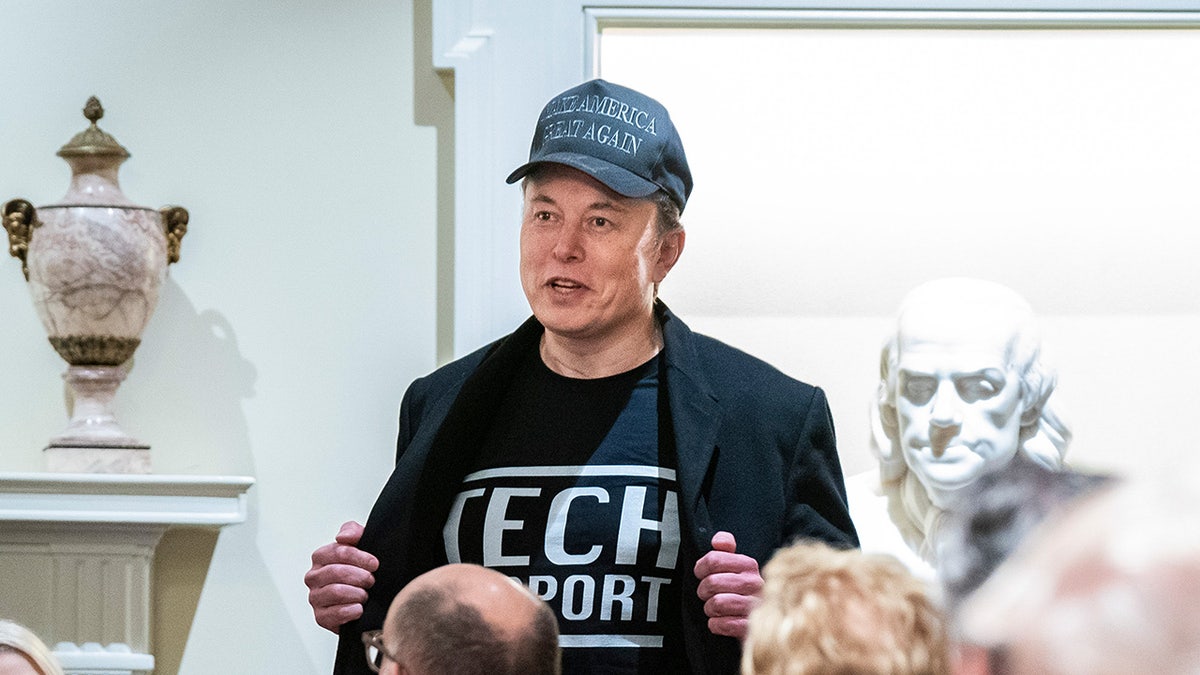
Elon Musk met with members of the Senate DOGE caucus at the White House.(Getty Images)
MUSK’S MOVE BLOCKED: A California judge denied Elon Musk’s move to halt OpenAI’s efforts to convert it into a for-profit entity, saying in a ruling that the SpaceX and Tesla CEO hadn’t met “the high burden required for a preliminary injunction.”
‘DOWNFALLS’ OF AI: A federal judge has declined to impose sanctions on an attorney who submitted a brief that contained incorrect case citations and quotes generated by artificial intelligence.
DEFEND YOUR DATA: Windows has always been a favorite target for hackers, but it seems they have now figured out how to actively target Macs as well. We’ve seen an alarming rise in malware affecting Mac computers, stealing personal data and cryptocurrency.
Stay up to date on the latest AI technology advancements and learn about the challenges and opportunities AI presents now and for the future with Fox News here.
XRP’s (XRP) price is trading 28% above its $1.94 lows reached on Feb. 28, up 6.5% over the last 24 hours. Traders keep rally hopes alive as the altcoin holds above a key support level.
Dark Defender, a crypto market analyst, highlighted that XRP was trading above a key support zone in the four-hour timeframe, as shown in the chart below.
Note that this level represents the 38.2% Fibonacci retracement of the November rally to seven-year highs of $3.40. Dark Defender believes this marked the “Wave 2 bottom” and “we are waiting for XRP to move toward $2.60.”
According to the analyst, the key levels to watch on the downside are $2.33 and $2.22, which must be maintained. If this happens, XRP price will continue its wave structure with the expected fifth wave targeting $5.85. Such a move would represent 132% gains from the current price.
“XRP is ready for an all-time high.”
XRP/USD 4-hour chart. Source: Dark Defender
Similar sentiments were shared by popular analyst Egrag Crypto, who said that XRP was “gearing up for its next big leap” as it consolidated above $2.30.
According to the analyst, XRP followed a similar classic Fibonacci extension move in 2017, breaching the 161.8% extension level before making a parabolic move toward the 223.6% Fibonacci extension level.
If history repeats itself, “this would put XRP between $27 – $222, aligning with the Fibonacci extension tool and 2017 cycle correlations.”
The analyst, however, sets the medium target for XRP price between $8 and $13.
“XRP’s next major leg up could target $8.5 – $13 (Fib 1.272 and Fib 1.414).”
XRP investors took advantage of the lower levels and accumulated more at discounted prices. Onchain data from market intelligence firm Glassnode reveals that active XRP addresses have surged by a whopping 680% in the past week, jumping from 59,900 on Feb. 27 to 468,171 on March. 4.
XRP: Active addresses and transaction count. Source: Glassnode
Similarly, XRP transaction count increased by 23% over the same period, signaling growing network usage.
Such a spike in network activity often indicates growing investor interest and could be an early signal of a potential bullish reversal.
Popular analyst Brett also points out that whale activity rose in tandem with increasing onchain activity as large investors scooped approximately 1 billion XRP tokens in the past 24 hours.
🚨KABOOOOOOOOOOOOOOMOOOOM
Whale activity in the $XRP market has surged, with nearly 1 billion coins purchased in the past 24 hours. Daily active addresses also spiked, exceeding 135,000 on March 4, signaling growing interest in the altcoin. pic.twitter.com/bQEJfF5dNC
This article does not contain investment advice or recommendations. Every investment and trading move involves risk, and readers should conduct their own research when making a decision.
As US President Donald Trump prepares to host the first White House Crypto Summit on March 7, the industry is watching closely to see who will be invited.
The roundtable, scheduled from 6:30 pm to 10:30 pm UTC, is expected to include more than 25 participants, including members of the Presidential Working Group on Digital Assets, according to Fox Business reporter Eleanor Terrett.
As of Wednesday morning, Terrett reported that 11 crypto executives and two White House representatives had confirmed their attendance.
“Unclear as of now who aside from Bo Hines and David Sacks will be in attendance, but if you go back to Trump’s executive order, the presidential working group also includes Treasury Secretary Scott Bessent, Commerce Secretary Howard Lutnick, Attorney General Pam Bondi, the SEC chair, the CFTC chair and others,” Terrett wrote.
The list of confirmed crypto executives so far
The list of crypto executives and government attendees confirmed so far includes the following:
While Terrett’s list didn’t include Ripple CEO Brad Garlinghouse, he previously hinted at his attendance in a March 2 post on X soon after Trump’s crypto czar Sacks announced the summit on March 1.
“I will certainly continue to champion this while in Washington at the end of this week,” Garlinghouse wrote.
According to Terret, Trump’s invites were emailed to attendees on March 4 afternoon, implying that Garlinghouse was among the first executives to receive the invitation beforehand.
“A larger, invite-only reception is being planned across the street from the White House for those not invited to the roundtable meeting,” Terrett said, adding that the plans are not fully finalized and things could change.
As speculation around the summit continues, the crypto community has called for the inclusion of other key industry figures, including ARK Invest founder Cathie Wood, Ethereum co-founder Vitalik Buterin, Circle co-founder Jeremy Allaire, Tether CEO Paolo Ardoino, Cardano founder Charles Hoskinson and Solana founder Anatoly Yakovenko.
Lutnick hints at a potential US Bitcoin reserve
The summit comes as anticipation builds over the Trump administration’s stance on a potential US cryptocurrency reserve.
Trump’s Commerce Secretary, Howard Lutnick, has hinted that Bitcoin (BTC) may receive special consideration under the administration’s crypto policy.
“The President definitely thinks that there’s a Bitcoin strategic reserve,” Lutnick said, according to a March 5 report by The Pavlovic Today.
“Now there will be the question of, how do we handle the other cryptocurrencies? And I think the model is going to be announced on Friday when we do that,” Lutnick reportedly noted.
The US crypto industry finally got what it wanted when President Donald Trump announced plans to form a national crypto reserve on March 2. But instead of celebration, the decision sparked backlash — not from the usual suspects in traditional finance or regulators but from within the crypto world itself.
The controversy arises from the selection of assets in the reserve. During his election campaign, Trump pledged to create a “national Bitcoin stockpile,” making the inclusion of Bitcoin (BTC) — and, to some extent, Ether (ETH) — expected. However, the addition of XRP (XRP), Solana (SOL) and Cardano (ADA) has divided the industry.
These three assets carry baggage, ranging from centralization concerns to doubts about real-world adoption. Proponents highlight their technological advancements and market potential, but skeptics argue they lack the stability, institutional trust and global acceptance needed for a national reserve.
Gemini co-founder Cameron Winklevoss was among those surprised by Trump’s decision. Source: Cameron Winklevoss
The excitement surrounding the announcement was short-lived. All five cryptocurrencies initially spiked in price but soon dropped to pre-announcement levels before recovering slightly at the time of writing. XRP and ADA stand out as exceptions, as they didn’t fall below their pre-announcement levels, though they also weren’t immune to severe volatility swings.
Each of the three selected altcoins brings something different to the table. Let’s break down why they might have been chosen, and why their inclusion is controversial.
Solana is fast and cheap but best known for memecoins
Ethereum leads in total value locked (TVL) in decentralized finance (DeFi), accounting for approximately 52% of the market with $50.59 billion, according to DefiLlama. This figure excludes its layer-2 networks, such as Base and Arbitrum, which serve as scaling solutions built atop Ethereum and remain part of its broader ecosystem.
Solana follows at a distant second with $7.32 billion in DeFi TVL. The network has long been labeled an “Ethereum killer,” a term used for blockchains aiming to challenge Ethereum’s dominance. Throughout 2024 and early 2025, Solana appeared to be gaining ground thanks to its high throughput, capable of handling thousands of transactions per second.
Meanwhile, developers have largely resolved its once-chronic outage issues, allowing the network to capitalize on the mass traffic brought on by the memecoin boom.
Solana is second in the industry in DeFi TVL but still a long way from Ethereum. Source: DefiLlama
Fund managers applied for SOL-based exchange-traded funds (ETFs), and the network became a preferred platform for political figures launching or endorsing cryptocurrency projects — primarily through memecoins.
Recently, Solana’s memecoin boom turned chaotic. Sensationalized livestreaming events designed to pump token prices alongside widespread scams, rug pulls and bot-driven trading have raised concerns about the sector’s sustainability. The number of new token launches on Solana continues to decline as skepticism grows.
Influential voices have raised their concerns about Solana’s venture capital influence. National Security Agency whistleblower Edward Snowden called out Solana’s reliance on venture capital in November, suggesting it compromises the network’s decentralization. He described Solana as “born in prison,” implying that its dependence on VC funding could limit its autonomy and alignment with blockchain’s foundational principles.
“These assets, like any other tokens, don’t function as true reserve assets. Adding them to a US crypto reserve would be as arbitrary as including Nvidia stock in a strategic reserve,” Georgii Verbitskii, founder of TYMIO, told Cointelegraph.
“While sovereign wealth funds, like Norway’s, invest in equities for long-term returns, their purpose is different from that of a national reserve, which should be built on universally recognized, decentralized assets. Bitcoin is the only logical choice for such a reserve,” he added.
Slow and steady: Cardano still in the race
Cardano has adopted a slow and steady strategy. The network is often bashed for its sluggish rollout of features compared to other major blockchains, but its supporters believe its peer-reviewed, research-driven strategy will ultimately pay off.
So far, however, this measured approach has left Cardano trailing behind in an industry that moves at breakneck speed. Users flock to chains where their funds feel secure or where they see the most profit potential — much like how Solana’s memecoin frenzy attracted mass attention — meaning Cardano has struggled to keep pace.
As of March 5, Cardano’s DeFi ecosystem holds just $412 million in TVL, according to DefiLlama. The network is often mocked as a “ghost chain,” meaning its onchain activity is minimal, which is often met with strong pushback from its supporters.
Data from Artemis shows that on March 4, Cardano recorded fewer than 40,000 daily active users, while Solana had over 5 million — though Solana has also been heavily scrutinized for rampant bot activities.
One key advantage Cardano holds over networks like Solana is decentralization. While the project initially relied heavily on IOHK, the private entity founded by Charles Hoskinson, it has since transitioned toward a community-driven model. January’s Plomin hard fork activated full decentralized governance mechanisms for ADA holders, followed by the establishment of its own onchain constitution in February.
According to the University of Edinburgh’s Decentralisation Index, Cardano ranked as the most decentralized blockchain in 2023. The network leads in the Nakamoto coefficient, a metric used to gauge decentralization by identifying the minimum number of entities required to control 51% of the network.
Big names use XRP, but centralization still an issue
XRP has a strong case for being included in the national crypto reserve, according to Vugar Usi Zade, chief operating officer of cryptocurrency exchange Bitget, who told Cointelegraph: “XRP is already a go-to for cross-border payments, with major financial institutions using it to streamline transactions.”
Compared to traditional financial systems, XRP offers faster, cheaper transactions for both financial institutions and individuals. Several major entities — including American Express, SBI and Siam Commercial Bank — have tested or integrated XRP into their cross-border payment solutions.
The network has long been criticized for being more centralized than cryptocurrencies like Bitcoin and Ether. One of the main reasons for this perception is that Ripple controls a significant portion of the XRP supply. When cryptocurrency was created, 100 billion coins were pre-mined, and as of March 5, over 37 billion tokens are still locked in escrow.
That said, there are counterarguments against the centralization claims. Over time, Ripple has reduced its own validator presence, allowing third-party institutions to take on a larger role in the network’s validation process.
Additionally, XRP transactions do not require Ripple’s approval, as the network operates independently, with transactions settling in seconds. Ripple has also repeatedly emphasized its legal separation from the XRP Ledger, stating that it does not control XRP.
Bitcoin is the clear frontrunner, but even it has non-believers
The three tokens — XRP, SOL and ADA — each come with their own strengths and drawbacks, but one characteristic they share is that they are home-grown American projects.
According to Bitget’s Zade:
“Let’s be honest: None of them have Bitcoin’s level of institutional trust or liquidity. That volatility could be a problem, especially for assets meant to be a stable part of a national reserve.”
While Bitcoin is the clear frontrunner for inclusion in the US strategic crypto reserve, some argue that even Bitcoin carries significant risks. Its value is entirely speculative, and its role as a reserve asset could make it a prime target for adversarial nations, Joshua Chu, co-chair of the Hong Kong Web3 Association, argued.
“If quantum computing becomes a reality, it could break Bitcoin’s cryptographic security, rendering it worthless overnight,” he told Cointelegraph. “This is a real risk, given how quickly technology evolves. What happens if adversarial nations like China or Russia develop quantum computing capabilities and decide to target Bitcoin?”
Although Trump’s crypto reserve plan has been announced, it still requires congressional approval before becoming official policy. Meanwhile, speculation is mounting that more details will be revealed during the crypto summit at the White House on March 7.
Key figures, including Ripple CEO Brad Garlinghouse and Strategy executive chairman Michael Saylor, have been invited to attend, signaling that the event could provide further insights into the administration’s digital asset strategy.
Many of us have families to look after. We save money not only for our own future but also – perhaps even more so – for our kids and grandkids. We want to secure a good education, help them buy a home or simply set aside something for when they need it.
So did Tony. He’d saved a substantial amount for his sons’ future, more than $4 million in bitcoin. And with just one click, he lost it all to vishing, a type of scam that uses phone calls to trick people into giving up sensitive information.
Scammers posed as Google Support agents and, after an elaborate scheme, first caught his attention, then gained his trust and ultimately left him with nothing.
“Please, man. Is there anything you can do to give me something back?” was Tony’s final, desperate plea to the scammers, hoping to appeal to their humanity.
A man typing on his computer keyboard(Kurt “CyberGuy” Knutsson)
What is vishing?
Vishing, short for “voice phishing,” is a type of cybercrime that uses phone calls to deceive individuals into revealing personal or financial information. Unlike traditional phishing, which relies on emails or text messages, vishing leverages the power of human voice and social engineering to manipulate victims. Scammers often impersonate legitimate organizations, such as banks, tech companies, or government agencies, to gain trust and create a sense of urgency. They may ask for passwords, credit card numbers, or other sensitive details, which they then use for fraudulent purposes.
Because vishing relies heavily on social engineering tactics, it can be difficult to detect, making it a particularly dangerous form of cybercrime.
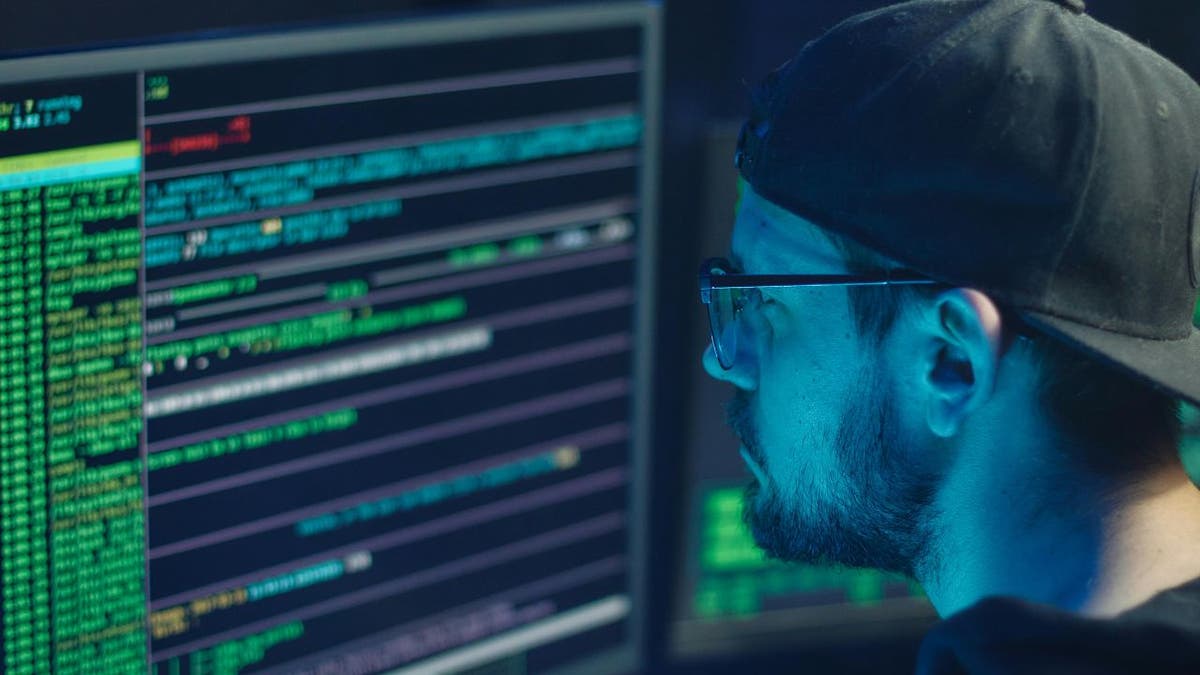
Illustration of a hacker at work(Kurt “CyberGuy” Knutsson)
Let’s break down these vishing schemes to understand why they are so effective. Once you see them as a staged play consisting of different acts, it becomes easier to recognize the individual tactics.
Act 1: The setup and targeting
Scammers start by identifying potential victims through social media, public transaction records, leaked databases, and more. Once they select a target, they gather personal details (email, phone number, financial holdings) to build credibility. And you could easily be a target. That’s because data brokers – companies that buy and sell your personal information – are goldmines for scammers. Your entire profile is likely out there, containing everything they need to run a successful scam: your name, address, contact details, family members, owned properties and more.
How to protect yourself at this stage:
Limit what you share online, especially financial details
Sign up fordata removal services that erase your personal information from company databases
Act 2: The first contact
Scammers always initiate contact first. Let’s walk through a vishing scam using a Google account as an example.
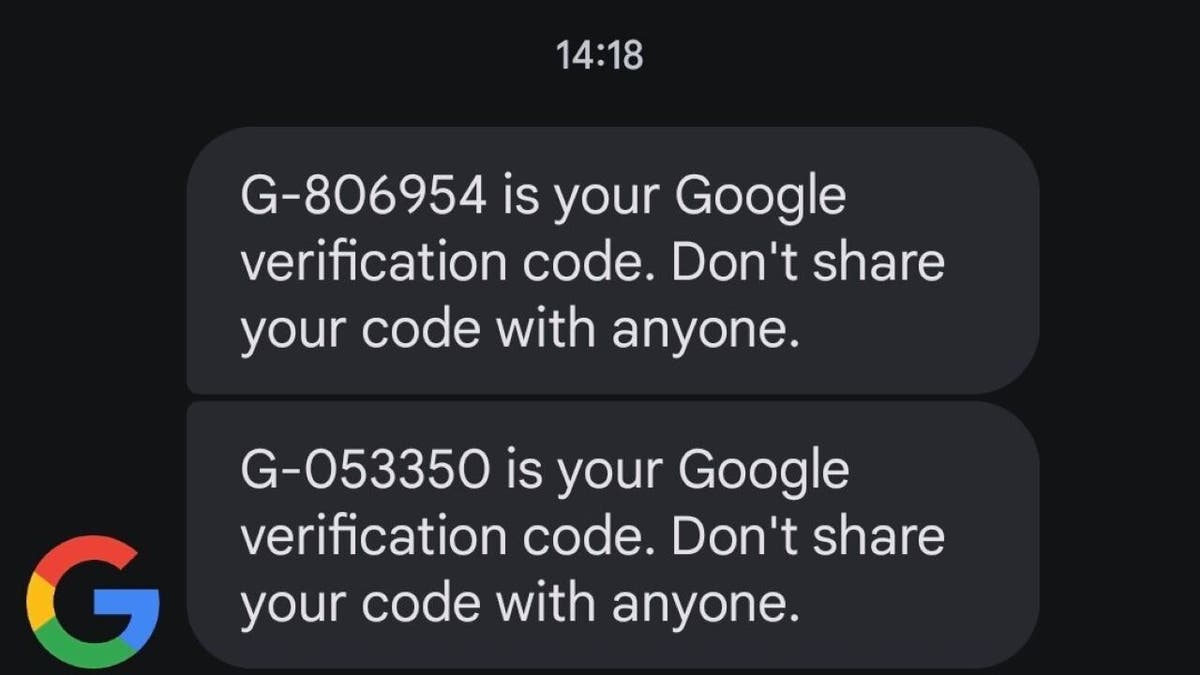
Triggering a real security alert: Scammers may attempt to recover your Google Account to prompt real security alerts, like verification codes sent to your phone. Their goal isn’t to reset your password but to make you believe there’s a real security issue.
Google verification code text(Kurt “CyberGuy” Knutsson)
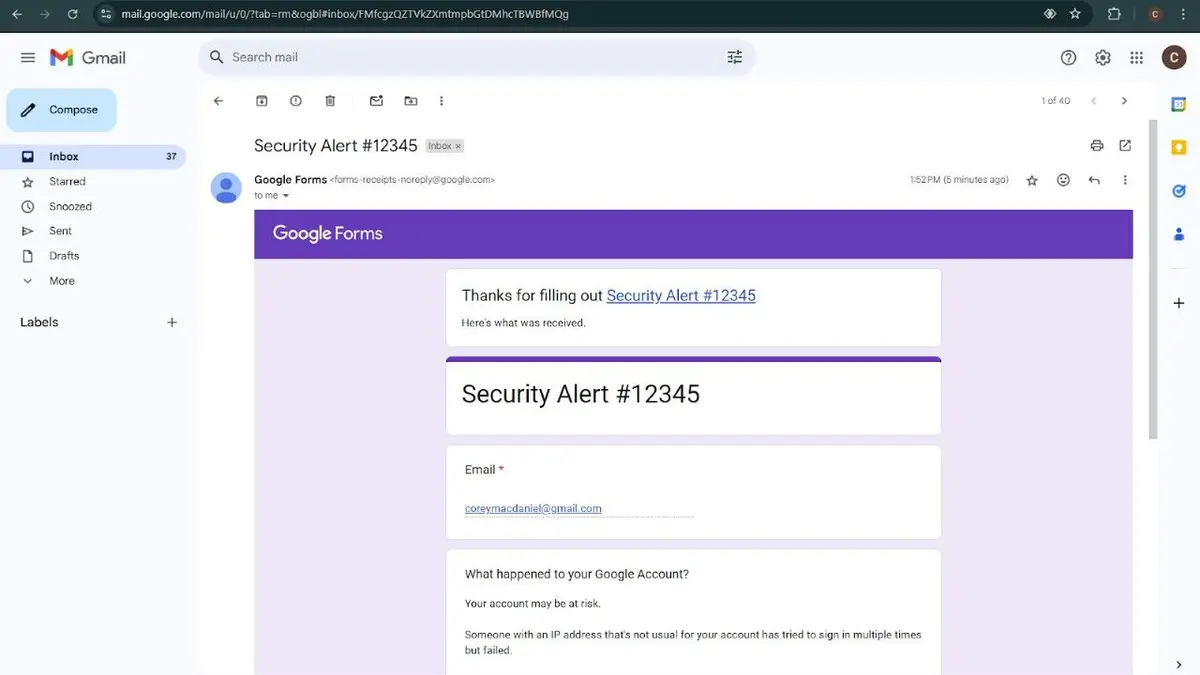
Sending a fake security message: They create a fake Google Form using your email address, designed to mimic an official security alert. The message often claims there’s been a security breach and that a named support agent will contact you soon.
Fake Google form(Kurt “CyberGuy” Knutsson)
Placing a call: Shortly after you receive the email, scammers call using a spoofed Google number, guiding you through fake security steps.
How to protect yourself at this stage:
Pause and verify – Real companies don’t call or email you for sensitive security actions
Contact the company directly – Use official contact details (don’t trust the caller’s number or email)
Be skeptical of urgent security warnings – Scammers create fake emergencies to make you act without thinking
Scammers no longer ask for passwords outright. That trick doesn’t work anymore. Here’s what they do instead.
Introducing themselves as support agents: They remain calm and friendly, claiming they’re here to help investigate the issue. They reference details from the fake Google Form to seem legitimate.
Walking through a real password recovery process: While on the phone, scammers instruct you to change your password as a security measure. They don’t send any suspicious links but instead guide you through the real recovery process. At this point, they still don’t have access to your account. But that’s about to change.
Illustration of username and password credential page(Kurt “CyberGuy” Knutsson)
Act 4: The scam
After you successfully reset your password, scammers ask for one final step: log in. This is where the real scam happens.
Sending a phishing link: Now that you trust them, they send a message using a spoofed Google number with a link to log in. However, the link leads to a phishing site designed to look like Google’s login page.
Logging into the real site: As soon as you enter your credentials into the fake page, scammers input them into the real Google site. Seconds later, you receive a genuine Google security prompt asking, “Is this you?”
Clicking “Yes, it’s me” completes the scam: While you were on their fake platform, they were simultaneously logging into your real account using your credentials. The Google security prompt? It wasn’t for your device. It was for theirs. As a result, you’ve just given scammers access to your account.
How to protect yourself at this stage:
Never log in to your accounts using links that were sent to you
Always check the URL before entering credentials and look for “https://” and correct spellings
Use a password manager that autofills only on legitimate sites. A high-quality password manager ensures security with zero-knowledge encryption, military-grade protection and support for multiple platforms, including Windows, macOS, Linux, Android, iOS and major browsers. Look for features like unlimited password storage, secure sharing, password health reports, data breach monitoring, autofill and emergency access. Check out my expert-reviewed best password managers of 2025 here
At this stage, the scammers end the call, leaving you feeling at ease. You won’t realize what happened until it’s too late. And it’s not just Google accounts at risk. The same method can be used to access Apple accounts, banking services and cryptocurrency wallets. For some, losing access to Google alone is devastating; after all, Google Drive, Google Photos and other cloud services store vast amounts of personal and financial data. But by the time you realize what’s happened, it’s already too late.
How to protect yourself at this stage:
Secure your accounts immediately – Reset your passwords, enable two-factor authentication with an authenticator app and log out of all active sessions to remove unauthorized access.
Report and monitor for fraud – Alert your bank, credit card provider or crypto exchange to freeze transactions if needed. Report the scam to the FTC (reportfraud.ftc.gov), IC3 (ic3.gov) and the affected platform. Monitor your accounts for suspicious activity and consider a credit freeze to prevent identity theft.
While securing your accounts and reporting fraud are crucial after a scam has already occurred, the best defense is preventing these attacks in the first place. Taking these steps can help ensure you don’t fall victim to a vishing scam in the first place.
How to protect yourself from vishing scams
1. Invest in personal data removal services: These scams all have one thing in common: they need some of your personal info to work. Without your name, phone number or email, these scams can’t happen. Scammers might even try to gain your trust by sharing more of your personal info, like your Social Security number, to seem more believable. I strongly suggest you remove your personal info from people search sites online. If you give someone your email or phone number, they might be able to find your home address through a reverse search. While no service promises to remove all your data from the internet, having a removal service is great if you want to constantly monitor and automate the process of removing your information from hundreds of sites continuously over a longer period of time. Check out my top picks for data removal services here.
2. Set up recovery contacts: Establish backup contacts for your accounts (Google, Apple and bank) to ensure you have a way to regain access if locked out.
3. Monitor financial accounts: Regularly check your financial accounts for any suspicious activity or unauthorized transactions.
4. Enable two-factor authentication (2FA): Enable 2FA on all accounts, especially Google, Apple and financial services. This adds an extra layer of security, making it harder for scammers to access your accounts even if they obtain your login credentials.
6. Report scams promptly: If you’ve been scammed, report the fraud immediately to the FTC at reportfraud.ftc.gov and notify the affected platforms.
7. Use strong antivirus software: Install and regularly update strong antivirus software to protect your devices from malware, viruses and other cyber threats. Antivirus software provides real-time protection, scans for malicious files and helps prevent infections by blocking access to harmful websites and downloads. The best way to safeguard yourself from malicious links that install malware, potentially accessing your private information, is to have strong antivirus software installed on all your devices. This protection can also alert you to phishing emails and ransomware scams, keeping your personal information and digital assets safe. Get my picks for the best 2025 antivirus protection winners for your Windows, Mac, Android and iOS devices.
Kurt’s key takeaways
Tony’s story is a chilling reminder that even the most diligent savers can fall victim to sophisticated scams. These vishing schemes, carefully orchestrated like a theatrical play, exploit our trust and leverage real security alerts to gain access to our accounts. Protecting ourselves requires constant awareness, skepticism towards unsolicited communications, and proactive measures to safeguard our personal information. While the tactics may evolve, the underlying principle remains the same: scammers rely on deception to exploit our vulnerabilities. By understanding their methods and taking preventative steps, we can make it harder for them to succeed.
Kurt “CyberGuy” Knutsson is an award-winning tech journalist who has a deep love of technology, gear and gadgets that make life better with his contributions for Fox News & FOX Business beginning mornings on “FOX & Friends.” Got a tech question? Get Kurt’s free CyberGuy Newsletter, share your voice, a story idea or comment at CyberGuy.com.