Amid the ongoing measles outbreak in Texas, Fox News senior medical analyst Dr. Marc Siegel sat down with HHS Secretary Robert F. Kennedy Jr. in an exclusive interview to discuss contagion concerns.
“The new Health and Human Services secretary told me he is recommending vaccines for the purpose of community immunity,” Siegel told Fox News’ Sandra Smith on America Reports following the Tuesday interview.
“He’s working with Texas health officials to provide many more doses of the shot in Texas.”
At the same time, RFK continues to believe in personal choice, Siegel added.
MEASLES CASES CONTINUE TO SPREAD IN MULTIPLE STATES FOLLOWING CHILD’S DEATH
During the interview, RFK noted that most of the people impacted in Texas are part of the Mennonite community, including an unvaccinated girl who tragically died.
Fox News senior medical analyst Dr. Marc Siegel sat down with HHS Secretary Robert F. Kennedy Jr. in an exclusive interview on Tuesday, March 4, to discuss the measles outbreak. (Fox News)
While the HHS secretary does recommend vaccines in “highly unvaccinated communities like the Mennonites,” he acknowledged that there’s “a lot of mistrust in vaccines.”
“There are people who cannot be — and should not be — vaccinated in that community, because they have autoimmune diseases or other immune problems,” he said. “If you do get vaccinated, you’re protecting those people from a possible spread.”
ROBERT F. KENNEDY JR: MEASLES OUTBREAK IS A CALL TO ACTION FOR ALL OF US
Kennedy is also calling for more transparency and more studies on vaccines, as well as accurate reporting of vaccine injury, Siegel said.
A “startling” 108 people were treated for measles in Texas in the last 48 hours, RFK noted.
Therapies such as the use of cod liver oil, which contains vitamins A and D, “are working,” he said.
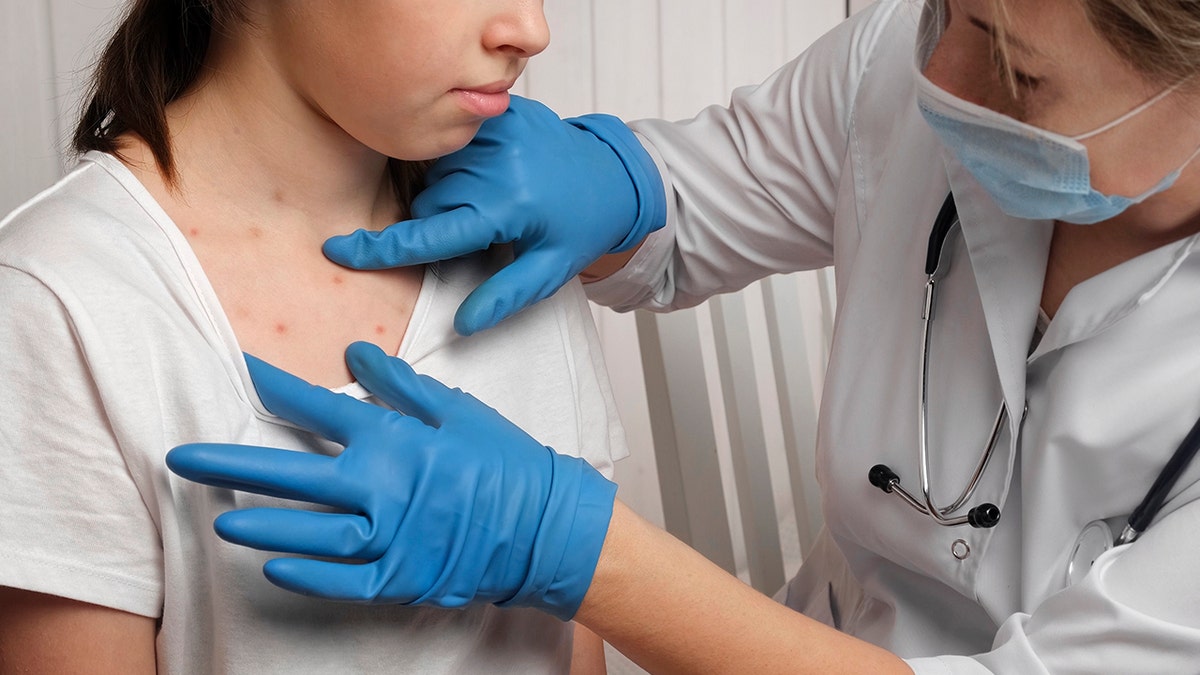
The Texas Department of State Health Services has reported 159 measles cases since late January 2025. (iStock)
Cases of measles continue to spread following the initial outbreak in Texas.
As of Tuesday, March 4, the Texas Department of State Health Services has reported 159 cases since late January.
Twenty-two patients have been hospitalized in Texas since the outbreak began in the state’s South Plains region.
CLICK HERE TO SIGN UP FOR OUR HEALTH NEWSLETTER
Last week, Texas reported the first measles death – a school-aged child who lived in the area and was not vaccinated against the virus.
The agency warned that due to the highly contagious nature of measles, additional cases are “likely to occur” in surrounding communities.
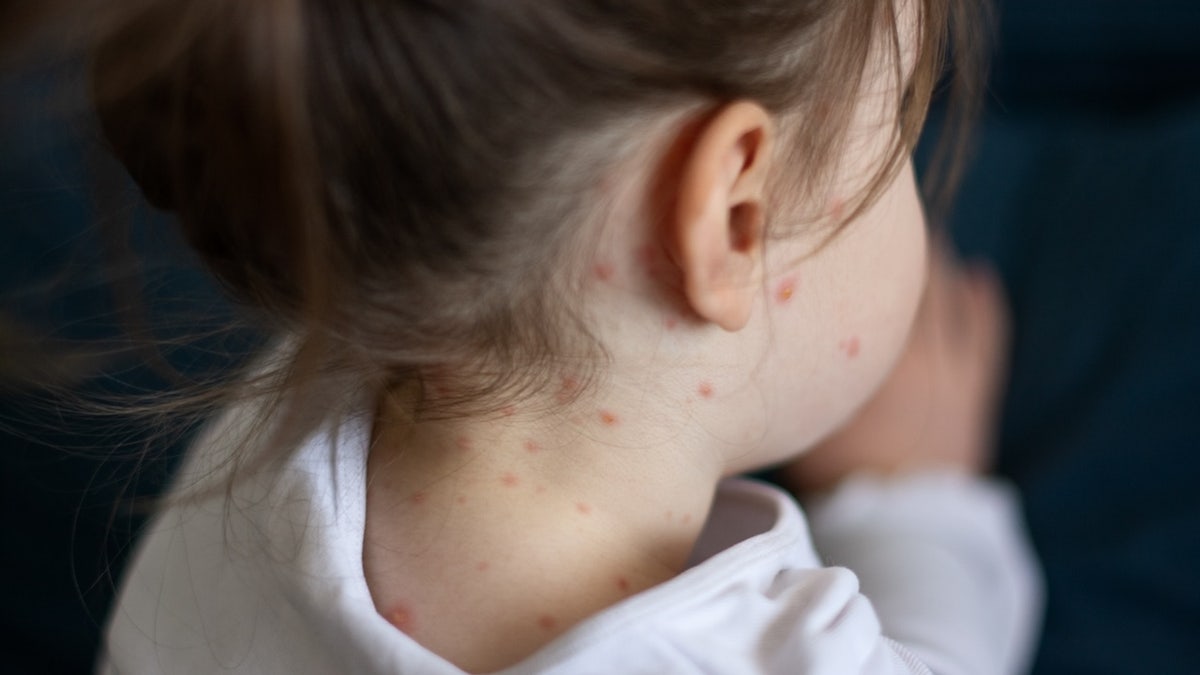
The virus has spread outside Texas borders, with the CDC reporting 164 cases nationwide as of Feb. 27. (iStock)
The disease has since spread outside Texas borders, with the CDC reporting 164 cases nationwide as of Feb. 27.
Cases have been detected in Alaska, California, Georgia, Kentucky, New Jersey, New Mexico, New York City, Rhode Island and Texas.
Pennsylvania has also reported its first case in Montgomery County, according to local news sources.
For more Health articles, visit www.foxnews.com/health
Fox Weather reported on Monday that this Pennsylvania case led to a traveler warning at New York’s JFK Airport.
Officials cautioned that individuals who traveled within and from Terminal 4 of the airport on Feb. 25 may have been exposed, and some may have already been contacted about potential infection.
Most of these U.S. cases have occurred in unvaccinated, school-aged children, according to the CDC.

The best way to prevent infection is to be immunized with two doses of the measles, mumps and rubella (MMR) vaccine, according to experts. (iStock)
There have been nearly 200 reported cases since the beginning of the year. In 2024, there were 285 cases for the entire year, per the CDC.
Forty percent of last year’s cases were hospitalized for isolation or management of complications.
CLICK HERE TO GET THE FOX NEWS APP
Texas health officials emphasized that the best way to prevent infection is to be immunized with two doses of the measles, mumps and rubella (MMR) vaccine.
The virus can remain in the air and on surfaces for up to two hours after the infected person has departed, doctors caution.