-4.5 C
New York
Monday, March 2, 2026
Home Blog Page 446

The high-speed clay technique shaking up home construction

0


Remember those ancient clay structures from history class? Well, clay is making a grand re-entrance into the world of construction, and it’s undergone a high-tech makeover. Thanks to a cutting-edge process called impact printing, clay might just be the building material of the future.

GET SECURITY ALERTS, EXPERT TIPS – SIGN UP FOR KURT’S NEWSLETTER – THE CYBERGUY REPORT HERE
The high-speed clay technique shaking up home construction

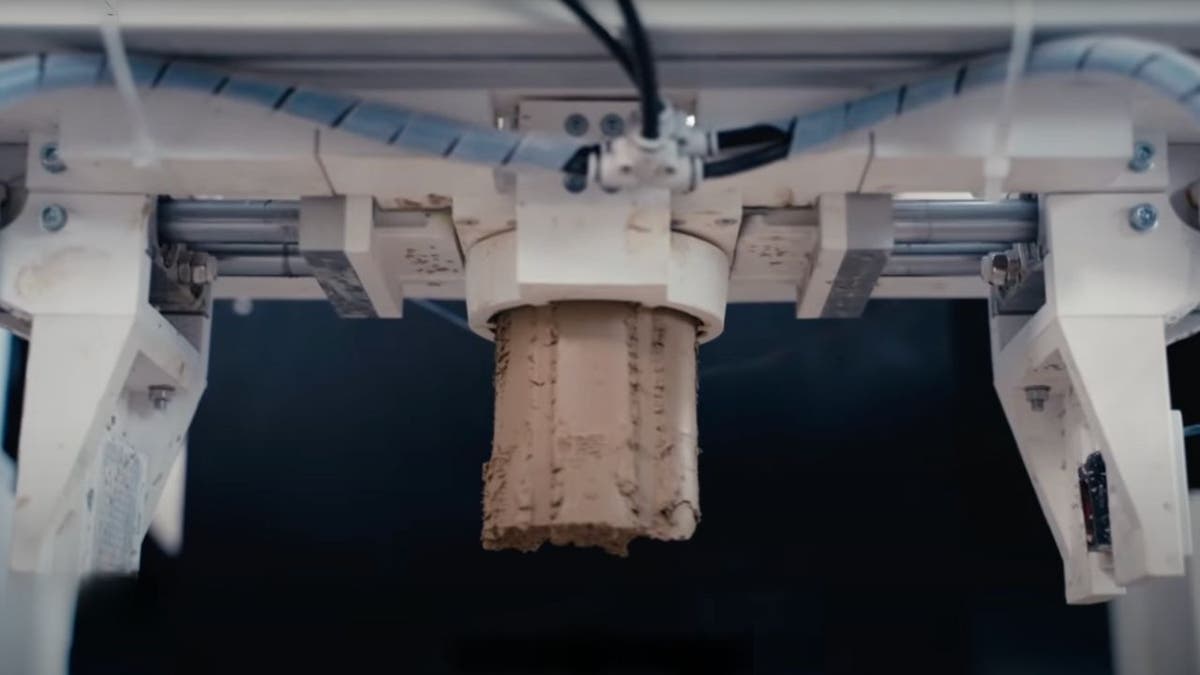
Impact printing with clay (ETH Zurich) (Kurt “CyberGuy” Knutsson)

Move over, concrete: There’s a new building material in town

By now, you’ve probably heard about 3D-printed concrete houses. They’re quick, cheap and produce less waste than traditional building methods. But let’s face it, concrete has its downsides. It needs time to harden, and the cement industry is a major contributor to greenhouse gas emissions. Enter clay, stage left.
The high-speed clay technique shaking up home construction

Impact printing with clay (ETH Zurich) (Kurt “CyberGuy” Knutsson)

LEGO-LIKE CONSTRUCTION BLOCKS MADE FROM PLASTIC WASTE CAN STAND UP TO NATURE’S FURY

Introducing impact printing with clay

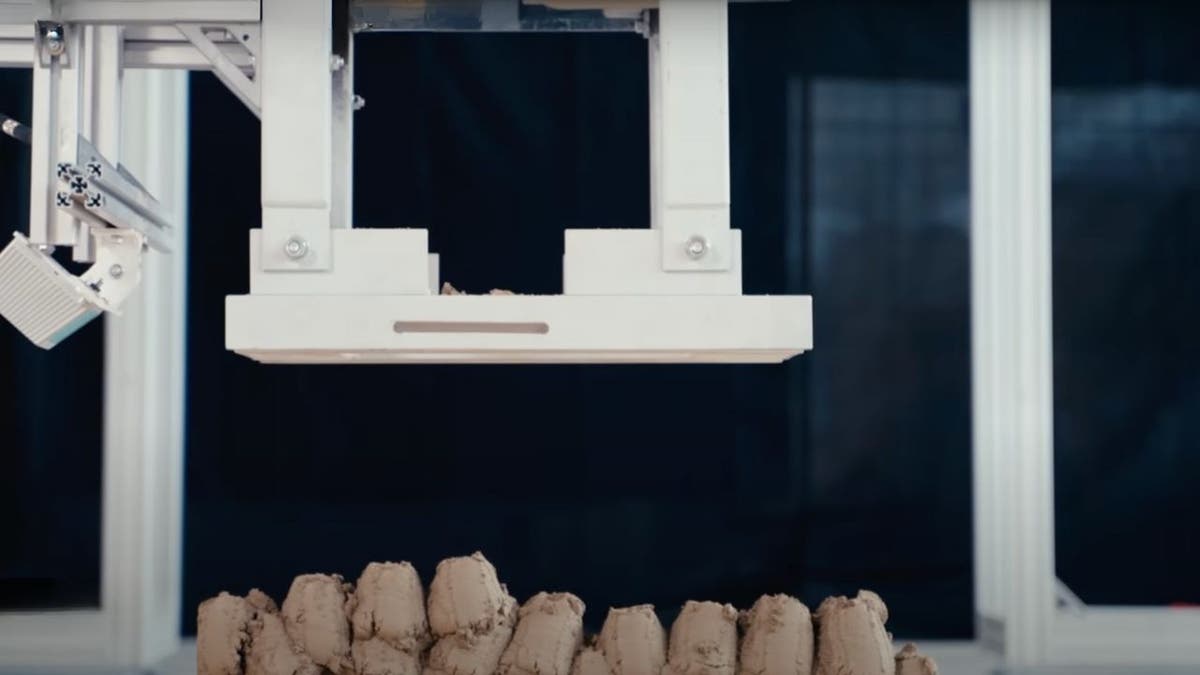
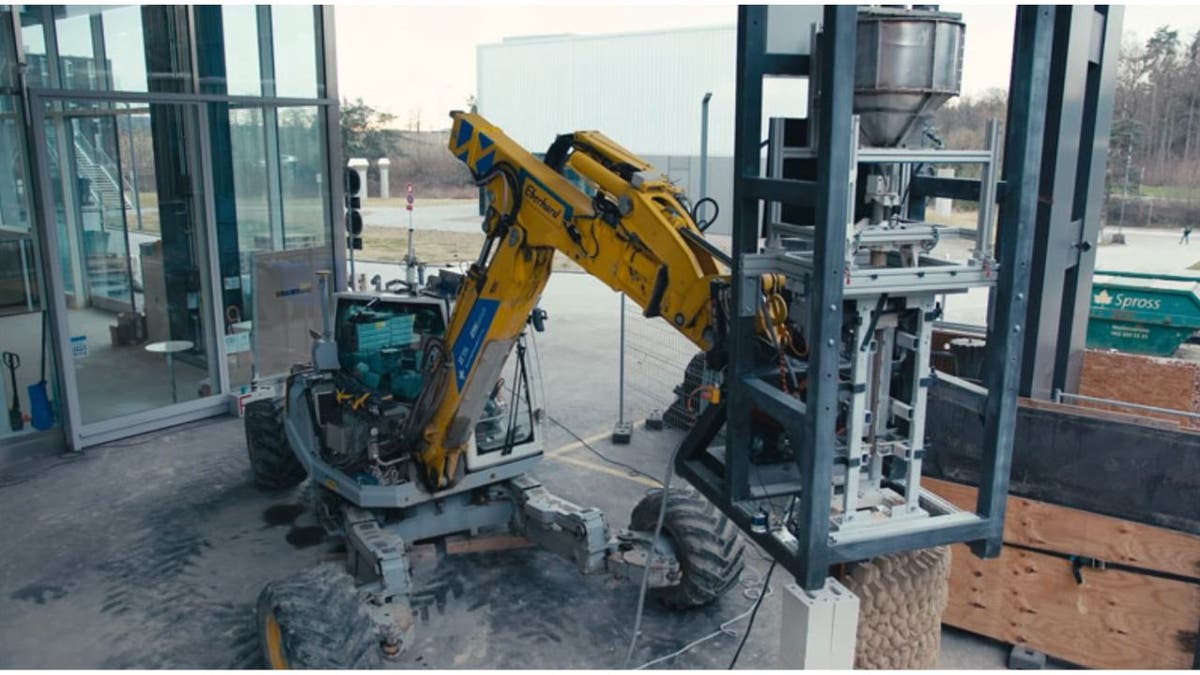
A team of clever scientists at ETH Zurich, led by Dr. Lauren Vasey, has developed a new way to build with clay. They’ve created a special mix of clay, silt and a secret ingredient (a “common waste product” from their industry partner). But here’s where it gets exciting: instead of slowly extruding the material, they shoot it at high speeds using a machine that could one day be brought right to the construction site.

HOW TO REMOVE YOUR PRIVATE DATA FROM THE INTERNET
The high-speed clay technique shaking up home construction

Impact printing with clay (ETH Zurich) (Kurt “CyberGuy” Knutsson)

CONSTRUCTION WORKERS BEING REPLACED BY AI ROBOT BRICKLAYERS

The art of blob building

Picture this: Blobs of clay mixture flying through the air at speeds up to 32.8 feet per second. When these blobs hit their target, they stick together, gradually forming walls, columns or whatever structure you fancy. It’s like watching a high-speed game of clay Tetris.

The high-speed clay technique shaking up home construction

Impact printing with clay (ETH Zurich) (Kurt “CyberGuy” Knutsson)

3D PRINTER CONSTRUCTS STUNNING DATA CENTER HANDS-FREE IN 140 HOURS

A robotic arm provides the finishing touches

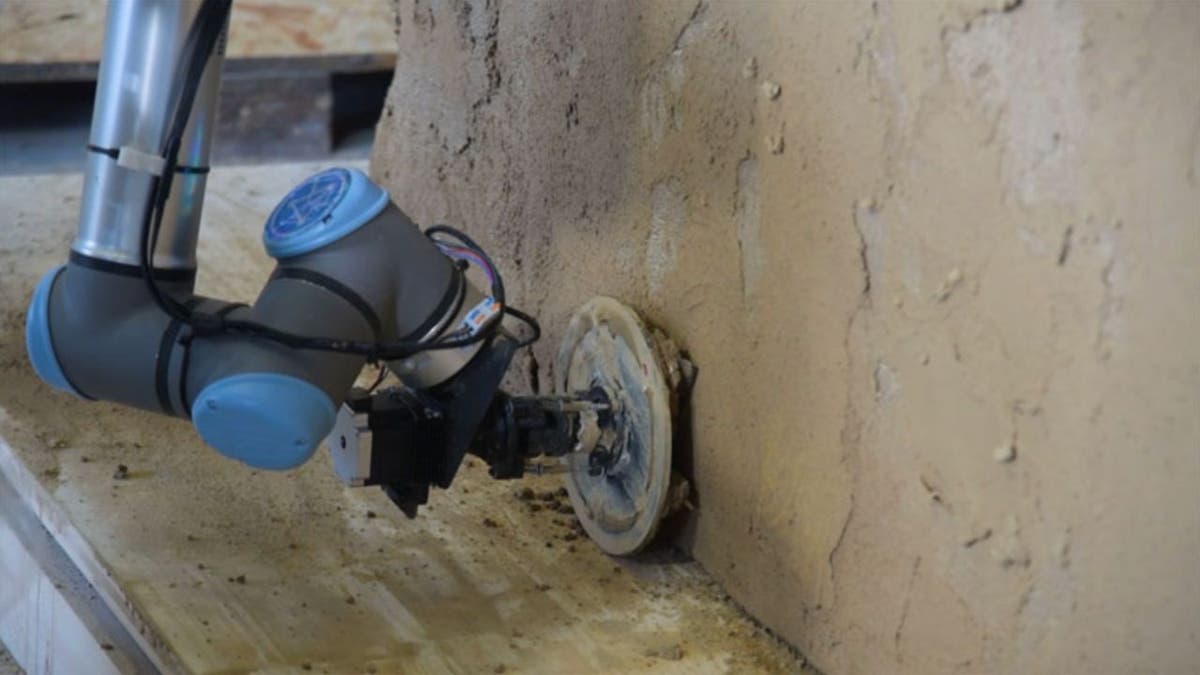
If you’re not into the “bunch-of-blobs” aesthetic (though it could be the next big thing in interior design), don’t worry. The researchers have thought of that, too. A robotic arm with a rotary tool can smooth out the surfaces, giving you that sleek, modern look.
The high-speed clay technique shaking up home construction

Impact printing with clay (ETH Zurich) (Kurt “CyberGuy” Knutsson)

What’s next for impact printing?

The team at ETH Zurich isn’t stopping at simple structures. They’re working on ways to integrate supportive elements into the clay as it’s being deposited and developing fancy software to guide the construction of more complex buildings. They’re even thinking about mounting the printing rig on an autonomous excavator. Imagine a robot building your house while you sip lemonade and watch.

SUBSCRIBE TO KURT’S YOUTUBE CHANNEL FOR QUICK VIDEO TIPS ON HOW TO WORK ALL OF YOUR TECH DEVICES

The high-speed clay technique shaking up home construction

Impact printing with clay (ETH Zurich) (Kurt “CyberGuy” Knutsson)

Kurt’s key takeaways

Impact printing with clay is still in its early stages, but it’s showing incredible promise. It’s fast, doesn’t require cement and uses readily available materials. Plus, it’s a sustainable alternative to concrete construction. As we face increasing pressure to reduce our carbon footprint, technologies like this could play a crucial role in the future of construction. Who knows? In a few years, you might be telling your real estate agent, “I’m looking for a nice three-bedroom, two-bath impact-printed clay home.”

After reading about impact printing technology, would you feel comfortable living in a clay house? Let us know by writing us at Cyberguy.com/Contact.

For more of my tech tips and security alerts, subscribe to my free CyberGuy Report Newsletter by heading to Cyberguy.com/Newsletter.

Ask Kurt a question or let us know what stories you’d like us to cover.

Follow Kurt on his social channels:

Answers to the most asked CyberGuy questions:

New from Kurt:

Copyright 2024 CyberGuy.com. All rights reserved.



Source link

A close call with crafty scammer posing as Microsoft support

0


Microsoft support scams are probably the oldest type of online scam, and they remain just as dangerous as they were a decade ago, perhaps even more so now with scammers having access to better technology, AI tools and advanced hardware. We’ve reported on countless numbers of these scams, but “Bob” from Washington, D.C., forwarded a new one that we wanted to share with you. This particular scam uses Google search results to redirect you to scammers instead of Microsoft customer support.

GET SECURITY ALERTS, EXPERT TIPS – SIGN UP FOR KURT’S NEWSLETTER – THE CYBERGUY REPORT HERE

Our close call with crafty scammer posing as Microsoft support

A woman encounters a Microsoft support scam (Kurt “CyberGuy” Knutsson)

How a Microsoft support scammer nearly stole $14,000

Bob mentioned in the email that he and his wife lost access to their Microsoft Exchange email service. They searched Google for Microsoft support and called a number they found, which connected them to a technician. They then gave him permission to access their computer.

“After a couple of hours of running ‘security’ scans he told us he had found that other IP addresses were trying to get into our system. Getting suspicious I asked him for his ID number and contact information for his supervisor. I called his ‘superior’ who asked me all the ‘right questions’ and confirmed the technician I was talking to was legit,” Bob wrote.

The technician then claimed to have frozen Bob’s account and told him that one of the suspicious IP addresses had attempted to withdraw money from their bank account.

When Bob asked if he should contact the bank about the issue, the technician told him, “Don’t do that. We want to set up a sting and catch them red-handed. We believe there’s an employee leaking customer information, and we don’t want you tipping them off.”

Bob added, “Now nationwide, I believe my bank probably has over 100,000 employees. What are the odds that I would be alerting the one crooked bank employee? Then he said give us permission to access your account. We will ‘borrow’ $14,000, and set up a sting in South Carolina where the police are already waiting to catch the crook.”

The technician, who by this point was clearly a scammer, also promised Bob a $500 reward. But when Bob asked about their original request to have the email account restored, the scammer replied that the IT team would handle that later. Realizing it was a scam, Bob and his wife ended the call.

Our close call with crafty scammer posing as Microsoft support

A woman carrying a Microsoft laptop (Kurt “CyberGuy” Knutsson)

HOW TO RECOGNIZE AND AVOID BEING A VICTIM OF VACATION RENTAL SCAMS

How did a Microsoft support number lead to a scammer?

Scammers often take advantage of search engines like Google by creating fake websites or ads that mimic legitimate Microsoft support pages. When users, like Bob, search for “Microsoft support” or “Microsoft customer service,” they may unknowingly click on one of these fraudulent links, which appear at the top of search results. These fake pages display phone numbers that look official but actually connect users to scammers posing as Microsoft technicians.

Once on the phone, the scammers use scare tactics, like claiming there’s suspicious activity on your account, to gain access to your computer and personal information. In Bob’s case, he called what he thought was a Microsoft support number, but it was really a scammer who tricked him into allowing access to his computer.

Our close call with crafty scammer posing as Microsoft support

A woman working on her laptop (Kurt “CyberGuy” Knutsson)

MOST TARGETED CITIES FOR TRAVEL BOOKING SCAMS

5 ways to protect yourself from Microsoft support scams

Microsoft scams are getting more sophisticated every day, but you’re not defenseless. Here are some ways to protect yourself from Microsoft support scams:

1) Verify contact information: Always use official contact information from Microsoft’s official website. Microsoft does not offer support via unsolicited calls or pop-ups.

2) Be cautious with search results: Be wary of search engine results or ads that appear too good to be true. Use official websites and contact numbers to reach support.

3) Check for red flags: Scammers often use urgent language or threats to create a sense of panic. Be suspicious if you’re pressured to act quickly or if the person asks for remote access to your computer.

4) Invest in personal data removal services: Scammers are becoming increasingly sophisticated in their methods of obtaining personal information. They often scour the web for publicly available data, piecing together details from various sources to create targeted phishing attacks. These personalized scams can be alarmingly convincing, making it crucial to limit the amount of personal information accessible online. Check out my top picks for data removal services here.

5) Have strong antivirus software: If you have strong antivirus software installed on your device, it can protect you from visiting harmful websites on the internet that might be mimicking a company like Microsoft. Antivirus software also helps you avoid opening malicious attachments or links.

While no service promises to remove all your data from the internet, having a removal service is great if you want to constantly monitor and automate the process of removing your information from hundreds of sites continuously over a longer period of time. Get my picks for the best 2024 antivirus protection winners for your Windows, Mac, Android and iOS devices.

HEARTLESS SCAMMERS ARE PREYING ON PEOPLE’S LOST PET ANGUISH

Kurt’s key takeaways

This Microsoft support scam is a reminder to double-check who you’re dealing with before sharing any personal info. Scammers are getting slicker, using fake support numbers that pop up in your search results to trick you into giving them access to your computer or bank details. To stay safe, stick to official contact info from Microsoft’s website, be skeptical of urgent or unexpected calls and keep an eye out for red flags.

Have you ever encountered a Microsoft support scam or any other similar scam? How did you handle it? Let us know by writing us at Cyberguy.com/Contact.

For more of my tech tips and security alerts, subscribe to my free CyberGuy Report Newsletter by heading to Cyberguy.com/Newsletter.

Ask Kurt a question or let us know what stories you’d like us to cover.

Follow Kurt on his social channels:

Answers to the most asked CyberGuy questions:

New from Kurt:

Copyright 2024 CyberGuy.com. All rights reserved.


Source link

Biometric data: Is it safe to hand it over to any company that asks?

0


Join Fox News for access to this content

You have reached your maximum number of articles. Log in or create an account FREE of charge to continue reading.

By entering your email and pushing continue, you are agreeing to Fox News’ Terms of Use and Privacy Policy, which includes our Notice of Financial Incentive.

Please enter a valid email address.

Apple has been using your face data for security for seven years. You likely use your fingerprint to unlock at least a few of your devices. 

Win an iPhone 16 Pro with Apple Intelligence ($999 value). 

No purchase necessary. Enter now!

But have you paid with your palm at Whole Foods yet? Did the TSA scan your face the last time you were at the airport? Using biometric info like your fingerprint and face can save a little time, but a whole lot of potential security risks come along for the ride.

Should you give companies and agencies access to your most personal data? I’ve got the scoop so you can decide for yourself.

10 TECH TIPS AND TRICKS EVERYONE SHOULD KNOW

Fingertip tech

Should you trust big companies with your personal, biometric data? Read more to find out. (iStock)

Catching a flight any time soon?

You’ve probably used the old TSA tech, similar to Apple’s Face ID. They snap a pic and compare it to your ID to confirm it’s really you trying to get through security. Nice to know: They say they delete images of you once you’re through the process.

The TSA’s new Touchless Identity Solution works a little differently. All you do is look at a camera and wait for an agent to give you the green light. Fast and easy! What’s the catch?

In order for this process to work, you’ll need a U.S. passport and TSA PreCheck. You’ll also need to be a member of a participating airline’s loyalty program. When you check in through your airline’s app, you’ll be prompted to opt into a biometrics scan.

THE $40K SCAM THAT ALMOST GOT ME + 3 MORE SPREADING NOW

If you opt in, you’ll allow the TSA to add your photo to a cloud-based verification service. Step up to the camera, and it matches your live image with the stored one. The TSA says both images are deleted within 24 hours of your flight’s departure.

It’s not just the airport. Here are 5 places you’re being recorded in public.

Talk to the hand

Whole Foods uses a process similar to the TSA’s with its palm scan tech. Through the Amazon One app, you can link a credit card to your “palm signature.” Scan your hand in-store, and the data is compared to palm signatures stored in the Amazon cloud. When a match is found, you’re paid up and good to go.

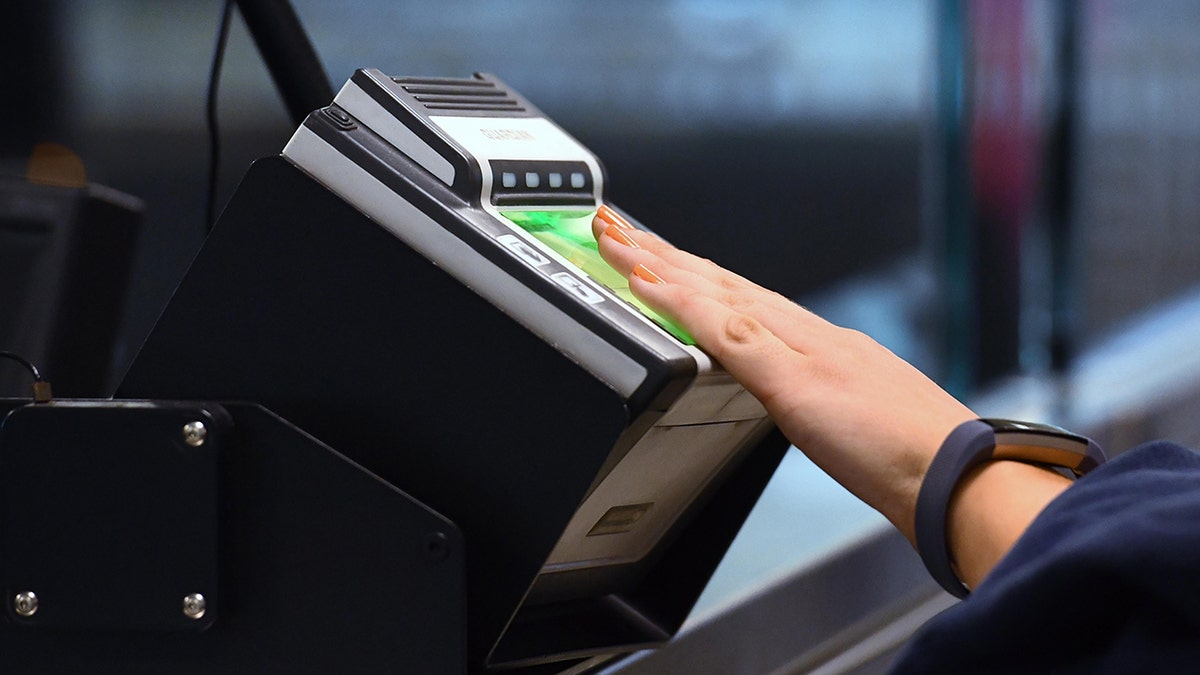
CBP fingerprinting

Fingerprinting and similar systems are used practically everywhere now, from security agencies to grocery stores. (Photo by Katherine Frey/The Washington Post via Getty Images)

Now, Amazon says they only save the mathematical data behind your palm signature, not actual photos of your hand. This means a hacker couldn’t use a high-quality pic of your palm to pass as you.

The safety dance

So are these more advanced biometric screenings hacker-proof? It’s unlikely a crook could fool a biometric reading in the airport. Agents would figure it out pretty quickly.

Even at Whole Foods, it’d be tough for someone to use an image of your palm to pay. Their systems also employ something called “liveness detection,” capturing motion, depth and texture, too.

3 SECURITY AND DATA CHECKS YOU SHOULD DO ONCE A YEAR

But remember, as technology advances, so, too, do criminals. AI deepfakes are already much better than they were just a year ago. There could come a day when a deepfake mask could fool facial recognition software, especially when there’s no real person standing there to double-check.

WATCH: Companies are paying for AI avatars in their ads. You have to see this one.

The biggest issue I see

Let’s say we trust government agencies and big companies to store this biometric data. That doesn’t mean they’re immune to data breaches. When you hand over any kind of data, it’s 100% a hacker’s target.

Hand typing on keyboard, with binary code displayed on computer screen

Biometric data isn’t exempt from the prying eyes of the average hacker. (Jakub Porzycki/NurPhoto via Getty Images)

Thinking about opting into one of these services or another like it? Here’s how to protect your biometric data:

  • Before you let a company or agency access your biometric data, consider their reputation. The TSA is more reputable than a random shopping app. At the very least, search for the org or company with the term “data breach.”
  • Whenever possible, use your biometric data in tandem with a strong password, 2FA or an authenticator app.
  • If you have to upload biometric data online, use a VPN to secure your internet connection first — especially if you’re using a public network. This is an extra barrier between you and anyone else lurking there waiting to steal files.

CLICK HERE TO GET THE FOX NEWS APP

Get tech-smarter on your schedule

Award-winning host Kim Komando is your secret weapon for navigating tech.

Copyright 2025, WestStar Multimedia Entertainment. All rights reserved.


Source link

Someone reinvented the toilet so that you can do your business anywhere

0


Join Fox News for access to this content

You have reached your maximum number of articles. Log in or create an account FREE of charge to continue reading.

By entering your email and pushing continue, you are agreeing to Fox News’ Terms of Use and Privacy Policy, which includes our Notice of Financial Incentive.

Please enter a valid email address.

Have you ever considered how access to proper sanitation affects health, dignity and the environment?

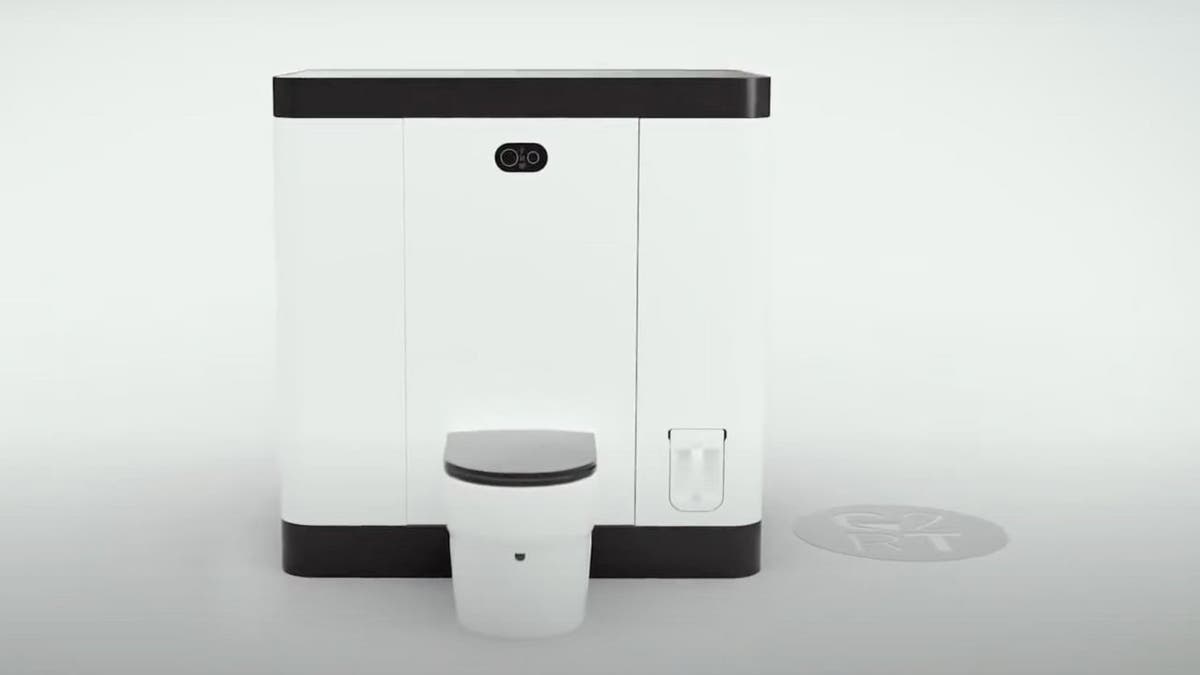
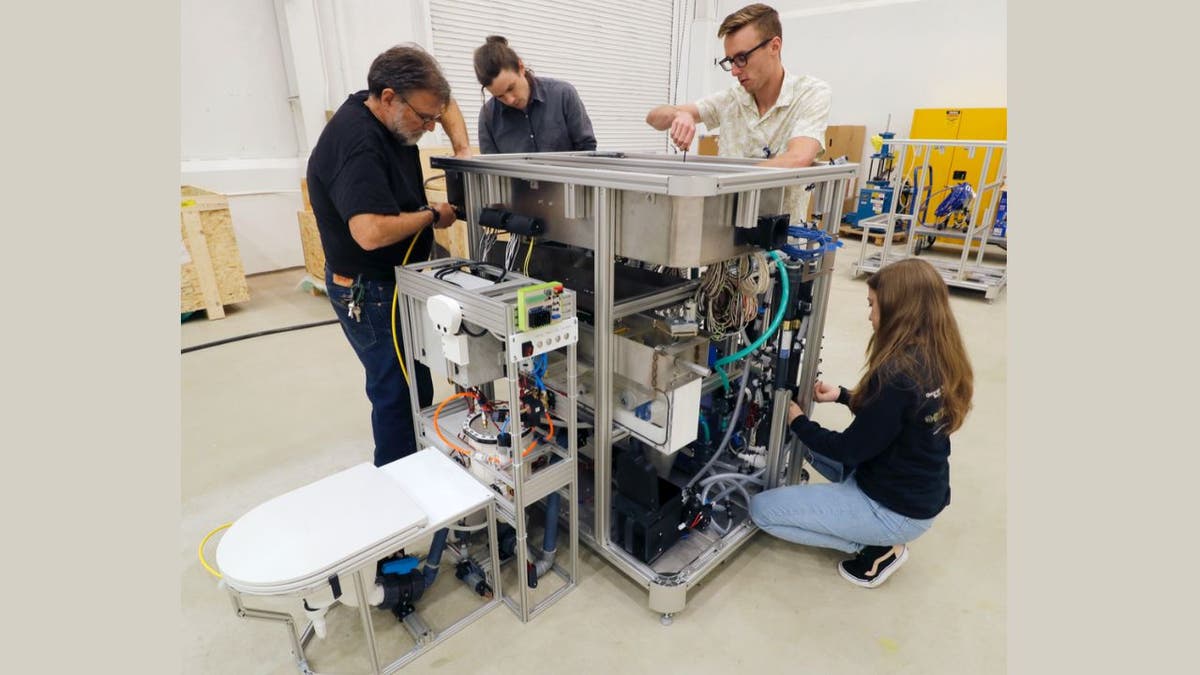
In a groundbreaking move, the pioneering water and housing products company LIXIL secured its position as the first commercial license partner for the Generation 2 Reinvented Toilet (G2RT). This innovative off-grid toilet, developed in collaboration with Georgia Tech, is set to revolutionize sanitation practices worldwide. With billions of people lacking access to safe sanitation facilities, the G2RT offers a promising solution that could transform lives and communities.

GET SECURITY ALERTS, EXPERT TIPS – SIGN UP FOR KURT’S NEWSLETTER – THE CYBERGUY REPORT HERE

Someone reinvented the toilet so that you can do your business anywhere

Generation 2 Reinvented Toilet (LIXIL) (Kurt “CyberGuy” Knutsson)

What makes the G2RT special?

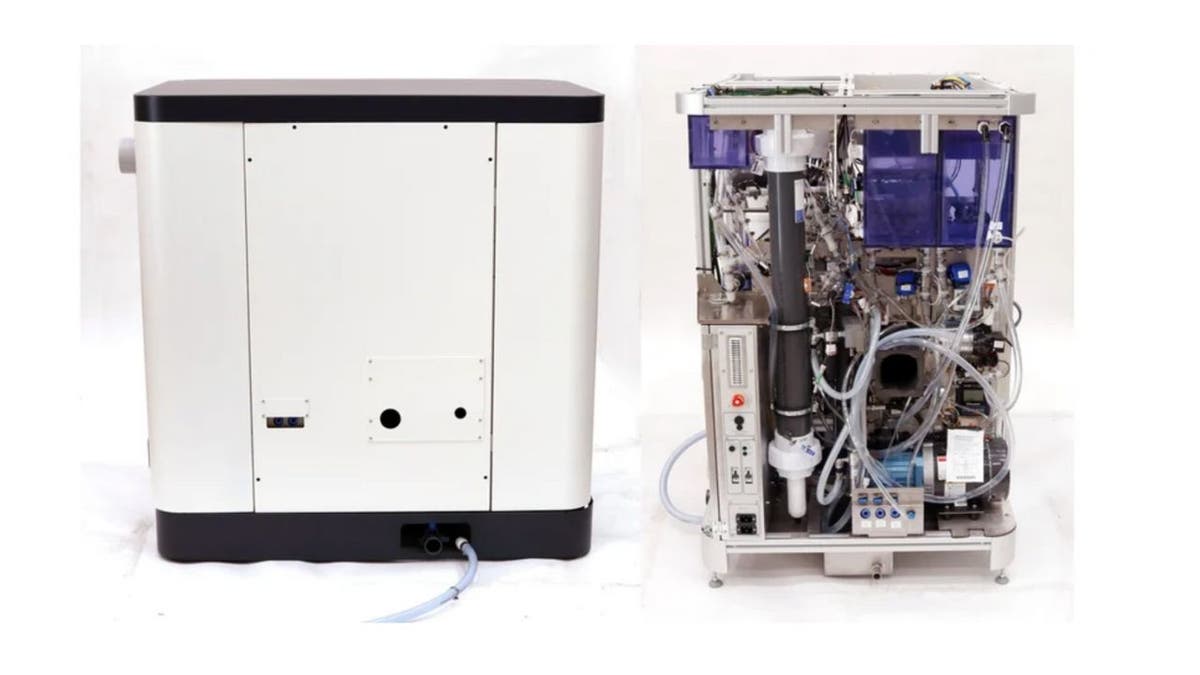
The G2RT is not your average toilet. It operates independently of traditional infrastructure, treating waste directly at the source. This remarkable technology eliminates the need for connection to sanitation grids or septic systems. The G2RT transforms solid waste into safe, compostable dry solids through high heat and pressure while purifying and recycling liquid waste for flushing. Notably, the process also kills harmful pathogens, significantly reducing the spread of waterborne diseases.

Someone reinvented the toilet so that you can do your business anywhere

Generation 2 Reinvented Toilet (LIXIL) (Kurt “CyberGuy” Knutsson)

HOW HIGH-TECH TOILET CAN STOP YOU FROM OVERSPENDING ON ROLLS OF TOILET PAPER

The journey to commercialization

LIXIL is moving swiftly to prepare for commercialization. With the ink barely dry on their commercial license, the company is already gearing up for the next phase. They are actively refining the technology to ensure that it is suitable for both private and public-sector use. LIXIL aims to have the G2RT market-ready within the next three to five years. This innovation has the potential to benefit the 3.5 billion people worldwide who currently lack access to safely managed sanitation services.

HOW TO REMOVE YOUR PRIVATE DATA FROM THE INTERNET

Someone reinvented the toilet so that you can do your business anywhere

Generation 2 Reinvented Toilet (LIXIL) (Kurt “CyberGuy” Knutsson)

HOW THIS ROBOT JANITOR IS CLEANING TOILETS AND DOING THE DIRTY WORK

Why this matters

The G2RT represents more than just a toilet; it serves as a solution to a global crisis. By preventing water contamination, it reduces the risk of diseases like cholera and dysentery while offering significant savings in construction and installation costs. Furthermore, it brings sanitation to communities where traditional infrastructure is not feasible.

Someone reinvented the toilet so that you can do your business anywhere

Generation 2 Reinvented Toilet (LIXIL) (Kurt “CyberGuy” Knutsson)

YOUR DAYS OF DREADING GROSS PUBLIC BATHROOMS MAY SOON BE OVER

Kurt’s key takeaways

By transforming a basic necessity into an advanced, self-contained appliance, LIXIL is not only innovating in toilet technology but also paving the way for improved public health, reduced environmental impact and enhanced quality of life for billions. The next few years will be crucial as LIXIL works to bring this game-changing technology to market, potentially ushering in a new era of sanitation accessibility worldwide.

As we face increasing environmental challenges, how important do you think sustainable sanitation solutions are for future generations? Let us know by writing us at Cyberguy.com/Contact.

For more of my tech tips and security alerts, subscribe to my free CyberGuy Report Newsletter by heading to Cyberguy.com/Newsletter.

Ask Kurt a question or let us know what stories you’d like us to cover.

Follow Kurt on his social channels:

Answers to the most asked CyberGuy questions:

New from Kurt:

Copyright 2024 CyberGuy.com. All rights reserved.


Source link

Hurricane Helene causes IV fluid shortage at hospitals nationwide

0

The aftermath of Hurricane Helene continues to affect the U.S.

Among those feeling the aftershock, hospitals around the U.S. have reported a shortage of IV fluid.

Baxter International, an IV fluid manufacturing plant in North Cove, North Carolina, was hit particularly hard by the hurricane, causing its supply to be damaged by flooding.

HURRICANE FLOODING: 3 HEALTH WARNINGS ABOUT MOLD GROWING IN YOUR HOME

The plant produces 60% of America’s IV fluid supply at 1.5 million bags daily, the company stated.

Baxter International in North Carolina produces 60% of America’s IV fluid supply. (iStock)

Various hospitals have already felt the impact, according to a report by FOX Business’ Lydia Hu.

This includes Mass General Brigham in Boston, which is conserving its fluid supply, and UVA Hospital, which is postponing some elective and non-life-threatening surgeries.

Hospitals have noted that they’ve received less than half of the IV fluid they get in their shipments, Hu reported on Fox News’ “America Reports.”

HURRICANE EFFECTS POSE ‘TREMENDOUS’ HEALTH HAZARDS FOR AMERICANS, DOCTOR WARNS

Baxter International announced in a Monday statement that several of its global plants are “scaling and ramping production to help meet U.S. needs.”

“We expect to receive product from these sources throughout the month of October,” the company said.

debris cleanup

Brian McCormack pauses after using a wheelbarrow to clean up debris left in the aftermath of Hurricane Helene on Oct. 1, 2024, in Marshall, North Carolina. (AP Photo/Jeff Roberson)

As of Wednesday, the company announced its goal to restore North Cove production in phases and return to 90% to 100% allocation by the end of 2024.

The American Hospital Association (AHA) sent a letter to the Biden Administration on Oct. 7 requesting a declaration of the shortage and asking to invoke the Defense Production Act.

CHEF ANDREW GRUEL’S 5 KEY TIPS FOR PRESERVING FOOD AND GETTING THROUGH HURRICANE MILTON

“The AHA strongly urges the Administration to take immediate actions to increase the supply of IV solutions for the nation’s hospitals, health systems and other health care providers that are already struggling to provide care,” AHA President Richard J. Pollack wrote in the letter.

For more Health articles, visit www.foxnews.com/health

Dr. Chris Derienzo, the association’s chief physician officer, told Hu that using the act would allow the Food and Drug Administration (FDA) and the Department of Defense (DOD) to increase production and ensure nationwide supply.

“I’ve heard from hospitals from coast to coast,” he said. “This impact is felt by patients everywhere.”

Cars sit submerged in a flooded area at a used tire dealer after Tropical Storm Helene in Hendersonville, North Carolina,

Cars sit submerged in a flooded area at a used tire dealer after Tropical Storm Helene in Hendersonville, North Carolina, on Sept. 27, 2024.    (Ken Ruinard/USA Today Network via Reuters)

Kenneth J. Perry, MD, FACEP, emergency physician at Trident Medical Center in Charleston, South Carolina, shared with Fox News Digital that IV fluids are “very important” for treating a variety of conditions in the emergency department.

CLICK HERE TO SIGN UP FOR OUR HEALTH NEWSLETTER

“From nausea and vomiting, dehydration, rhabdomyolisis and even infections, fluids are a cornerstone of treatment,” he said. “With the recent destruction in North Carolina from Hurricane Helene, the production of intravenous fluids has been severely limited.”

To mitigate this, Perry suggested, the first step should be to ensure that everyone in a hospital setting is aware of the shortages.

nurse with IV drip in hospital

IV fluids are essential for treating a variety of conditions in the emergency department, a doctor noted. (iStock)

“There has to be a team approach when we have such an acute shortage,” he said. 

“Hospitals need to utilize every possible option for fluid administration, such as small-as-possible volumes of fluids and even changing protocols that initiate fluids without specific needs.”

“Physicians need to stay vigilant to ensure that we are able to adapt and change patient care protocols as new pressures arise.”

Shortages within the health care system are not new, the physician added, as hospitals around the world experienced supply shortages during the coronavirus pandemic.

CLICK HERE TO GET THE FOX NEWS APP

“Health care entities had to manage to treat patients even as the supply chains were not keeping up,” Perry noted. 

“Physicians need to stay vigilant to ensure that we are able to adapt and change patient care protocols as new pressures arise.”

Ransomware attack impacts 237,000 Comcast customers

0


Join Fox News for access to this content

You have reached your maximum number of articles. Log in or create an account FREE of charge to continue reading.

By entering your email and pushing continue, you are agreeing to Fox News’ Terms of Use and Privacy Policy, which includes our Notice of Financial Incentive.

Please enter a valid email address.

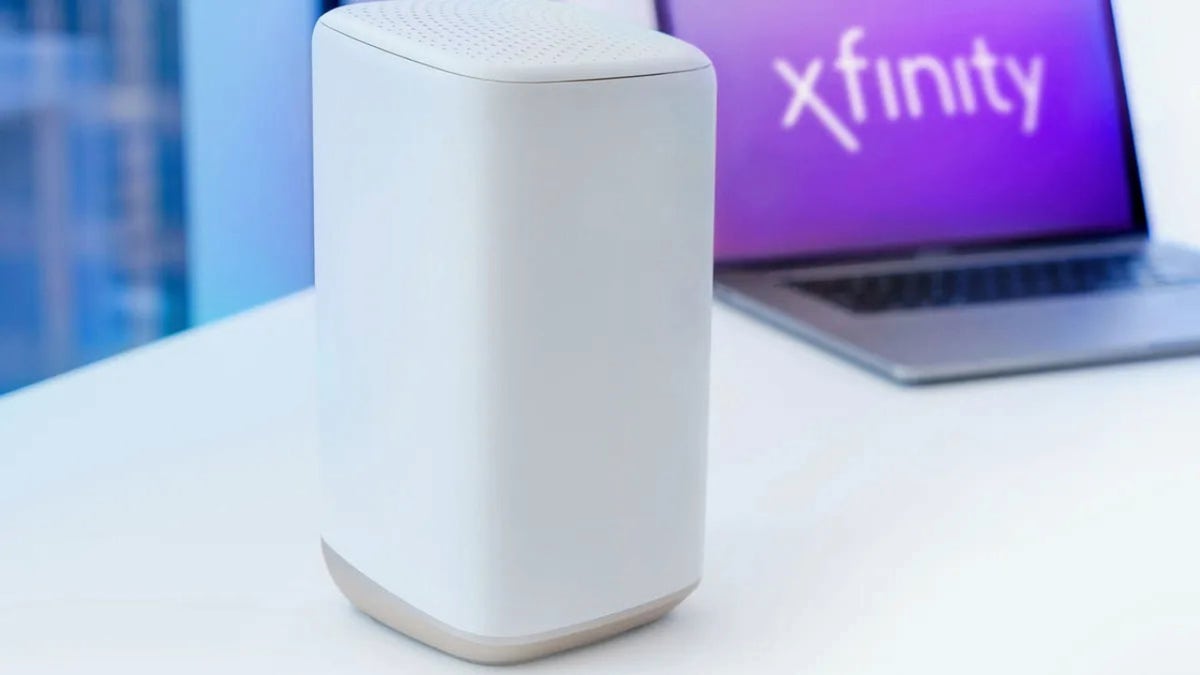
U.S. telecom giant Comcast as well as Truist Bank and Capio & CF Medical are the latest companies to be hit with a data leak, but it’s not their fault. The data leak stems from the Financial Business and Consumer Solutions (FBCS) breach in February. Some 237,000 Comcast customers’ personal information was exposed, including people’s names, addresses, Social Security numbers, birth dates as well as Comcast account and ID numbers.

GET SECURITY ALERTS, EXPERT TIPS – SIGN UP FOR KURT’S NEWSLETTER – THE CYBERGUY REPORT HERE

Ransomware attack impacts 237,000 Comcast customers

Comcast is a major cable and internet provider. (Comcast)

What you need to know

A data breach has exposed the names, addresses, Social Security numbers and birth dates of more than 237,700 Comcast customers, according to a filing with the state of Maine on Friday, as reported by BleepingComputer. The breach stems from a security incident at Financial Business and Consumer Solutions (FBCS), a Pennsylvania-based debt collection agency previously used by Comcast.

FBCS first informed Comcast in March that the security incident did not involve any customer data. However, in July, FBCS notified the telecom giant that its customer data had, in fact, been compromised, stating that an “unauthorized party downloaded data from FBCS systems and encrypted some systems as part of a ransomware attack.”

The stolen data belongs to customers who signed up “around 2021,” Comcast says, adding that it stopped using FBCS for debt collection in 2020. FBCS hasn’t shared the details of its security incident yet, but Comcast’s filing confirms it was a ransomware attack, a type of cyberattack where hackers hold the data and demand a ransom to either delete it or give it back.

Ransomware attack impacts 237,000 Comcast customers

Ransomware after data breaches are becoming more common. (Kurt “CyberGuy” Knutsson)

MASSIVE FREE VPN DATA BREACH EXPOSES 360 MILLION RECORDS

The FBCS attack that started it all

As I reported back in June, the FBCS cyberattack happened on Feb. 14 when hackers accessed the company’s systems. FBCS didn’t realize there had been a breach until Feb. 26, and when it did, it described the incident as “unauthorized access to certain systems in its network.”

Initially, the company estimated that around 1.9 million people were affected, but that number jumped to 4 million in June 2024. The data breach leaked a massive amount of consumer information, including full names, Social Security numbers, birth dates and driver’s license or ID card numbers. 

Since FBCS provides services to multiple companies, their customers’ data got mixed up in the leak. So, even if you have nothing to do with FBCS, your info might still be out there. Along with Comcast, Truist Bank – one of the largest banks in the U.S. – and CF Medical, a medical debt-purchasing company known as Capio, have also been affected. As a result of this incident, Comast is offering credit monitoring for one year to customers who were affected.

Ransomware attack impacts 237,000 Comcast customers

HERE’S WHAT RUTHLESS HACKERS STOLE FROM 110 MILLION AT&T CUSTOMERS

6 ways to protect yourself from data breaches

If you’ve been affected by the Comcast breach, follow these steps to protect your personal data and privacy.

1) Invest in identity theft protection: If you think your personal data has been leaked, scammers may try to impersonate you to gain access to your private information. The best thing you can do to protect yourself from this type of fraud is to subscribe to an identity theft service.

Identity theft companies can monitor personal information like your Social Security number, phone number and email address and alert you if it is being sold on the dark web or being used to open an account. They can also assist you in freezing your bank and credit card accounts to prevent further unauthorized use by criminals. See my tips and best picks on how to protect yourself from identity theft.

2) Place a fraud alert: If you suspect you are a victim, contact the three major credit reporting agencies (Equifax, Experian or TransUnion) and request a fraud alert to be placed on your credit file. This will make it more difficult for identity thieves to open new accounts in your name without verification. Comcast is offering a year of free credit monitoring for those who may have been impacted through data breach response firm CyEx.

3) Be cautious of phishing attempts: Be vigilant about emails, phone calls or messages from unknown sources asking for personal information. Avoid clicking on suspicious links or providing sensitive details unless you can verify the legitimacy of the request. The best way to safeguard yourself from malicious links that install malware, potentially accessing your private information, is to have antivirus software installed on all your devices. This protection can also alert you to phishing emails and ransomware scams, keeping your personal information and digital assets safe. Get my picks for the best 2024 antivirus protection winners for your Windows, Mac, Android and iOS devices.

4) Check Social Security benefits: It is crucial to periodically check your Social Security benefits to ensure they have not been tampered with or altered in any way, safeguarding your financial security and preventing potential fraud.

5) Beware of snail mail: With all the data leaks happening, it’s more important than ever to keep an eye on your physical mail. Hackers can get their hands on sensitive information, and that can lead to identity theft or fraud. Be on the lookout for any unexpected letters or packages, especially if they ask for personal info or seem suspicious. 

6) Invest in a data removal service: Consider using a data removal service that specializes in eliminating your personal information from online databases and people-search websites. These services can help reduce your digital footprint and make it more difficult for identity thieves to access your information. By proactively removing your data from public view, you can enhance your privacy and security in the wake of a breach like the one experienced by Comcast.

These services do all the work for you by actively monitoring and systematically erasing your personal information from hundreds of websites. It’s what gives me peace of mind and has proven to be the most effective way to erase your personal data from the internet. By limiting the information available, you reduce the risk of scammers cross-referencing data from breaches with information they might find on the dark web, making it harder for them to target you. Check out my top picks for data removal services here.

WORLD’S LARGEST STOLEN PASSWORD DATABASE UPLOADED TO CRIMINAL FORUM

Kurt’s key takeaway

The FBCS data breach affected Comcast, Truist and CF Medical, and these are just the names we know of. The total number of affected users is above four million, which means we might hear of more companies whose customers’ data has been leaked due to FBCS. Since it’s a ransomware attack, FBCS might have to pay the hackers a hefty ransom to get the data back or deleted; otherwise, it could end up in the hands of dark web scammers and other data aggregators.

Do you think companies like FBCS should be held accountable for breaches that affect their clients’ customers? Let us know by writing us at Cyberguy.com/Contact.

For more of my tech tips and security alerts, subscribe to my free CyberGuy Report Newsletter by heading to Cyberguy.com/Newsletter.

Ask Kurt a question or let us know what stories you’d like us to cover.

Follow Kurt on his social channels:

Answers to the most asked CyberGuy questions:

New from Kurt:

Copyright 2024 CyberGuy.com. All rights reserved.


Source link

Georgia woman’s Bible survives Hurricane Helene destruction

0

While thousands of people in Florida are experiencing the impacts of Hurricane Milton, a woman in Georgia is still recovering from destruction caused by the previous weather disaster, which, to her surprise, left a specific divine item virtually untouched.

Cindy Cole, a 62-year-old grandmother from Nashville, Georgia, recently had her home crushed by Hurricane Helene. 

Cole told SWNS that she was asleep in her bedroom when the storm was passing through on the night of Sept. 26. That’s when she heard a voice — something she believed to be divine intervention, she said.

FLORIDA MAN WON’T EVACUATE FOR HURRICANE MILTON, PLANS TO ‘SWIM OUT’ TO SAFETY AFTER SURGE HITS

“I had this little voice that kept saying, ‘Get up! Go to another room in your house,’” she told the outlet. 

Cindy Cole (pictured here) said she heard a voice that told her to get up and go to another room just minutes before a tree collapsed on top of her roof.  (SWNS)

Cole said the “voice” came to her when she was awoken to the sound of her electricity going out in the middle of the night. 

“I laid there, and I heard it [again] like three different times saying, ‘Get up! Go to another room in your house,’” she said. 

MUSEUM WORKER MISTAKES BEER CAN ARTWORK FOR GARBAGE, TOSSES IN TRASH

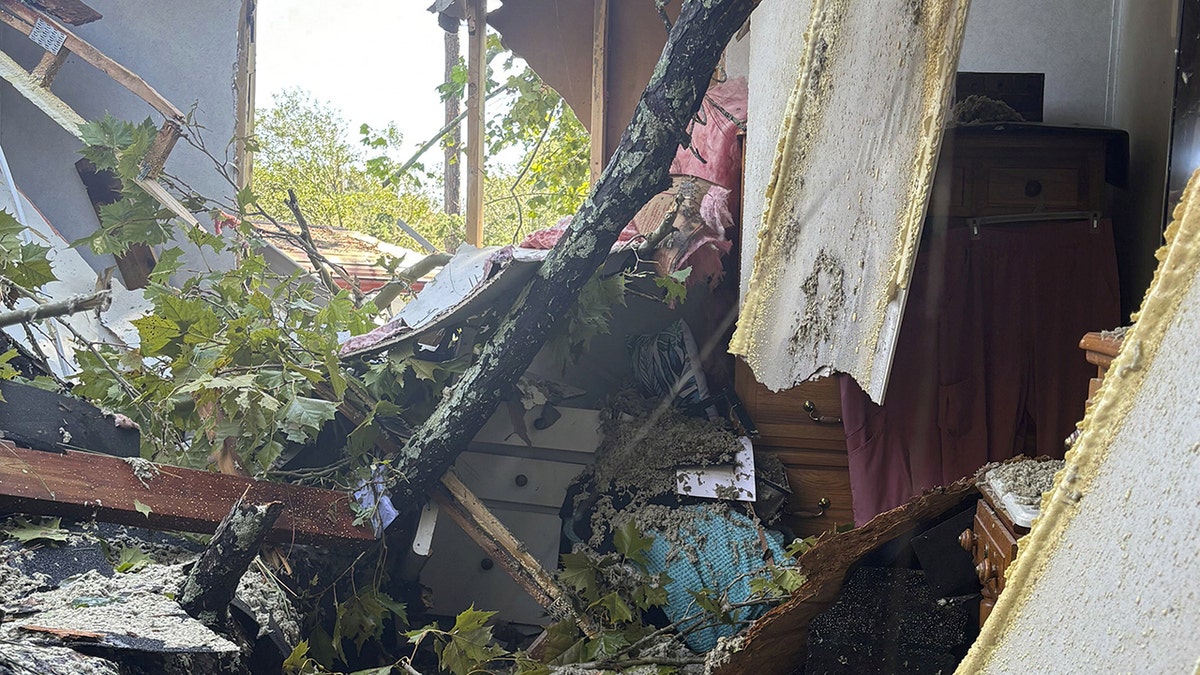
Cole got up and exited the room, and within five minutes a large tree from her neighbor’s hard “crashed into the bedroom” and landed on her bed, SWNS reported.

Bible survived Hurricane Helene

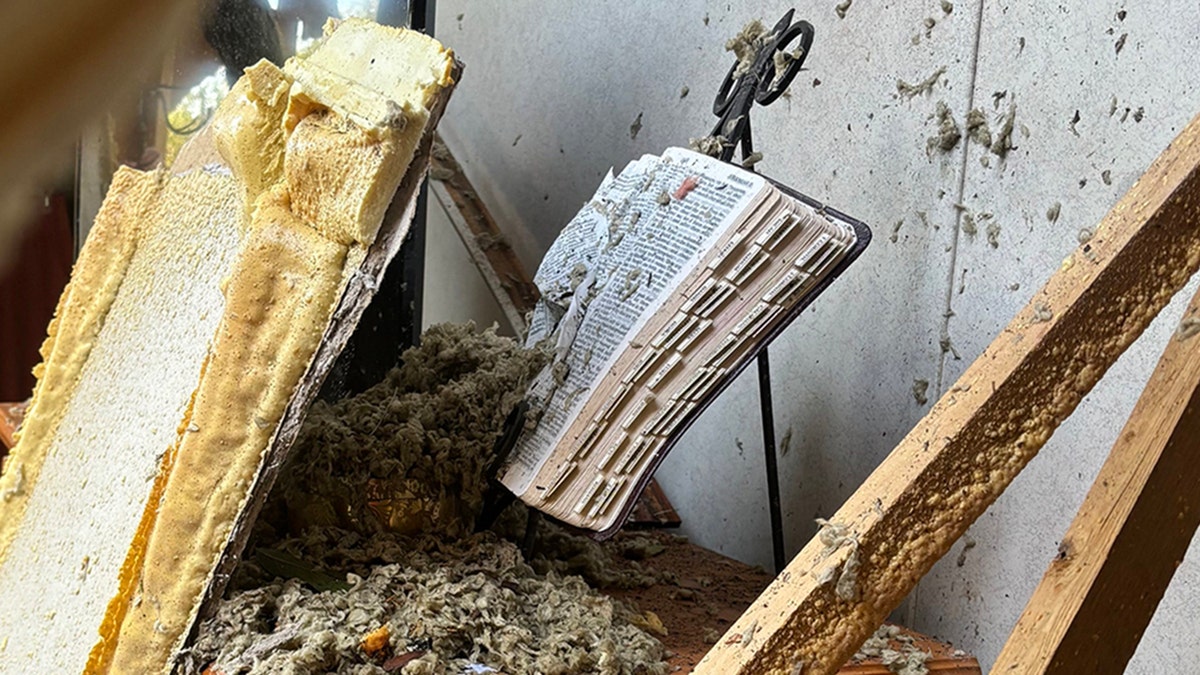
Cole said the only thing still standing in her bedroom was her Bible after Hurricane Helene demolished her home. (SWNS)

“I’m thinking it was the Lord telling me to move to another room,” she said. 

CRUISE PASSENGERS SHOW EFFECTS FROM HURRICANE MILTON AT SEA

Cole said that when she went back into her bedroom to look at the damage she was shocked to see her room completely destroyed, and her Bible left untouched. 

“When I first saw the Bible, I’m like, ‘Oh look! I cannot believe that the Bible’s still standing,’” she said. 

For more Lifestyle articles, visit www.foxnews/lifestyle

She told SWNS, “You cannot touch the word of the Lord. You cannot touch it.”

Hurricane Helene damage

Cindy Cole’s house was destroyed after Hurricane Helene. (SWNS)

“I’d been praying and asking the Lord to keep us all safe,” she said.

CLICK HERE TO SIGN UP FOR OUR LIFESTYLE NEWSLETTER

The city of Nashville, Georgia, is home to just about 4,700 people, according to the city’s website. 

Currently, more than 230 people died during Hurricane Helene — although the death toll is expected to grow as search and rescue efforts continue. 

CLICK HERE TO GET THE FOX NEWS APP

Fox News’ Audrey Conklin contributed to this report.

Fox News AI Newsletter: Creepy yet helpful robot is ready to assist

0


Welcome to Fox News’ Artificial Intelligence newsletter with the latest AI technology advancements.

IN TODAY’S NEWSLETTER:

– Pioneers of AI win Nobel Prize in physics for laying the groundwork of machine learning

– Uber is shifting to EV, and AI will assist drivers making the change

– Expert warns UN’s role in AI regulation could lead to safety overreach

– NEO Beta: A home-use humanoid robot with advanced features for safety and personalized help

John Hopfield and Geoffrey Hinton

This photo combo shows the 2024 Nobel Prize winners in Physics, professor John Hopfield, left, of Princeton University, and professor Geoffrey Hinton, of the University of Toronto, on Tuesday, Oct. 8, 2024. (Princeton University via AP and Noah Berger/AP Photo)

FOUNDATIONAL WORK: Two pioneers of artificial intelligence — John Hopfield and Geoffrey Hinton — won the Nobel Prize in physics Tuesday for helping to create the building blocks of machine learning that are revolutionizing the way we work and live, but also create new threats for humanity.

UBER EV: Ride-sharing platform Uber on Tuesday announced that the company is taking new steps to promote the use of electric vehicles (EVs) on its platform.

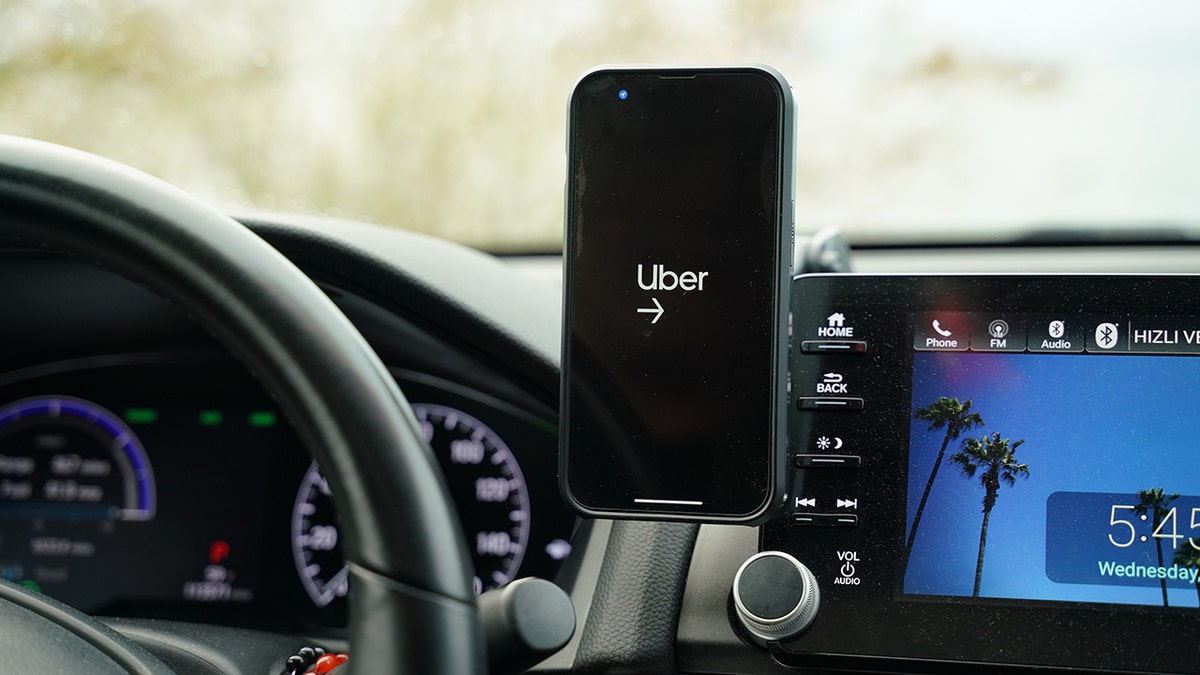
uber app open on the dashboard of a car

An interior view of an Uber car with the Uber Connect application. (Lokman Vural Elibol/Anadolu Agency/Getty Images)

‘BETTER JOB’: The United Nations (U.N.) advisory body on artificial intelligence (AI) last week issued seven recommendations to address AI-related risks, but an expert told Fox News Digital the points do not cover critical areas of concern. 

MOVE-IN READY: Are you ready to have a humanoid robot in your home that could help with everyday tasks and make life just a little bit easier? Well, get ready to meet NEO Beta. This innovative humanoid robot from 1X Technologies, an OpenAI-backed Norwegian firm, is designed specifically for home environments, and it’s about to change the way we interact with technology in our daily lives.

home robot 1

NEO Beta humanoid robot  (1X Technologies)

Subscribe now to get the Fox News Artificial Intelligence Newsletter in your inbox.

FOLLOW FOX NEWS ON SOCIAL MEDIA

Facebook
Instagram
YouTube
Twitter
LinkedIn

SIGN UP FOR OUR OTHER NEWSLETTERS

Fox News First
Fox News Opinion
Fox News Lifestyle
Fox News Health

DOWNLOAD OUR APPS

Fox News
Fox Business
Fox Weather
Fox Sports
Tubi

WATCH FOX NEWS ONLINE

Fox News Go

STREAM FOX NATION

Fox Nation

Stay up to date on the latest AI technology advancements and learn about the challenges and opportunities AI presents now and for the future with Fox News here.


Source link

Say goodbye to dead batteries with this portable wind turbine

0


When you’re out adventuring, staying connected is essential. Whether it’s your phone, laptop or even a drone, everything seems to need a recharge just when you’re in the most remote places. 

The solution? Shine 2.0, a mini wind turbine that not only fits in your backpack but also powers all your gadgets, day or night, rain or shine. 

Let’s dive into the details of this 3-in-1 portable wind turbine, charge controller and power bank.

GET SECURITY ALERTS, EXPERT TIPS – SIGN UP FOR KURT’S NEWSLETTER – THE CYBERGUY REPORT HERE

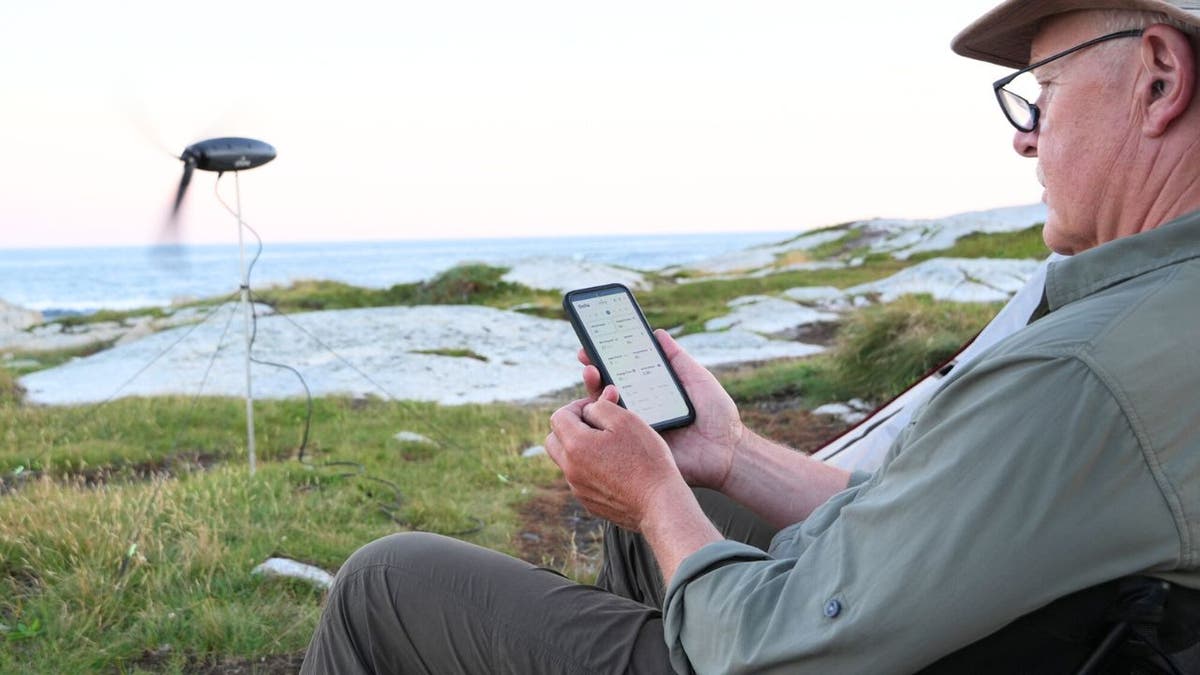
portable wind turbine 1

A man using the Shine 2.0 wind turbine (Aurea Technologies)

Power on the go

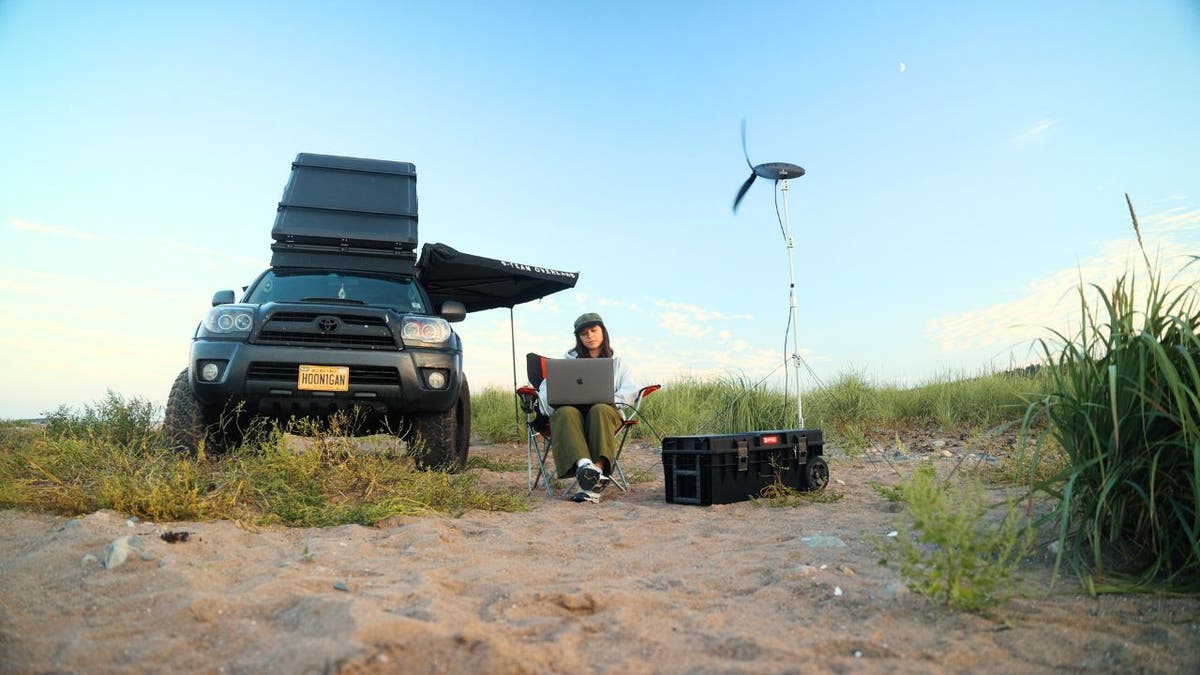
Designed for “outdoor enthusiasts and emergency preparedness,” the Shine 2.0 folds down to the size of a 1-liter water bottle weighing just 3 pounds, making it a breeze to pack. The turbine is also weather-sealed to IP54 standards, meaning it can withstand rain and dust, perfect for outdoor adventures. It comes equipped with three 23.6-inch composite-reinforced blades and can be mounted on a 6-foot tower to capture more wind and increase efficiency.

portable wind turbine 2

People using the Shine 2.0 wind turbine (Aurea Technologies)

THE BEST TRAVEL GEAR FOR 2024

Harnessing nature’s power

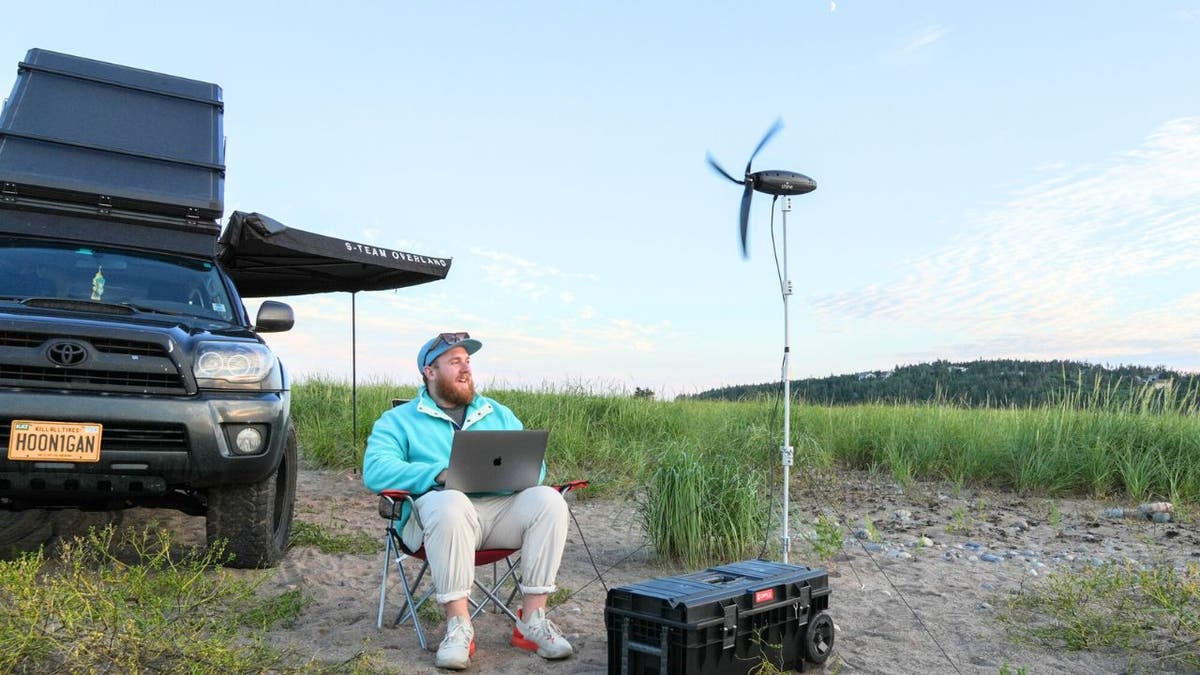
The Shine 2.0 is capable of generating up to 50 watts of power, enough to charge your phone in just 17 minutes if it catches a 28-mph wind. For laptops, it can recharge them in under two hours. Even in lighter winds, the Shine 2.0 will keep working, although at slower speeds. It has a built-in 12,000-mAh Li-ion battery to store the power it generates, meaning you can charge your devices even when the wind dies down.

HOW TO REMOVE YOUR PRIVATE DATA FROM THE INTERNET 

portable wind turbine 3

A woman using the Shine 2.0 wind turbine (Aurea Technologies)

NEW BATTERY HAS DOUBLE THE POWER AND FRACTION OF THE DANGEROUS CHEMICALS

Smart monitoring and fast charging

Thanks to Bluetooth connectivity, you can monitor wind speeds, power generation and battery status in real time through the companion mobile app. This allows you to track and optimize the turbine’s performance. For fast charging, the Shine 2.0 includes a USB-C PD port that supports 75W fast charging, meaning you can power phones, cameras, laptops and even drones quickly and efficiently.

CLICK HERE FOR MORE US NEWS

portable wind turbine 4

A man using the Shine 2.0 wind turbine (Aurea Technologies)

OLD VS. NEW BACKUP POWER GENERATORS: BATTERY VS GAS

Versatility and adaptability

The Shine 2.0 doesn’t just stop at small devices. With optional adapters, you can use it to charge power stations from popular brands like Jackery, EcoFlow and Bluetti. This makes it an invaluable asset not only for hikers and campers but also for those preparing for emergencies or looking for renewable energy solutions during power outages.

GET FOX BUSINESS ON THE GO BY CLICKING HERE

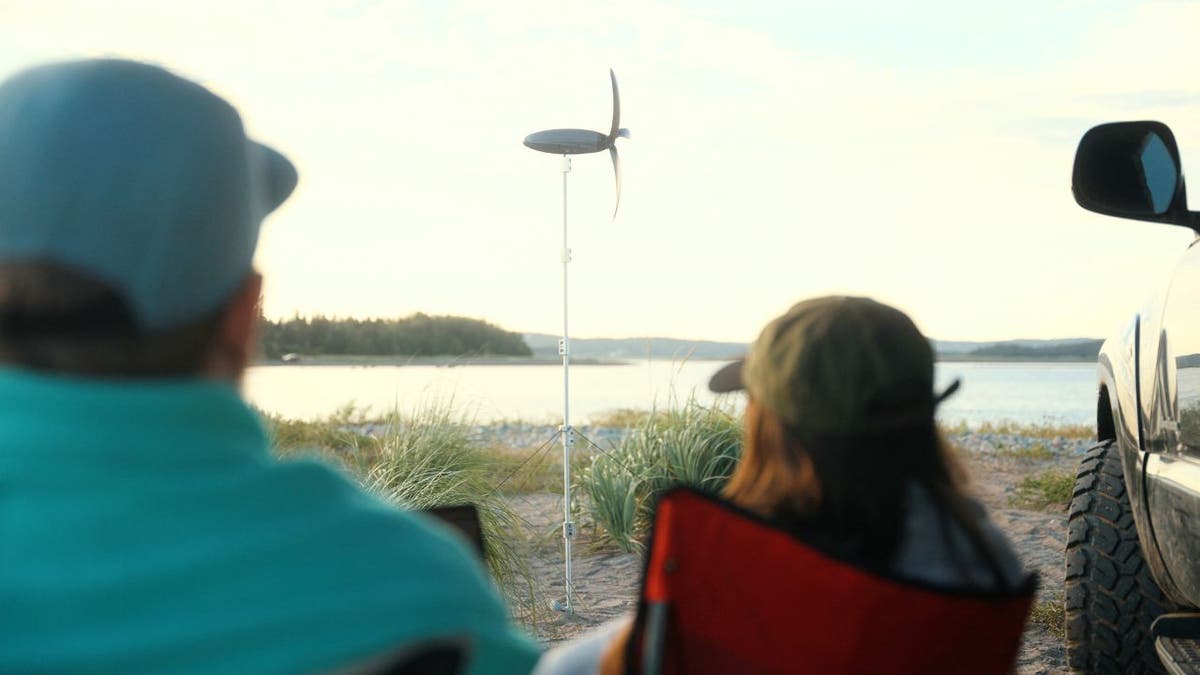
portable wind turbine 5

A man and woman using the Shine 2.0 wind turbine (Aurea Technologies)

A Kickstarter success story

Aurea Technologies, the creators of Shine 2.0, have a track record of crowdfunding success. The original Shine turbine, launched in 2021, was funded in just one hour on Kickstarter and sold out its first production run in five days. Shine 2.0 builds on this momentum, offering enhanced power, faster charging and a more user-friendly experience. With early-bird prices starting at $342, it’s already turning heads in the portable energy market.

SUBSCRIBE TO KURT’S YOUTUBE CHANNEL FOR QUICK VIDEO TIPS ON HOW TO WORK ALL OF YOUR TECH DEVICES

portable wind turbine 6

A woman using the Shine 2.0 wind turbine (Aurea Technologies)

Kurt’s key takeaways

Shine 2.0’s compact size, combined with powerful features like 75W fast charging and real-time energy metrics, make it a great tool for anyone who needs off-grid power. Whether you’re a hiker, camper or someone preparing for power outages, this mini-wind turbine offers renewable, reliable energy when you need it most. So, the next time you head out into the wild, consider packing wind power in your backpack.

CLICK HERE TO GET THE FOX NEWS APP

How do you currently stay powered when you’re off-grid? Let us know by writing us at Cyberguy.com/Contact.

For more of my tech tips and security alerts, subscribe to my free CyberGuy Report Newsletter by heading to Cyberguy.com/Newsletter.

Ask Kurt a question or let us know what stories you’d like us to cover.

Follow Kurt on his social channels:

Answers to the most asked CyberGuy questions:

New from Kurt:

Copyright 2024 CyberGuy.com. All rights reserved.


Source link

Scammers exploit grief with fake funeral streaming on Facebook

0


Scammers use every possible method to deceive you, from social engineering through human verification pages to impersonating government agencies. You’d think there would be a limit to their tactics, that certainly they wouldn’t exploit someone’s death to scam those who are grieving. Unfortunately, you’d be wrong. 

A new scam has surfaced in which bad actors claim to offer video streaming of funeral services for the recently deceased. 

Those who follow the links to these streaming services are then prompted to provide their credit card information and asked to sign up for suspicious video streaming websites.

GET SECURITY ALERTS, EXPERT TIPS – SIGN UP FOR KURT’S NEWSLETTER – THE CYBERGUY REPORT HERE

woman on laptop

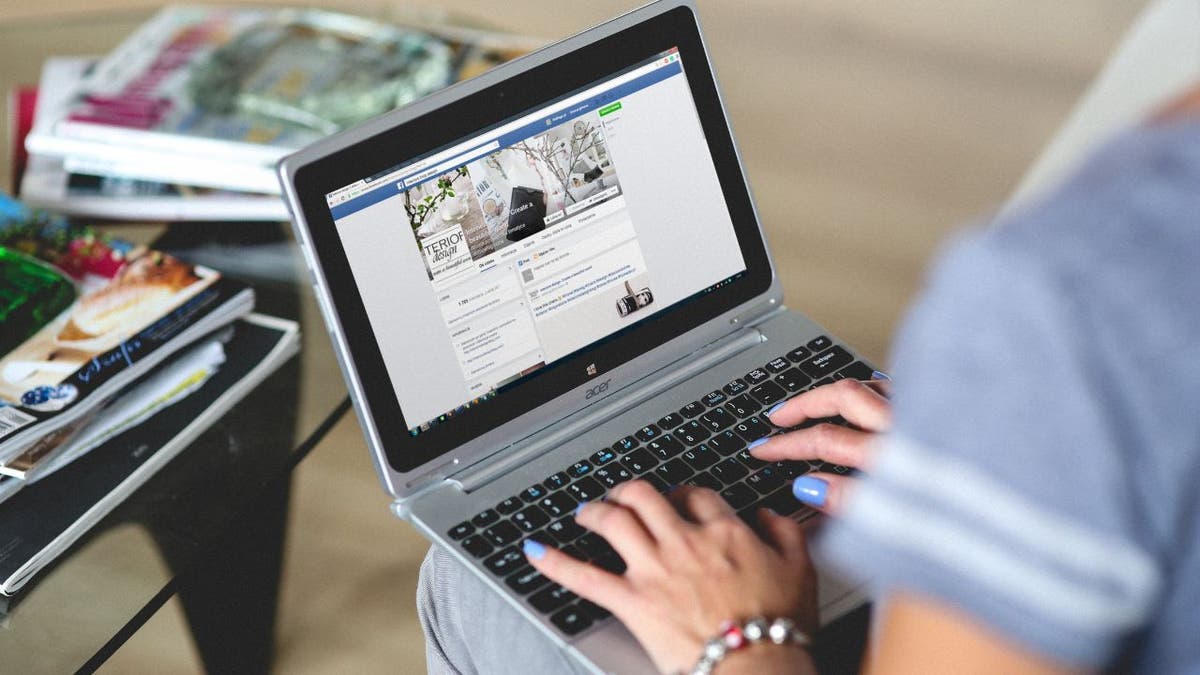
A woman on Facebook (Kurt “CyberGuy” Knutsson)

How does the scam work?

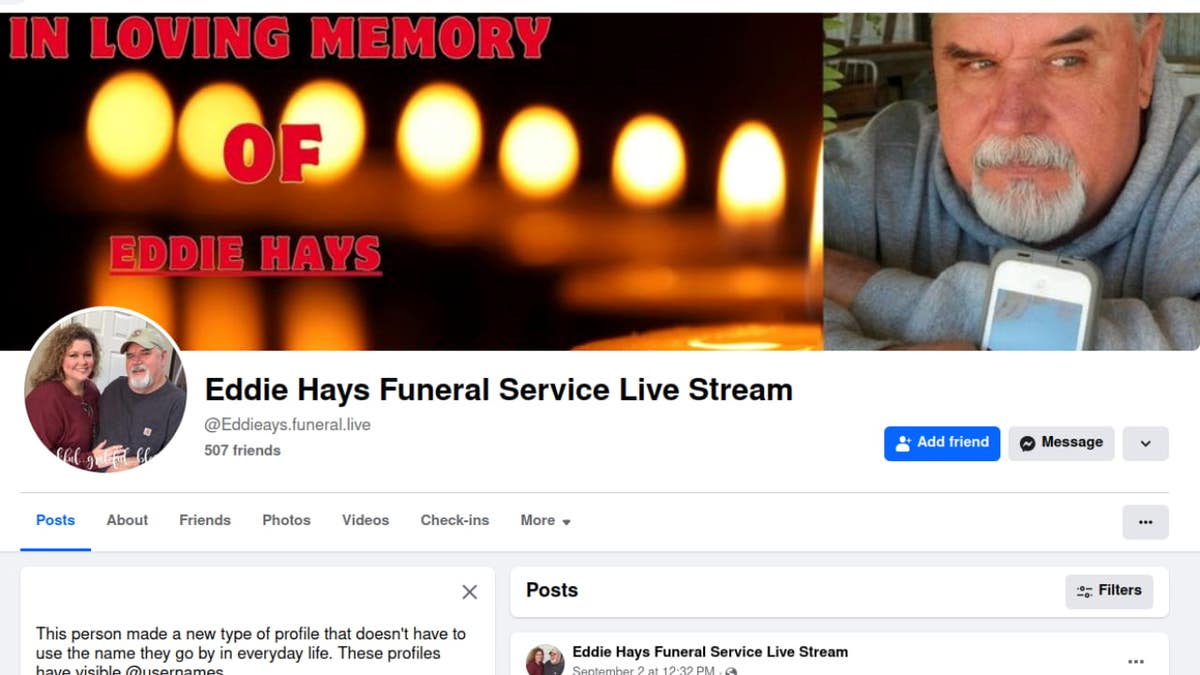
The news of this scam comes from KrebsOnSecurity, who heard from several victims. It typically targets the friends and family of the deceased. Scammers begin by creating a Facebook group for the person who passed away, listing the correct time and date of the funeral service. They then claim that the service can be streamed online by following a link, which leads to a page requesting credit card information.

It’s surprisingly easy to find these fake funeral groups on Facebook. Just searching for keywords like “funeral” and “stream” brings up tons of pages, some for past services, others for upcoming ones.

These groups usually have a photo of the deceased as the profile picture and try to send users to newly created video streaming websites that ask for credit card payments before you can watch. Even worse, some of them ask for donations in the name of the deceased.

facebook profile photo

Fake funeral streaming scam on Facebook (KrebsOnSecurity)

DON’T FALL FOR THAT ‘LOOK WHO DIED’ FACEBOOK MESSAGE TRAP

But who are these scammers?

The scammers behind these fake streaming links operate primarily from Rajshahi, Bangladesh, under a group called apkdownloadweb. They have registered multiple domains, including livestreamnow.xyz, live24sports.xyz and onlinestreaming.xyz. These websites appear to offer live streams for various events, including funerals and community gatherings, but they are simply traps designed to deceive users.

The individual allegedly associated with apkdownloadweb is Mazidul Islam, who has a background in running an IT blog, per KrebsOnSecurity’s article. His LinkedIn profile reveals this connection. The email linked to their DNS provider is reportedly associated with another individual, Mohammod Mehedi Hasan, suggesting a network of scammers working together.

Scammers exploit social media, creating fake Facebook groups that promote links to their fraudulent streaming sites. They take advantage of genuine community events, misleading people into believing they can watch live streams by clicking on their links.

CLICK HERE FOR MORE US NEWS

facebook scam

Illustration of scam on Facebook (Kurt “CyberGuy” Knutsson)

HOW TO PROTECT YOURSELF FROM SOCIAL MEDIA SCAMMERS

5 ways to protect yourself from Facebook link scams

1. Verify the source before clicking links: Always check the source of any link before clicking. Look for official announcements from event organizers or trusted news sources. If a link appears in a social media post, confirm it by visiting the organization’s official website or social media page. Scammers often use similar-sounding domain names, so double-check for spelling errors or unusual domain endings.

The best way to safeguard yourself from malicious links is to have antivirus software installed on all your devices. This protection can also alert you to phishing emails and ransomware scams, keeping your personal information and digital assets safe. Get my picks for the best 2024 antivirus protection winners for your Windows, Mac, Android and iOS devices.

2. Enable two-factor authentication: Activate two-factor authentication on your online accounts whenever possible. This adds an extra layer of security by requiring not just a password but also a second verification method, such as a text message or an authentication app. Even if scammers manage to get your password, they would need the second factor to access your accounts.

GET FOX BUSINESS ON THE GO BY CLICKING HERE

3. Regularly update your passwords: Change your passwords regularly and use strong, unique passwords for each of your accounts. This reduces the risk of multiple accounts being compromised if one password is stolen. Also, consider using a password manager to generate and store complex passwords.

4. Educate yourself about scams: Stay informed about common online scams and how they operate. Awareness is key to prevention. Research how scammers craft their messages and the types of offers that are usually too good to be true. Websites like the Federal Trade Commission provide resources for identifying and reporting scams, and you can always rely on Cyberguy.com.

5. Report suspicious activity: If you encounter a fake streaming link or a suspicious post, report it to the platform where you found it. Most social media sites have mechanisms for reporting scams or fraudulent activity. Reporting helps keep others safe by alerting the platform to potential threats. Additionally, consider sharing your experience with friends and family to help them stay informed and cautious.

GHOST-HACKING: HOW TO PROTECT YOURSELF FROM SCAMS FROM BEYOND THE GRAVE OF THOSE YOU KNEW

Kurt’s key takeaway

Scammers don’t spare anyone, and this Facebook funeral scam should make that clear. They are willing to take advantage of someone’s death and profit from those who are grieving. While this is extremely galling, it serves as a reminder that we can’t let our guard down when navigating through the darkness of the internet. Always watch out for the links you click, even if they seem perfectly safe.

Do you think Facebook does enough to protect its users from cons like funeral scams? Let us know by writing us at Cyberguy.com/Contact.

CLICK HERE TO GET THE FOX NEWS APP

For more of my tech tips and security alerts, subscribe to my free CyberGuy Report Newsletter by heading to Cyberguy.com/Newsletter.

Ask Kurt a question or let us know what stories you’d like us to cover.

Follow Kurt on his social channels:

Answers to the most asked CyberGuy questions:

New from Kurt:

Copyright 2024 CyberGuy.com. All rights reserved.


Source link