3.3 C
New York
Saturday, March 7, 2026
Home Blog Page 52

Old Nest thermostats still send data to Google after support ended

0


NEWYou can now listen to Fox News articles!

Google officially shut down remote control features for first and second generation Nest Learning Thermostats last month. Many owners assumed the devices would stop talking to Google once the company removed smart functions.

New research, however, shows that these early Nest devices continue uploading detailed logs to Google even though support has ended.

Sign up for my FREE CyberGuy Report 
Get my best tech tips, urgent security alerts and exclusive deals delivered straight to your inbox. Plus, you’ll get instant access to my Ultimate Scam Survival Guide — free when you join my CYBERGUY.COM newsletter.

Google Nest thermostat at 75 degrees

Early Nest Learning Thermostats still send sensor data to Google even after losing remote features. (Google)

Researcher finds unexpected data uploads from old Nest devices

Security researcher Cody Kociemba uncovered this quiet data flow after digging into the backend as part of a repair bounty challenge run by FULU, a right-to-repair group cofounded by electronics repair expert and YouTuber Louis Rossmann. The challenge asked developers to restore lost smart features for unsupported Nest devices. Kociemba teamed up with the open-source community and created No Longer Evil, software that brings smart functionality back to these aging thermostats.

While cloning Google’s API to build the project, he suddenly received a flood of logs from customer devices. That surprise led to a deeper look at what Google still collects.

Google Nest thermostat at 68 degrees

Researcher Cody Kociemba uncovered the ongoing data uploads while building a tool to restore smart functions. (Google)

What Nest thermostats keep sending to Google

Even though remote control no longer works, Kociemba found that early Nest Learning Thermostats still upload a steady stream of sensor data to Google. This includes:

  • Manual temperature changes
  • Whether someone is in the room
  • When sunlight hits the device
  • Temperature readings
  • Humidity levels
  • Motion activity
  • Ambient light data

Kociemba says the volume of logs was extensive. He turned off the incoming data because he never expected the devices to remain connected to Google after the shutdown.

Google previously said unsupported models will “continue to report logs for issue diagnostics.” However, Kociemba points out that Google cannot use that data to help customers anymore because support is fully discontinued. That makes the continued data flow even more puzzling.

AI FLAW LEAKED GMAIL DATA BEFORE OPENAI PATCH

CyberGuy contacted Google for comment, and a spokesperson provided us with the statement, 

“The Nest Learning Thermostat (1st and 2nd Gen) is no longer supported in the Nest and Home apps, but temperature and scheduling adjustments can still be made directly on the unit. These devices will soon be unpaired and removed from all user accounts. Diagnostic logs, which are not tied to a specific user account, will continue to be sent to Google for service and issue tracking. Users who prefer to stop providing these logs can simply disconnect their device from Wi-Fi via the on-device settings menu.” 

The Google Nest app

The thermostats continue reporting temperature, motion and light data even though official support has ended.

Why this discovery matters

Google cut access to remote control, security updates, software updates and status checks through the Nest and Google Home apps. Owners can no longer rely on the devices for key smart features. Yet the thermostats still push data to Google, creating a one-way connection that helps the company more than the customer.

Users do not benefit from the logs because support has been discontinued. Google cannot use these logs to diagnose problems or offer help. That raises questions about transparency and user choice for people who assumed the connection ended.

The FULU bounty that sparked the discovery

FULU’s bounty program encouraged developers to build tools that restore functionality to devices abandoned by their makers. After reviewing submissions, FULU awarded Kociemba and another developer known as Team Dinosaur the top bounty of $14,772 for bringing smart features back to early Nest models.

Their work highlights how community-driven repair efforts can keep useful devices alive. It also reveals how companies handle device data long after official support stops.

Ways to stay safe if you still use an old Nest thermostat

If you keep one of these unsupported Nest thermostats on your network, you can take a few simple steps to protect your privacy. These tips help reduce what the device sends to Google and lower your exposure.

1) Review your Google account activity

Start by checking what Google has linked to your home devices. Visit myactivity.google.com and look for thermostat logs or events you do not expect.

2) Place the device on a separate Wi-Fi network

A guest network keeps the thermostat away from your main devices. This limits what the thermostat can reach and helps prevent broader access.

3) Block outbound traffic when possible

Some routers let you stop individual devices from sending data to the internet. This cuts off log uploads while still letting the thermostat control heating and cooling.

4) Disable any remaining cloud features

If the device menu still offers cloud settings, turn off anything related to remote access or online diagnostics. Even partial controls help reduce data flow.

5) Remove old device associations from your Google account

Check your connected devices in your Google settings. Remove any old Nest entries that no longer serve a purpose. This stops leftover links that may still send data.

6) Adjust router settings that report device analytics

Some routers send analytics back to the router maker. Turn off cloud diagnostics to reduce the footprint of unsupported smart products.

7) Plan your replacement

Unsupported devices lose security updates. If you cannot isolate the thermostat on your network, consider upgrading to a model that still receives patches.

Pro Tip: Reduce your footprint with a data removal service

A data removal service can help you cut down on the amount of personal information available to data brokers. This adds another layer of privacy that supports your smart home security.

While no service can guarantee the complete removal of your data from the internet, a data removal service is really a smart choice. They aren’t cheap, and neither is your privacy. These services do all the work for you by actively monitoring and systematically erasing your personal information from hundreds of websites. It’s what gives me peace of mind and has proven to be the most effective way to erase your personal data from the internet. By limiting the information available, you reduce the risk of scammers cross-referencing data from breaches with information they might find on the dark web, making it harder for them to target you.

Check out my top picks for data removal services and get a free scan to find out if your personal information is already out on the web by visiting Cyberguy.com.

Get a free scan to find out if your personal information is already out on the web: Cyberguy.com.

OVER 2B USERS FACE PHISHING RISKS AFTER GOOGLE DATA LEAK

Take my quiz: How safe is your online security?

Think your devices and data are truly protected? Take this quick quiz to see where your digital habits stand. From passwords to Wi-Fi settings, you’ll get a personalized breakdown of what you’re doing right and what needs improvement. Take my Quiz here: Cyberguy.com.

Kurt’s key takeaways

The discovery that old Nest thermostats still send data to Google long after losing smart features gives owners a reason to take a closer look at their connected home. Unsupported devices can continue to talk to servers even when the useful side of the relationship ends. Understanding what your gadgets share helps you make informed decisions about what stays on your network.

Would you keep using a device that still sends data to its manufacturer even after it loses the features you paid for? Let us know by writing to us at Cyberguy.com.

CLICK HERE TO DOWNLOAD THE FOX NEWS APP

Sign up for my FREE CyberGuy Report 
Get my best tech tips, urgent security alerts and exclusive deals delivered straight to your inbox. Plus, you’ll get instant access to my Ultimate Scam Survival Guide — free when you join my CYBERGUY.COM newsletter.

Copyright 2025 CyberGuy.com.  All rights reserved.  


Source link

New Android malware enables real-time ATM withdrawals using your phone

0


NEWYou can now listen to Fox News articles!

Smartphone banking has made life easier, but it has also opened new opportunities for cybercriminals.

Over the past few years, we have seen Android malware steal passwords, intercept OTPs and even take remote control of phones to drain accounts. Some scams focus on fake banking apps, while others rely on phishing messages that trick you into entering sensitive details.

Security researchers have now discovered a new threat that goes a step further. Instead of simply stealing login information, this malware gives thieves the ability to walk up to an ATM and withdraw your money in real time.

Sign up for my FREE CyberGuy Report 
Get my best tech tips, urgent security alerts and exclusive deals delivered straight to your inbox. Plus, you’ll get instant access to my Ultimate Scam Survival Guide — free when you join my CYBERGUY.COM newsletter.

A man holds an Android phone

Android malware like NGate tricks users into downloading fake banking apps that steal sensitive data. (Kurt “CyberGuy” Knutsson)

How the NGate malware works

The Polish Computer Emergency Response Team (CERT Polska) discovered a new Android malware called NGate that uses NFC activity to access a victim’s bank account. This malware monitors contactless payment actions on the victim’s phone and forwards all transaction data, including the PIN, directly to a server controlled by attackers. It does not just copy card details. Instead, it waits until the victim taps to pay or performs a verification step, then captures the fresh, one-time authentication codes that modern Visa and Mastercard chips generate.

To pull this off, attackers need to infect the phone first. They typically send phishing messages claiming there is a security problem with the victim’s bank account. These messages often push people to download a fake banking app from a non-official source. Once the victim installs it, the app walks them through fake verification prompts and requests permissions that allow it to read NFC activity. As soon as the victim taps their phone or enters their PIN, the malware captures everything the ATM needs to validate a withdrawal.

MANAGE ANDROID APPS WITH THE NEW ‘UNINSTALL’ BUTTON

A Google phone

Once installed, the malware captures NFC tap-to-pay codes and PINs the moment the victim uses their phone.  (Kurt “CyberGuy” Knutsson)

What attackers do with the stolen data at the ATM

The attackers rely on speed. The one-time codes generated during an NFC transaction are valid for only a short period. As soon as the infected phone captures the data, the information is uploaded to the attacker’s server. An accomplice waits near an ATM, holding a device capable of emulating a contactless card. This could be another phone, a smartwatch or custom NFC hardware.

When the data arrives, the accomplice presents the card-emulating device at the ATM. Since the information contains fresh, valid authentication codes and the correct PIN, the machine treats it like a real card. The ATM authorizes the withdrawal because everything appears to match a legitimate transaction. All of this happens without the criminal ever touching the victim’s physical card. Everything depends on timing, planning and getting the victim to unknowingly complete the transaction on their own phone.

A man holds a Google phone, powered by Android

Criminals use the stolen, time-limited codes at an ATM to make real withdrawals without the victim’s card. (Kurt “CyberGuy” Knutsson)

7 steps you can take to stay safe from Android NGate malware

As attacks like NGate become more sophisticated, staying safe comes down to a mix of good digital habits and a few simple tools that protect your phone and your financial data.

1) Download apps only from the Play Store

Most malicious banking apps spread through direct links sent in texts or emails. These links lead to APK files hosted on random servers. When you install apps only from the Play Store, you get Google’s built-in security checks. Play Protect regularly scans apps for malware and removes harmful ones from your device. However, it is important to note that Google Play Protect may not be enough. Historically, it isn’t 100% foolproof at removing all known malware from Android devices. Even if attackers send convincing messages, avoid installing anything from outside the official store. If your bank wants you to update an app, you will always find it on the Play Store.

2) Use strong antivirus software

One careless tap on a fake bank alert can hand criminals everything they need. Strong antivirus software can stop most threats before they cause damage. It scans new downloads, blocks unsafe links and alerts you when an app behaves in ways that could expose your financial data. Many threats like NGate rely on fake banking apps, so having real-time scanning turned on gives you an early warning if something suspicious tries to install itself.

Get my picks for the best 2025 antivirus protection winners for your Windows, Mac, Android and iOS devices at Cyberguy.com.

ATM ‘JACKPOTTING’ CRIME WAVE GROWS AFTER THIEVES WALK AWAY WITH HUNDREDS OF THOUSANDS IN CASH

3) Keep your device and apps updated

Security patches fix vulnerabilities that attackers use to hijack permission settings or read sensitive data. Updates also improve how Android monitors NFC and payment activity. Turn on automatic updates for both the operating system and apps, especially banking and payment apps. A fully updated device closes many of the holes that malware tries to exploit.

4) Use a password manager to avoid phishing traps

Phishing attacks often direct you to fake websites or fake app login pages that look identical to the real thing. A password manager saves your credentials and fills them in only when the website or app is authentic. If it refuses to autofill, it is a clear sign that you are on a fake page. Consider using a password manager to generate and store complex passwords.

Next, see if your email has been exposed in past breaches. Our No. 1 password manager pick includes a built-in breach scanner that checks whether your email address or passwords have appeared in known leaks. If you discover a match, immediately change any reused passwords and secure those accounts with new, unique credentials. 

Check out the best expert-reviewed password managers of 2025 at Cyberguy.com.

5) Turn on two-factor authentication for all financial services

Two-factor authentication gives you a second layer of protection, even if your password is compromised. App-based authenticators are more secure than SMS codes because they cannot be intercepted as easily. For banking apps, enabling 2FA adds friction for attackers trying to perform unauthorized actions. Combined with strong passwords from a password manager, it significantly reduces the chance of account takeover.

6) Ignore suspicious texts, emails and calls

Attackers rely on urgency to trick you. They often claim that your card is blocked, your account is frozen, or a payment needs verification. These messages push you to act fast and install a fake app. Always pause and check your bank’s official channels. Contact the bank through verified customer care numbers or the official app. Never click links or open attachments in unsolicited messages, even if they look legitimate.

7) Review app permissions

Most people install apps and forget about them. Over time, unused apps pile up with unnecessary permissions that increase risk. Open your phone’s permission settings and check what each app can access. If a simple tool asks for access to NFC, messages, or accessibility features, uninstall it. Attackers exploit these excessive permissions to monitor your activity or capture data without your knowledge.

Kurt’s key takeaway

Cybercriminals are now combining social engineering with the secure hardware features inside modern payment systems. The malware does not break NFC security. Instead, it tricks you into performing a real transaction and steals the one-time codes at that moment. This makes the attack difficult to spot and even harder to reverse once the withdrawal goes through. The best defense is simple awareness. If a bank ever urges you to download an app from outside the Play Store, treat it as an immediate warning sign. Keeping your phone clean is now as important as keeping your physical card safe.

Have you ever downloaded an app from outside the Play Store? Let us know by writing to us at Cyberguy.com.

CLICK HERE TO DOWNLOAD THE FOX NEWS APP

Sign up for my FREE CyberGuy Report 
Get my best tech tips, urgent security alerts and exclusive deals delivered straight to your inbox. Plus, you’ll get instant access to my Ultimate Scam Survival Guide — free when you join my CYBERGUY.COM newsletter.

Copyright 2025 CyberGuy.com.  All rights reserved.  


Source link

The Role of Social Media in Boosting Your Press Release’s Reach

0

Latest Blog from RPR Comando: “The Role of Social Media in Boosting Your Press Release’s Reach”. Social media acts as the bridge between traditional PR distribution methods and the dynamic audience engagement that modern marketing demands. #BookMarketing #VideoShorts #PressReleaseMarketing #RPRComando  
This article originally appeared on https://rprcomando.com/the-role-of-social-media-in-boosting-your-press-releases-reach/

Gold ring linked to Gunpowder Plot found by detectorist up for auction

0

NEWYou can now listen to Fox News articles!

A historic gold ring from the English countryside will go under the hammer this month — and experts believe it may be linked to one of the most infamous conspiracies in British history.

The piece of jewelry was uncovered by metal detectorist Andrew Rose, who found it six inches in the ground in Bushwood, Warwickshire, about 20 miles southeast of Birmingham.

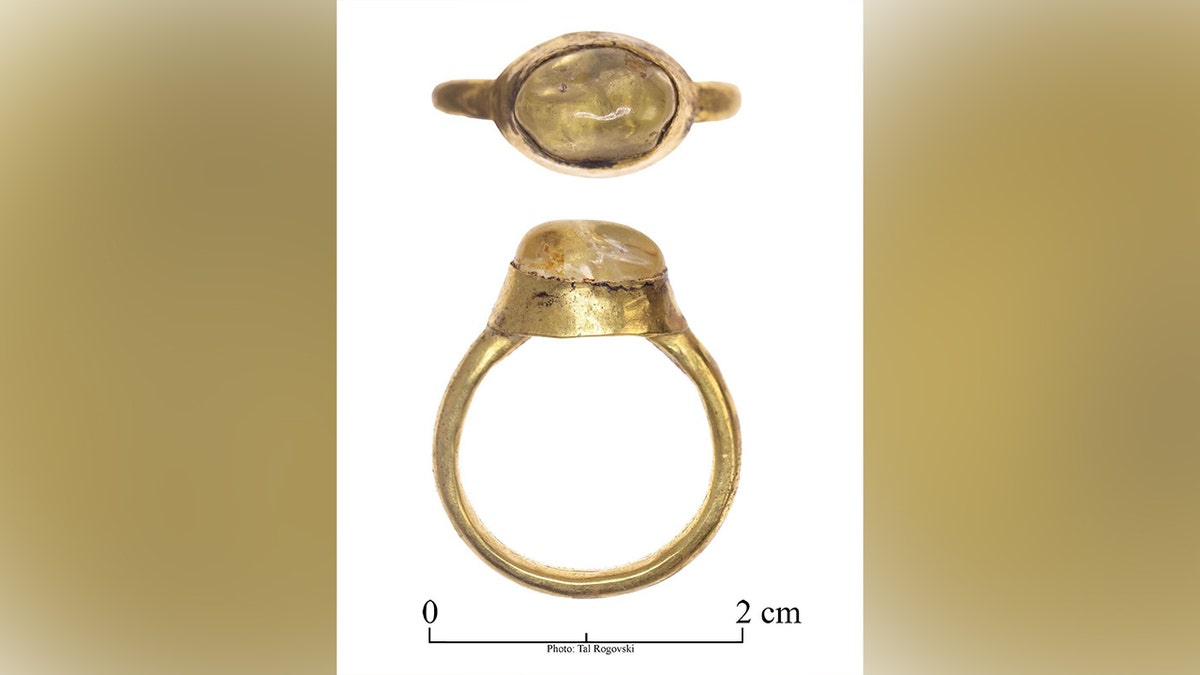
The artifact features an inner inscription reading “Your Frende in Deede,” a message thought to symbolize loyalty. 

EXPERTS INTRIGUED AFTER THRIFT SHOPPER SPOTS MYSTERIOUS ANCIENT ARTIFACTS ON SALE FOR $30

The 16th-century band may be tied to the 1605 Gunpowder Plot, an attempt by English Catholics to blow up the Houses of Parliament and kill King James I.

James I’s court got wind of the plans and eventually located Guy Fawkes hiding among 36 barrels of gunpowder on Nov. 5 — foiling the plot.

A gold ring inscribed with the words “Your Frende in Deede” is believed to have ties to the 1605 Gunpowder Plot. (SWNS; Culture Club/Getty Images)

Though the Gunpowder Plot is remembered through Fawkes and the rhyme “Remember, remember the fifth of November,” the mastermind behind the scheme was actually Robert Catesby.

CLICK HERE TO SIGN UP FOR OUR LIFESTYLE NEWSLETTER

Rose found the ring near Bushwood Hall, where Catesby was born, as news agency SWNS reported.

The hall was also used as a hideout and weapons storage facility for the conspirators.

Depiction of Catesby, Fawkes + co-conspirators

The 16th-century band was unearthed near Bushwood Hall, the birthplace of Gunpowder Plot mastermind Robert Catesby, seen here. (Bettmann via Getty Images)

“The hall where Catesby was born can only be accessed down a track, which means it is even more likely the ring, which was found only yards from the moat, was connected to the hall or was owned by someone who lived there,” Rose told SWNS.

CLICK HERE FOR MORE LIFESTYLE STORIES

He added, “The words ‘in deede’ suggest [that] whoever gave the ring was prepared to prove his loyalty in actions rather than just words. It was a great find and hugely exciting.

Inscription on gold band

The ring is expected to sell for as much as $15,800 when it goes to auction.  (SWNS)

The ring is expected to fetch up to £12,000 (about $15,800) when it’s auctioned on Nov. 27, Hanson Auctioneers said. 

TEST YOURSELF WITH OUR LATEST LIFESTYLE QUIZ

Speaking to SWNS, auctioneer Charles Hanson noted that the local area had a considerable Catholic population at the time of the Gunpowder Plot.

“Guy Fawkes, Catesby and their network — many of whom were related by blood or marriage — moved between safe houses in the Midlands,” said Hanson. “They were protected by the region’s large Catholic base, which, like them, [were] against the king.”

Depiction of Fawkes being interrogated by James I's court

The Gunpowder Plot aimed to destroy Parliament and kill King James I before authorities uncovered the deadly plan. (The Print Collector/Heritage Images via Getty Images)

“Given the remoteness of the hall’s location, its link to Catesby [and] the date and inscription of the ring, it is tantalizing to imagine it belonging to one of the plotters,” he added.

CLICK HERE TO GET THE FOX NEWS APP

“Imagine it glinting by firelight as they planned one of the most audacious attacks in U.K. history.”

America is drifting not declining as nation’s 250th birthday approaches

0

NEWYou can now listen to Fox News articles!

Editor’s note: The following op-ed is adapted from author Doug DeVos’s new book, “Believe! A Timeless Endorsement of American Principles” (50th Anniversary Edition), (Post Hill Press, Nov. 25, 2025).

Is America on the verge of an incredible comeback? Or is America in decline? 

You’ve, no doubt, heard (or even asked) these questions as our country prepares for its 250th birthday next year — July 4, 2026, the anniversary of the Declaration of Independence. It feels like everyone is asking these questions.  

For the first time in recorded history, fewer than half of Americans think our best days are ahead of us. More people think that our best days are in the rear-view mirror. Four out of five Americans now believe their children’s lives will be worse than theirs. That number has doubled in just 20 years. And when it comes to the long run, more Americans worry that someone born in the future will be worse off than someone born in the past. 

But is it true? Is America really in decline? I’ve asked myself this question, too. And my answer is a resounding: No!

JONATHAN TURLEY: ELITES CALL THE CONSTITUTION ‘BROKEN’ BUT AMERICANS KNOW IT’S OUR GREATEST GIFT 

The Statue of Liberty stands in the foreground as Lower Manhattan is viewed at dusk, Sept. 8, 2016, in New York City. (Drew Angerer/Getty Images)

I don’t think we’re declining. I think we’re drifting. There’s a big difference. We don’t feel anchored to the core ideas that created the American experiment and the American Dream. We’re getting taken by the current and blown by the wind. But while that’s not the same thing as decline, it’s a dangerous thing, nonetheless. America was never meant to drift. America is supposed to courageously move forward, lifting up our people and leading our world. 

Let me be clear: America remains the strongest country on earth by so many measures. But we’re not moving to where we need to go and what we need to be. The good news is that we can get the country back on track. We just need to remember who we are and what we stand for — and then we need to build a future on the time-tested principles that made us great in the first place.  

What are those principles? Belief in people. Free enterprise. The family. Accountability and human dignity. Every generation of Americans has applied these principles to overcome challenges and move past division. And that’s what we need to do today.

AT LANCASTER MARKET, I WITNESSED AN AMERICA THAT STILL WORKS — NO POLITICS REQUIRED 

We can’t wait for someone else to save America. Not politicians, as important as they are. Not business or community leaders, either. The real leaders in this country are you and me and all our fellow citizens. And while that may seem daunting, it’s empowering, too. The future depends on you

That future will be a self-fulfilling prophecy. If you believe that tomorrow is going to be worse, you’ll act accordingly. You’ll strive less and try less. You’ll try to get more than you give because, after all, things are bad, so who cares? 

But if you believe that tomorrow will be better, you’ll act very differently. Instead of sitting back, you’ll step up. Instead of accepting the problems around us, you’ll ask how you can solve them. You’ll never settle for the status quo — because you know you can chart a path forward.

CLICK HERE FOR MORE FOX NEWS OPINION 

The stakes couldn’t be higher. And if you don’t act, make no mistake: America’s drift may become a decline. But if you do act — if you apply the time-tested principles that define the best of our history — then America will find its direction again.  

What are those principles? Belief in people. Free enterprise. The family. Accountability and human dignity. Every generation of Americans has applied these principles to overcome challenges and move past division. And that’s what we need to do today.

We have everything we need to move forward because we have you. Our people are still the most creative and entrepreneurial on earth. Our economy is still the envy of the world. Hundreds of millions of people want to live in the land of the free and the home of the brave. And our country’s story is one of incredible progress, driven by everyday people taking everyday action.

CLICK HERE TO DOWNLOAD THE FOX NEWS APP  

This is how we’ve tackled every challenge we’ve faced. We’ve overcome evils like slavery, enacted civil rights and women’s rights, and given more and more people a real opportunity to live their best lives. We’ve worked to make our union a bit more perfect with every generation. We’re not there yet, and we still have a lot of work to do together. Yet in our hearts, we all know it can be done, and you’re essential to making it happen. 

You have a chance to transform your future, your community and our nation — to give a new lease on life to the American Dream. You have a chance to find extraordinary success and then reach out to help others succeed, too. And above all else, you have a chance to prove — to yourself and to others — that America’s days of drifting are over. If you stand by the principles that built and sustained this country, America’s future is bright indeed. 

Venezuela’s Maduro performs dance amid US military tensions and sanctions

0

NEWYou can now listen to Fox News articles!

Venezuelan President Nicolás Maduro danced to a remix of his own peace slogans at a student rally in Caracas – the latest act of defiance after his performance of John Lennon’s “Imagine” while U.S. warships patrol near its coast.

Video from the National University Student Day celebration shows Maduro swaying to the beat, seemingly mimicking President Donald Trump’s trademark dance moves – with a noticeably looser sway.

The electronic track featured Maduro’s own phrases – recycled from speeches promoting peace and rejecting war – as tensions with the U.S. continue rising.

Reuters identified the remix as “Peace, yes. War, no.” At one point, the Venezuelan leader punctuated the beat with finger pistols – a playful “pew, pew” gesture captured on camera.

US NAVY DESTROYER ARRIVES IN TRINIDAD AND TOBAGO AS TRUMP TURNS SCREWS ON VENEZUELA

President of Venezuela Nicolas Maduro delivers the annual address at Teatro Teresa Carreno in Caracas, Venezuela on Jan. 15, 2025. (Jesus Vargas/Getty Images)

The clip surfaced about a week after Maduro sang “Imagine” at a rally, urging peace while the Trump administration reinforced its military presence near Venezuela to stem drug trafficking.

Maduro invoked Lennon as he spoke about peace, calling the former member of The Beatles a poet and musician who left a “gift to humanity.”

He urged young people to read the lyrics, describing the song as an anthem for every generation.

TRUMP ANNOUNCES VENEZUELA WILL TAKE CRIMINAL ILLEGAL IMMIGRANTS BACK

Maduro at military parade.

Venezuela’s President Nicolas Maduro and First Lady Cilia Flores parade in a military vehicle during celebrations for the Independence Day, in Caracas on July 5, 2025.  (JUAN BARRETO/AFP via Getty Images)

In the video, Maduro paused mid-speech to recall Lennon’s song, singing a few words before reflecting on its meaning.

“What a beautiful song. The lyrics – young people, look up the lyrics,” he said, according to a translation. “It’s an inspiration for all time. It’s an anthem for all eras and generations that John Lennon left as a gift to humanity. Long live the eternal memory of that great poet and musician, John Lennon.”

As Maduro preaches peace, the U.S. has significantly increased its military presence across the Caribbean, deploying bombers, warships and Marines as part of a campaign targeting drug-trafficking operations in the region, including airstrikes on suspected smuggling vessels.

HEGSETH SAYS MILITARY CONDUCTED ANOTHER STRIKE ON BOAT CARRYING ALLEGED NARCO-TERRORISTS

U.S. military drone strike against narco-terrorists.

A U.S. military drone strike ordered by President Trump destroyed a vessel in the Eastern Pacific on Oct. 22, 2025, killing three suspected narco-terrorists, according to the Department of War. (Department of War)

On Monday, the State Department formally announced the Cartel de los Soles would be designated as a foreign terrorist organization.

The Cartel de los Soles, or “Cartel of the Suns,” refers to a network of government and military officials in Venezuela engaged in drug trafficking.

CLICK HERE TO DOWNLOAD THE FOX NEWS APP

Secretary of State Marco Rubio said in a statement last week that the Cartel de los Soles and other cartels in Venezuela were “responsible for terrorist violence throughout our hemisphere as well as for trafficking drugs into the United States and Europe.”

Fox News Digital’s Emma Bussey contributed to this report.

Transportation Secretary Sean Duffy says people should stop wearing pajamas on planes

0

NEWYou can now listen to Fox News articles!

U.S. Transportation Secretary Sean Duffy has a message for Americans: Stop wearing pajamas on planes.

While speaking at Newark Airport in New Jersey on Monday, Duffy said he had noticed “a degradation in civility” among air travelers — and launched what he called a “civility campaign” to encourage courtesy and patience during the crush of holiday travel.

Duffy encouraged travelers to “say please and thank you to our pilots and to our flight attendants” and to dress “with some respect.”

FLIGHT PASSENGER GETS TOO COMFORTABLE ON PLANE, SPARKING ETIQUETTE DEBATE

“You know, whether it’s a pair of jeans and a decent shirt, I would encourage people to maybe dress a little bit better, which encourages us to maybe behave a little better,” he said. “Let’s try not to wear slippers and pajamas as we come to the airport. I think that’s positive.” 

Duffy also encouraged passengers to help other passengers who are struggling to put their bags in the overhead bins “as a common courtesy and civility.”

Transportation Secretary Sean Duffy spoke on Monday as he urged travelers to “dress a little better” and show civility on flights. (Eric Lee/Getty Images)

“Bringing civility back, I think, enhances the travel experience for everybody,” Duffy previously said during an exclusive interview with FOX Business.

The initiative follows a 400% surge of in-flight disturbances since 2019, ranging from disruptive behavior to violence, according to Federal Aviation Administration (FAA) data.

Nearly one in five flight attendants reported experiencing a physical incident in 2021, while reports of unruly passengers in 2024 remained above pre-pandemic levels, according to union and FAA data, FOX Business previously reported.

PASSENGER’S REVENGE ON ‘ENTITLED’ WOMAN SPARKS HEATED DEBATE ABOUT AIRPLANE ETIQUETTE

Diane Gottsman, an etiquette expert and founder of the Protocol School of Texas in San Antonio, said the issue of airport attire goes beyond fashio. She said it’s about courtesy.

“From an etiquette perspective, one’s pajamas should be reserved for the privacy of one’s own home or hotel room, where people are relaxing — and not in a public space,” she told Fox News Digital.

While comfort is important, Gottsman added that it’s possible to “still select clothing that is both comfortable, practical and appropriate for public spaces.”

Pajamas on planes are considered being in bad taste, but others see them as luxurious

Travelers wearing pajamas at airports has become a more common sight these days.  (Alamy)

Some could blame the trend of pajama-clad travelers on celebrity culture – stars photographed strolling through airports in loungewear, turning the terminal into an extension of their living rooms.

“When we take the time to dress with intention, we naturally carry ourselves with more confidence and self-respect.”

Ed Sheeran was photographed at Los Angeles International Airport in 2015 wearing pajama-style pants, while Rihanna has recently been spotted wearing silk sleepwear in public.

Ed Sheeran travels in pjs at the airport

Ed Sheeran was photographed wearing pajama pants at Los Angeles International Airport in 2015. (WENN.COM/Money$hot)

Jacqueline Whitmore, a former flight attendant and founder of the Protocol School of Palm Beach in Florida, told Fox News Digital the way people dress affects the way they act.

AIR TRAVEL’S ‘GOLDEN AGE’ FEATURED STEAK DINNERS, COCKTAILS AND FORMAL ATTIRE FOR SOPHISTICATED TRAVELERS

“The way we dress influences how we feel, how we behave and even how others respond to us,” she said.

“When we take the time to dress with intention, we naturally carry ourselves with more confidence and self-respect.”

CLICK HERE TO SIGN UP FOR OUR LIFESTYLE NEWSLETTER

Whitmore points to enclothed cognition — the psychological idea that what we wear shapes not only how people see us, but how we see ourselves.

Although attire doesn’t necessarily translate to character, Whitmore said it’s been her experience that “people who make the effort to present themselves well often demonstrate the same level of care in their behavior.”

vintage plane service 1950s

Once upon a time, travelers dressed up for flights. An etiquette expert said that “people who make the effort to present themselves well often demonstrate the same level of care in their behavior.” (Fredric Lewis/Getty Images)

“When we are intentional about our appearance, we’re also more likely to be intentional about our manners,” she said.

CLICK HERE FOR MORE LIFESTYLE STORIES

Whitmore added that pajamas and slippers “should stay in the bedroom,” but she noted that “flip-flops and shorts are better than PJs.”

“It has nothing to do with social status and everything to do with the respect we show for ourselves and others.”

Children, she concedes, get “a little more grace,” especially on overnight flights.

CLICK HERE TO GET THE FOX NEWS APP

Both experts said dressing for travel isn’t about formality or status.

“It has nothing to do with social status and everything to do with the respect we show for ourselves and others,” Gottsman said.

A girl sleeps by herself on a plane.

Children should get “a little more grace” when it comes to wearing pajamas on a flight, an etiquette expert said. (iStock)

Whitmore said she welcomes a return to the golden age of travel.

TEST YOURSELF WITH OUR LATEST LIFESTYLE QUIZ

“Dressing well isn’t about being uncomfortable or impressing others,” she said. “It’s about expressing respect – respect for yourself, for the experience and for those around you.”

Archaeologists uncover 2,000-year-old murder mystery on UK TV show

0

NEWYou can now listen to Fox News articles!

Archaeologists uncovered a 2,000-year-old murder mystery while filming a television show in the United Kingdom — one that raises more questions than answers.

Bournemouth University announced the discovery, which involved Channel 4 host Sandi Toksvig, in late October. The excavation was part of a new series called “Sandi Toksvig’s Hidden Wonders.”

Toksvig, who studied archaeology at the University of Cambridge, joined the archaeological excavation centered around a 2,000-year-old Iron Age settlement in Dorset.

The settlement belonged to the Durotriges, a tribe that lived in rural Dorset before the Roman conquest. 

WARRIORS FOUND STACKED IN ANCIENT WELL REVEAL VIOLENT TALE OF BATTLEFIELD DEFEAT: ARCHAEOLOGISTS

Archaeologists in Dorset unearthed a 2,000-year-old Iron Age burial site while filming a Channel 4 documentary with Sandi Toksvig. (Bournemouth University)

At the site, archaeologists uncovered artifacts from daily life in Iron Age Britain, including bronze brooches, a bone comb and a bangle made of bronze.

Then, during filming, the team was surprised to find a skeleton buried face down in a pit — a teenage girl who was likely murdered as part of a human sacrifice.

CLICK HERE TO SIGN UP FOR OUR LIFESTYLE NEWSLETTER

Most skeletons at the site were carefully placed in formal burials with grave goods, typically pots or brooches.

The girl’s body was tangled and face-down with no such offerings, a stark contrast to the other burials in the settlement.

Archaeologists brushing dirt off skeleton.

The girl’s body was found face down and tangled, unlike the formal burials discovered nearby. (Bournemouth University)

In the Bournemouth University release, excavation leader Miles Russell said that the team was “particularly shocked to hear that this could have been a human sacrifice.”

CLICK HERE FOR MORE LIFESTYLE STORIES

“It was obvious from Sandi’s own interest in archaeology that she was deeply moved by what had been uncovered,” the researcher added.

Speaking to Fox News Digital, Russell said that the fact the girl was buried face-down “does suggest marked disrespect.”

Split image of archaeologists at dig site, excavator holding artifact.

Archaeologists found a variety of artifacts at the ancient settlement, along with the teenager’s skeleton. (Bournemouth University)

He added that the condition of the teen’s muscle attachments and intervertebral discs suggests that she performed hard manual labor and lifted heavy weights throughout her life.

“This seems to indicate that the pit burials were at the lower end of society, possibly representing the enslaved or prisoners of war,” Russell noted.

TEST YOURSELF WITH OUR LATEST LIFESTYLE QUIZ

The victim also had an unhealed wrist fracture, which suggests she was defending herself at the time of her death. 

Her wrists appeared to have been tied as well, which indicates “sacrifice, or at least deliberate execution,” Russell said.

Excavators wearing vests at dig site.

“This seems to indicate that the pit burials were at the lower end of society, possibly representing the enslaved or prisoners of war,” Russell said. (Bournemouth University)

“It’s really a case of archaeological evidence supporting the Roman view that, not only did human sacrifice occur in Iron Age, pre-Roman Britain, but that it happened a lot,” the archaeologist concluded.

CLICK HERE TO GET THE FOX NEWS APP

“What we’re trying to do now is to ascertain who the victims were, regarding status and position, and why they were selected for such a fate, effectively giving back their voice.”

Google Gemini now scans Gmail messages – here’s how to disable it

0


NEWYou can now listen to Fox News articles!

Google shared a new update on Nov. 5, confirming that Gemini Deep Research can now use context from your Gmail, Drive and Chat. This allows the AI to pull information from your messages, attachments and stored files to support your research.

Some people view this as a convenience. They like the idea of faster answers and easier searches. If you feel that way, too, that is completely fine.

However, many people do not want AI scanning private messages or personal documents. If that sounds like you, there is good news. You can turn these features off with a few quick taps in Gmail.

Sign up for my FREE CyberGuy Report Get my best tech tips, urgent security alerts, and exclusive deals delivered straight to your inbox. Plus, you’ll get instant access to my Ultimate Scam Survival Guide — free when you join my CYBERGUY.COM newsletter.

GOOGLE ISSUES WARNING ON FAKE VPN APPS

A woman types on her laptop.

Google’s new update allows Gemini to scan Gmail. These steps help you take control of your privacy. (Kurt “CyberGuy” Knutsson)

Why this update matters

This feature gives Google permission to scan every email in your Gmail account. That includes personal notes, financial documents, tax files and any sensitive information in your inbox. AI looks for patterns to improve responses, but Google says Gmail content is not used to train the Gemini model and that no user settings were changed automatically.  

Google also says that Gmail, Docs and Sheets are not used for AI training unless you directly give Gemini that content yourself.

While Google says the feature improves your experience, some users prefer more control. You may want privacy first and convenience second. If so, you can opt out today.

GOOGLE CHROME AUTOFILL NOW HANDLES IDS

How to stop AI from scanning your Gmail

You can turn this off directly in Gmail settings. Follow these steps:

Google homepage

Open Gmail to start the process of turning off AI features. (Kurt “CyberGuy” Knutsson)

  • Tap the gear icon in the top right
A screenshot of Google's account settings.

Tap the gear icon to access your main Gmail settings. (Kurt “CyberGuy” Knutsson)

A screenshot of Google's account settings.

Select See all settings to reach the full menu. (Kurt “CyberGuy” Knutsson)

  • Scroll until you find Smart Features
  • Turn off Smart features by clicking it off.
A screenshot of Google's account settings.

Scroll until you find Smart features and personalization.  (Kurt “CyberGuy” Knutsson)

  • It will ask you to click “Turn off and reload.” 
A screenshot of Google's account settings.

Turn off Smart features to reduce scanning across your inbox. (Kurt “CyberGuy” Knutsson)

  • Now, scroll to Google Workspace smart features and click “Manage Workspace smart feature settings.”
A screenshot of Google's account settings.

Go to Google Workspace smart features for the next control. (Kurt “CyberGuy” Knutsson)

  • Turn off both checkboxes and then click Save. 
A screenshot of Google's account settings.

Turn off both checkboxes to stop extra data scanning. (Kurt “CyberGuy” Knutsson)

  • A pop-up will appear in the bottom left-hand corner of the screen that says “Your preferences have been saved.” 
A screenshot of Google's account settings.

Watch for the confirmation pop up that tells you the changes are active. (Kurt “CyberGuy” Knutsson)

Once you switch these off, Gmail stops scanning your messages for smart features or AI enhancements. This returns control to you.

What happens when you turn it off

After you disable these settings, features like smart email suggestions may stop working. That includes predictive text, automatic bill reminders and quick booking prompts. You can always turn them back on if you change your mind.

Turning these off does not break Gmail. Your inbox works the same. You simply gain more privacy while you use it.

Want a more private inbox?

If you’d rather keep your email fully separate from AI features, you may want to consider a privacy-focused email service. They don’t scan your messages or use your inbox to train any systems. Everything stays private and encrypted.

For people who want more control over their digital privacy, these private and secure email providers offer a straightforward way to keep email activity protected. They give you peace of mind knowing your messages aren’t being analyzed in the background.

For recommendations on private and secure email providers, visit Cyberguy.com.

Take my quiz: How safe is your online security?

Think your devices and data are truly protected? Take this quick quiz to see where your digital habits stand. From passwords to Wi-Fi settings, you’ll get a personalized breakdown of what you’re doing right and what needs improvement. Take my Quiz here: Cyberguy.com.

Kurt’s key takeaways

Google’s newest update blends convenience with automation. It can simplify research by tapping into your Gmail, Drive and Chat. Still, many people want a clear boundary between AI tools and personal messages. With a few quick steps, you can keep your inbox private without losing access to core Gmail features. Just keep in mind: Google says Gmail content isn’t used to train Gemini unless you explicitly give that content to the AI.

CLICK HERE TO DOWNLOAD THE FOX NEWS APP

Do you think AI tools should have access to your messages by default or should companies ask before scanning anything? Let us know by writing to us at Cyberguy.com.

Sign up for my FREE CyberGuy Report Get my best tech tips, urgent security alerts, and exclusive deals delivered straight to your inbox. Plus, you’ll get instant access to my Ultimate Scam Survival Guide — free when you join my CYBERGUY.COM newsletter.

Copyright 2025 CyberGuy.com. All rights reserved. 


Source link

DoorDash data breach exposes customer names, emails and addresses

0


NEWYou can now listen to Fox News articles!

DoorDash confirmed a data breach that exposed personal details for a mix of customers, delivery workers and merchants. The stolen information included names, email addresses, phone numbers and physical addresses. The company said it has no evidence of fraud tied to the breach so far, but the event still raises concerns for anyone who uses the service.

Sign up for my FREE CyberGuy Report
Get my best tech tips, urgent security alerts, and exclusive deals delivered straight to your inbox. Plus, you’ll get instant access to my Ultimate Scam Survival Guide — free when you join my CYBERGUY.COM newsletter.

DoorDash app

DoorDash says an employee fell for a social engineering scam that let an unauthorized party access basic contact information. (DoorDash)

How the DoorDash breach happened

The company traced the incident back to a social engineering attack. An employee fell for a lure that gave hackers access to DoorDash systems. Once the company spotted the breach, it shut down access, launched an investigation and notified law enforcement. DoorDash also directly notified users where required.

DoorDash driver

The company confirmed the incident exposed names, email addresses, phone numbers and physical addresses for some people in its system. (DoorDash)

Who was affected by the DoorDash breach

DoorDash said the breach impacted a mix of users across its platform. That includes customers, delivery workers and merchants. CyberGuy reached out to DoorDash and a representative provided the following statement to us:

“DoorDash recently identified and shut down a cybersecurity incident in which an unauthorized third party gained access to and took basic contact information for some users whose data is maintained by DoorDash. No sensitive information, such as Social Security numbers or other government-issued identification numbers, driver’s license information, or bank or payment card information, was accessed. The information accessed varied by individual and was limited to names, phone numbers, email addresses, and physical addresses. We have deployed enhanced security measures, implemented additional employee training, and engaged an external cybersecurity firm to support our ongoing investigation. For more information, please visit our Help Center.”

LOOKING FOR A CHEAP CHEESEBURGER? 10 AMERICAN CITIES THAT DELIVER THE BEST MEAL DEALS

If you received an alert from the company, take steps to protect your information. If you use the app but did not get a notice, you should still follow the safety tips below because exposed contact information can lead to scams long after a breach.

DoorDash delivery person

DoorDash says no sensitive information was accessed and investigators found no signs of fraud or identity theft tied to the breach. (DoorDash)

How to protect yourself after the DoorDash breach

Even though payment data stayed protected, exposed contact details can still open the door to scams. You can lower your risk with a few smart steps that keep your information safer online.

1) Watch for phishing attempts

Scammers move fast after a breach. They often send fake alerts that look like real DoorDash messages. These emails or texts may claim you need to verify your account or update your payment details. Delete any message that asks for personal information or urges you to click a link. When in doubt, go straight to the official app instead of trusting a message.

2) Use a data removal service

Data brokers collect and resell personal details that scammers often exploit. A data removal service works to pull your information off those sites. This limits your exposure and makes it harder for criminals to target you. It is one of the easiest long-term steps you can take to protect your privacy.

IS YOUR PHONE HACKED? HOW TO TELL AND WHAT TO DO

While no service can guarantee the complete removal of your data from the internet, a data removal service is really a smart choice. They aren’t cheap, and neither is your privacy. These services do all the work for you by actively monitoring and systematically erasing your personal information from hundreds of websites. It’s what gives me peace of mind and has proven to be the most effective way to erase your personal data from the internet. By limiting the information available, you reduce the risk of scammers cross-referencing data from breaches with information they might find on the dark web, making it harder for them to target you.

Check out my top picks for data removal services and get a free scan to find out if your personal information is already out on the web by visiting Cyberguy.com.

Get a free scan to find out if your personal information is already out on the web: Cyberguy.com.

3) Use strong passwords and a password manager

Stronger passwords give you better protection. Create unique passwords for every account so one breach cannot unlock your digital life. A password manager makes this easier by generating secure passwords and storing them safely. It also autofills them, so you spend less time typing.

Next, see if your email has been exposed in past breaches. Our #1 password manager (see Cyberguy.com) pick includes a built-in breach scanner that checks whether your email address or passwords have appeared in known leaks. If you discover a match, immediately change any reused passwords and secure those accounts with new, unique credentials. 

Check out the best expert-reviewed password managers of 2025 at Cyberguy.com.

4) Turn on multi-factor authentication

Multi-factor authentication (MFA) adds a simple barrier that blocks most break-in attempts. When you turn it on, you confirm each login with a code or app prompt. This keeps your account safe even if someone learns your password. Most major apps let you enable this setting in the Security section.

5) Use strong antivirus protection

Strong antivirus software shields you from malicious links and downloads. It scans files in real time and warns you when something looks dangerous. This gives you an extra layer of defense against phishing attempts that try to install malware.

The best way to safeguard yourself from malicious links that install malware, potentially accessing your private information, is to have strong antivirus software installed on all your devices. This protection can also alert you to phishing emails and ransomware scams, keeping your personal information and digital assets safe.

Get my picks for the best 2025 antivirus protection winners for your Windows, Mac, Android & iOS devices at Cyberguy.com

6) Review your account activity

It helps to check your DoorDash account for anything unusual. Look at your order history, saved addresses and payment methods. If something looks off, update your password and contact DoorDash support right away. Quick action can stop a small issue from turning into a bigger problem. 

Kurt’s key takeaways

A breach like this reminds us how quickly cybercriminals can exploit a single mistake. DoorDash moved fast to cut off access and confirm the damage, but exposed contact information can still create risks. Staying alert and using basic security habits can help you avoid trouble.

CLICK HERE TO GET THE FOX NEWS APP

What concerns you most about companies holding your personal information, and how would you like them to handle incidents like this? Let us know by writing to us at Cyberguy.com

Sign up for my FREE CyberGuy Report
Get my best tech tips, urgent security alerts, and exclusive deals delivered straight to your inbox. Plus, you’ll get instant access to my Ultimate Scam Survival Guide — free when you join my CYBERGUY.COM newsletter.

Copyright 2025 CyberGuy.com.  All rights reserved.


Source link