3.4 C
New York
Wednesday, February 25, 2026
Home Blog Page 523

How criminals are exploiting personal information to target vulnerable seniors in elder fraud

0


Scammers are using leaked personal information to rob older Americans of their hard-earned money. 

In 2023, people over 60 lost a whopping $3.4 billion to scams, a 10.6% increase from 2022, according to the FBI’s IC3 reports. 

Tech support scams are the most common, affecting the most people and causing the biggest financial losses. Other common scams include investment fraud, romance fraud and identity theft.

GET SECURITY ALERTS, EXPERT TIPS – SIGN UP FOR KURT’S NEWSLETTER – THE CYBERGUY REPORT HERE

man on laptop

A man working on his laptop (Kurt “CyberGuy” Knutsson)

How criminals use your personal data against you

According to the FBI’s IC3 reports analyzed by the data removal company Incogni, criminals are able to scam older folks because they have access to their personal data. They gain access to this data through data brokers who collect personal information from public records and sometimes also source it privately. This data can include anything from your name, contact number, address and financial details to your relationship status, the electronic gadgets you use and more.

When a criminal has your personal information, they can use many tactics to scam you. I discuss some of the common ones below:

1. Investment fraud: Criminals perpetrating investment fraud use personal information, such as financial details, names and contact numbers, to trap their victims. This type of fraud affected 6,400 individuals in 2023, causing total monetary losses of $1.2 billion.

2. Tech support scam: It’s one of the more common scams where a criminal uses information like your contact number and the electronic gadgets you use to scam you. They may also try to impersonate popular e-commerce companies like Best Buy and Amazon. Around 18,000 individuals have been affected by tech support scams in 2023, losing over $589.8 million.

3. Confidence or romance fraud: Personal data like income level, credit rating and assets owned can help criminals choose viable targets for this type of scam. Over 6,700 Americans have been affected by confidence or romance fraud and have lost over $356.9 million.

Other examples of ways criminals scam elderly people include government impersonation, identity theft and harassment.

BEST AMAZON PRIME DAY 2024 EARLY DEALS

woman on laptop

A woman using her laptop (Kurt “CyberGuy” Knutsson)

‘UNSUBSCRIBE’ EMAIL SCAM IS TARGETING AMERICANS

What is the scale of these scams?

Seniors in the States have been significantly impacted by scams involving personal data. In 2023, there were a total of 101,068 reports filed by individuals over 60 years old, resulting in total losses of $3.4 billion. This represents a 14.5% increase from the 88,300 reports filed in 2022 and a 10.6% increase in the total amount of money lost (up from $3.1 billion in 2022).

The numbers become even more shocking when you take reports from the last five years. Between 2019 and 2023, a staggering 455,000 reports were filed, with seniors losing a total of $10 billion. In 2023, the average amount lost per victim was $33,900, a slight decrease (3.38%) from the $35,100 in damages reported in 2022.

CLICK HERE FOR MORE US NEWS

Man working on laptop

A man working on this laptop (Kurt “CyberGuy” Knutsson)

ANDROID USERS AT RISK AS BANKING TROJAN TARGETS MORE APPS

10 ways to protect yourself from criminals exploiting personal information

If you think you’re at risk or have been affected by one of the many scams I discussed, follow these steps to protect your digital privacy and safety.

1. Invest in data removal services: While no service promises to remove all your data from the internet, having a removal service is great if you want to constantly monitor and automate the process of removing your information from hundreds of sites continuously over a longer period of time. Check out my top picks for data removal services here.

2. Place a fraud alert: Contact one of the three major credit reporting agencies (Equifax, Experian or TransUnion) and request a fraud alert to be placed on your credit file. This will make it more difficult for identity thieves to open new accounts in your name without verification.

3. Be cautious of phishing attempts: Be vigilant about emails, phone calls or messages from unknown sources asking for personal information. Avoid clicking on suspicious links or providing sensitive details unless you can verify the legitimacy of the request.

The best way to protect yourself from clicking malicious links that install malware that may get access to your private information is to have strong antivirus protection installed on all your devices. This can also alert you of any phishing emails or ransomware scams. Get my picks for the best 2024 antivirus protection winners for your Windows, Mac, Android and iOS devices.

GET FOX BUSINESS ON THE GO BY CLICKING HERE

4. Check Social Security benefits: It is crucial to periodically check your Social Security benefits to ensure they have not been tampered with or altered in any way, safeguarding your financial security and preventing potential fraud.

5. Change your password: If you think your personal data has been compromised, you can render it useless to thieves simply by changing your password. Opt for a strong password, one you don’t use elsewhere. Even better, consider getting a password manager to generate one for you.

6. Regularly monitor your financial accounts: Check your bank accounts, credit card statements and other financial accounts regularly (at least every two weeks) for any unauthorized transactions or suspicious activity. This allows you to catch fraud early and take action.

7. Be cautious on social media: Be careful about the personal information you share on social media, as scammers can use details like birthdays, vacation plans and family/friend connections to target you.

8. Use multifactor authentication: Enable two-factor authentication on your important accounts to add an extra layer of security beyond just a password. This requires a second step like a code sent to your phone to log in.

9. Back up your data: Regularly back up important data from your devices to an external hard drive or cloud storage. This protects you if your device is lost, stolen or infected with malware.

10. Use updated security software: Keep security software like antivirus and anti-malware programs updated on all your devices to protect against the latest threats.

VOICE CLONING IS THE NEW WEAPON IN SCAMMERS’ ARSENAL FOR FAMILY EMERGENCY SCHEMES

Kurt’s key takeaways

Your data is now more valuable than gold for scammers and bad actors. They can use your personal information to cause not only financial but also mental harm. These bad actors especially target individuals above 60, knowing that they are vulnerable. It’s important that you stay extra careful when navigating online and don’t address unsolicited advice from anyone on the web or over the phone.

CLICK HERE TO GET THE FOX NEWS APP

Do you think government authorities should do more to prevent seniors from falling victim to online scams? Let us know by writing us at Cyberguy.com/Contact.

For more of my tech tips and security alerts, subscribe to my free CyberGuy Report Newsletter by heading to Cyberguy.com/Newsletter.

Ask Kurt a question or let us know what stories you’d like us to cover.

Follow Kurt on his social channels:

Answers to the most asked CyberGuy questions:

Copyright 2024 CyberGuy.com. All rights reserved.



Source link

Why Businesses Should Pay Their Vendors – Case of Michelina Kozhakova

0

In the fast-paced world of business, building strong relationships with vendors is crucial for success. Delays in vendor payments can create unnecessary stress and strain on these valuable partnerships. 

The Importance of Vendor Relationships:

Vendor relationships are the backbone of a successful business operation. Vendors provide essential goods and services that enable companies to deliver value to their customers. By maintaining positive relationships with vendors, businesses can ensure a reliable supply chain and access high-quality products or services.

Effective vendor partnerships go beyond just transactions; they involve open communication, mutual respect, and trust. When businesses prioritize fostering strong relationships with their vendors, they lay the foundation for collaboration and innovation. Vendors who feel valued and respected are more likely to go above and beyond to meet the needs of their clients.

In today’s competitive marketplace, businesses cannot afford to overlook the significance of vendor relationships. These partnerships can lead to strategic advantages, cost savings, improved efficiency, and enhanced reputation in the industry. Investing time and effort into nurturing these connections can yield long-term benefits for all parties involved.

Negative Effects of Delayed Vendor Payments:

When businesses delay payments to vendors, it can lead to strained relationships and a lack of trust. Vendors rely on timely payments to maintain their own operations and provide quality services.

Delayed vendor payments can result in disruptions to the supply chain, causing delays in production or delivery of goods and services. This can ultimately impact the business’s ability to meet customer demands and fulfill orders on time.

Late payments may incur additional fees or interest charges, adding unnecessary costs to the business. These extra expenses can eat into profits and strain cash flow, leading to financial difficulties in the long run.

Failing to pay vendors promptly may damage the company’s reputation within the industry. Word spreads quickly in business circles about late payment practices, potentially dissuading other vendors from working with the company in the future.

Delayed vendor payments not only harm individual relationships but also have broader negative implications for a business’s efficiency, finances, and reputation. It is crucial for companies to prioritize timely payments as part of maintaining healthy vendor partnerships.

Benefits of Paying Vendors on Time:

Paying vendors on time comes with a multitude of benefits that can positively impact your business. By honoring payment timelines, you demonstrate reliability and build trust with your vendors, which can lead to better deals and long-term partnerships.

Timely payments also help maintain a good reputation within the industry. Vendors are more likely to prioritize your orders and provide exceptional service when they know they will be compensated promptly.

Paying vendors on time can result in improved cash flow management for your own business. Avoiding late fees or interest charges from overdue payments contributes to cost savings in the long run.

Timely vendor payments contribute to smoother supply chains and operations. When suppliers are paid promptly, they are better equipped to fulfill orders efficiently and effectively.

Prioritizing timely vendor payments is not just about meeting deadlines; it’s about fostering strong relationships built on mutual respect and benefit for all parties involved.

Case Study: Michelina Kozhakova

Here we have an excellent example of a deadbeat client. She hired a freelancer on Upwork for some marketing help. Michelina made very favorable comments on the work performed and its results. Four months later, she asks her bank to refund the charge, even though all of the work was performed.

Michelina Kozhakova displayed a rare visciousness not often seen in vendor/client relationships. Not a word said to indicate that she was not happy. Some clients just need the money, so they are willing to show how much they lack moral compass.

The Long-Term Value of Investing in Vendor Relationships:

It is evident that paying vendors on time not only helps in maintaining a positive business relationship but also leads to long-term benefits for the company. By prioritizing prompt payments, businesses can enhance their reputation, foster trust with vendors, avoid unnecessary penalties or legal issues, and ultimately improve their overall operational efficiency.

Investing in strong vendor relationships can pave the way for collaborative partnerships that drive mutual growth and success. Remember, timely payments are not just transactions; they are investments in the sustainability and prosperity of your business ecosystem.

Jersey Trenchless Continues Client Educational Series – Why Do Drains Gurgle? Understanding and Preventing Sewer Issues

0

As part of the plumbing system, sewer lines carry all wastewater to the city’s sewer system, a crucial part of every house. Various factors can cause these pipes to degrade over time, including aging, invasion by tree roots, or even physical damage. In turn, this deterioration leads to leaks, blockages, and a host of other serious issues with sewer lines.

Bound Brook, New Jersey, July 3, 2024, Gurgling drains are more than just a nuisance—they can be a sign of underlying plumbing problems that require immediate attention. This sound typically indicates a blockage or malfunction in the plumbing system. Here’s what it means and how to prevent these issues:

  • Blockage in the Plumbing: Gurgling often results from blockages in the drain or sewer lines. These blockages can be caused by everyday waste or buildup inside the pipes.
  • Improper Venting: If the vent pipes that allow sewer gases to escape are blocked, pressure builds up and can cause gurgling sounds. Ensuring these vents are clear is crucial to maintaining a healthy plumbing system.
  • Problems in the Sewer Line: Significant issues like sewer line damage or deterioration can manifest as gurgling noises in the drains.

Preventative Measures:

  • Regular Inspections: Utilize video camera inspections to detect early signs of damage or blockage before they escalate.
  • Proper Disposal Practices: Avoid flushing materials that do not degrade easily, such as wipes, feminine hygiene products, and excessive kitchen grease.
  • Clearing Vents: Ensure that all venting systems are checked and cleaned regularly to prevent blockages.
  • Professional Cleaning: Consider routine hydro jetting or professional drain cleaning services to maintain clear lines.

By understanding what causes gurgling drains and taking proactive steps to prevent these issues, homeowners can maintain a more efficient and trouble-free plumbing system.

While it may be tempting to ignore these gurgling drains and hope they go away on their own, addressing the underlying cause sooner rather than later can save time and money in the long run. So next time you hear that telltale noise echoing through your home, don’t just brush it off – take action and prevent any potential plumbing disasters down the road.

For complete information, visit: https://jerseytrenchless.com/

Media Contact:

Jersey Trenchless LLC
Attn: Media Relations
410 Talmage Avenue, Unit 4
Bound Brook, New Jersey 08805
732 690 3716
jerseytrenchless@gmail.com

jersey trenchless logo final
Jersey Trenchless Continues Client Educational Series - Why Do Drains Gurgle? Understanding and Preventing Sewer Issues 8

A designer’s wild ‘wind turbine wall’ idea is actually becoming reality

0


You may have seen renderings of an eye-catching wall covered in vertical wind turbines making the rounds online. That bold concept is finally spinning into reality with a product called Airiva from designer Joe Doucet.

The initial vision was ambitious: a mesmerizing array of 25 vertical-axis turbines each connected to a generator for a combined peak output of 10 kilowatts.

While that’s an attractive figure on paper, the intermittent nature of wind means actual daily energy production could be significantly lower.

GET SECURITY ALERTS, EXPERT TIPS – SIGN UP FOR KURT’S NEWSLETTER – THE CYBERGUY REPORT HERE

wind turbine wall 1

Wind turbine wall (Airiva)

Years of refinement and testing

But Doucet didn’t just run with that initial concept. Over the past few years, his team has tweaked and tested 16 different blade configurations before settling on a helical design. They’ve refined Airiva into a modular system made up of sizable turbine units.

Each unit houses eight turbines and is expected to produce around 2,200 kWh annually. Not a massive amount on its own, but it’s enough to put a dent in domestic energy bills. In fact, an average U.S. home would need around five units to meet all its electricity needs, though that’s quite a large footprint.

BEST AMAZON PRIME DAY 2024 EARLY DEALS

wind turbine wall 2

Wind turbine wall (Airiva)

UNDERWATER KITE IS ABLE TO HARNESS THE OCEAN’S POWER FOR SUSTAINABLE ENERGY

Targeting urban infrastructure

While residential is a potential market, Airiva seems aimed more at urban infrastructure projects. Multiple units could line highways, span bridges or be installed at company campuses, airports, harbors and transport hubs.

“Airiva integrates within the architecture and infrastructure of our urban and suburban landscapes to bring clean energy closer to where we live and work,” Doucet said on the company’s website.

wind turbine wall 3

Wind turbine wall (Airiva)

BEST SMART BLINDS TO CONTROL AND AUTOMATE YOUR HOME’S FUNCTIONALITY AND ENERGY EFFICIENCY

Sustainable, smart and competitive

Beyond its unique design, Airiva touts five impressive eco-friendly and technological credentials:

1. At least 80% recycled materials in manufacturing

2. Modular and scalable for diverse installation needs

3. Compatible with other distributed energy systems

4. Remote monitoring for smart control

5. Competitive energy costs compared to similar solutions

The company is still prototyping but plans customer pilots in late 2024 before opening orders in 2025. The upcoming tests will reveal if Airiva’s performance and pricing can live up to its bold promises.

HOW TO REMOVE YOUR PRIVATE DATA FROM THE INTERNET

wind turbine wall 4

Wind turbine wall (Airiva)

THE WORLD’S FIRST ELECTRIC FLYING CRAFT IS SET FOR LIFTOFF

Powering the future: Sustainable tech solutions for today’s home

Innovations similar to Joe Doucet’s Airiva are making waves in the realm of residential energy efficiency. Here are some technologies that are also being used to reduce domestic energy bills:

1. Solar panels: Rooftop solar panels are a popular choice for homeowners looking to harness renewable energy. They can significantly reduce electricity bills and even generate excess power that can be sold back to the grid.

2. Smart home devices: Smart thermostats, lighting systems and appliances can optimize energy use, leading to lower energy consumption and costs.

3. Ultra-efficient heat pumps: Next-generation heat pumps can warm and cool homes more efficiently than traditional systems, reducing primary energy consumption by up to 30%.

4. Energy-efficient windows: Advanced window controls and materials can minimize heat loss during winter and reduce heat gain during summer, improving overall energy efficiency.

GET FOX BUSINESS ON THE GO BY CLICKING HERE

5. Reflective roofing materials: These materials can reflect more sunlight and absorb less heat, leading to lower cooling costs.

6. LED lighting: LED bulbs use up to 80% less energy than incandescent bulbs and last up to 25 times longer. They also produce less heat, which can help keep your home cooler in the summer. By replacing the most-used bulbs in your home with LEDs, you can save about $75 per year.

Also, consider using smart light bulbs, which are LED light bulbs that connect to the internet through Wi-Fi or a hub. When connected to the internet, you can control when, how long, how often and how brightly (and even what color) your bulb shines from the comfort of your cellphone, tablet, smartwatch or voice assistant. Smart light bulbs use at least 75% less energy and last 25 times longer than incandescent bulbs. Be sure to check out my top smart bulb picks here.

7. Geothermal systems: Geothermal heat pumps use the stable temperature of the ground to provide heating, cooling and hot water at high efficiencies.

8. Wind turbines: Residential wind turbines can be installed on properties to generate electricity, though they require a suitable location with enough wind.

9. Hydropower systems: Microhydropower systems can be a viable option for homes near flowing water, converting the energy of flowing water into electricity.

These technologies, along with Airiva’s wind turbines, represent a growing trend towards greener, more sustainable living. They not only help in reducing energy bills but also contribute to a lower carbon footprint, aligning with global efforts to combat climate change.

CLICK HERE FOR MORE US NEWS

Unexpected ways to lower your energy bills

Be sure to check out some unexpected ways to lower your energy bills that I’ve discovered. You’ll learn about new and traditional products that can help create a cooling strategy that gives you more control and saves you money. To see my list of recommendations, click here.

Pro tip: Best gear to keep you cool during a hot summer

Beat the heat this summer with some great fans, coolers and sleeping solutions to help you stay chill this summer. You can check out my picks here.

SUBSCRIBE TO KURT’S YOUTUBE CHANNEL FOR QUICK VIDEO TIPS ON HOW TO WORK ALL OF YOUR TECH DEVICES

Kurt’s key takeaways

As we look towards the future, it’s clear that a combination of these technologies will be necessary to meet our energy needs in a sustainable way. From the integration of wind turbines into urban landscapes, as seen with Airiva, to the adoption of smart home technologies and the continued improvement of solar power systems, each innovation brings us closer to a more energy-efficient world. The walls that once stood as mere structures are increasingly becoming canvases for sustainable energy production, transforming the way we live and work.

CLICK HERE TO GET THE FOX NEWS APP

What are your thoughts on the future of domestic energy production and the role of technologies like Airiva in reducing our carbon footprint? Let us know by writing us at Cyberguy.com/Contact.

For more of my tech tips and security alerts, subscribe to my free CyberGuy Report Newsletter by heading to Cyberguy.com/Newsletter.

Ask Kurt a question or let us know what stories you’d like us to cover.

Follow Kurt on his social channels:

Answers to the most asked CyberGuy questions:

Copyright 2024 CyberGuy.com. All rights reserved.



Source link

Alzheimer’s caregiver handbook: Expert offers tips and techniques for people caring for dementia patients

0

Alzheimer’s disease puts a significant burden on not only the nearly seven million people who have been diagnosed with it, but also the caregivers supporting them.

More than 11 million Americans provide unpaid care for people with Alzheimer’s or other dementias, according to data from the Alzheimer’s Association. And 70% of them say that caregiving is stressful.

Dr. Heather Sandison, a renowned expert in Alzheimer’s disease and related dementia care, said it’s critical for caregivers to protect their own mental and physical health.

FDA APPROVES NEW DRUG FOR ALZHEIMER’S DISEASE: ‘MEANINGFUL RESULTS’

In her new book “Reversing Alzheimer’s: The New Tool Kit to Improve Cognition and Protect Brain Health,” published by HarperCollins on June 11, Sandison — who is based in California — outlines the specific risks that caregivers face.

In the excerpt that follows, Sandison offers some tips and techniques for how caregivers can release expectations and practice self-compassion.

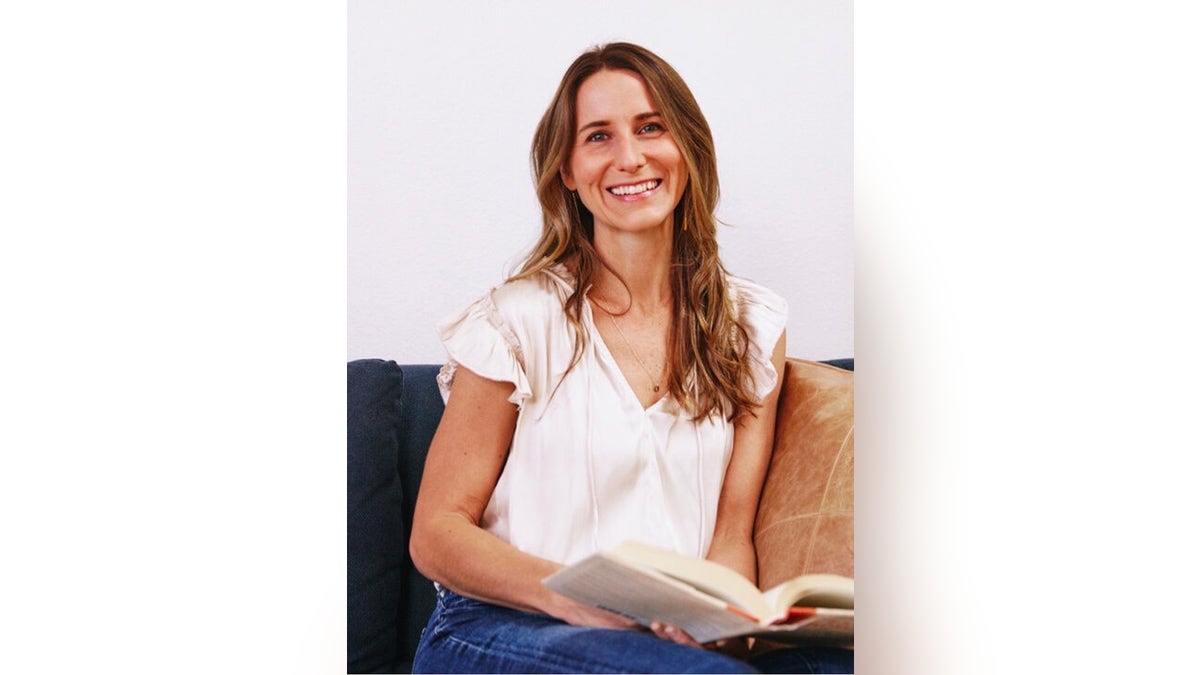
Dr. Heather Sandison, left, a renowned expert in Alzheimer’s disease and related dementia care, said it is critical for caregivers to protect their own mental and physical health. Her new book is “Reversing Alzheimer’s: The New Tool Kit to Improve Cognition and Protect Brain Health.” (Dr. Heather Sandison/iStock)

Read an excerpt from Dr. Sandison’s new book

Dr. Heather Sandison: When I meet with a new dementia patient, I know that I am treating their caregiver in addition to treating them. 

Of course, not every caregiver is on board with the idea of prioritizing their own health at that moment — mostly, they want to do everything they can to help their loved one get better.

“Dementia is almost like a virus. It doesn’t affect just one person. It can reach out and impair the cognitive health of the people who care for the patient, too.”

But dementia is almost like a virus. It doesn’t affect just one person. It can reach out and impair the cognitive health of the people who care for the patient, too. 

To be blunt, if you are not caring for yourself, you are not going to be a good caregiver.

Taking care of someone with Alzheimer’s is such a big and important job that it’s easy to lose yourself to it … If you don’t also care for yourself, your effectiveness and your health will suffer, which will only make things worse for the person you’re caring for.

Risks of caregiving

I’m guessing you already know that caring for someone with dementia is taxing. You may not realize just how detrimental to your own health it can be. I’m sharing this list so that you can see the potential costs of not tending to your own well-being during this time.

Dr. Heather Sandison

An expert in Alzheimer’s disease and related dementia care, Dr. Sandison believes that reversal isn’t just possible but that it’s already happening in multiple patients.  (Dr. Heather Sandison)

Caregiver burden

Whether you’re living with your care partner and providing day-to-day care, or living at a distance and providing mostly financial and/or logistical support, having someone in your life who has dementia is often hard in multiple ways — emotionally, physically and financially. 

ALZHEIMER’S BLOOD TEST ACHIEVES FASTER DIAGNOSES, HIGH ACCURACY AT MAYO CLINIC

Many people find that their sleep, diet, physical exercise and fun suffer. It’s a burden that works in two directions: It’s common to give up the things that help you stay healthy, and to feel a big weight of responsibility, frustration and guilt. 

With Alzheimer’s, patients lose their independence, and there are no benchmarks that align with a predictable timeline. That unpredictability can make the experience stressful and uniquely challenging.

Impaired cognitive function

Research has found that dementia caregivers have significantly lower scores on tests of cognitive function. 

Caregiver stress

“With Alzheimer’s, patients lose their independence, and there are no benchmarks that align with a predictable timeline,” Sandison writes. “That unpredictability can make the experience stressful and uniquely challenging.” (iStock)

This may be linked to the fact that many caregivers report poor sleep, which can impair your ability to process and respond to information, and thus can influence how safely you are able to perform complex caregiving tasks.

Depression

Depression and dementia are closely linked — having depression can increase your risk of dementia, and having dementia can increase your risk of depression. 

“Taking care of someone with Alzheimer’s is such a big and important job that it’s easy to lose yourself to it.”

On top of that, caregivers of people with dementia experience depression more frequently than the general population, and depression in a caregiver can in turn affect the status and prognosis of the dementia patient.

Isolation

A common feeling among dementia caregivers is that people who aren’t also caring for someone with dementia can’t understand what it’s like, which understandably can lead to feeling isolated from others. 

IN ALZHEIMER’S BREAKTHROUGH, RESEARCHERS IDENTIFY ‘PROTECTIVE GENE’ THAT DELAYS DISEASE IN HIGH-RISK FAMILY

Also, your devotion to your loved one can make it hard to ask for help. On top of that, your caregiving duties may be preventing you from getting together with friends or doing things that get you in the company of others, such as working out at the gym, attending church or participating in some other social activity.

Dementia risk

Devastatingly, all these negative effects combine to create an increased risk of developing dementia yourself — up to a sixfold increase compared to non-caregivers. Which is not to say that caring for someone with dementia definitely means you are getting dementia, too. 

It’s really when the sense of caregiving burden is high — and you don’t exercise as much, sleep as well or make healthy food choices — that this risk is at its highest.           

Caregiver non-negotiable: At least one day off            

If there’s one thing I know for absolute certain about Alzheimer’s, it’s this: Taking care of someone with dementia is not a one-person job. 

Trying to do it all yourself without ever taking a break is impossible. It will only increase your caregiver burden and put you on the path to burnout, which can then take a toll on your own risk of developing dementia and render you less able to care for your loved one.

home caregiver

More than 11 million Americans provide unpaid care for people with Alzheimer’s or other dementias, according to the Alzheimer’s Association. (iStock)

It’s for this reason that I tell every caregiver I encounter that there is only one nonnegotiable piece of any caregiving plan, and that is that you take at least one full day a week off from caregiving.

WHEN A PARENT MUST CARE FOR A PARENT: HOW TO AVOID CAREGIVING BURNOUT, ACCORDING TO EXPERTS

Why? In addition to staving off your own burnout as well as giving you some time to care for yourself, putting in place a “my day Friday” (or any other day[s] of the week) will force you to line up some help. 

Even if you think you don’t need any assistance now, it is only a matter of time until that changes.

Tools and techniques

Whether you realize it or not, you already have ways of coping with the stress that caregiving can give rise to — it’s just that they are likely not that helpful in the long run. That may be skipping out on sleep, drinking alcohol, blaming others, blaming yourself or deciding that you just need to try harder. 

All these can ultimately only add to your caregiver burden, not lessen it.

‘REVERSING’ ALZHEIMER’S: HERE ARE EXERCISES TO MAKE THE BRAIN MORE RESILIENT

Here, I’m providing a laundry list of tools and techniques that can help make a positive difference in both your day-to-day reality and your long-term health.

Reframing

This is a shift in your thinking that helps you deal with the unexpected with more equanimity — such as when your loved one is not listening to you. It’s very easy to be judgmental in these moments, and to feel victimized, as in “Why are they making my life harder?” Especially when you’re caring for a family member, with whom you have a long history. 

Ultimately, making it about you and judging the other person leads to more disconnection, which can breed upset and an escalation of the challenge.

man with alzheimers supported by wife

“Self-compassion has also been shown to reduce the perception of caregiver burden,” Sandison writes. “An important way you can implement self-compassion is to continually remind yourself that you’re doing your best.”  (iStock)

Whenever you’re in that place of judgment, there is an invitation in that moment to notice that you’ve gotten upset, and then reframe your loved one’s behavior as the communication of an unmet need.

Determining an unmet need requires some curiosity and some detective work. In any situation, take a step back and objectively ask, “What’s going on here?” 

“There is only one nonnegotiable piece of any caregiving plan, and that is that you take at least one full day a week off from caregiving.”

For example, if your care partner isn’t listening to you, instead of concluding that they are choosing not to hear you, stay open enough to investigate if their hearing aid is turned up, or needs a new battery, or if there’s too much background noise.

Releasing expectations                                       

This is probably one of the hardest things about loving and caring for someone with dementia — little by little, they lose the ability to do things they once could, whether that’s log into an online account, manage finances, remember your name or brush their teeth. 

CLICK HERE TO GET THE FOX NEWS APP         

As painful as these losses can be to witness, what makes them more upsetting is when you expect your loved one always to be able to do what they once could. 

That’s why, even though you hold out hope that they will be able to do some of these things again, it’s helpful to everyone — especially you — if you can let go of the expectation that they continue to be the person they were. By releasing the expectation, you can relieve yourself of at least a bit of the disappointment that comes from being let down when your expectation isn’t met. 

Happy woman reading

Take at least one day off per week from caregiving, an Alzheimer’s expert and author of a new book recommends. (iStock)

Maintaining a spirit of curiosity can help. 

Saying things to yourself such as, “I wonder how this will go,” can help you meet your care partner where they are that day. Don’t forget to enjoy and celebrate when your loved one does regain capacity.                                       

Self-compassion                                        

Self-compassion has also been shown to reduce the perception of caregiver burden. An important way you can implement self-compassion is to continually remind yourself that you’re doing your best. 

That may not mean you’re doing a perfect job, or even a great job — some days, you may need to phone it in because you didn’t sleep well the night before, or you’re not feeling well, or you have to focus on work that day, and that’s OK. 

But it does mean that you are doing the best you can in that moment. 

CLICK HERE TO SIGN UP FOR OUR HEALTH NEWSLETTER

The fact that you are willing to be a pioneer and learn about the things that can prevent or reverse the downward slide of dementia and put in the work to help your loved one get better suggests to me that not only are you doing your best, you’re doing a phenomenal job. It’s not easy to be at the forefront of a movement.        

“Try talking to yourself the same way you would talk to a friend — someone you care for, and whom you’re trying to encourage.”

Another important tool is to become aware of how you talk to yourself. We all have moments when we get frustrated, say the wrong thing or do something we later wish we could take back. I think we can agree that no one is perfect. 

So when things do go wrong, begin to notice what you say to yourself about it. It helps you become an observer of your own thoughts, which then creates a window of opportunity to be more intentional about what you tell yourself. 

For more Health articles, visit www.foxnews/health 

In these moments, try talking to yourself the same way you would talk to a friend — someone you care for, and whom you’re trying to encourage. 

If they made a mistake, I’m guessing you wouldn’t criticize them. 

You would just remind them that they’re doing their best. Resist the urge to say harsh, judgmental or downright mean things to yourself.

Excerpted with permission from the new book, “Reversing Alzheimer’s: The New Tool Kit to Improve Cognition and Protect Brain Health” (HarperCollins) by Dr. Heather Sandison, copyright © 2024 by Dr. Heather Sandison. All rights reserved. 
Death toll climbs to 116 in religious gathering stampede in India

0

Thousands of people at a religious gathering in India rushed to leave a makeshift tent, setting off a stampede Tuesday that killed more than 100 and left scores injured, officials said.

It was not immediately clear what triggered the panic following an event with a Hindu guru known locally as Bhole Baba. Local news reports cited authorities who said heat and suffocation in the tent could have been a factor. Video of the aftermath showed the structure appeared to have collapsed.

At least 116 people died, most of them women and children, said Prashant Kumar, the director-general of police in northern India’s state of Uttar Pradesh, where the stampede occurred.

AT LEAST 60 DEAD AFTER STAMPEDE AT RELIGIOUS GATHERING IN NORTHERN INDIA

More than 80 others were injured and admitted to hospitals, senior police officer Shalabh Mathur said.

“People started falling one upon another, one upon another. Those who were crushed died. People there pulled them out,” witness Shakuntala Devi told the Press Trust of India news agency.

Relatives wailed in distress as bodies of the dead, placed on stretchers and covered in white sheets, lined the grounds of a local hospital. A bus that arrived there carried more victims, whose bodies were lying on the seats inside.

Deadly stampedes are relatively common around Indian religious festivals, where large crowds gather in small areas with shoddy infrastructure and few safety measures.

Police officer Rajesh Singh said there was likely overcrowding at the event in a village in Hathras district about 220 miles southwest of the state capital, Lucknow.

People mourn next to the bodies of their relatives outside the Sikandrarao hospital in Hathras district about 217 miles southwest of Lucknow, India, Tuesday, July 2, 2024. A stampede among thousands of people at a religious gathering in northern India killed at least 60 and left scores injured, officials said Tuesday, adding that many women and children were among the dead and the toll could rise. (AP Photo)

Initial reports said organizers had permission to host about 5,000 people, but more than 15,000 came for the event by the Hindu preacher, who used to be a police officer in the state before he left his job to give religious sermons. He has led other such gatherings over the last two decades.

Indian Prime Minister Narendra Modi offered condolences to the families of the dead and said the federal government was working with state authorities to ensure the injured received help.

Uttar Pradesh’s chief minister, Yogi Adityanath, called the stampede “heart-wrenching” in a post on X. He said authorities were investigating.

“Look what happened and how many people have lost their lives. Will anyone be accountable?” Rajesh Kumar Jha, a member of parliament, told reporters. He said the stampede was a failure by the state and federal governments to manage large crowds, adding that “people will keep on dying” if authorities do not take safety protocols seriously enough.

In 2013, pilgrims visiting a temple for a popular Hindu festival in central Madhya Pradesh state trampled each other amid fears that a bridge would collapse. At least 115 were crushed to death or died in the river.

CLICK HERE TO GET THE FOX NEWS APP

In 2011, more than 100 Hindu devotees died in a crush at a religious festival in the southern state of Kerala.

FDA approves new drug for Alzheimer’s disease: ‘Meaningful results’

0

The U.S. Food and Drug Administration (FDA) has approved a new medication for people with Alzheimer’s disease. 

Eli Lilly’s Kisunla (donanemab) is a once-monthly injection intended for adults with early symptomatic Alzheimer’s disease, according to a press release from the company.

Eligible patients include those with mild cognitive impairment (MCI) and those who have mild dementia with confirmed amyloid pathology.

EXPERIMENTAL ALZHEIMER’S DRUG GETS FDA ADVISORY PANEL’S THUMBS-UP: ‘PROGRESS IS HAPPENING’

This is the first medication to target amyloid plaques — the proteins that build up in the brains of Alzheimer’s patients, often impairing memory and cognitive function — with evidence to support stopping therapy when amyloid plaques are removed, the release stated.

The U.S. Food and Drug Administration (FDA) has approved a new medication for people with Alzheimer’s disease.  (iStock)

“Kisunla demonstrated very meaningful results for people with early symptomatic Alzheimer’s disease, who urgently need effective treatment options,” said Anne White, executive vice president and president of Lilly Neuroscience, Eli Lilly and Company, in the release.

“We know these medicines have the greatest potential benefit when people are treated earlier in their disease, and we are working hard in partnership with others to improve detection and diagnosis.”

CAN WE REVERSE ALZHEIMER’S DISEASE? EXPERTS SUGGEST ‘NEW PARADIGM’ FOR COMBATING DEMENTIA

Fox News Digital reached out to the company for further comment.

The drug is designed to remove excessive buildup of amyloid plaques and slow cognitive decline, according to the company.

The approval follows an advisory panel’s recommendation of the drug at the FDA’s Peripheral and Central Nervous System Advisory Committee hearing last month.

At that hearing, Eli Lilly officials presented clinical trial results that showed the drug slowed cognitive and functional decline for people with mild cognitive impairment due to early stages of Alzheimer’s.

CLICK HERE TO SIGN UP FOR OUR HEALTH NEWSLETTER

In phase 3 trials published in May 2023, donanemab was shown to “significantly slow cognitive and functional decline in people with early symptomatic Alzheimer’s disease,” according to a press release on Eli Lilly’s website.

Eli Lilly

Eli Lilly’s Kisunla (donanemab) is a once-monthly injection intended for adults with early symptomatic Alzheimer’s disease. (iStock)

That study was published by the Journal of the American Medical Association.

The most serious potential side effect of Kisunla is amyloid-related imaging abnormalities (ARIA), which can lead to temporary brain swelling or bleeding.

CLICK HERE TO GET THE FOX NEWS APP                  

Although this effect “usually resolves over time,” it can be life-threatening, the company said.

Some patients may also experience headaches or potentially serious allergic reactions during or shortly after the drug’s infusion.

Evidence of Alzheimer’s disease

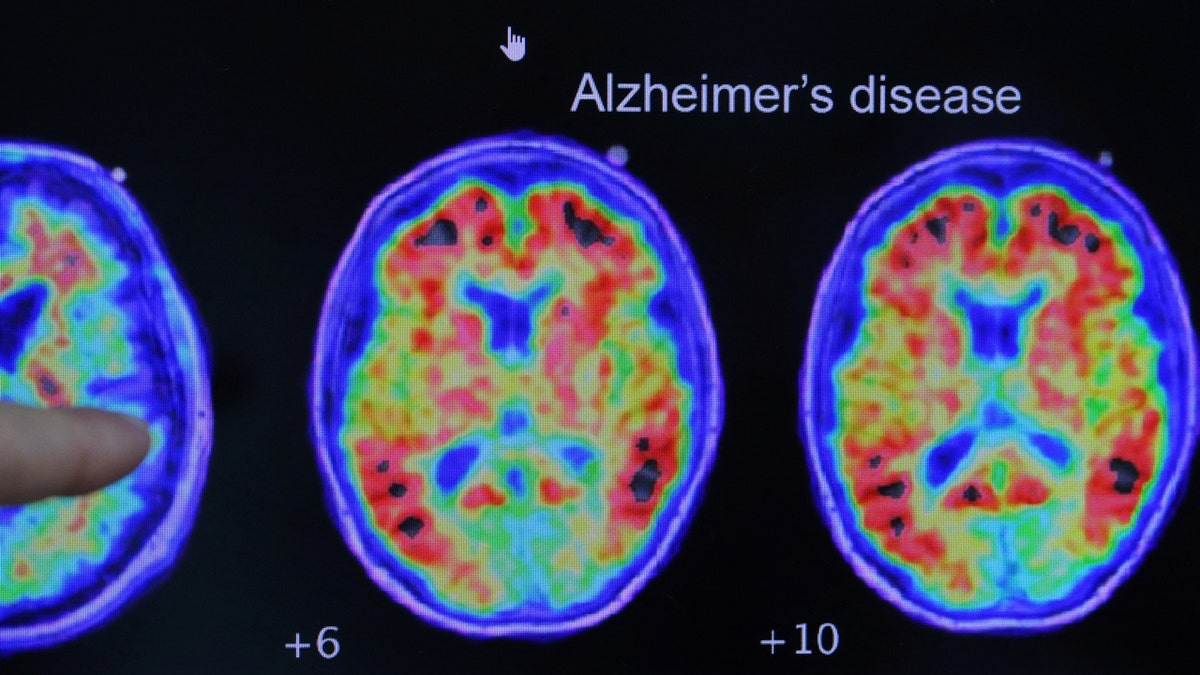
A doctor points out evidence of Alzheimer’s disease on PET scans at the Center for Alzheimer Research and Treatment at Brigham And Women’s Hospital in Boston, Massachusetts.  (REUTERS/Brian Snyder/File Photo)

Dr. Marc Siegel, clinical professor of medicine at NYU Langone Medical Center and a Fox News medical contributor, who was not involved in the drug trials, noted that donanemab is very similar to Leqembi, the current drug on the market that blocks amyloid formation.

For more Health articles, visit www.foxnews/health

Denonemab is “somewhat more effective,” Siegel noted, as it slows the progression of Alzheimer’s by about 35% versus 27% for Leqembi.

“It may be better at removing plaques,” he said.

Alabama woman bitten by rabid fox while unloading groceries from car: report

0

Join Fox News for access to this content

You have reached your maximum number of articles. Log in or create an account FREE of charge to continue reading.

By entering your email and pushing continue, you are agreeing to Fox News’ Terms of Use and Privacy Policy, which includes our Notice of Financial Incentive.

Please enter a valid email address.

An Alabama woman was bitten by a rabid fox recently as she unloaded groceries from her car, according to local reports.

The Atmore woman, whose name was not disclosed, was reportedly holding a loaf of bread when “seemingly from out of nowhere, she was attacked and bitten by a fox,” according to a news release from the Alabama Department of Public Health (ADPH).

The woman, described as “older,” received post-exposure treatment to help prevent rabies infection.

HOT SUMMER SAFETY: HOW TO KEEP YOUR PETS HEALTHY IN EXTREME TEMPERATURES THIS SEASON

The fox was taken to the Alabama Department of Public Health Bureau of Clinical Laboratories, where it was tested and confirmed positive for rabies. 

Rabies is a viral disease that can be fatal if not treated before emergence of symptoms, according to the U.S. Centers for Disease Control and Prevention (CDC).

An Alabama woman was recently bitten by a rabid fox (not pictured), according to local reports. (iStock)

It is typically spread to people or pets through the bite or scratch of an infected animal.

“Although rabies is primarily found in wild animals since widespread vaccination of domestic animals began over 70 years ago, it continues to be a public health threat,” said Dr. Dee W. Jones, Alabama’s public health veterinarian, in the release.  

EIGHT PUPPIES ABANDONED IN SWELTERING TEXAS HEAT RESCUED BY DEPUTIES

“Although attacks such as this by rabid wildlife are rather uncommon, it highlights the risk rabies continues to pose and hopefully reminds people to be aware of the risks and continue to vaccinate their pets.”

Unloading groceries

The woman (not pictured) was unloading groceries from her car when she was bitten. (iStock)

Owners of dogs, cats and ferrets 12 weeks of age and older are legally required to keep their pets up to date on rabies vaccination in the state of Alabama.

“Vaccinating animals reduces the risk of rabies infection should exposure occur; thus, vaccinations protect animals, as well as their owners and caretakers,” the release stated.

CLICK HERE TO GET THE FOX NEWS APP                                     

The health department also urged people to not allow pets to run loose, properly dispose of any food scraps, refrain from feeding or keeping wildlife as pets, avoid animals that are behaving strangely, and keep children away from stray or wild animals.

Vaccinate dog

“Although attacks such as this by rabid wildlife are rather uncommon, it highlights the risk rabies continues to pose and hopefully reminds people to be aware of the risks and continue to vaccinate their pets,” said a veterinarian. (iStock)

Anyone who has been bitten by an animal or otherwise exposed to rabies should contact a doctor and the health department.

Approximately 60,000 Americans receive medical care following a potential rabies exposure each year, per the CDC.

CLICK HERE TO SIGN UP FOR OUR HEALTH NEWSLETTER

Dr. Marc Siegel, a physician, clinical professor of medicine at NYU Langone Medical Center and Fox News medical contributor, spoke with Fox News Digital about post-exposure prophylaxis (PEP).

“Rabies treatments are reliably found in emergency rooms, as there isn’t enough demand to keep the shots in every doctor’s office or urgent care clinic,” he said.

Rabies vaccination syringe held in gloved hand.

“Treatment involves a vaccine series and rabies immunoglobulin (a medication made up of antibodies against the rabies virus),” a doctor told Fox News Digital. (iStock)

“Treatment involves a vaccine series and rabies immunoglobulin (a medication made up of antibodies against the rabies virus).”

Effective preventive treatment is close to 100% successful if administered properly, Siegel said.

For more Health articles, visit www.foxnews/health 

“Conversely, if rabies infection takes hold, it is close to 100% fatal,” he warned.

Rabies prevention treatments can be expensive, however, Siegel noted — in Washington, D.C., the first treatment alone has reportedly cost some patients more than $15,000.

Fox News Digital reached out to the Alabama Department of Public Health for comment.

Cord blood banking: A future health investment for your child?

0

Join Fox News for access to this content

Plus special access to select articles and other premium content with your account – free of charge.

By entering your email and pushing continue, you are agreeing to Fox News’ Terms of Use and Privacy Policy, which includes our Notice of Financial Incentive.

Please enter a valid email address.

The umbilical cord — the lifeline between mother and baby — was historically discarded as medical waste after birth.

Today, an increasing number of parents are choosing to preserve the cord blood for its potential to safeguard their child’s future health. 

The birth of a baby comes with an overwhelming number of decisions, one of which is whether to bank the newborn’s cord blood cells. 

MEET THE AMERICAN WHO HELPED SAVE MILLIONS OF NEWBORN BABIES, DR. VIRGINIA APGAR, PHYSICIAN AND MUSICIAN

Whether cord blood banking is worth it for a family hinges on various factors, including the present health of their child, the existence of twins in the family and many other individual considerations.

What is cord blood banking?

Cord blood banking involves the collection and storage of stem cells derived from the blood of a newborn’s umbilical cord immediately after birth. 

The reason is its potential life-saving abilities, as the hematopoietic stem cells found in cord blood have the unique ability to differentiate into various types of blood cells. 

There are two main types of banks for cord blood: public and private. (BSIP/UIG)

Preserving the cord blood cells provides an option for future therapeutic use in treating a range of diseases for the child or siblings. 

These stem cells are less likely to face rejection during transplant due to their immature nature. This widens the blood cells’ applicability in medical procedures for the donor or family members.

Cord blood banking process

Cord blood banking can be done from either a vaginal or surgical birth, and regardless of whether the labor was induced or occurred naturally. 

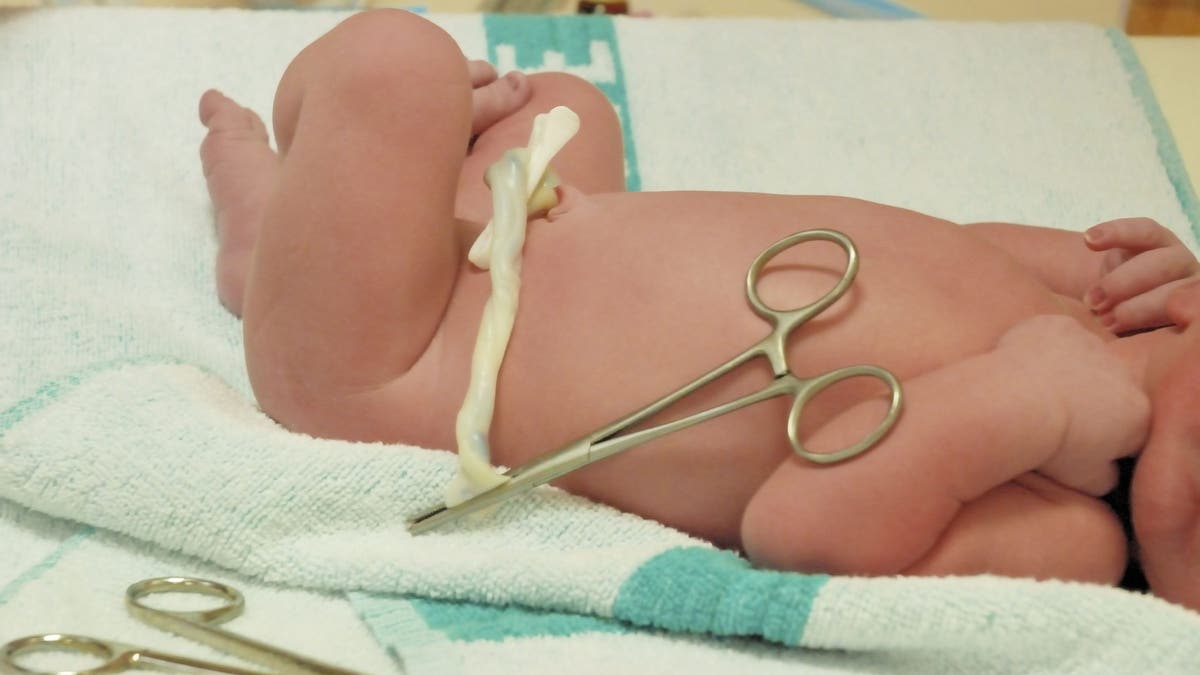
Once the parents decide to store the blood, the doctor will clamp the umbilical cord in two places and cut the cord, separating the mother from the child. 

Once the blood has been collected and sealed, it will be sent to a cord blood bank for storage. 

The doctor will inject a needle into the cord and collect, in general, between 60 and 300 milliliters (mL) of cord blood. The collected volume can vary, however, and not all collections will be sufficient for future therapeutic use for the child or siblings. 

Once the blood has been collected and sealed, it will be sent to a cord blood bank for storage. 

Doctor and woman cut baby's umbilical cord

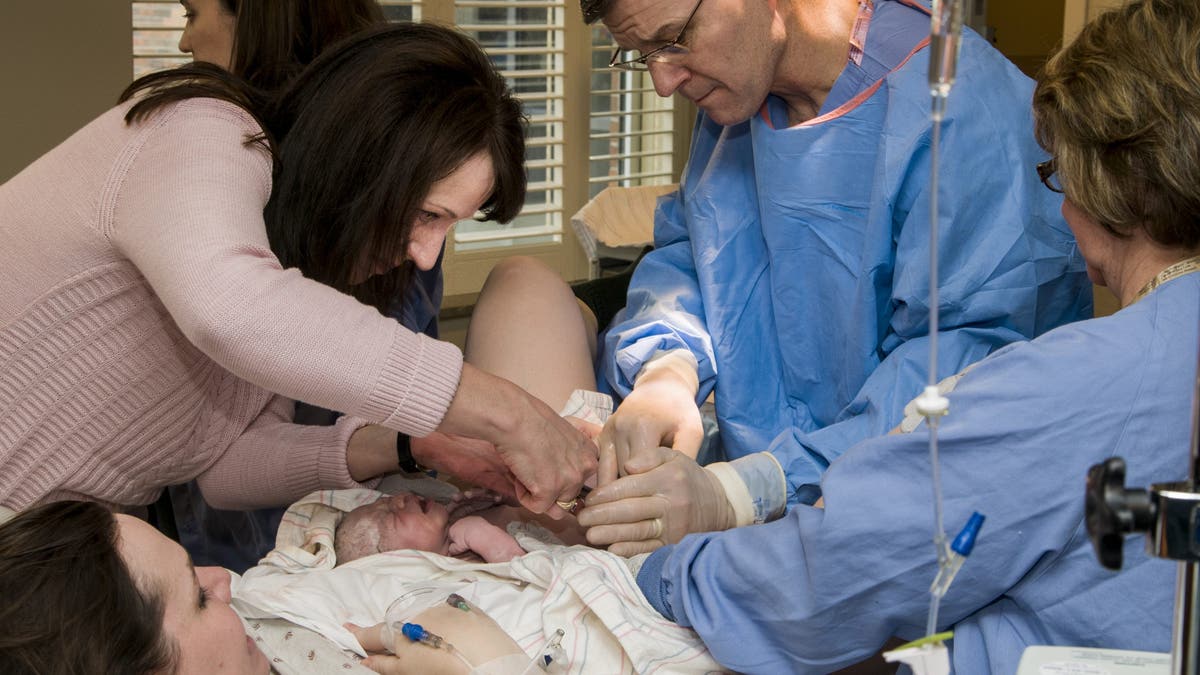
In the United States, the Food and Drug Administration (FDA) regulates cord blood banking and donation. (Education Images/Universal Images Group )

Collecting fluid in this process is relatively easy and does not cause pain to the mother or baby, according to webmd.com. 

The collection process generally takes around five minutes to complete.

The blood can be stored at several different sites, based on the family’s decisions and circumstances. 

  • Public cord banks. These are free to use, but donations made are available to anyone.
  • Private cord banks. These blood banks will store the blood for use only by the donor and family members of the donor. This can be an expensive option as there is a processing fee and an annual storage fee.
  • Direct-donation banks. These are a mixture of public and private banks. They store cord blood for public use but also accept donations to reserve the stem cells for the child.
Midwife cleaning baby's umbilical cord

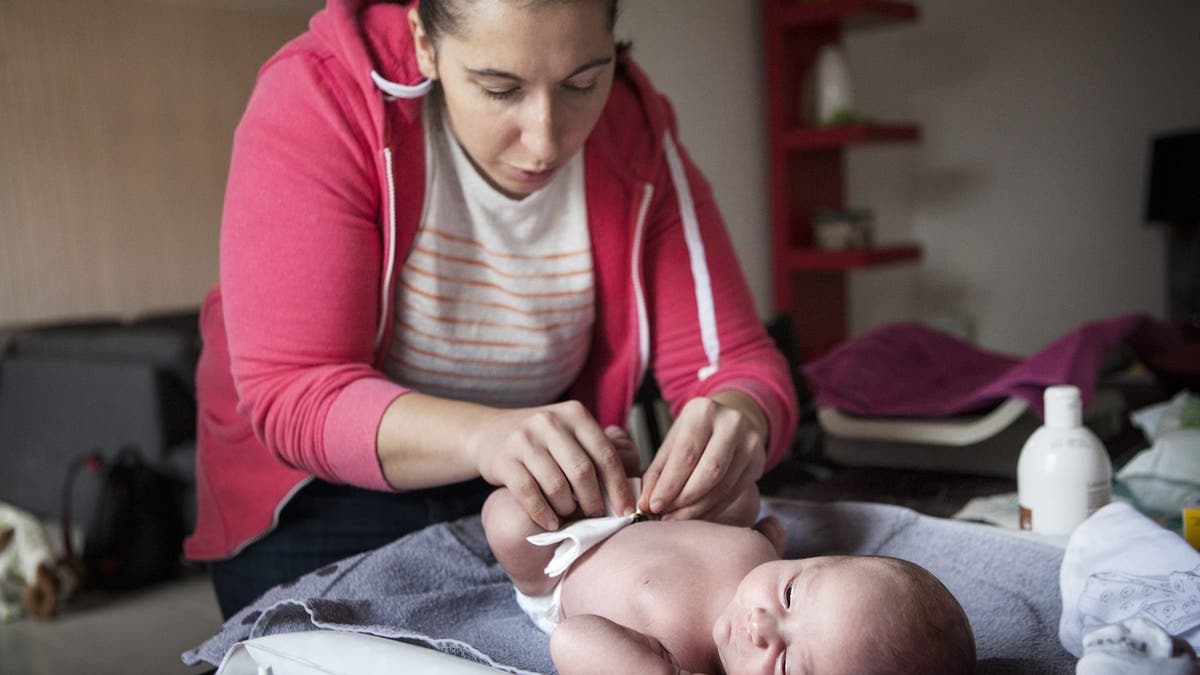
Cord blood is collected immediately after birth in a painless process that does not harm the mother or the baby. (BSIP/Universal Images Group)

When discussing the options, cord blood banking often refers to private banking, while cord blood donation generally refers to public banking. 

Private cord banking may not be worth the financial expense for the family, according to the American College of Obstetricians and Gynecologists and the American Academy of Pediatrics. The reason is that the price is steep for the chance that the child will need to use the blood at some point in time. 

PARENTS WELCOME 14-POUND BABY, THE LARGEST ON RECORD SINCE 2010: ‘EVERYBODY WAS MAKING BETS’

These organizations suggest that routine storage of cord blood for stem cells as a sort of insurance is unproven, and therefore they caution parents when considering it. 

Donating to a public storage bank could benefit the community, however, according to these organizations. 

Baby being cared for at the hospital after birth

There is usually no cost to donate cord blood to a public bank, but private banking can be pricey, involving initial collection fees and annual storage fees. (BSIP/UIG)

What are the uses of cord blood banking?

Cord blood banking can be beneficial because the stem cells are hematopoietic stem cells, meaning they are immature but can become mature cells of different types within the body.

Not only do they require less matching, they also cause fewer infections. 

BABY SLEEP DANGERS REVEALED IN NEW STUDY AS NEARLY 70% OF INFANT DEATHS WERE DUE TO CO-SLEEPING

The stem cells within the umbilical cord can provide life-saving assistance for several conditions later in life.

Stem cells from the umbilical cord can treat a variety of conditions, including:

  • Cancer
  • Anemia
  • Immune system disorders
Image of baby in mother's stomach with umbilical cord

Once the cord blood is collected and stored, it can remain viable for a long time. Research suggests that cord blood can be stored for at least 10 years but often much longer. (QAI Publishing/Universal Images Group )

A benefit of using cord blood stem cells is that they rarely result in infectious diseases.

They are also highly effective as they are half as likely to be rejected compared to other stem cells because they are immunogenic due to their immature nature.

What are the cons of cord blood banking?

There is only about an 8% usage rate of blood that has been stored through this process, according to a study cited by the National Library of Medicine. 

Part of the reason for the low rate is that the blood is not always useful for a disease that develops later on in life.

HEALTH BENEFITS OF CONSUMING VINEGAR, PLUS TIPS FROM A DIETITIAN

Many factors go into whether cord blood can be used, such as from a set of twins when one twin is healthy and the other is born with a genetic disorder. 

The blood drawn from the ill child can not be used later on for the healthy child, but the reverse could be true if the blood is a good match.

Baby with umbilical cord still attached, ready to be cut

Patients are more likely to find a genetic match among donors of their own ethnic background. (BSIP/Universal Images Group)

There are many circumstances that the American Academy of Pediatrics lays out as not ideal conditions for cord blood banking. 

Identical twins are not often the best match for each other because a slight genetic difference in the blood cells is recommended. 

CLICK HERE TO GET THE FOX NEWS APP                                                                                               

Additionally, public blood banks can only accept donations from umbilical cords from a mother carrying a single child. This is due to the possibility that the blood units could get mixed up during the collection with twins.

Another downside of using cord blood cells is that it takes longer for them to create the therapeutic effect desired because they are hematopoietic stem cells.

How much does cord blood banking cost?

Typically, there are two separate fees involved when preserving a child’s cord blood cells, according to the American Pregnancy Association. The initial fee covers the enrollment and collection. 

Then, there is an annual storage fee.

CLICK HERE TO SIGN UP FOR OUR HEALTH NEWSLETTER

Those who go this route can expect to pay in the range of $1,350 and $2,350 for the initial collection, testing and registering, according to the American Academy of Pediatrics. Annual storage fees often range from $100 to $175, but the costs of individual storage banks will vary.

Stem cell operation performed by doctor

Currently, research into cord blood stem cells is ongoing. Scientists are investigating the potential for treating conditions such as cerebral palsy and Type 1 diabetes. (iStock)

If the parents donate the blood cells from the umbilical cord, there is no cost. 

The future of cord blood banking

The future trajectory of cord blood banking remains uncertain. Nonetheless, preserving cord blood cells today may have significant health benefits, offering new avenues for disease treatment as the field advances. 

For more Health articles, visit www.foxnews/health 

Considering the first successful umbilical cord blood stem cell transplant was performed as recently as 1988, as documented by the National Library of Medicine, the science around this practice is relatively young. 

With ongoing research, the scope and efficacy of cord blood use are bound to expand.

‘Personal heritage journeys’ help travelers in search of their lineage

0

Join Fox News for access to this content

Plus special access to select articles and other premium content with your account – free of charge.

By entering your email and pushing continue, you are agreeing to Fox News’ Terms of Use and Privacy Policy, which includes our Notice of Financial Incentive.

Please enter a valid email address.

Talk about getting to know the family better.

A service operated by Kensington Tours and the genealogy website Ancestry provides a fascinating chance for people to connect with their heritage on a far deeper level than a typical tourist trip – by going to the very places their ancestors lived.

One traveler who has taken a “personal heritage journey” with Kensington Tours is Elizabeth Dobson of London, Ontario. She became interested in genealogy after she retired in 2015, she told Fox News Digital in a phone interview. 

MAN TRAVELS THE WORLD ON A CRUISE SHIP FOR FREE AFTER QUITTING HIS DAY JOB: ‘HAVE LEARNED SO MUCH’

“My dad, before he died, told me that we had an artist in the family [who] was in the royal court,” she said. Dobson made it her mission to find out as much as she could about her great-great-grandfather, William Charles Thomas Dobson.

She had a membership with Ancestry, she said, and had even had her DNA analyzed by the company. 

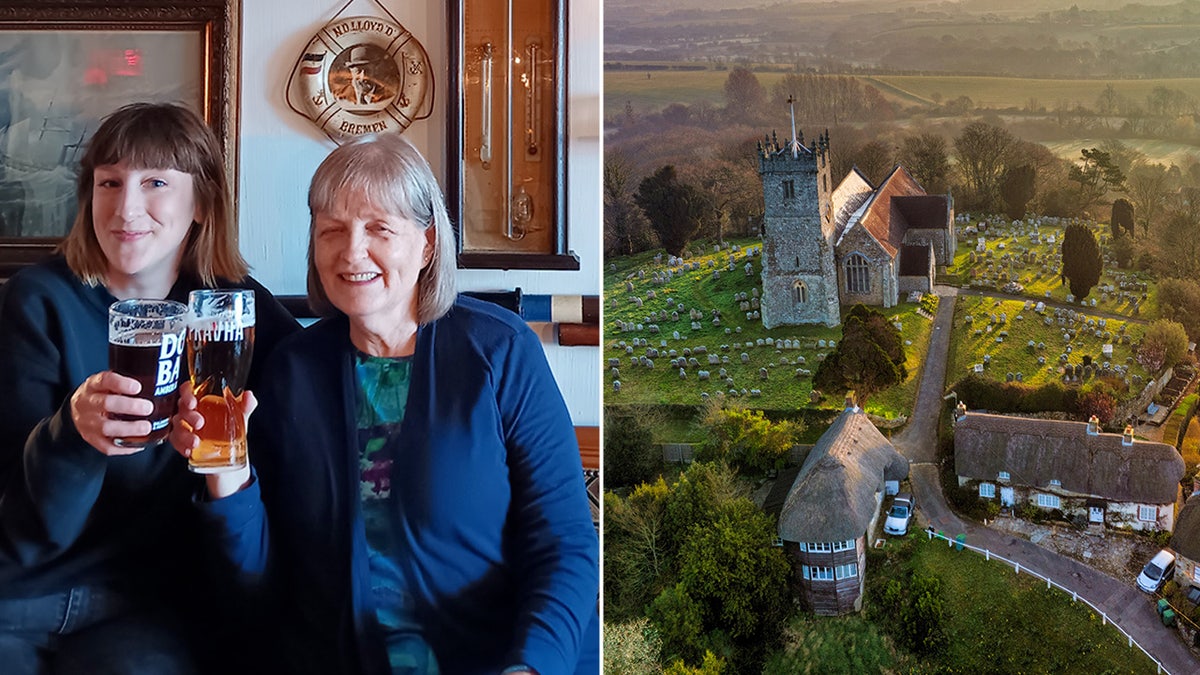
Elizabeth Dobson, at right, and her niece Laura Dobson, are shown enjoying a pint at the Spyglass Inn on the Isle of Wight. Elizabeth Dobson’s great-great-grandfather died in one of the inn’s rented apartments, she said. She signed up for a “personal heritage tour” to better understand her family history. (Elizabeth Dobson)

“I signed up for a heritage tour, which involved genealogists doing professional research on my great-great-grandfather and forwarding that to me and forwarding that to the tour agents at Kensington Tours — who then devised a custom trip for me to find out about my great-great-grandfather,” she said. 

In May 2024, she embarked with her niece, spending 12 days tracing her relative’s footsteps in England. 

Each “personal heritage journey” is entirely unique. 

She even visited the Spyglass Inn on the Isle of Wight, where he died in one of the rented apartments in the late 19th century.  

4 TIPS AND TRICKS FOR FLYING WITH CHECKED BAGS: ‘LUGGAGE WILL GET LOST’

Dobson was also able to view some of his paintings kept in museum storage.

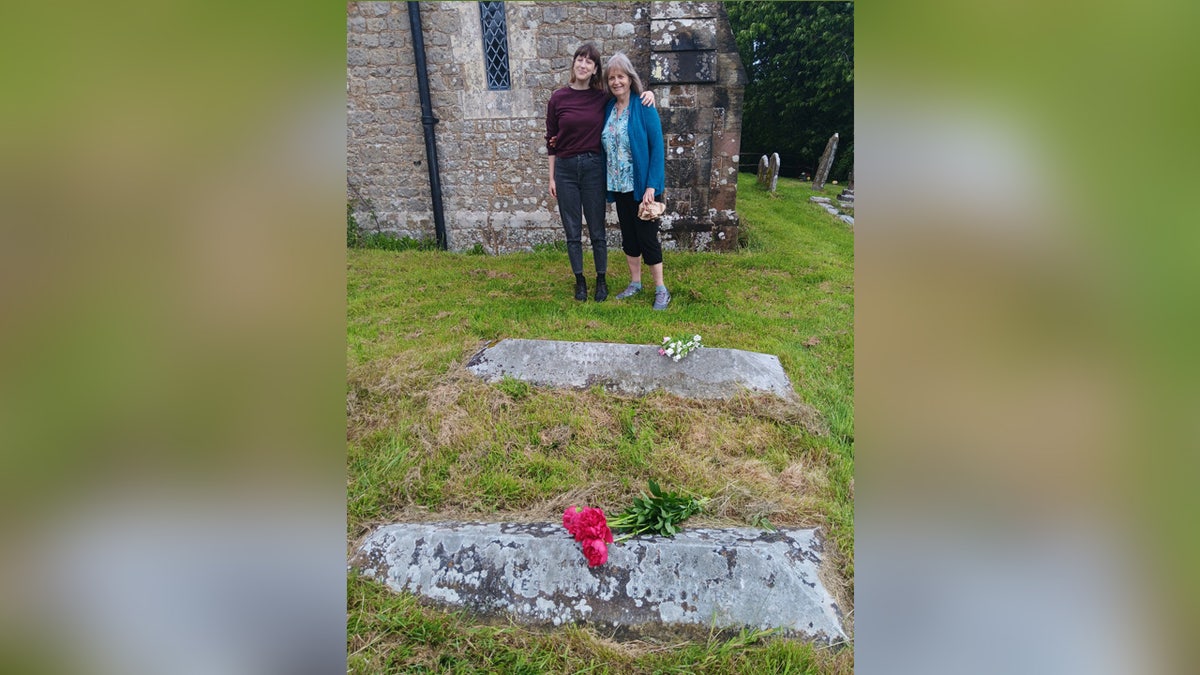
One of the more touching moments of her trip, she told Fox News Digital, was visiting her great-great-grandfather’s gravesite. 

Older woman and younger woman standing at gravesite with flowers.

Elizabeth Dobson, right, and her niece Laura Dobson brought flowers to place at the resting places of their English ancestors. “That was quite important,” said Elizabeth Dobson.  (Elizabeth Dobson )

“We found his grave and my great-great-grandmother’s grave and one of my great-uncle’s … sons was buried there. We brought with us flowers from London, and we put them on the graves of the three different people,” Dobson said. 

“That was quite important.”

Finding family members through genealogy

Kensington Tours first teamed up with Ancestry in 2020, Jason Susinski, director of product for Italy and France at Kensington Tours, told Fox News Digital in an interview. 

The travel company specializes in individualized trips and tours, according to its website.

Popular destinations for these types of tours include Ireland, France, Japan and New York City. 

“We worked very closely with [Ancestry] to develop a range of itineraries that could reflect some of the more common destinations,” he said, that travelers were showing interest in “for heritage reasons.”

RETIRED COUPLE FROM VIRGINIA IS TRAVELING TO EVERY ONE OF THIS RESTAURANT CHAIN’S LOCATIONS IN THE USA

The link between the two companies is “the perfect marriage,” he said. 

Each “personal heritage journey” is entirely unique, said Susinski, who is based in Ottawa. Rather than taking people to major tourist destinations, the personal heritage journey enables travelers, via private tours, to visit the small towns where their relatives originated, he said. 

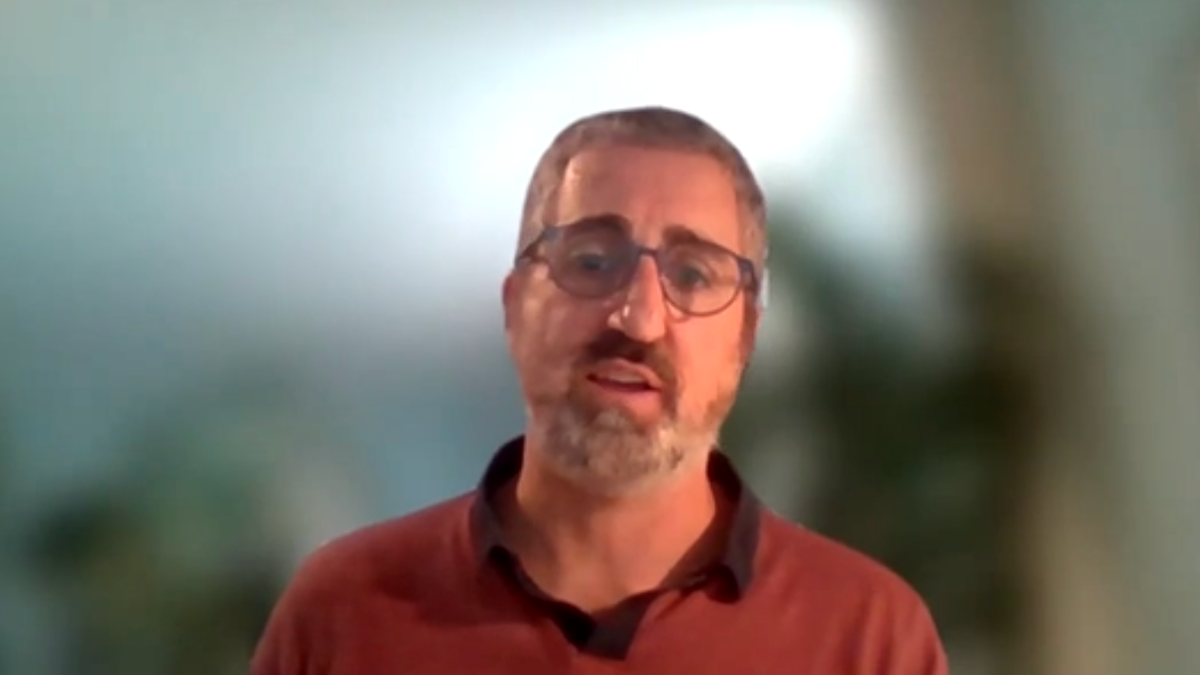
man on zoom camera

Jason Susinski, an Ottawa-based director of product at Kensington Tours, said some clients have found long-lost relatives or family friends while on their “personal heritage journeys.”  (Fox News Digital)

Anyone interested in the journeys is “put in touch with genealogists from Ancestry, and they work together to uncover their family’s story,” Susinski said. 

“Once that family story has been uncovered, they share that information with our destination experts, and our destination experts will craft the trip.” 

“We craft the itineraries according to hotel preference and length of stay,” he said. 

“And often, we find these trips are a combination of heritage exploration, as well as a more generalized visit to the country.” 

Those seeking to embark on personal heritage journeys through Kensington Tours gain access to genealogical services that are not typically available to the average person, Susinski said. 

Ancestry has its headquarters in San Francisco.

Ancestry genealogists help connect travelers like Elizabeth Dobson of Ontario with their families’ past.  (iStock)

“They do work with genealogists who are locally based in most of the countries in Europe that we service,” he said. 

Those genealogists, fluent in the local languages of the area, Susinski said, “are able to access local archives, which typically aren’t translated – and often these records aren’t digitized.” 

For more Lifestyle articles, visit www.foxnews.com/lifestyle

He added, “So it means going to a city archive or even going to cemeteries and looking at tombstones, things that simply aren’t possible if you are on the other side of the ocean.”

Popular destinations for these types of tours include Ireland, France, Japan and New York City, Susinski said. 

cemetery, headstones

Clients planning a personal heritage journey are connected to a genealogist in their ancestral hometowns who can do things like comb cemeteries and non-digitized records for information on a family’s past. (iStock)

And because the areas they travel to often are not major tourist destinations, travelers have sometimes found themselves meeting long-lost relatives. 

CLICK HERE TO SIGN UP FOR OUR LIFESTYLE NEWSLETTER

“We’re taking clients into very small towns, remote villages,” he said. 

“These are little places that have maybe one church, one or two cemeteries – very much a slow, small, rustic way of life.” 

Cows graze on a hillside in Ireland in 2018

Those who take part in a personal heritage journey often find themselves meeting long-lost relatives in small towns and remote villages that are “very much a slow, small, rustic way of life,” according to Susinski. (iStock)

Visitors, like the ones on the tour, often “stand out” and “attract local attention.” 

“We’ve heard stories where a guide, with the clients, will be walking down a street and a local approached them and asked why they’re in this town,” he said. 

CLICK HERE TO GET THE FOX NEWS APP

Popular destinations for these types of tours include Ireland, France, Japan and New York City, Susinski said.  

“And that leads to a back and forth, and they find out that the person they’ve spoken to is connected to the family by multiple generations,” Susinski said.

split image of woman and her niece toasting beers and a view of the Isle of Wight

Elizabeth Dobson and her niece recently traveled to England in the hope of finding more about her family. Rather than taking people to major tourist destinations, the personal heritage journey enables travelers, via private tours, to visit the small towns where their relatives originated.  (Courtesy Elizabeth Dobson/Getty Images)

“It’s a really interesting way to bring these stories full circle.” 

He added, “To see the walls or to step on the grounds where their family members had stepped is deeply meaningful.”