
The attack caused the unknown trader to lose over 97% of their crypto holdings.



Tether’s USDT hegemony in the stablecoin market may shift as institutional investors chip into the crypto market.

The largest Friend.tech whale has sold all his holdings, causing the new token to fall over 50% in value while other users are still unable to claim the airdrop.
Are you tired of Facebook’s constant nudges about people they think you may know? Facebook employs algorithms that analyze your engagement patterns, your uploaded contact lists and your existing friends to suggest potential new connections.
These suggestions appear in your “People You May Know” section, which can be found in your News Feed or under the Friends tab.
While Facebook’s goal is to encourage more connections, increasing users’ likelihood of using the platform, this feature might seem annoying if you are not interested in expanding your friend list.
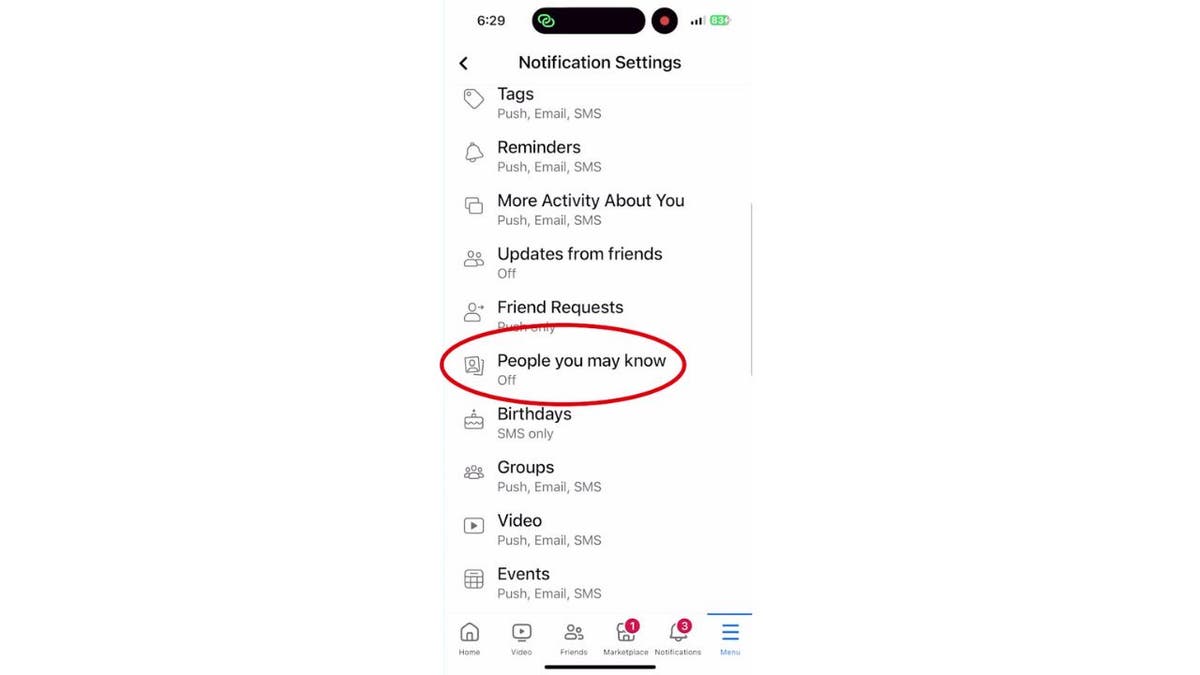
The “People You May Know” feature on Facebook (Kurt “CyberGuy” Knutsson)
Unfortunately, Facebook doesn’t offer an option to disable the “People You May Know” feature permanently. However, you can temporarily hide it, which prevents it from appearing in your News Feed for some time. Follow these steps to hide the “People You May Know” feature on Facebook.
MORE: 5 WAYS TO MAKE YOUR FACEBOOK ACCOUNT BULLETPROOF
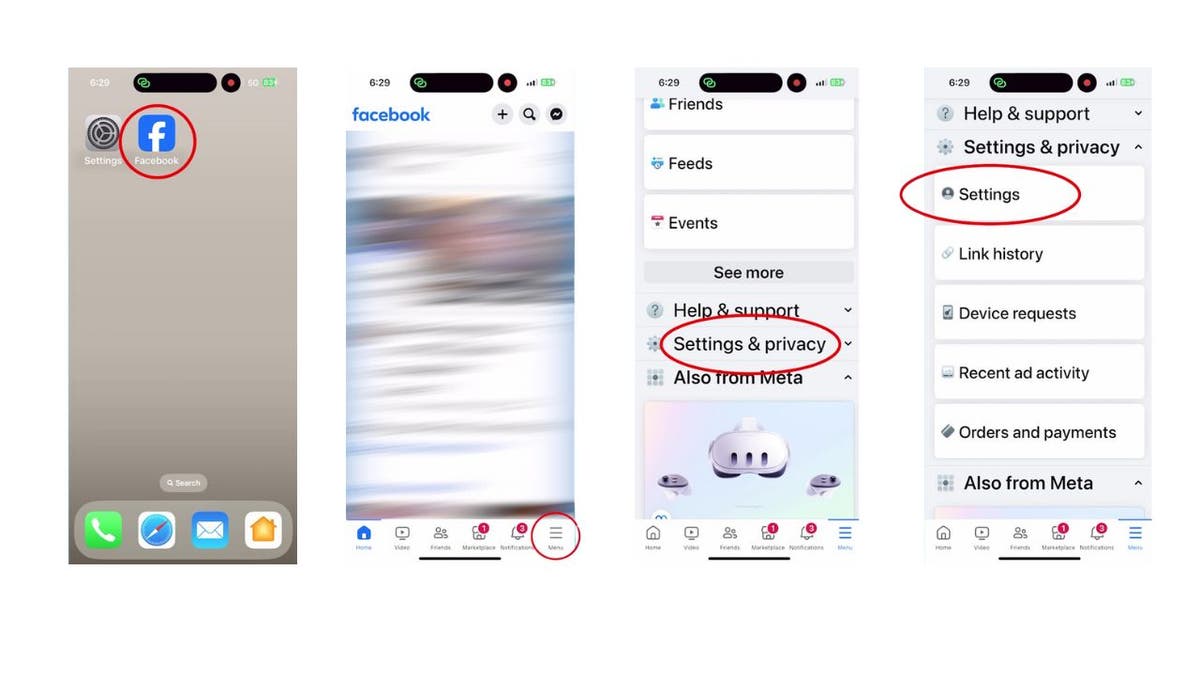
Steps to disable “People You May Know” notifications on Facebook (Kurt “CyberGuy” Knutsson)
MORE: UNFORGETTABLE MOTHER’S DAY GIFTS 2024
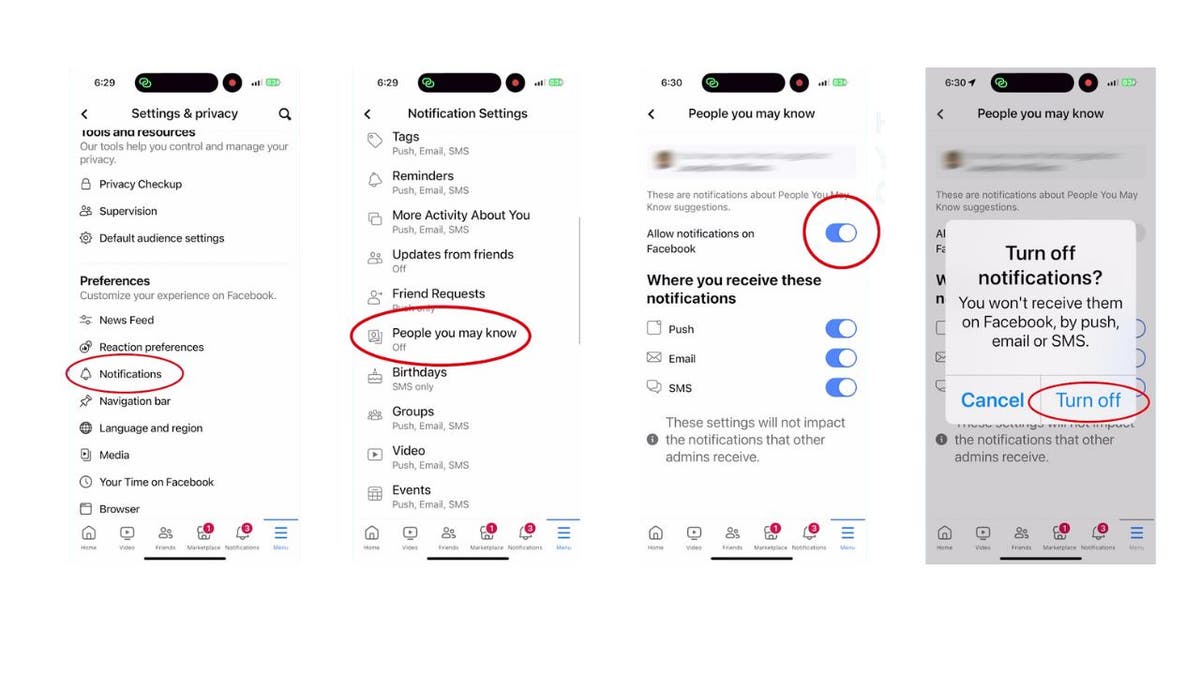
Steps to disable “People You May Know” notifications on Facebook (Kurt “CyberGuy” Knutsson)
MORE: HOW TO REMOVE FACEBOOK ACCESS TO YOUR PHOTOS
Now, let’s sort out those notifications on your computer:
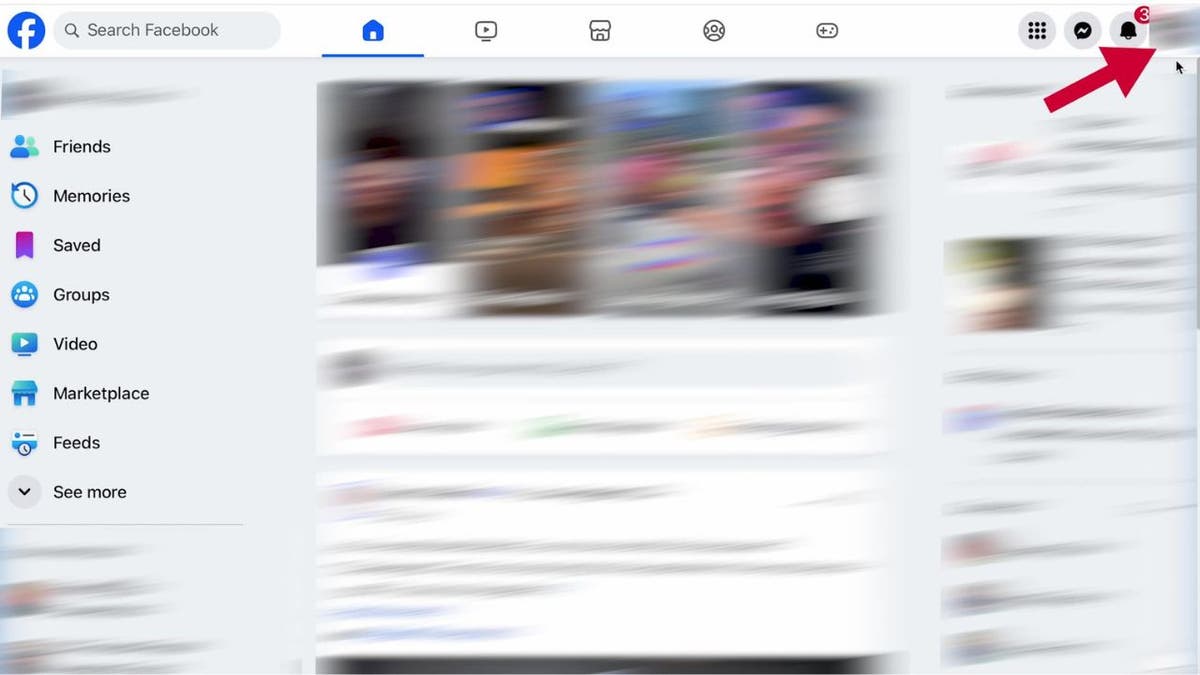
Steps to disable “People You May Know” notifications on Facebook (Kurt “CyberGuy” Knutsson)
HOW TO REMOVE FACEBOOK ACCESS TO YOUR PHOTOS
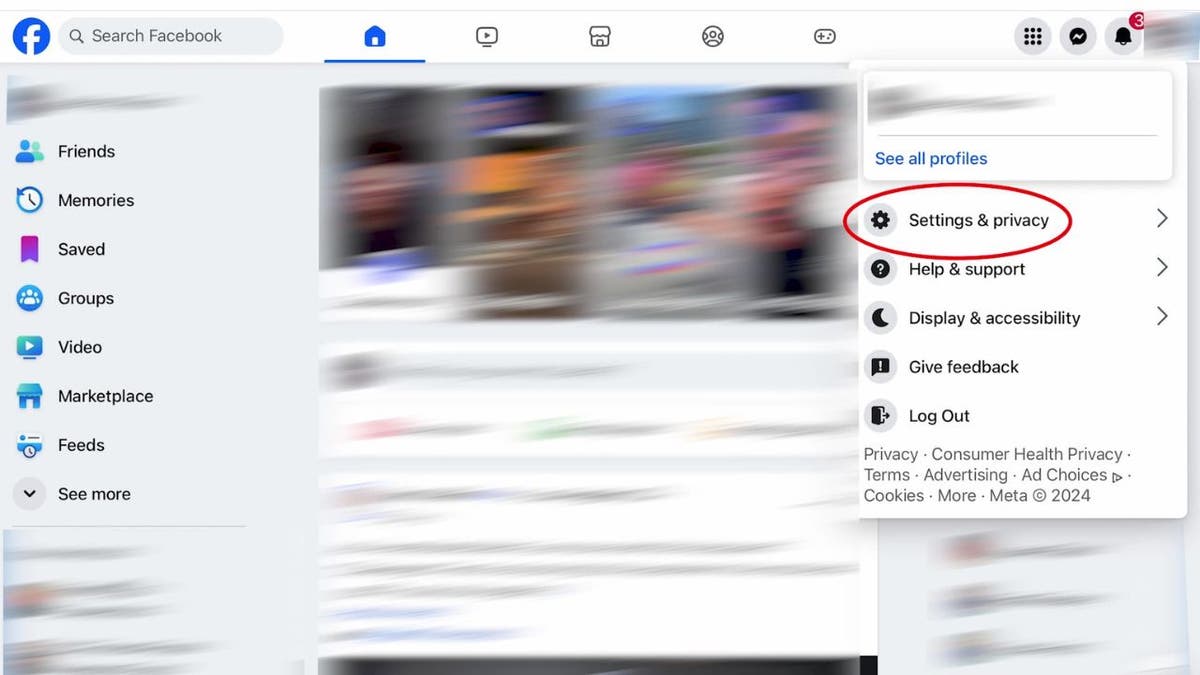
Steps to disable “People You May Know” notifications on Facebook (Kurt “CyberGuy” Knutsson)
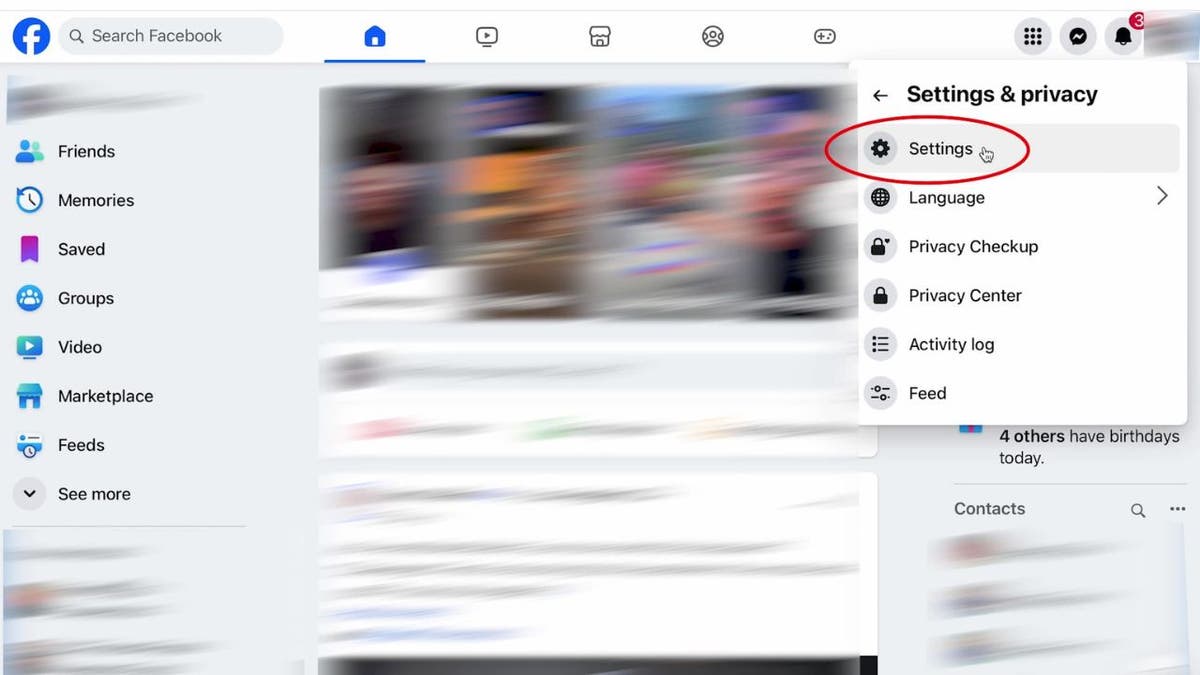
Steps to disable “People You May Know” notifications on Facebook (Kurt “CyberGuy” Knutsson)
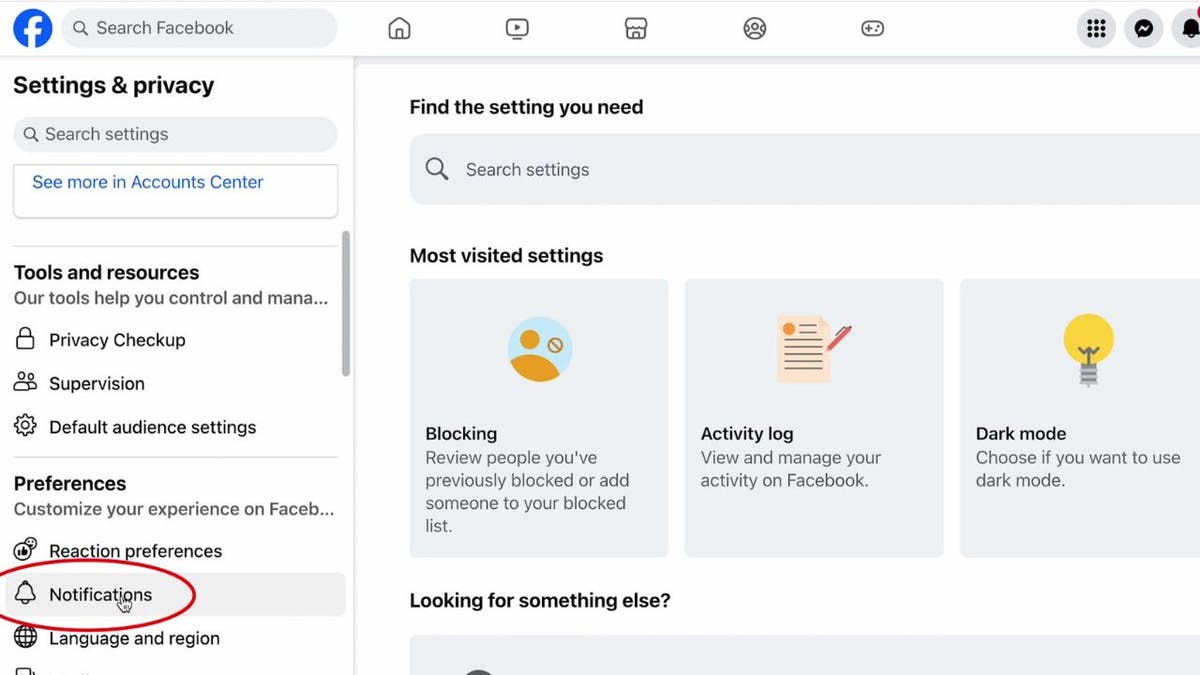
Steps to disable “People You May Know” notifications on Facebook (Kurt “CyberGuy” Knutsson)
GET FOX BUSINESS ON THE GO BY CLICKING HERE
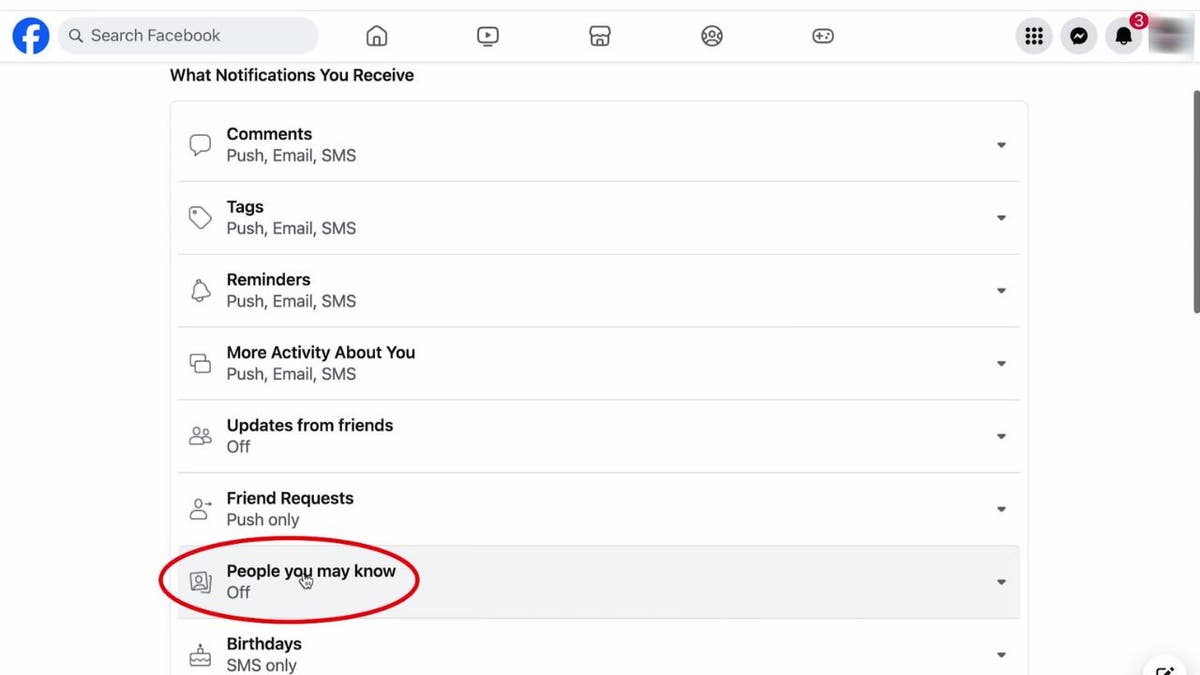
Steps to disable “People You May Know” notifications on Facebook (Kurt “CyberGuy” Knutsson)
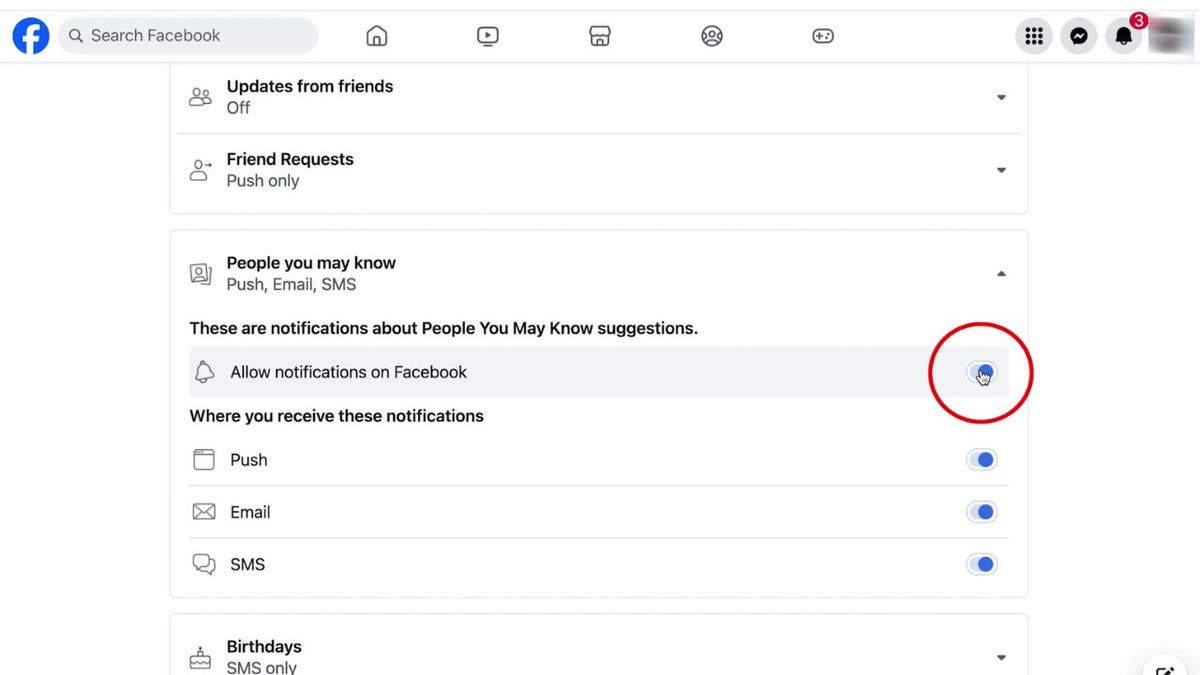
Steps to disable “People You May Know” notifications on Facebook (Kurt “CyberGuy” Knutsson)
While Facebook hasn’t provided a specific time frame for how long the feature will remain hidden, it typically stays out of sight for a substantial period before reappearing.
We contacted Facebook about the “People You May Know” feature but did not hear back from the social media company.
MORE: HOW TO ESCAPE FACEBOOK’S CREEPY AD TRACKING
With these simple steps, you can enjoy a Facebook experience without the interruption of unsolicited suggestions. It’s all about personalizing your social media to suit your preferences and comfort.
CLICK HERE TO GET THE FOX NEWS APP
How do you feel about social media platforms using algorithms to suggest connections? Let us know by writing us at Cyberguy.com/Contact.
For more of my tech tips and security alerts, subscribe to my free CyberGuy Report Newsletter by heading to Cyberguy.com/Newsletter.
Ask Kurt a question or let us know what stories you’d like us to cover.
Answers to the most asked CyberGuy questions:
Copyright 2024 CyberGuy.com. All rights reserved.

Data from the Debit exchange reveal that the put-to-call ratio for Bitcoin options contracts is currently at 0.50 with a maximum pain point at $61,000.

Some crypto community members argued against the petition, while others supported ENS’ move against Unstoppable Domains.
A viral image of a man on the Stanford University campus wearing a headband that looks similar to the one worn by Hamas terrorist fighters was taken by two Jewish students concerned the school has not cracked down enough on antisemitic behavior.
The two friends, who wished to remain anonymous for safety reasons, said they were walking near White Plaza, the center of the northern California campus where anti-Israel protesters have set up an encampment, on Friday when they spotted someone sitting down at a picnic table.
After moving closer to the unidentified person, they realized the headband he was wearing was the same type worn by members of the Izz ad-Din al-Qassam Brigades, the military wing of Hamas.
UNC STUDENT WHO DEFENDED AMERICAN FLAG FROM CAMPUS MOB ‘HONORED TO GIVE BACK TO THE NATION’
An anti-Israel agitator on Stanford University’s campus Friday. The university has submitted the photo to the FBI. (Getty Images; Obtained by Fox News Digital)
“We were just in shock that somebody could be like that in the middle of our campus,” one of the students told Fox News Digital. “I only went up to take the photo because I was there with my friend.
“We thought about going up to him and saying something, but then we figured it wasn’t worth it and, if anything, it might just be dangerous.”
The image of the man sitting at the table wearing the green headband with Arabic writing and a face covering quickly made the rounds on social media, catching the attention of university administrators.
“We have received many expressions of concern about a photo circulating on social media of an individual on White Plaza who appeared to be wearing a green headband similar to those worn by members of Hamas,” the school said in a statement Wednesday. “
We find this deeply disturbing, as Hamas is designated a terrorist organization by the United States government. We have not been able to identify the individual but have forwarded the photo to the FBI.”
NYPD WARNS PROTESTERS A SEATTLE-STYLE ‘CHAZ’ WON’T BE TOLERATED

An anti-Israel agitator on Stanford University’s campus Friday, April 26, 2024. (Obtained by Fox News Digital)
Fox News Digital has reached out to the university. The FBI’s San Francisco field office declined to comment on the matter.
Like many college campuses across the country, Stanford has seen pro-Palestinian protesters either straddle or cross the line of free speech with rhetoric some consider antisemitic over Israel’s military offensive in the Hamas-controlled Gaza Strip following the terror group’s deadly Oct. 7 attack on Israeli communities.
“People can disagree with things, and that’s OK. We’re at a university,” the second student who snapped the image told Fox News Digital.
He noted that some of the protesters aren’t even able to articulate their reasons for opposing Israel.
“It’s just very frustrating. You ask people where Israel and Palestine are on a map. They won’t even know where it is,” he said. “If you’re in that tent (encampment), you should know what you’re advocating for.”
More concerning to them was that someone could wear a headband worn by a designated terrorist group on an American college campus.
Both students said they want Stanford administrators to take a more aggressive stand to stamp out speech that incites violence.

An anti-Israel agitator at Stanford University near a pro-Palestinian encampment. (Obtained by Fox News Digital)

Palestinian members of the Izz ad-Din al-Qassam Brigades, the armed wing of the Hamas movement, take part in a gathering Jan. 31, 2016, in Gaza City to pay tribute to their fellow militants who died after a tunnel collapsed in the Gaza Strip. (Mahmud Hams/AFP via Getty Images)
CLICK HERE TO GET THE FOX NEWS APP
“It is definitely tough to be a Jewish student on campus now,” one of them said. “It’s tough to see your peers, some of whom either willingly spewing hate or knowingly doing stuff that is wrong, but others are kind of following along because it’s what they think is right.”
In another statement to Fox News Digital about the protests at college campuses, the FBI said it was in “close contact with state and local law enforcement partners and, as we do in the normal course of business, we will share any information regarding potential threats.
“We respect the rights of individuals to peacefully exercise their First Amendment rights, and the FBI investigates individuals who violate federal law through violence or other criminal activity,” the agency said.
Noise-canceling earbuds and headphones can be helpful when you need silence on demand — but could they be hazardous to your health?
The technology has grown in popularity among people who need to eliminate auditory distractions — background chatter, loud children or traffic noise. Yet some experts claim that blocking out the sounds of your surroundings can put you at risk.
“Technology often provides convenience at the cost of awareness,” Josh Gordon, head of innovation at the Singapore technology company Geonode, told Fox News Digital.
FITNESS CLASS TOO LOUD? WHAT TO KNOW ABOUT PROTECTING YOUR HEARING HEALTH
“Noise-canceling earbuds may bring welcome silence, but they might also mask vital sounds that could save your life.”
Generally, good noise-canceling headphones can reduce noise by 20 to 40 decibels (dB), according to Gordon.
Noise-canceling earbuds and headphones can be helpful when you need silence — but some experts say they can be hazardous to your health. (iStock)
“There are positives and negatives to every technology,” Dr. Ruth Reisman, a clinical audiologist and hearing aid dispenser in New York State, told Fox News Digital.
“There can be some negative side effects to wearing noise-canceling headphones, including the reduction of awareness of [people’s] surroundings.”
ASK A DOC: ‘WHY ARE MY EARS RINGING, AND SHOULD I SEE A DOCTOR?’
One of Reisman’s colleagues recently did a study on this topic, she said.
“It was found that in addition to the volume of the media, the exposure and time of usage can also impact the patients’ hearing,” she noted.
This can potentially result in hearing damage and an “auditory processing challenge,” according to Reisman.

Generally, good noise-canceling headphones can reduce noise by 20 to 40 decibels, an expert noted. (iStock)
Joel Smith, a California-based audio expert and founder of the music hub AllAxess.com, agreed that noise-canceling headphones can impact hearing if they’re not used properly.
“Blasting the volume for too long can cause noise-induced hearing loss, ringing in the ears called tinnitus or even make it harder to process and distinguish sounds clearly over time,” he told Fox News Digital.
HEARING LOSS MORE LIKELY TO AFFECT RURAL AMERICANS AND MEN, NEW STUDY SHOWS
Constant exposure to loud noise can damage the inner ear hair cells that send sound signals to the brain, according to Smith.
“As those hair cells deteriorate from the loud noise, it makes it harder for your brain to properly interpret speech, background noise and other subtle sounds,” he said.
“It’s like your auditory processing gets muffled or desensitized.”

Noise-canceling earbuds or headphones can be used safely, “as long as they are set at an appropriate volume and not used for extended periods of time,” an expert said. (iStock)
Another risk, according to Smith, is that earbuds that aren’t cleaned regularly can trap moisture and bacteria, increasing the risk of ear infections.
“Some studies also suggest that excessive headphone use might affect your balance and spatial awareness, since you’re not relying on natural sound cues as much,” Smith added.
Noise-canceling headphones have their benefits, experts agree.
They can be helpful for people who have hyperacusis (sensitivity to noise) or those who have autism, Reisman advised.
“This can often make a noisy or disorienting environment tolerable or accessible to individuals with these challenges,” the doctor said.
EAR INFECTIONS IN YOUNG CHILDREN COULD LEAD TO DELAYED SPEECH FOR THEM, STUDY FINDS
Noise-canceling earbuds or headphones can be used safely, Reisman said — “as long as they are set at an appropriate volume and not used for extended periods of time.”
Research shows that anything below 80 decibels is considered a safe volume, the doctor noted, with usage ideally limited to no more than two to three hours per day.

Constant exposure to loud noise can damage the inner ear hair cells that send sound signals to the brain, according to an expert. (iStock)
“The question is how to actually measure the amount of decibels at the level of the eardrum,” she said.
“You can potentially go to an audiologist and have [the expert] do a real ear measure, or use a sound level meter at the level of the ear to assess the intensity.”
Some phones also offer some guidance on safe volume levels, Reisman added.
CLICK HERE TO SIGN UP FOR OUR HEALTH NEWSLETTER
“I don’t think people need to avoid [noise-canceling headphones] completely, but you’ve got to use them responsibly,” Smith said.
He recommends following the 60/60 rule, which means keeping the volume at 60% or less and taking a break every 60 minutes to give your ears a rest.

“I don’t think people need to avoid [noise-canceling headphones] completely, but you’ve got to use them responsibly,” an expert said. (iStock)
“Be extra cautious in loud environments, since you might crank it up way too high to overcome that background noise,” he advised.
Smith recommended taking regular breaks and keeping volumes moderate to prevent auditory fatigue and preserve healthy hearing into older age.
CLICK HERE TO GET THE FOX NEWS APP
“Technology is a powerful tool,” Gordon added.
“But like any tool, understanding its limitations and using it responsibly is key to staying safe.”
For more Health articles, visit www.foxnews.com/health.

The U.K. government is under pressure to increase AI oversight following a House of Lords report highlighting the need for stricter regulations for AI standards.

Bitcoin bulls have “lots of work to do” as they attempt to claw back lost ground after two-month BTC price lows.