
Prosecutors initially sought to charge the former Binance executive with 36 months.


Cancer survivors who feel lonely tend to have a greater risk of dying, research suggests.
The study, led by the American Cancer Society (ACS) and published in the Journal of the National Comprehensive Cancer Network (JNCCN), found that cancer survivors with the highest levels of loneliness had the highest mortality risk, according to a press release.
Researchers analyzed 3,447 cancer survivors 50 years of age and older, pulling data from the 2008-2018 Health and Retirement Study.
They used the UCLA Loneliness Scale to gauge levels of loneliness, ranging from none to severe.
“In this study, we found that elevated loneliness was associated with higher mortality risk among cancer survivors,” study author Jingxuan Zhao, senior associate scientist, health services research at the ACS, told Fox News Digital in an email.
Cancer survivors who feel lonely tend to have a greater risk of dying, new research suggests. (iStock)
“Prior research has shown that loneliness is associated with higher mortality risk in the general population, and the results are generally as expected.”
The researchers were somewhat surprised at the “robustness” of the findings and the fact that mortality risk was related to the degree of loneliness reported by survivors, Zhao noted.
CANCER RATES RISING IN YOUNG PEOPLE DUE TO ‘ACCELERATED AGING,’ NEW STUDY FINDS: ‘HIGHLY TROUBLING’
There are over 18 million cancer survivors in the U.S. and that number is expected to increase to 22 million by 2030, the release stated.
“We need to address this critical issue now,” Zhao said.
Based on the findings, the researchers are calling for more programs to screen for loneliness and to improve social support for cancer survivors.
“This study has important clinical implications for health care providers,” Zhao said.

“For many older adults, retirement, the death of friends and spouses, loss of mobility, pain, illness, cognitive decline and life changes contribute to the feeling of a lack of purpose, which can lead to or worsen depression,” a mental health expert warned. (iStock)
“Our findings also highlight the importance of care coordination by cancer care clinicians and other specialty care providers and primary care to ensure that cancer survivors receive timely screening and effective intervention for loneliness.”
Added Zhao, “This study is especially timely given the recent Advisory on the Healing Effects of Social Connection and Community by the U.S. Surgeon General, which highlighted the adverse effects of loneliness for individuals and also for public health.”
LONELINESS CRISIS SWEEPING AMERICA COULD BE AS DEADLY AS SMOKING, SURGEON GENERAL WARNS
Lisa A. Lacasse, president of the ACS’ Cancer Action Network, emphasized the importance of investing in “patient navigation services” to help with survivors’ social and emotional needs.
“No one should have to take on cancer alone, and having a patient navigator helps ensure no one has to by providing necessary support throughout a complex and confusing diagnosis,” she said in the release.
Diana Santiago, a licensed clinical social worker and supervisor of the Older Adult Program at Caron Treatment Centers in Pennsylvania, noted that the loneliness epidemic among older adults is “real and pervasive” — and not just among cancer survivors.
“Often, older adults will limit their social interactions and activities because of illness, fatigue or physical limitations.”
“For many older adults, retirement, the death of friends and spouses, loss of mobility, pain, illness, cognitive decline and life changes contribute to the feeling of a lack of purpose, which can lead to or worsen depression,” she told Fox News Digital.
“All of these factors are isolating, and often older adults will limit their social interactions and activities because of illness, fatigue or physical limitations.”
CLICK HERE TO SIGN UP FOR OUR HEALTH NEWSLETTER
Dr. Barbara Krantz, medical director of the Florida branch of Caron Treatment Centers, said she agreed that health care providers should screen for loneliness.
“Identification of these patients could diagnose, treat and enhance their life and give them hope for the future,” she said.

Experts agreed that providers should screen for loneliness. (iStock)
There were some limitations of the ACS study, the researchers acknowledged.
“Cancer-related information, such as cancer type, stage at diagnosis and whether respondents were receiving cancer treatment at the time of the survey, was not systematically collected,” Zhao told Fox News Digital.
CLICK HERE TO GET THE FOX NEWS APP
“Understanding if these cancer-related factors can modify the association of loneliness and survival will be important for future studies.”
For more Health articles, visit www.foxnews.com/health.

It took less than six weeks for the BlackRock USD Institutional Digital Liquidity Fund to surpass Franklin Templeton’s one year old tokenized treasury fund.

Former Binance CEO Changpeng “CZ” Zhao was sentenced to four months in prison for violating U.S. money laundering laws.

Data suggests that newer investors are behind Bitcoin’s sell-off, but sell-side exhaustion will eventually mark BTC’s price bottom.

The SEC proposed that Do Kwon and Terraform pay roughly $5.3 billion in disgorgement, prejudgment interest and civil penalties, while the firm’s team suggested only $1 million.

The country has struggled with an unstable currency for years, but now it will have one backed by reserves three times larger than its issuance.

The Bitcoin DApp ecosystem has been reinvigorated by the invention of native protocols such as Ordinals and Inscriptions last year.

The integration brings instantaneous transfers on the layer-2 Lightning Network to the world’s biggest Bitcoin exchange.
Women should get mammograms every other year starting at age 40, according to updated recommendations from the U.S. Preventive Services Task Force (USPSTF).
This is a significant change from previous guidelines, which said women should begin biennial mammograms at age 50, but could opt to begin as young as 40.
The task force also noted that there is not sufficient evidence to “assess the balance of benefits and harms” of additional breast cancer screenings — including ultrasounds and MRIs — for women with dense breast tissue who have had an otherwise negative screening mammogram.
SOME BREAST CANCER PATIENTS COULD BE AT RISK OF ANOTHER TYPE OF CANCER, STUDY REVEALS
The USPSTF previously released these recommendations in draft form in May 2023.
Tuesday’s announcement makes the guidance official.
Women should get mammograms every other year starting at age 40, according to updated recommendations from the U.S. Preventive Services Task Force. (iStock)
Other medical groups have already been recommending mammograms starting at younger ages.
The American College of Radiology recommends starting annual screenings at age 40 for women of average risk, with earlier screenings for high-risk patients.
The American Cancer Society states that women between 40 and 44 have the option to get annual mammograms, and officially recommends that women between 45 and 54 get them every year.
ICE THERAPY SHOWN TO KILL BREAST CANCER TUMORS IN NEW STUDY: ‘IMPORTANT TECHNIQUE’
The updated guidance is in response to cancer rates rising among young people and breast cancer rates rising in particular, experts say.
Between 1990 and 2019, cancer rates among people 50 and younger have risen by 79%, according to research published in BMJ Oncology.
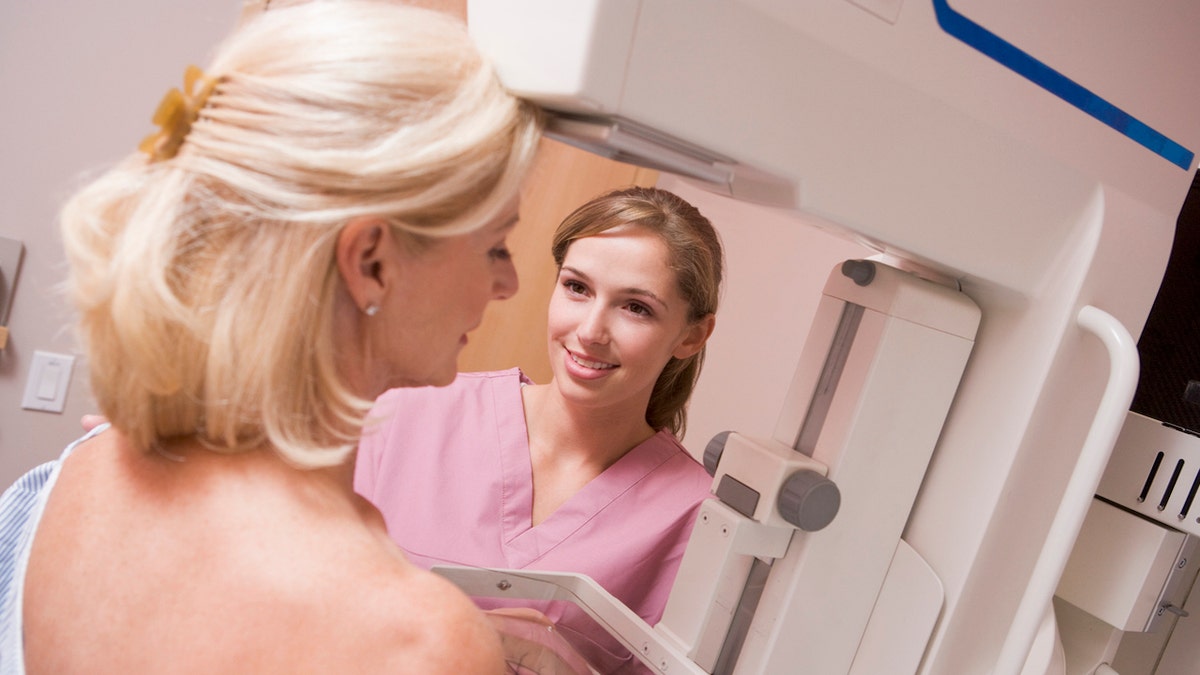
The previous guidance stated women should begin biennial mammograms at age 50, but could opt to begin as young as 40. (iStock)
Cancer rates for people under 50 are projected to rise by 31% by the year 2030, data shows.
Breast cancer is the second leading cause of cancer death in women, according to the American Cancer Society, with rates rising 2% each year since 2015.
One in eight women will develop breast cancer in their lifetime, and each woman has a one in 40 chance of dying from the disease.
The earlier screening recommendation could save 19% more lives, the USPSTS stated.

Breast cancer is the second leading cause of cancer death in women, according to the American Cancer Society. (iStock)
Dr. Michelle Specht, a breast surgeon and co-director of the Avon Comprehensive Breast Evaluation Center at Mass General Cancer Center, said she is “thrilled” that the USPSTF has finalized its recommendations for earlier screenings.
“We have seen a rise in the incidence of breast cancer in women in their 40s over the last eight years and know that starting mammography at 40 will allow us to detect cancers at a smaller size and earlier stage,” she told Fox News Digital.
“Early detection not only leads to improved survival, but an improved quality of life. As a surgeon, I am able to do smaller surgeries — and my medical oncology colleagues can deescalate treatment — when cancers are detected early.”
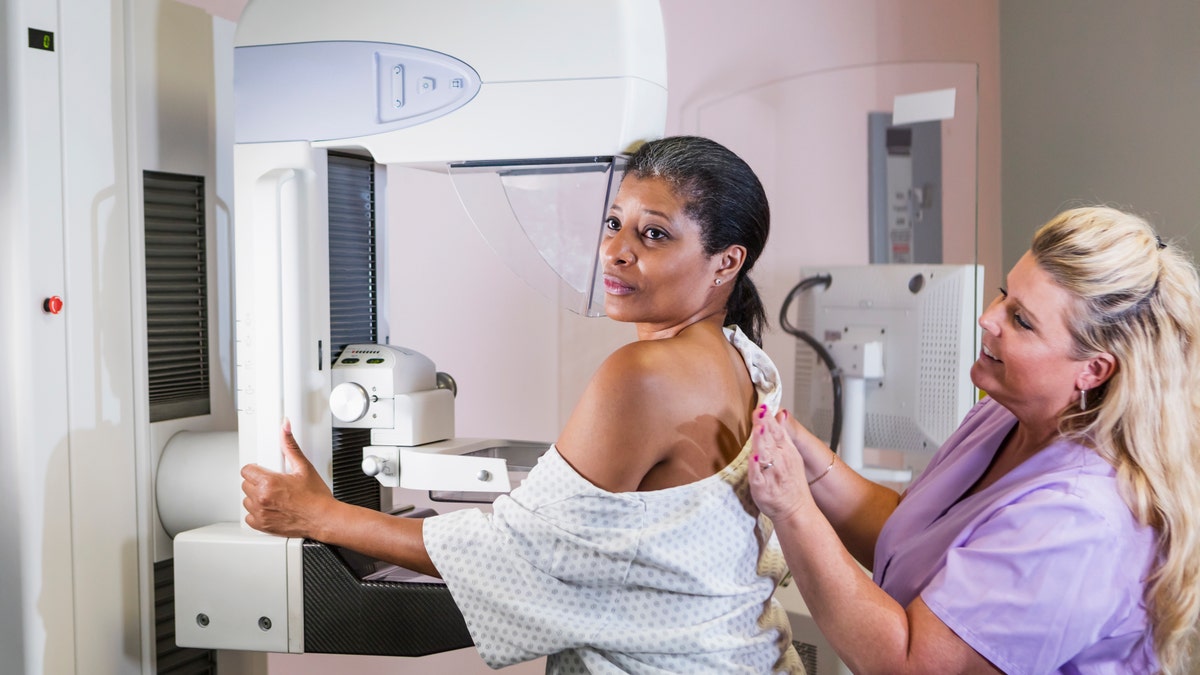
One in eight women will develop breast cancer in their lifetime, and each woman has a one in 40 chance of dying from the disease. (iStock)
Dr. Karen Knudsen, CEO of the American Cancer Society in Virginia, said in a statement the decision is a “critical change concerning women’s health and the fight against breast cancer,” and that it sends “a strong message to referring physicians and women that breast cancer screening should begin earlier than age 50.”
“Mammography screening is the cornerstone of our strategy to find this potentially deadly disease early, when it’s easier to treat successfully,” she said in the statement.
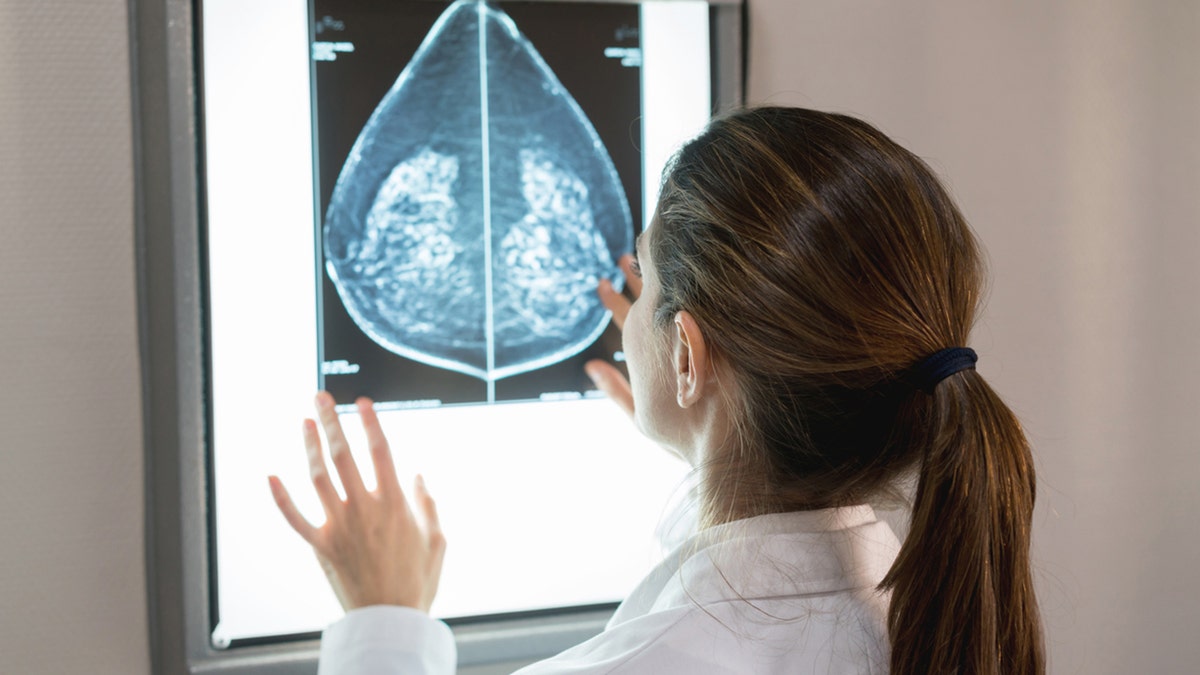
“Mammography screening is the cornerstone of our strategy to find this potentially deadly disease early, when it’s easier to treat successfully,” said the CEO of the American Cancer Society. (iStock)
“We are encouraged that among the reasons for the USPSTF changes in their breast cancer screening recommendations include eliminating health disparities, especially among Black women, who are 40% more likely to die of breast cancer compared with White women and have a higher risk of aggressive breast cancers at all ages,” Knudsen added.
CLICK HERE TO SIGN UP FOR OUR HEALTH NEWSLETTER
Dr. Nancy Chan, a medical oncologist at NYU Langone Perlmutter Cancer Center, shared her reaction to the updated guidelines.
“No significant difference was found in different screening methods, i.e., DBT (digital breast tomosynthesis) versus digital mammogram,” she told Fox News Digital.
“In patients with dense breast tissue, the addition of MRI may reduce cancer risk and false positive recalls.”

If a woman has a family history of breast cancer, she should meet with her doctor to have a breast cancer risk analysis performed, a doctor said. (iStock)
In clinical practice, Chan said the majority of patients undergo annual screenings with mammograms, instead of once every two years.
“Practically, in the urban setting, most patients are already and will continue to have screening with mammogram with tomosynthesis (3D mammography),” she added.
“Each patient must consider the best screening method for their individual cancer risk, such as breast density and family history.”
CLICK HERE TO GET THE FOX NEWS APP
If a woman has a family history of breast cancer, she should meet with her doctor to have a breast cancer risk analysis performed, Specht said.
“This risk analysis will allow their physician to tailor breast cancer screening,” she noted.
“A woman at high risk of developing breast cancer may begin prior to 40 and may do both mammograms every year, [along with] supplemental screening, such as a breast MRI.”
For more Health articles, visit www.foxnews.com/health.