20.5 C
New York
Monday, April 13, 2026
Home Blog Page 63

Norovirus outbreak hits AIDAdiva cruise ship, sickening nearly 100 passengers

0
Norovirus outbreak hits AIDAdiva cruise ship, sickening nearly 100 passengers

NEWYou can now listen to Fox News articles!

The U.S. Centers for Disease Control and Prevention (CDC) has confirmed another norovirus outbreak aboard a cruise ship.

Aida Cruises’ AIDAdiva cruise ship was hit with a norovirus outbreak that sickened nearly 100 passengers during its Nov. 10–Dec. 16 voyage.

The cruise notified the CDC of the outbreak on Nov. 30, according to the agency’s report.

CDC REPORTS 19TH CRUISE SHIP NOROVIRUS OUTBREAK THIS YEAR, AFFECTING PASSENGERS AND CREW

The vessel departed from Hamburg, Germany and was heading to England, the U.S., Mexico, and Costa Rica, according to CruiseMapper.

Ninety-five passengers and six crew reported diarrhea and vomiting, the CDC’s data shows.

Aida Cruises’ AIDAdiva was hit by a norovirus outbreak during its almost month-long voyage, leaving nearly 100 passengers sick. (Krisztian Bocsi/Bloomberg)

Over 2,000 passengers, plus 640 crew members, were on board.

In response to the outbreak, Aida Cruises said it increased cleaning and disinfection efforts across the ship. It also isolated sick passengers and crew, and collected stool samples for testing.

NOROVIRUS SICKENS OVER 200 CRUISE SHIP PASSENGERS ON MONTH-LONG VOYAGE

“Seasonal illness peaks between November and April, and the AIDAdiva report reflects infection patterns on land,” an AIDA spokesperson told USA TODAY

“Therefore, we’ve added more hygiene protocols onboard, and cases are already going down.”

A large cruise ship, decorated with a painted mouth and eye, moves across the ocean.

Ninety-five passengers and six crew members reported symptoms, according to CDC data. (iStock)

The cruise line also consulted with CDC Vessel Sanitation Program officials about sanitation procedures and case reporting.

CLICK HERE TO SIGN UP FOR OUR LIFESTYLE NEWSLETTER

Scott Weisenberg, M.D., medical director of the NYU Langone Infectious Disease Associates and the NYU Travel Medicine Program, previously told Fox News Digital that the virus is highly contagious — and that it can spread quickly in crowded settings such as cruise ships.

TEST YOURSELF WITH OUR LATEST LIFESTYLE QUIZ

“If people have acute vomiting, they should avoid public areas, since even if they don’t touch anything, the virus can spread through the air,” he said.

Large AIDA cruise ship departing a harbor as people watch and take photos from the waterfront promenade.

As a result of the outbreak, enhanced sanitation measures were implemented on board, along with isolating those who became ill. (Krisztian Bocsi/Bloomberg)

Weisenberg also noted that proper hygiene plays a key role in preventing transmission. Shared surfaces can easily become contaminated, putting anyone who touches them at risk of infection.

He added that washing hands with soap and water offers better protection than using alcohol-based sanitizers.

CLICK HERE FOR MORE LIFESTYLE STORIES

This latest incident adds to a growing number of norovirus outbreaks reported on cruise ships this year.

There have now been a total of 21 outbreaks, according to the CDC.

CLICK HERE TO GET THE FOX NEWS APP

Fox News Digital reached out to Aida Cruises for comment.

Criminals test stolen data by opening deposit accounts in your name

0


couple looks at bills

NEWYou can now listen to Fox News articles!

Identity theft now hits people in sneaky ways. Criminals no longer stop at credit cards or loans. They test stolen personal data by applying for deposit accounts under your name, which confuses many victims and leaves them unsure how to respond. Brian in Clinton, Pennsylvania recently experienced this twice in the same week. Here is the email he sent us:

“I was recently notified by two different banking institutions that someone completed an online application to open a deposit account in my name. Both banks denied the applications and sent me notifications. One bank sent an email and the other sent a letter. Neither bank will share any information with me about what information was submitted or why the applications were denied. I understand why fraudsters try to open credit accounts, but why would they try to open deposit accounts? One bank told me they could not share any information with me about the failed application due to privacy policy and the other bank said they do not save any information from declined applications from non-customers. 

Why would banking institutions not capture or share information about declined online applications? As far as I know, the credit bureaus do not collect information about deposit accounts and Early Warning Services only has information from banks that voluntarily report to them. So, how do I respond or react to someone trying to open deposit accounts in my name? I have put a one year fraud alert on with the credit bureaus but I don’t believe that will help me if someone tries to open a deposit account. Any help or advice would be greatly appreciated. Thanks.”  Brian, Clinton, PA

You are right to take this seriously. Deposit account fraud is rising fast as criminals build synthetic identities and test stolen data. When thieves apply for a checking or savings account in your name, they are gathering information about which stolen identities work and which fail. That gives them room to launch more damaging attacks later.

LANDLINE IDENTITY THEFT LEADS TO MAJOR BANK FRAUD

Sign up for my FREE CyberGuy Report
Get my best tech tips, urgent security alerts and exclusive deals delivered straight to your inbox. Plus, you’ll get instant access to my Ultimate Scam Survival Guide – free when you join my CYBERGUY.COM newsletter.

Why criminals open deposit accounts

Criminals use deposit accounts for several strategic reasons that help them test stolen data and prepare bigger attacks.

Testing stolen data

Fraudsters often begin with deposit accounts because the approval process can be less tied to credit checks. They want to see if your data passes early verification steps.

Moving stolen money

A new deposit account helps criminals launder funds or receive payments linked to scams, unemployment fraud or tax refund theft.

Setting up future attacks

Once they confirm your identity can be used, they may open credit lines or build a synthetic profile that blends your real data with fake details.

Why banks won’t share details

Banks follow strict privacy rules under federal law. Those rules limit the information they can share about any application, even when it misuses your identity. Many banks:

  • Purge declined applications fast to reduce their exposure to unnecessary data
  • Use external verification services that store the data outside the bank
  • Require subpoenas before releasing IP addresses to law enforcement

Even though an IP address can help identify a fraudster, banks will not share it without a legal request tied to an active investigation.

How to protect yourself from deposit account fraud

Take these actions now to lock down your identity and reduce the chances that a criminal can misuse your information again.

 1) Consider identity monitoring

Deposit account fraud often falls outside normal credit monitoring. A service that looks at bank accounts and dark web activity adds extra protection. Identity Theft companies can monitor personal information like your Social Security Number (SSN), phone number, and email address, and alert you if it is being sold on the dark web or being used to open an account. They can also assist you in freezing your bank and credit card accounts to prevent further unauthorized use by criminals.

See my tips and best picks on how to protect yourself from identity theft at Cyberguy.com.

2) File an FTC Identity Theft Report

Go to IdentityTheft.gov and complete the report. It creates a formal record you can use if you need to file a local police report later.

3) Add stronger alerts or freezes

Brian, you already placed a one-year fraud alert, but you can upgrade to a seven-year alert. You can also freeze your credit at Equifax, Experian and TransUnion to stop new credit lines from opening.

4) Use a data removal service

A data removal service scrubs your personal details from people search sites that criminals often use to build synthetic identities. This reduces how much of your information can be exploited in future attacks.

While no service can guarantee the complete removal of your data from the internet, a data removal service is really a smart choice. They aren’t cheap, and neither is your privacy. These services do all the work for you by actively monitoring and systematically erasing your personal information from hundreds of websites. It’s what gives me peace of mind and has proven to be the most effective way to erase your personal data from the internet. By limiting the information available, you reduce the risk of scammers cross-referencing data from breaches with information they might find on the dark web, making it harder for them to target you.

Check out my top picks for data removal services and get a free scan to find out if your personal information is already out on the web by visiting Cyberguy.com.

Get a free scan to find out if your personal information is already out on the web: Cyberguy.com.

5) Check ChexSystems and Early Warning Services

These companies track deposit account activity. Request your reports at chexsystems.com and earlywarning.com. Look for unauthorized entries and add a security alert or freeze to both.

6) Notify the banks

Even if they cannot share details, ask them to document the attempt on your record. This helps flag future fraud attempts.

7) Watch your mail

Look for debit cards, 1099 forms or bank statements you did not request. Those often reveal when criminals succeed somewhere else.

Next steps

Print every letter or email from the banks. Complete the FTC report and use it if you need to file a police report. Review your ChexSystems and Early Warning reports and add freezes where possible so your identity becomes less useful to criminals.

Kurt’s key takeaways

Deposit account fraud feels confusing because it works outside traditional credit systems. Yet the goal is simple. Criminals want to see which stolen identities pass early checks so they can launch larger attacks later. A few fast steps can shut that door and give you control again.

What other questions do you want us to tackle about identity theft and online banking safety? Let us know by writing to us at Cyberguy.com.

Sign up for my FREE CyberGuy Report
Get my best tech tips, urgent security alerts and exclusive deals delivered straight to your inbox. Plus, you’ll get instant access to my Ultimate Scam Survival Guide – free when you join my CYBERGUY.COM newsletter.

Copyright 2025 CyberGuy.com. All rights reserved.



Source link

Study links early smartphone use to depression, obesity in kids under 12

0


NEWYou can now listen to Fox News articles!

Parents everywhere wrestle with one big question. What is the right age to let a child have a smartphone?

Tweens ask for one long before many adults feel ready. At the same time, researchers keep sounding alarms about how early access may shape health and behavior. Now, a large new study gives parents even more to think about.

Published in Pediatrics, the research tracked more than 10,500 children in the national Adolescent Brain Cognitive Development Study. It found strong links between early smartphone ownership and higher odds of depression, obesity and insufficient sleep by age 12. The earlier kids got a phone, the greater their risk.

Sign up for my FREE CyberGuy Report
Get my best tech tips, urgent security alerts and exclusive deals delivered straight to your inbox. Plus, you’ll get instant access to my Ultimate Scam Survival Guide – free when you join my CYBERGUY.COM newsletter.

What the study reveals about early smartphone ownership

The study compared 12-year-olds who owned smartphones with those who did not. Kids with phones were more likely to show signs of depression, carry extra weight and sleep less than their peers without devices. Researchers noted that these patterns held even after accounting for income, neighborhood, parental monitoring and other factors.

TEENS TURNING TO AI FOR LOVE AND COMFORT

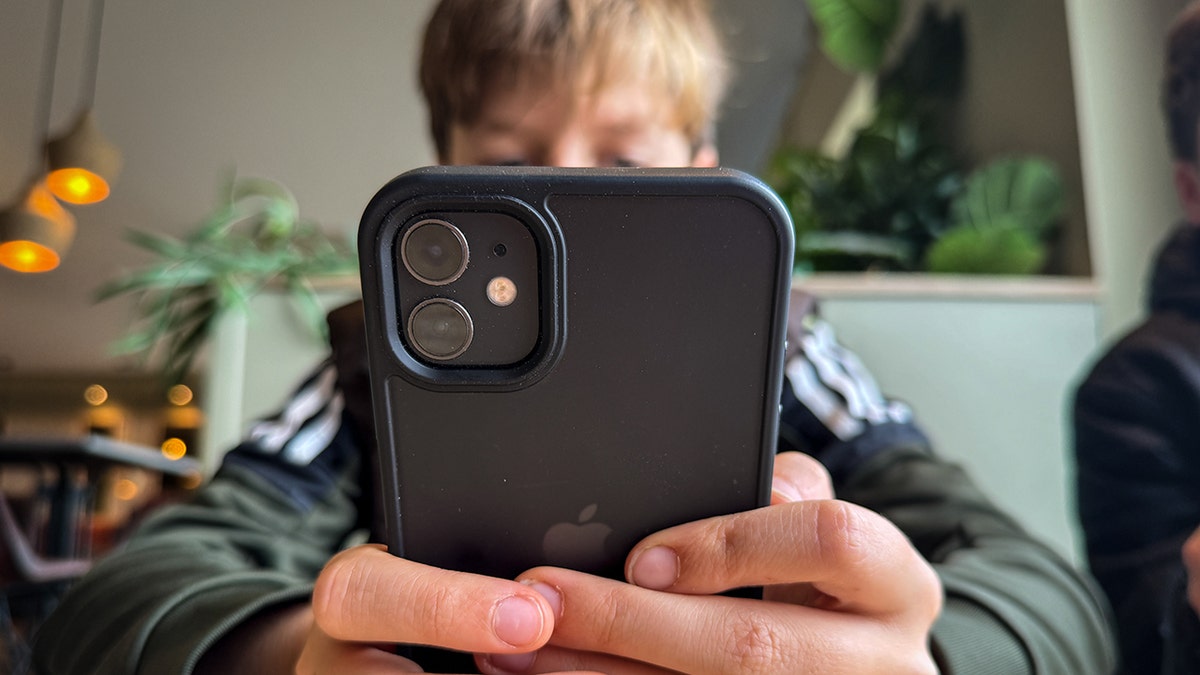
A boy holds a smartphone horizontally.

Parents can lower these risks by delaying devices, setting limits and keeping phones out of bedrooms at night. (Kurt “CyberGuy” Knutsson)

They also looked at children who still did not own a phone at age 12. One year later, those who had finally received one showed more mental health concerns and worse sleep than those who still did not have a device. These shifts happened quickly, which raised concerns about how powerful the change can be.

Lead author Dr Ran Barzilay explained that parents should treat the decision like a real health milestone. A device changes how kids sleep, move and socialize. That combination may create more strain for a 12-year-old than for a 16-year-old who has more maturity and self-regulation.

Why age matters more than many parents expect

The research shows an association, not a direct cause. Yet the patterns match earlier findings. Kids with smartphones often stay up later, scroll more and move less. That mix can disrupt physical health and emotional well-being. Adolescence is a sensitive stage when small shifts in sleep or mood can have long-lasting effects.

Experts also pointed out how nearly every teen now has smartphone access. That makes the decision even harder for families who want to delay. Still, researchers say the data is strong enough to guide parents toward waiting when possible. Parents do not need perfect evidence to choose a slower timeline.

Pediatric mental health experts warn that a smartphone is not a simple tool. It opens the entire internet with no natural limits. Families need clear rules and protections and those steps require real work from adults. Many parents feel pressure to hand over a device early, yet the expert urged families to trust their instincts when deciding the timing.

The sleep connection families cannot ignore

Most experts agree that phones disrupt sleep. A large share of preteens keep devices in their bedrooms, which leads to late-night scrolling and overnight notifications. Even the glow of the screen can make it harder to fall asleep.

Researchers who study adolescent sleep and screen habits have found that many 11 to 12-year-olds keep devices within reach at night, and a notable share report being awakened by notifications. Experts in this field urge parents to move phones out of bedrooms overnight because better sleep can reduce some of the risks tied to early smartphone access.

EVEN THE FUTURE KING DISCOVERS SMARTPHONES ARE A ROYAL PAIN FOR KIDS AND PARENTS

Boy looks at an iPhone

Researchers found that kids who got phones sooner showed more mental health strain within a year. (Matt Cardy/Getty Images)

The challenge is consistency. Many parents struggle to set rules when screens support school work, friendships and safety. Yet researchers stress that even one boundary, like no phones in bedrooms, can protect sleep and reduce stress.

How parents can use this information right now

No one wants to shame parents who already gave their kids a phone. Many families made the decision for safety or communication needs. The study does not claim that every early smartphone user will face health issues. It simply highlights patterns worth considering before making the call. Parents can use these insights to create a healthier plan.

1) Delay smartphones until children show readiness

Readiness is more than age. Look for consistent responsibility with chores, schoolwork and device-free rules on other screens.

2) Set clear family rules for screen time

Kids follow rules when they understand why they exist. Set limits that work for your household and adjust them as schedules and needs change.

3) Keep devices out of bedrooms at night

Nighttime use and notifications interrupt sleep. A “charging station” in the kitchen or living room solves this fast.

4) Talk often about online safety and emotional well-being

Short regular check-ins work better than one long conversation. Keep the tone open and supportive.

5) Use parental controls and app limits

Cell phones give parents straightforward tools to manage what kids can see and when they can use their devices.

TEENS FACE NEW PG-13 LIMITS ON INSTAGRAM

How to set healthy limits on an iPhone 

Set downtime

  • Open Settings
  • Tap Screen Time
  • Select Downtime
  • Toggle on Scheduled 
  • Scroll down and set a schedule where only essential apps are allowed

Use app limits

  • Go to Settings
  • Tap Screen Time
  • Select App Limits
  • Tap Add limit to set daily time limits for social apps, videos and games
  • Click Next and set the Time and Customize Days
  • Click the Check Mark in the upper right-hand corner

Restrict adult content

  • Open Settings
  • Tap Screen Time
  • Select Content & Privacy Restrictions
  • Turn on Content & Privacy Restrictions
  • Tap App Store, Media, Web & Games
  • Select Web Content
  • Select Limit Adult Websites

How to set healthy limits on Android 

Set digital wellbeing limits

Settings may vary depending on your Android phone’s manufacturer

  • Open Settings
  • Tap Digital Wellbeing & parental controls
  • Select Dashboard
  • Choose an app
  • Tap App Timer and set a daily limit

Enable Google Family Link

Settings may vary depending on your Android phone’s manufacturer

  • Open the Family Link app on the parent device
  • Add your child’s Google account
  • Set app approvals
  • Restrict content through Filters on Google Play
  • Enable location and activity reports

Turn on SafeSearch (blocks explicit results in Google Search)

Settings may vary depending on your Android phone’s manufacturer

  • Open the Google app or go to google.com
  • Tap your profile photo
  • Select Settings
  • Tap SafeSearch
  • Turn on Filter explicit results

Strengthen browser protection in Chrome

Settings may vary depending on your Android phone’s manufacturer

  • Open Chrome
  • Tap the three dots
  • Select Settings
  • Tap Privacy and security
  • Select Safe Browsing
  • Choose Enhanced protection
  • Click the Left arrow to exit.

Experts who study youth mental health stress that the point is not fear. It is preparation. Thoughtful rules, controlled access and earlier boundaries can reduce risks associated with early smartphone ownership. Small changes make a big difference when kids are still developing the habits that shape their health.

Pro tip: Add device protection

Kids download apps, click links and explore online spaces that can expose them to harmful content or scams. Strong antivirus software adds an extra layer of protection by blocking risky sites and unsafe downloads. It helps keep their device safer while you work on healthy screen habits.

The best way to safeguard your kids’ devices from malicious links that install malware, potentially accessing their private information, is to have strong antivirus software installed on all their devices. This protection can also alert them to phishing emails and ransomware scams, keeping their personal information and digital assets safe.

Get my picks for the best 2025 antivirus protection winners for your kids’ Windows, Mac, Android and iOS devices at Cyberguy.com.

Take my quiz: How safe is your online security?

Think your devices and data are truly protected? Take this quick quiz to see where your digital habits stand. From passwords to Wi-Fi settings, you’ll get a personalized breakdown of what you’re doing right and what needs improvement. Take my Quiz here: Cyberguy.com.

Kurt’s key takeaways

Smartphones bring connection, opportunity and convenience. They also introduce stress distraction and real health challenges for younger users. Research keeps showing that age matters. A 12-year-old may not be built for the same digital world that a 16-year-old can handle with more confidence and self-control. Families do not need guilt. They need facts and support so they can choose what fits their values. As more data arrives, the message grows clearer. Slowing down may give kids the best chance to thrive online and off.

At what age do you think is right for a first smartphone? Let us know by writing to us at Cyberguy.com.

Sign up for my FREE CyberGuy Report
Get my best tech tips, urgent security alerts and exclusive deals delivered straight to your inbox. Plus, you’ll get instant access to my Ultimate Scam Survival Guide – free when you join my CYBERGUY.COM newsletter.

Copyright 2025 CyberGuy.com. All rights reserved.  


Source link

Treasure hunter finds Jesus figurine, nearly 1,000 years old, in windswept Norway field

0
Treasure hunter finds Jesus figurine, nearly 1,000 years old, in windswept Norway field

NEWYou can now listen to Fox News articles!

A metal detectorist in Norway recently found a striking depiction of Jesus Christ in a grassy meadow — a gilded figure that dates back nearly 1,000 years.

Kim Erik Dybvik, the hobbyist who found the artifact, uncovered it on Nov. 1 in a field in Åndalsnes, a coastal town about 260 miles northwest of Oslo.

The figurine, which dates to around 1100 A.D., was found on All Saints’ Day, the Christian holy day that honors all martyrs and saints.

ARCHAEOLOGIST UNCOVERS ‘COMPELLING EVIDENCE’ OF TRUE LOCATION WHERE JESUS TURNED WATER INTO WINE

Photos of the discovery show the weathered figurine depicting Jesus on the cross, still bearing remnants of gilding and fine detail on its torso.

Dybvik told Fox News Digital he became interested in metal detecting as a child while living on a remote islet in Norway, where his father worked as a lighthouse keeper. 

A metal detectorist in Norway recently found this striking depiction of Jesus Christ in a grassy meadow — a gilded figure that dates back nearly 1,000 years. (Kim Erik Dybvik)

“The fact that the island had volcanic origins sparked my curiosity about what rare rocks might lie underground — and whether it could be possible to find gold there,” he recalled. 

Though he wanted to become an archaeologist as a child, Dybvik ultimately pursued a career in healthcare, he said — but still lives out that childhood dream in his free time, searching for treasure across Norway.

Dybvik said he partnered up with a fellow metal detectorist named Warren Schmidt, an American expat, to travel across Norway searching for treasure. On Nov. 1, the two found numerous other artifacts before uncovering the figurine.

ARCHAEOLOGISTS REVEAL STRANGE INSCRIPTIONS IN ROOM OF THE LAST SUPPER IN JERUSALEM

“It was extremely windy — so windy that at times we struggled to stay on our feet,” Dybvik recalled.

“But we persevered. … We found 78 buttons, some coins, buckles, a medieval weight and a lot of the usual finds.”

“I had so many thoughts and emotions rushing through me.”

The star discovery emerged after sunset, when the two were ready to pack up and head home.

“Warren was almost at the car, and I was a bit behind, when I suddenly got a strong signal from my detector,” Dybvik said. “A strong signal usually indicates a large object and is often not a good sign — it can easily be trash.”

CLICK HERE TO SIGN UP FOR OUR LIFESTYLE NEWSLETTER

“I bent down, and right beneath the surface, he revealed himself to me — I looked Jesus straight in the eyes.”

At the time, Dybvik said he was “completely stunned.”

Kim at site where figurine was found, close-up of figurine

Metal detectorist Kim Erik Dybvik uncovered the medieval figure on Nov. 1, during a windy day of searching near Åndalsnes. (Kim Erik Dybvik)

“A hundred thoughts rushed through my head,” he said. “I quickly dismissed the idea that it could be modern — I recognized the medieval style and remains of gilding.”

He added, “I carefully set it down and ran to Warren, saying, ‘I want to share this moment with you — I may have just made my best find ever.’ Warren was also completely blown away.”

CLICK HERE FOR MORE LIFESTYLE STORIES

The situation, Dybvik said, was “magical and poetic” — and he said he experienced a glimpse of divinity.

“The wind was blowing, and in the background, a few hundred meters away, you could see a hill where an old church once stood,” he said. 

Car on field in dark, excavator at scene

The artifact was reported immediately to Norwegian authorities, as required for objects dated before 1537. (Kim Erik Dybvik)

“I had so many thoughts and emotions rushing through me.”

The detectorist promptly called experts and reported the find. In Norway, Dybvik said, all objects from before 1537 must be reported to authorities.

TEST YOURSELF WITH OUR LATEST LIFESTYLE QUIZ

The artifact was examined by field archaeologist Aaron Johnston. It is now being conserved under the supervision of county archaeologist Kristoffer Dahle, Dybvik noted.

The detectorist had found Viking-era artifacts in the past, including old silver coins, but he said a figurine of Jesus “was unheard of” in the area.

Split image of Kim holding coin, close-up of coin

Dybvik unearthed Viking relics before, including the silver coin shown above, but he said the Jesus figurine was unlike anything he’d ever seen. (Kim Erik Dybvik)

“I don’t think anything like it has ever been found in Norway before in this way,” he said.

As for the future of the figurine, Dybvik said he hopes it will eventually be put on display for others to see.

CLICK HERE TO GET THE FOX NEWS APP

“That’s why I am passionate about this — to help ensure that pieces of our cultural heritage can contribute to a clearer picture of who we are and where we come from,” he said.

Clyburn agrees with Michelle Obama that America is not ready for woman president

0
Clyburn agrees with Michelle Obama that America is not ready for woman president

NEWYou can now listen to Fox News articles!

Rep. James Clyburn, D-S.C., said on Sunday that former first lady Michelle Obama was “absolutely correct” in claiming that America was not ready for a woman president.

“If you look at the history, we demonstrated that we were not ready,” Clyburn said on NBC’s “Meet the Press.” “These are incredible women who have run: Hillary Clinton, Kamala Harris, and I think that we are getting there. That’s why we can’t afford to turn the clock back. We’ve taken one, two and three steps forward and let’s not take two, three and four steps backwards which is what we are doing in these elections.”

Obama’s comments came last month while promoting her new book, “The Look,” where she cited former Vice President Kamala Harris’ 2024 presidential election loss to President Donald Trump as proof the country wasn’t “ready.”

BILL MAHER SWIPES MICHELLE OBAMA’S ‘BAD ATTITUDE’ FOR SAYING AMERICA ISN’T READY FOR A WOMAN PRESIDENT

Rep. James Clyburn, D-S.C., agreed with former first lady Michelle Obama on “Meet the Press.” (Tom Williams/CQ-Roll Call, Inc via Getty Images)

“As we saw in this past election, sadly, we ain’t ready,” she said. “That’s why I’m like, don’t even look at me about running, because you all are lying. You’re not ready for a woman. You are not.”

The former first lady went on to say that she did not believe men in America are comfortable with a woman leading them.

MICHELLE OBAMA SAYS SHE’LL ‘NEVER EVER’ CHANGE HER MIND ABOUT NOT RUNNING FOR OFFICE

“You know, we’ve got a lot of growing up to do, and there’s still, sadly, a lot of men who do not feel like they can be led by a woman, and we saw it,” Obama continued.

Michelle Obama speaks

Michelle Obama had previously said America wasn’t ready for a female president. (Michelle Obama YouTube channel)

Despite agreeing with Obama, Clyburn said that people shouldn’t stop the “pursuit” for a female president.

‘THE VIEW’ HOST REJECTS MICHELLE OBAMA’S CLAIM THAT COUNTRY NOT READY FOR FEMALE PRESIDENT

“My dad used to tell me all the time, ‘Son, the darkest part of the night is that moment just before dawn,’” Clyburn said. “And so we may be in a dark moment as it relates to women serving as president, but we may be in that moment just before dawn, where the woman will serve. And in order for that to happen, they have got to run. So I want women to run. I want to support them. I’m the father of three fantastic women. I want them to keep their pursuit and not give up on this country.”

Former First Lady Michelle Obama speaks on stage at the Democratic National Convention in Chicago.

Former first lady Michelle Obama speaks during the second day of the Democratic National Convention at the United Center in Chicago, Illinois, on August 20, 2024. (Chip Somodevilla/Getty Images)

CLICK HERE TO DOWNLOAD THE FOX NEWS APP

Fox News Digital reached out to Obama’s office for comment.

Fox News’ Landon Mion contributed to this report.

Ivy League schools face wave of data breaches including Harvard hit

0


NEWYou can now listen to Fox News articles!

Elite universities like Harvard, Princeton and Columbia spend fortunes on research, talent and digital infrastructure. Even then, they’ve become easy targets for attackers who see massive databases filled with personal information and donation records as a goldmine. Over the past few months, breaches across Ivy League campuses have exposed the same problem. These institutions handle huge amounts of sensitive data, but their internal defenses often don’t match the scale of what they store. That pattern brings us to Harvard’s newest incident, which exposed a database of alumni, donors, some students and faculty to hackers.

Sign up for my FREE CyberGuy Report

Get my best tech tips, urgent security alerts, and exclusive deals delivered straight to your inbox. Plus, you’ll get instant access to my Ultimate Scam Survival Guide — free when you join my CYBERGUY.COM newsletter.

CHECK IF YOUR PASSWORDS WERE STOLEN IN HUGE LEAK

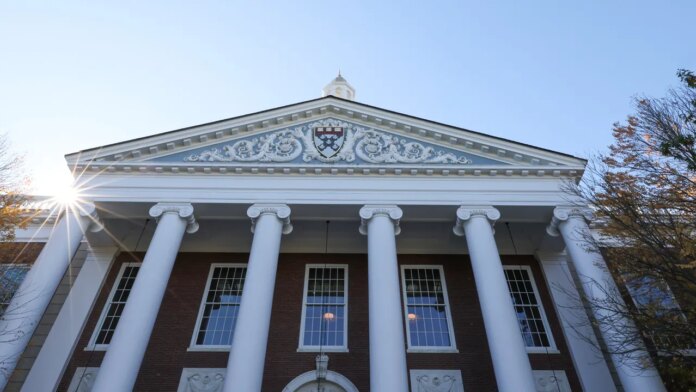
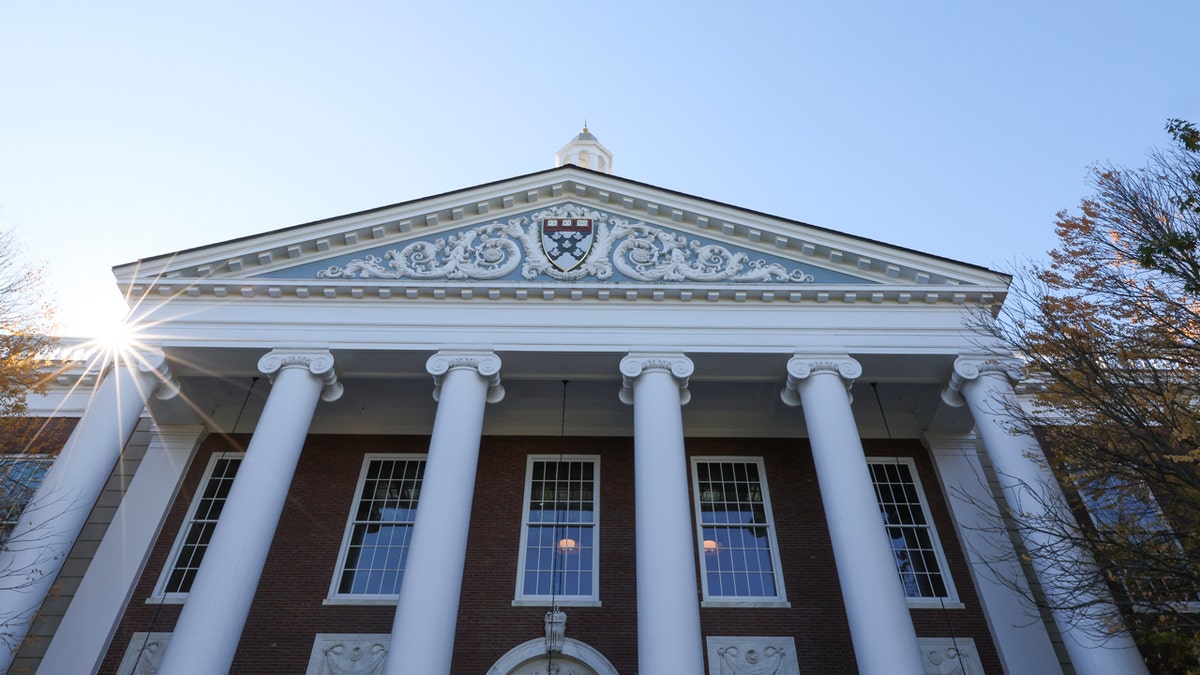
Harvard University building

Elite universities hold massive troves of personal and financial data that make them irresistible targets for attackers. (Photo by Aaron M. Sprecher/Getty Images)

A phone phishing attack unlocks Harvard’s data

Harvard confirmed that a database tied to alumni, donors, faculty and some students was accessed by an unauthorized party. This happened after a phone phishing attack tricked someone into giving the attacker a way into the system.

“On Tuesday, November 18, 2025, Harvard University discovered that information systems used by Alumni Affairs and Development were accessed by an unauthorized party as a result of a phone-based phishing attack,” the university said in a notification posted on its website. “The University acted immediately to remove the attacker’s access to our systems and prevent further unauthorized access.”

The exposed data includes personal contact details, donation histories and other records tied to the university’s fundraising and alumni operations. For Harvard, a school that routinely raises more than a billion dollars a year, this database is one of its most valuable assets, which makes the breach even more serious.

This is also the second time Harvard has had to investigate a breach in recent months. In October, it looked into reports that its data was caught up in a broader hacking campaign targeting Oracle customers. That earlier warning already showed that the school sits in a high-risk category. This latest breach only confirms it.

SCAMMERS NOW IMPERSONATE COWORKERS, STEAL EMAIL THREADS IN CONVINCING PHISHING ATTACKS

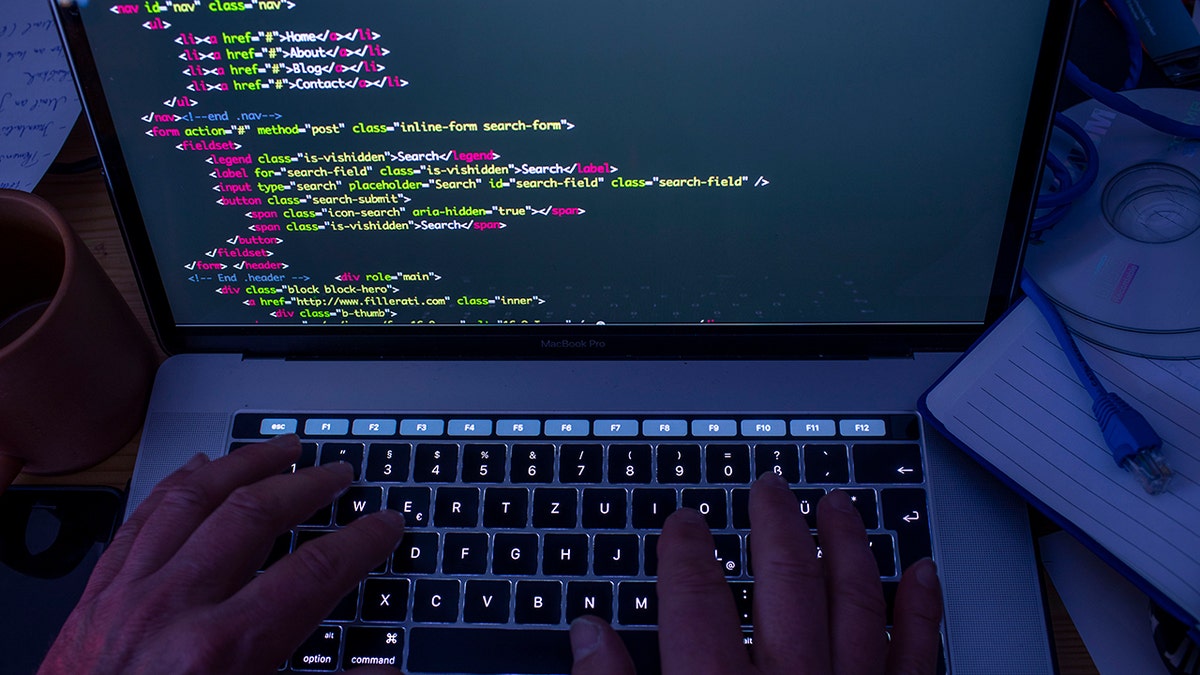
Someone typing code on a computer.

Harvard’s latest breach began with a phone phishing scam that let an intruder access a key alumni and donor database. (Jens Büttner/picture alliance via Getty Images)

Ivy League schools are in a growing crisis

Harvard isn’t alone here. Ivy League campuses have seen a wave of incidents that line up almost back-to-back. Princeton reported on November 15 that one of its databases tied to alumni, donors, students and community members was compromised.

The University of Pennsylvania said on October 31 that information systems connected to its development and alumni activities were accessed without permission. Columbia has been dealing with an even larger fallout. A breach in June exposed the personal data of roughly 870,000 people, including students and applicants.

These attacks show how universities have become predictable targets. They store identities, addresses, financial records and donor information. They also run sprawling IT systems where a single mistake, a weak password or a convincing phone call can create an entry point.

Hackers know this, and they strike repeatedly. The recent cluster of Ivy League breaches suggests that attackers are mapping these environments, looking for shared weaknesses that appear again and again.

NEW EMAIL SCAM USES HIDDEN CHARACTERS TO SLIP PAST FILTERS

Chinese hackers target US telecoms: What you need to know to protect your data

A wave of incidents across Ivy League campuses shows hackers are exploiting the same weaknesses again and again. (Kurt “CyberGuy” Knutsson)

7 steps you can take to protect yourself from such data breaches

You can’t stop a university or company from being breached, but you can make sure that your own information is harder to exploit. These steps help you reduce the fallout when your data ends up in the wrong hands.

1) Turn on two-factor authentication (2FA)

Using 2FA gives your accounts an extra layer of security. Even if someone steals your password in a breach, they still need the one-time code from your phone or authentication app. It blocks most casual attempts and forces attackers to work much harder.

2) Use a password manager

A password manager creates and stores strong, unique passwords for every site you use. This keeps one compromised password from unlocking everything else. It also removes the stress of remembering dozens of logins, so you don’t cut corners.

Next, see if your email has been exposed in past breaches. Our #1 password manager pick includes a built-in breach scanner that checks whether your email address or passwords have appeared in known leaks. If you discover a match, immediately change any reused passwords and secure those accounts with new, unique credentials.

Check out the best expert-reviewed password managers of 2025 at Cyberguy.com

3) Reduce the personal info floating around

You can request takedowns from data broker sites, delete old accounts and trim what you share publicly. When your information isn’t scattered across the internet, attackers have a much harder time piecing together your identity.

While no service can guarantee the complete removal of your data from the internet, a data removal service is really a smart choice. They aren’t cheap, and neither is your privacy. These services do all the work for you by actively monitoring and systematically erasing your personal information from hundreds of websites. It’s what gives me peace of mind and has proven to be the most effective way to erase your personal data from the internet. By limiting the information available, you reduce the risk of scammers cross-referencing data from breaches with information they might find on the dark web, making it harder for them to target you.

Check out my top picks for data removal services and get a free scan to find out if your personal information is already out on the web by visiting Cyberguy.com

Get a free scan to find out if your personal information is already out on the web: Cyberguy.com

4) Be cautious with emails, texts and calls

Phishing doesn’t always come as obvious scam mail. Attackers spoof institutions, copy their tone, and pressure you into sharing details quickly. Slow down, verify the message through an official website or helpline, then decide.

The best way to safeguard yourself from malicious links is to have strong antivirus software installed on all your devices. This protection can also alert you to phishing emails and ransomware scams, keeping your personal information and digital assets safe.

Get my picks for the best 2025 antivirus protection winners for your Windows, Mac, Android & iOS devices at Cyberguy.com

5) Keep your devices fully updated

Many attackers rely on old flaws in operating systems, browsers and apps. Regular updates patch these holes and shut down the most common attack paths. If you’re someone who delays updates, turning on automatic updates helps.

6) Separate your online identities

Use alias email addresses for banking, education, shopping and newsletters. If one of them gets exposed, it won’t automatically give attackers a map of your entire digital life. It makes targeted scams much harder to pull off, and also stops attackers from stealing your identity. By creating email aliases, you can protect your information and reduce spam. These aliases forward messages to your primary address, making it easier to manage incoming communications and avoid data breaches.

For recommendations on private and secure email providers that offer alias addresses, visit Cyberguy.com

7) Use an identity theft protection service

You might also want to consider an identity theft protection service to be on the safe side. Identity Theft companies can monitor personal information like your Social Security Number (SSN), phone number and email address, and alert you if it is being sold on the dark web or being used to open an account. They can also assist you in freezing your bank and credit card accounts to prevent further unauthorized use by criminals.

See my tips and best picks on how to protect yourself from identity theft at Cyberguy.com

Kurt’s key takeaway

Harvard’s latest breach adds to a growing list of cyberattacks that show how vulnerable top universities have become. Even the most well-funded institutions aren’t keeping pace with modern threats. When a simple phone phishing call can open the door to sensitive data tied to donors, alumni and students, it’s clear that these campuses need stronger defenses and more proactive monitoring. Until that happens, you can expect more headlines like this and more investigations after the damage is already done.

Do you trust universities to protect the personal data you’ve shared with them? Let us know by writing to us at Cyberguy.com

CLICK HERE TO DOWNLOAD THE FOX NEWS APP

Sign up for my FREE CyberGuy Report Get my best tech tips, urgent security alerts, and exclusive deals delivered straight to your inbox. Plus, you’ll get instant access to my Ultimate Scam Survival Guide — free when you join my CYBERGUY.COM newsletter. 

Copyright 2025 CyberGuy.com. All rights reserved.


Source link

AI is Changing Social Media

0
Announcement of partnership with AP NewsWire

Latest Blog from RPR Comando: “AI is Changing Social Media”. As businesses scramble to keep up with the ever-evolving landscape, understanding how AI can reshape their approach is crucial. Whether you’re looking to enhance engagement or streamline your campaigns, AI offers innovative solutions that can elevate your brand’s presence online. #BookMarketing #VideoShorts #PressReleaseMarketing #RPRComando  This article originally appeared on https://rprcomando.com/ai-is-changing-social-media/

Announcement of partnership with AP NewsWire
AI is Changing Social Media 28

Zero-carbon water vertiport aims to boost eVTOL aircraft industry growth

0


NEWYou can now listen to Fox News articles!

Air taxis keep gaining momentum, yet one challenge keeps resurfacing: many cities have few places for them to land. AutoFlight believes it has an answer. The company introduced a zero-carbon water vertiport that moves across rivers, lakes or coastal zones. This solar-powered platform works as a mobile hub for electric vertical take-off and landing (eVTOL) aircraft and aims to remove one of the biggest barriers to growth.

Sign up for my FREE CyberGuy Report

Get my best tech tips, urgent security alerts, and exclusive deals delivered straight to your inbox. Plus, you’ll get instant access to my Ultimate Scam Survival Guide — free when you join my CYBERGUY.COM newsletter.

THE WORLD’S FIRST FLYING CAR IS READY FOR TAKEOFF

A solar platform in water

AutoFlight’s solar-powered water vertiport shows how air taxis could finally gain flexible landing spots. (AutoFlight)

The landing bottleneck that held air taxis back

eVTOL air taxis promise quick trips that jump over traffic and turn long drives into short flights. That idea first appeared in the 1940s and 50s when helicopter passenger services launched in the US and Britain. Those early attempts faded because they could land in only a handful of places. Rooftops and scattered piers created new congestion points. Without enough landing pads, the entire system stalled.

AutoFlight’s new floating vertiport flips the model. Instead of forcing cities to build fixed sites that take years to complete, the vertiport travels to the aircraft.

PENNSYLVANIA BILL SEEKS TO LEGALIZE FLYING CARS

A helicopter on a solar pad

The mobile platform supports fast charging and takeoffs for several eVTOL aircraft in real-world conditions. (AutoFlight)

Inside the zero-carbon water vertiport

The vertiport sits on a self-propelled barge with a deck lined with solar panels. It uses clean energy to charge eVTOLs without relying on grid power. A small cabin serves as a departure lounge and technical room. Operators can reposition the platform wherever demand rises, which gives cities far more flexibility.

It works with several AutoFlight aircraft. That includes the six-seat Prosperity passenger craft and the White Shark and CarryAll vehicles used for cargo and industrial tasks. All can land, recharge, and take off from the same floating hub.

Because the platform runs on solar power and needs no major construction, it can be deployed much faster than any land-based site.

First public demo on the water

AutoFlight showed the full system on November 22 at Dianshan Lake near Shanghai. A 2-ton-class eVTOL took off from the floating vertiport during a public test. The company also flew three aircraft in formation and completed live airdrop missions with supplies and life rafts. The event highlighted how the system supports emergency work and low-altitude logistics.

THE WORLD’S FIRST FLYING CAR IS READY FOR TAKEOFF

A helicopter on a solar pad

The system highlights how floating hubs may expand air mobility across commuting, emergency work and tourism.  (AutoFlight)

Five sectors this system could reshape

This new platform supports a wide range of real-world uses that reach far beyond simple city travel.

Marine energy maintenance

Offshore wind sites and oil rigs often wait hours for parts or personnel. AutoFlight says the system could improve transport efficiency more than tenfold.

Emergency response

Teams can pair wide-area searches with fast aerial response. This cuts reaction time by over half and boosts survival odds.

High-frequency commuting

Cities along rivers and bays could build quick air routes without touching roads.

Marine-aerial tourism

Tour operators could add a “flight plus water” experience to premium trips.

Mobile vertiport clusters

Multiple floating hubs can link into a network during peak travel or disaster relief missions.

How AutoFlight pushes clean air mobility

Sustainable aviation keeps gaining importance. AutoFlight partnered with CATL to integrate high-safety batteries into both its aircraft and vertiports. The system uses clean energy and low-impact infrastructure. It taps underused water surfaces and avoids major construction. Cities can deploy these pads quickly, which helps air mobility grow sooner.

What this means for you

Air taxis may feel far off, yet this solution tackles a real problem. Landing and charging sites remain the missing link. Floating vertiports open the door to fast routes between airports and city centers. They also set the stage for quick regional hops that cut travel times and reduce stress. Tourism operators may even use them to launch new water-to-air experiences.

Take my quiz: How safe is your online security?

Think your devices and data are truly protected? Take this quick quiz to see where your digital habits stand. From passwords to Wi-Fi settings, you’ll get a personalized breakdown of what you’re doing right and what needs improvement. Take my Quiz here: Cyberguy.com

Kurt’s key takeaways

Air taxis cannot expand without more places to land. AutoFlight’s solar water platform offers a practical option that uses clean energy and fast deployment. If cities embrace this model, air mobility could shift from concept to daily use faster than expected.

CLICK HERE TO DOWNLOAD THE FOX NEWS APP

Would you feel comfortable boarding an air taxi from a floating platform? Let us know by writing to us at Cyberguy.com

Sign up for my FREE CyberGuy ReportGet my best tech tips, urgent security alerts, and exclusive deals delivered straight to your inbox. Plus, you’ll get instant access to my Ultimate Scam Survival Guide — free when you join my CYBERGUY.COM newsletter.


Source link

Venezuela military looks strong on paper but experts say it’s hollowed out

0
Venezuela military looks strong on paper but experts say it’s hollowed out

NEWYou can now listen to Fox News articles!

As tensions rise between Washington and the Maduro regime, experts told Fox News Digital that Venezuela’s military may look formidable on paper but is hollowed out by years of corruption, decay and political control. While they say Venezuela cannot stop a determined U.S. strike, any broader operation would be far more complicated than the White House suggests.

Isaias Medina, an international lawyer and former Venezuelan diplomat who denounced his own government at the International Criminal Court, described Venezuela as a criminalized state dominated by narcotrafficking networks.

“Venezuela today resembles a fortress built on sand wrapped around a criminal regime,” he said, adding that any hypothetical U.S. action would be “evicting a terrorist cartel that settled next door and not invading a country.”

Medina warned that Venezuela’s dense civilian population — also victimized by the regime — demands extreme caution. “The only acceptable approach is overwhelming bias toward restraint and longer operational timelines, forgoing targets that cannot be struck cleanly.”

TRUMP PUSHES PEACE IN EUROPE, PRESSURE IN THE AMERICAS — INSIDE THE TWO-FRONT GAMBLE

Soldiers of the Venezuelan army march with military vehicles during a parade as part of the Independence Day celebrations at Fuerte Tiuna in Caracas, Venezuela on July 5, 2023. (Pedro Rances Mattey/Anadolu Agency via Getty Images)

He said the military’s capabilities look better on paper than reality, with equipment rusting from lack of maintenance and thousands of politically appointed generals disconnected from an estimated 100,000 lower-ranking troops who may abandon their posts under pressure.

Rear Adm. (Ret.) Mark Montgomery, senior director at the Foundation for Defense of Democracies’ Center on Cyber and Technology Innovation, told Fox News Digital that Venezuela’s most relevant threat lies in its air-naval systems — and even those could be quickly eliminated.

“You have to break this up,” he said. “There’s an air-naval part, which is most likely what could impact our strike operations,” including fighter jets, limited naval vessels and Russian-made surface-to-air missiles.

MADURO BRANDISHES SWORD AT RALLY AS HE RAILS AGAINST ‘IMPERIALIST AGGRESSION’ AMID RISING TENSIONS WITH US

Venezuelan troops during parade.

Soldiers with their faces painted march during a military parade to celebrate the 205th anniversary of Venezuela’s independence in Caracas, Venezuela July 5, 2016. (Carlos Jasso/Reuters)

But Montgomery said the U.S. could quickly neutralize them. “Reasonably speaking, in the first day or two of a campaign plan, we can eliminate the air and maritime threat to U.S. forces,” he said.

Any U.S. plan targeting cocaine production would begin with “simultaneous strikes on the airfields, the aircraft and the air defense weapon systems to ensure that they don’t respond to any U.S. attacks on other assets.”

Asked whether Venezuela could retaliate after such strikes, Montgomery replied: “Not against an air campaign. No.”

TRUMP’S STRIKE ON CARTEL VESSEL OFF VENEZUELA SENDS WARNING TO MADURO: ‘NO SANCTUARY’

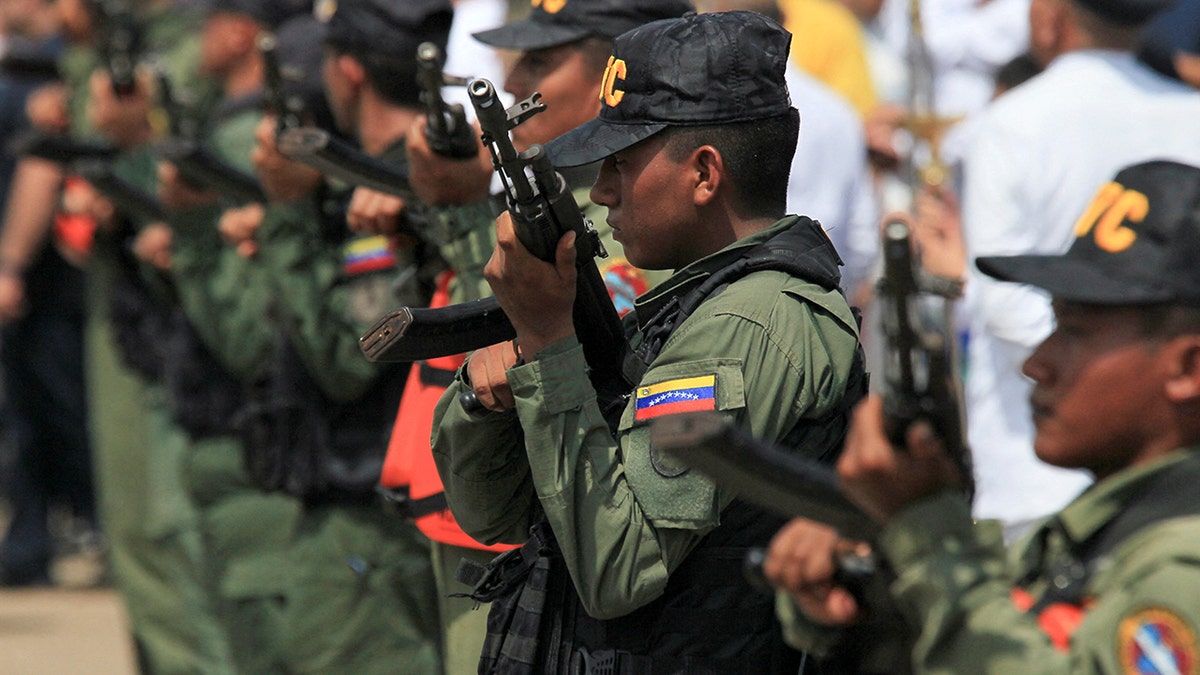
Members of Venezuela's Bolivarian National Guard hold weapons

Members of Venezuela’s Bolivarian National Guard stand in formation as they carry out an increased security patrol along Lake Maracaibo amid rising tensions between Venezuela and U.S., in Maracaibo, Venezuela, on Oct. 26, 2025.  (Isaac Urrutia/Reuters)

Montgomery stressed that while air defenses can be eliminated quickly, a ground operation would be a far different story. “They have a small professional military… 65 to 70,000 people, many of whom probably don’t want — they didn’t join the army to fight,” he said. The country also maintains a massive militia, whose motivation would depend on loyalty to Maduro.

But geography and scale make a land operation a nightmare scenario. “Venezuela is probably twice the geographic size of California, 35 to 40 million citizens,” Montgomery said. “This would be a terrifically challenging ground campaign, especially if it turned into a counterinsurgency.”

He added bluntly: “Today, I would not do this. I do not recommend it.”

TRUMP GAVE MADURO ULTIMATUM TO FLEE VENEZUELA AS LAND OPERATIONS LOOM: REPORT

Venezuelan air force

A squad of Venezuelan Air Force K8W aircraft overflies during the 2025 Venezuela industrial aviation expo at the Libertador Air Base in Maracay, Aragua State, Venezuela, on Nov. 29, 2025. (Pedro Rances Mattey/Anadolu Agency via Getty Images)

WASHINGTON’S SHADOW WAR: HOW STRIKES ON CARTELS THREATEN TO COLLAPSE MADURO’S REGIME

Montgomery does support an air campaign which he believes will be more efficient than the current naval tactics. He cited his experience commanding U.S. Navy counter-drug operations: “Every one of these 21 ships could have been pulled over by a mix of Navy and Coast Guard assets and helicopters.” But intelligence often proved unreliable.

Despite years of decay, Venezuela still possesses a large, uneven mix of military hardware. Analysts say it cannot stop a U.S. campaign but could complicate early phases.

Venezuela holds military drills

Soldiers take part in a drill led by the Bolivarian National Armed Forces to train citizens in weapons handling, after Venezuelan President Nicolas Maduro deployed the military across communities nationwide as part of a national outreach initiative aimed at training both enlisted citizens and residents amid rising tensions with the United States, in Yagua, Venezuela, Sept. 20, 2025. (Juan Carlos Hernandez/Reuters)

Its inventory reportedly includes 92 T-72B tanks, 123 BMP-3 infantry vehicles, Russian Msta-S artillery, Smerch and Grad rocket systems, and an estimated 6–10 flyable Su-30MK2 jets. Air defenses include the S-300VM, Buk-M2E and Pechora-2M.

CLICK HERE TO DOWNLOAD THE FOX NEWS APP

Venezuela’s deepening ties with Iran, Russia and China continue to worry U.S. officials.

Jorge Jraissati, president of the Economic Inclusion Group, said “numbers show only 20% of Venezuelans approve of this regime,” warning that for more than a decade “there has been no respect for the will of the population” as Caracas aligns with “anti-Western regimes that destabilize the region.”

Major Russian attack injures 8 in Ukraine amid US diplomatic talks

0
Major Russian attack injures 8 in Ukraine amid US diplomatic talks

NEWYou can now listen to Fox News articles!

Russia launched a major attack against Ukraine overnight as talks between Ukraine and the U.S. continued in Florida this week.

Moscow sent 653 drones and 51 missiles across Ukraine, leaving eight people injured, Ukrainian officials said.

French President Emmanuel Macron condemned the attacks, writing on X, “We must continue to put pressure on Russia to force it towards peace.”

Macron said he plans to meet with Ukrainian President Volodymyr Zelenskyy and their British and German counterparts in London Monday.

EX-CIA STATION CHIEF WARNS PUTIN USING TALKS TO GAIN LEVERAGE AS UKRAINE DELEGATION MEETS TOP TRUMP OFFICIALS

Ukrainian Fire Point Flamingo missiles are inspected in the Ukraine Thursday.  (AP Photo/Efrem Lukatsky)

Zelenskyy said Saturday he had a “substantive phone call” with American officials involved in the talks with the Ukrainian delegation in Miami.

U.S. special envoy Steve Witkoff on Friday shared a readout of the talks, which also included President Donald Trump’s son-in-law, Jared Kushner.

The readout called the talks “constructive discussions on advancing a credible pathway toward a durable and just peace in Ukraine.”

“American and Ukrainian parties underscored that an end to the war and credible steps toward ceasefire and de-escalation are necessary to prevent renewed aggression and to enable Ukraine’s comprehensive redevelopment plan, designed to make the nation stronger and more prosperous than before the war,” it said.

Kyiv Christmas tree

People gather in Kyiv Saturday during a blackout caused by Russia’s ongoing strikes on Ukraine’s energy infrastructure.  (Maxym Marusenko/NurPhoto via Getty Images)

PUTIN REJECTS KEY PARTS OF US PEACE PLAN AS KREMLIN OFFICIAL WARNS EUROPE FACES NEW WAR RISK: REPORT

After Russia’s Friday night barrage, Ukraine’s air force said 29 locations were hit, and the military was able to shoot down 585 drones and 30 missiles.

Three of the eight wounded were hurt in the Kyiv region, local officials reported.

The “massive” attack also targeted power stations in the country, and the Zaporizhzhia nuclear power plant temporarily lost power overnight, according to the International Atomic Energy Agency.

the Zaporizhzhia nuclear power plant

The Zaporizhzhia Nuclear Power Plant in 2022.  (Carl Court/Getty Images)

Zaporizhzhia is under Russian control and not in use, but it needs power to cool its shutdown reactors to prevent a catastrophic incident.

CLICK HERE TO DOWNLOAD THE FOX NEWS APP

Zelenskyy said a drone strike had also “burned down” the train station in the city of Fastiv near Kyiv.

The general staff of the Ukrainian Armed Forces later said Ukrainian forces said its military hit Russia’s Ryazan Oil Refinery.