10.3 C
New York
Sunday, March 8, 2026
Home Blog Page 67

Town in Italy considers hitting tourists with $2 daily dog tax as critics push back

0

NEWYou can now listen to Fox News articles!

An Italian town is taking tourist taxes to the next level by looking closely at creatures with four legs — and not everyone’s happy about the move. 

The Province of Bolzano is looking to implement a “fido” tax. Dogs visiting the area will be taxed about $2 (1.50 euros) per day while residents pay over $100 a year, The Independent and other outlets reported. 

The tax would cover the costs of cleaning up dog poop and other related public-space maintenance.

FOREIGN TRAVELERS SOON TO PAY ‘VISA INTEGRITY FEE’ TO VISIT THE U.S. COSTING $250

The initiative stems from a previous policy that implemented a mandatory DNA dog tracking system.

Residents who participated in the DNA policy will receive a two-year exemption from the new tax, according to Newsroom Italia.

Italy’s Bolzano province proposes taxing tourist dogs about $2 per day to cover cleanup costs, but some are pushing back.  (Richard Baker / In Pictures via Getty Images)

The president of the International Animal Protection Organization Italy, Massimo Camparotto, said in a statement that the dog-tax decision is “disproportionate.”

“Urban decorum can and must be guaranteed through effective controls by the competent authorities and with the application of sanctions against those who do not respect the rules,” the statement said, “not with new taxes that end up penalizing and discriminating against responsible citizens and their animals.”

CLICK HERE TO SIGN UP FOR OUR LIFESTYLE NEWSLETTER

Camparotto added, “Taxing dogs means treating them like a luxury good, rather than as actual family members.”

The draft still needs approval by the regional provincial council.

Passenger traveling with their pet dog. Pet carrier is stowed under the seat.

“Taxing dogs means treating them like a luxury good, rather than as actual family members,” said an animal group protection leader.  (iStock)

Other animal rights groups have also criticized the plan, with some calling it “pure madness,” as reported by Wanted in Milan. 

The bill would pay for the creation of new dog parks and fund the cleaning of streets where dog owners fail to clean up after their pets, the same source reported. 

CLICK HERE FOR MORE LIFESTYLE STORIES

Some in the province have described the cleaning of pavements, parks and public spaces in the region as a “serious problem,” said the same source, and called the new tax a “fair” measure, as it would only “affect dog owners instead of charging the entire community.”

The proposed tax is just the latest move in some areas to curb an overflow of visitors and tourists. 

The proposed tax would cover the costs of cleaning up dog poop and related public-space maintenance.

The proposed tax would cover the costs of cleaning up dog poop and related public-space maintenance. (iStock)

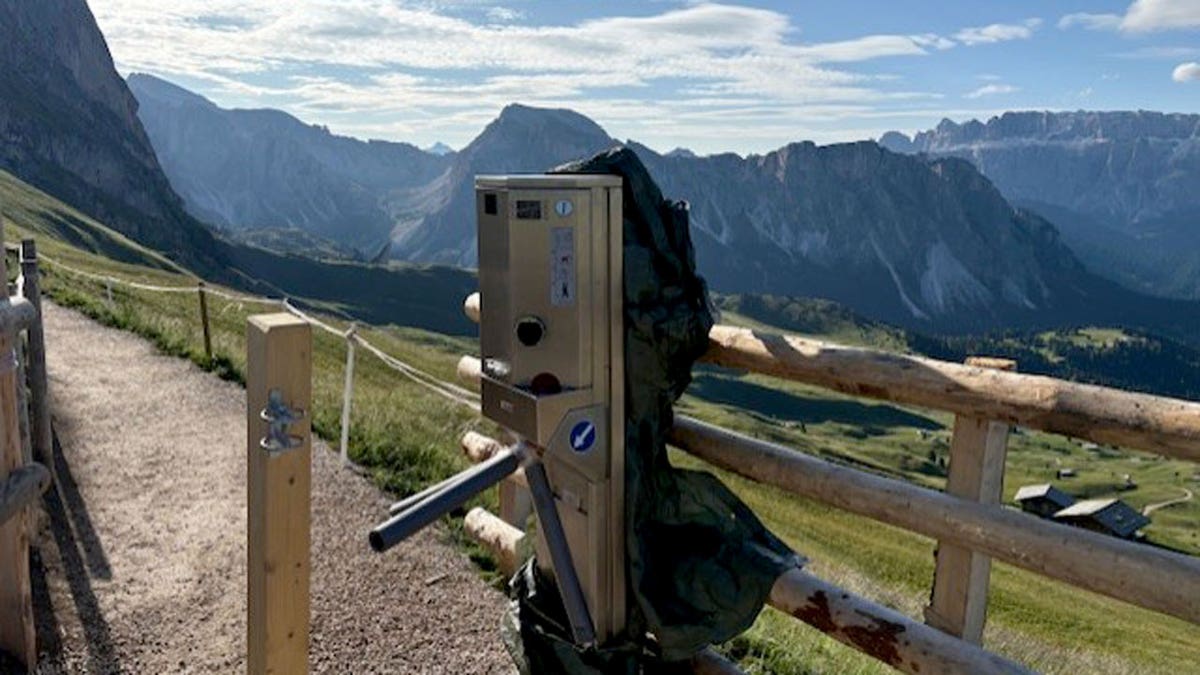
Locals have installed their own turnstiles across the Dolomites region as influencers continue to flock to the mountain range in northeastern Italy.

Carlo Zanella, president of the Alto Adige Alpine Club, previously told Fox News Digital the turnstiles are “working.”

CLICK HERE TO GET THE FOX NEWS APP

“The turnstiles were installed at the beginning of July by a farmer who owns the land where the path passes,” said Zenella.

Located in Val Gardena on the Seceda, the turnstiles charge visitors about $5 for access.

DOLOMITES ITALY FARMER TURNSTILES OVERTOURISM

Italian farmers have installed turnstiles charging $5 in the Dolomites mountain range to control tourist overcrowding. (Carlo Zanella)

Zenella said it’s about visitors “who go to the meadows to pass or have a picnic and ruin the grass that the farmer has to cut to make hay.”

TEST YOURSELF WITH OUR LATEST LIFESTYLE QUIZ

He said he believes the best way to reduce the flow of tourists is to highlight that “there are other even more beautiful places to visit.”

5 essential tech terms parents should know for kids’ digital safety

0


NEWYou can now listen to Fox News articles!

Kids today are growing up in a world where screens, apps, and social platforms are part of everyday life. From homework to gaming to group chats, their digital lives can move faster than parents can keep up. But behind every app and device are settings and systems that can impact their privacy, safety, and focus.

Whether you’re trying to set healthy limits, track screen time, or just understand what your child’s phone can do, knowing a few key tech terms can make parenting in the digital age a lot less stressful. Here’s a quick guide to help you stay informed, confident, and in control.

Sign up for my FREE CyberGuy Report
Get my best tech tips, urgent security alerts, and exclusive deals delivered straight to your inbox. Plus, you’ll get instant access to my Ultimate Scam Survival Guide – free when you join my CYBERGUY.COM newsletter 

Child using a device on a couch.

Setting healthy screen time limits helps kids learn balance and keeps tech use from taking over family time. (Kurt “CyberGuy” Knutsson)

1) Screen time limits

The boundary that helps restore balance

Screen time limits let you manage how long your child spends on apps, games, or devices each day. It’s not about punishment, it’s about setting healthy boundaries that help kids disconnect and recharge.

Why it matters: Too much screen time has been linked to reduced focus, sleep disruption, and overstimulation. Setting limits helps your child create a better balance between online fun and real-world rest.

How to set screen time limits

On iPhone:

  • Go to Settings
  • Tap Screen Time
  • Click App Limits
  • Select Add Limit, choose categories or specific apps, and set daily time limit

On Android:

Settings may vary depending on your Android phone’s manufacturer

  • Go to Settings
  • Tap Digital Wellbeing & Parental Controls. If you don’t see it right away, try searching “Digital Wellbeing” in the Settings search bar
  • Open the Dashboard or App Timers section. On some phones (like Samsung), it may appear as “App Timers”. On others (like Google Pixel), tap Dashboard to view your app usage list
  • Tap the hourglass icon next to the app you want to limit
  • Set a daily time limit, then tap OK or Done
  • The timer resets every night at midnight

Pro tip: Make it a family routine. Review screen time reports together so kids feel involved in the process rather than restricted. 

TEENS HACK SCHOOL CELL PHONE BANS WITH CREATIVE WORKAROUNDS

2) Parental controls

Your built-in safety net

Parental controls are tools that let you manage what your child can see and do on their devices – from blocking explicit content to approving downloads and monitoring usage. Every major device, app, and streaming service has its own version.

Why it matters: Parental controls can help prevent exposure to inappropriate content, manage purchases, and set up age-appropriate experiences.

Woman using Iphone

Built-in parental controls make it easier to guide what kids can see and do on their devices.  (Kurt “CyberGuy” Knutsson)

How to turn parental controls on

On iPhone:

  • Go to Settings
  • Click Screen Time 
  • Tap Content & Privacy Restrictions
  • Turn it on so the toggle turns green.
  • Within Content & Privacy Restrictions you can go to sections like Allowed Apps, iTunes & App Store Purchases, etc, to set filters and restrict what apps the device can do.

On Android:

Settings may vary depending on your Android phone‘s manufacturer

  • Go to Settings
  • Tap Digital Wellbeing & Parental Controls
  • Select Parental Controls, then follow the steps to set up a supervised account through Google Family Link, which lets you manage screen time on a child’s device remotely

Pro tip: Most streaming apps, like YouTube, Netflix, and Disney+, also have parental settings, so make sure you adjust those separately.

3) Geolocation

The invisible map in your child’s pocket

5 SOCIAL MEDIA SAFETY TIPS TO PROTECT YOUR PRIVACY ONLINE

Geolocation allows apps and devices to track physical location in real time. It powers navigation and “Find My” features but can also share more than you intend if left unchecked.

Why it matters: While location sharing helps families stay connected, it can pose privacy and safety concerns if apps broadcast your child’s whereabouts.

How to manage location access

On iPhone:

  • Go to Settings
  • Click Privacy & Security
  • Then, click Location Services
  • Tap each app and change “Always” to “While Using the App” or “Never”

On Android:

Settings may vary depending on your Android phone’s manufacturer

  • Go to Settings
  • Tap Location (or “Location & security” or “Privacy → Location” depending on device)
  • Tap App location permissions (or “Permission manager → Location”)
  • Select an app from the list
  • Change the app permission from, “Allow all the time” to “Allow only while using the app” or “Don’t Allow”

Pro tip: For younger kids, use “Share My Location” within Family Sharing (iPhone) or Google Family Link (Android) instead of third-party tracking apps to ensure safer monitoring.

4) Private browsing

The mode that hides – but doesn’t erase

Private browsing, also called Incognito Mode, lets users browse the internet without saving history, cookies, or logins. While it may sound harmless, it can make it harder for parents to see what kids are accessing online.

Why it matters: Private browsing prevents history tracking on the device, but your internet provider, school, or router may still record activity. It’s a reminder that no browsing mode is completely private.

TEENS FACE NEW PG-13 LIMITS ON INSTAGRAM

How to disable private browsing

On iPhone (Safari):

  • Open Settings
  • Tap Screen Time
  • Tap Content & Privacy Restrictions
  • If prompted, enter or set a Screen Time passcode
  • Turn on Content & Privacy Restrictions (toggle to green)
  • Tap App Store, Media & Purchases (or similarly named) and optionally set limits
  • Click Web Content 
  • Choose one of the options such as, Limit Adult Websites (this will disable Private Browsing in Safari) or Only Approved Websites 

On Android (Chrome):

Settings may vary depending on your Android phone’s manufacturer

  • Open the Family Link app on your Android phone (or download it if it isn’t installed)
  • Select your child’s profile
  • Tap Controls
  • Click Google Chrome & Web
  • Choose Try to block explicit sites (or select “Only allow approved sites” for stricter filtering)
  • This setting automatically disables Incognito Mode in Chrome for your child’s supervised account
  • (Optional) You can also review SafeSearch and YouTube restrictions under the same section for extra protection
Worried young mother watching teen girl using smartphone.

Conversations about online safety matter more than rules alone because openness builds digital trust. (iStock)

SCHOOLS’ SAFETY TOOLS ARE SPYING ON KIDS — EVEN AT HOME

Pro tip: Talk to your child about why transparency matters. Turning off private browsing is most effective when paired with open, ongoing conversations about online safety.

5) Digital footprint

The trail your child leaves behind

Every post, comment, or photo shared online becomes part of your child’s digital footprint, a permanent record of their online presence. Even deleted posts can live on through screenshots, data archives, or algorithms.

Why it matters: Colleges, employers, and even peers can access public digital traces. Teaching kids to think before posting helps them build a positive and professional online reputation.

How to check what’s out there

  • Search your child’s name on Google and image results
  • Review old accounts or unused apps that may still contain personal info
  • Help them make their social media profiles private and share selectively

Pro tip: You can also set up Google Alerts for your child’s name to get notified whenever new content appears online, a simple, free way to stay aware of their digital footprint as it evolves. 

Also, you may want to consider using a data removal service to help clean up your child’s personal information that may appear on people-search sites or data-broker platforms. These tools scan the web for outdated profiles, cached pages, and databases containing sensitive details like addresses, phone numbers, and photos. They can automatically submit takedown requests and continue monitoring for new exposures over time.

While no service can guarantee the complete removal of your data from the internet, a data removal service is really a smart choice. They aren’t cheap, and neither is your privacy. These services do all the work for you by actively monitoring and systematically erasing your personal information from hundreds of websites. It’s what gives me peace of mind and has proven to be the most effective way to erase your personal data from the internet. By limiting the information available, you reduce the risk of scammers cross-referencing data from breaches with information they might find on the dark web, making it harder for them to target you.

Check out my top picks for data removal services and get a free scan to find out if your personal information is already out on the web by visiting Cyberguy.com

Get a free scan to find out if your personal information is already out on the web: Cyberguy.com

Take my quiz: How safe is your online security?

Think your devices and data are truly protected? Take this quick quiz to see where your digital habits stand. From passwords to Wi-Fi settings, you’ll get a personalized breakdown of what you’re doing right and what needs improvement. Take my Quiz here: Cyberguy.com

Kurt’s key takeaways

Parenting in the digital age doesn’t mean knowing every app or trend. It means understanding the fundamentals that shape your child’s online experience. From screen time limits to digital footprints, these five terms give you the language to set boundaries, foster trust, and keep your family safer online.

CLICK HERE TO DOWNLOAD THE FOX NEWS APP

Want more help building healthy digital habits at home? Let us know by writing to us at Cyberguy.com

Sign up for my FREE CyberGuy Report
Get my best tech tips, urgent security alerts, and exclusive deals delivered straight to your inbox. Plus, you’ll get instant access to my Ultimate Scam Survival Guide – free when you join my CYBERGUY.COM newsletter

Copyright 2025 CyberGuy.com.  All rights reserved.  


Source link

SessionReaper vulnerability hits Magento and Adobe Commerce stores

0


NEWYou can now listen to Fox News articles!

A security researcher found a serious weakness in the software that powers thousands of e-commerce sites. The platform, called Magento, and its paid version Adobe Commerce, has a bug that lets attackers break into active shopping sessions. Some attackers can even take control of the entire store.

The flaw is known as SessionReaper. It allows hackers to pretend they are real customers without needing a password. Once they are inside, they can steal data, make fake orders, or install tools that collect credit card details.

Sign up for my FREE CyberGuy Report
Get my best tech tips, urgent security alerts, and exclusive deals delivered straight to your inbox. Plus, you’ll get instant access to my Ultimate Scam Survival Guide – free when you join my CYBERGUY.COM newsletter 

Why is this attack so serious?

The problem starts in the part of the system that handles how a store communicates with other online services. Because the software does not properly check the information it receives, it sometimes trusts data that it should not. Hackers take advantage of this by sending fake session files that the store accepts as real.

Researchers at SecPod warn that successful attacks can lead to stolen customer data, fake purchases, and even full control of the store’s server.

Once the attack method was shared publicly, cybercriminals began using it right away. Security experts at Sansec reported that more than 250 online stores were compromised within a single day. This shows how quickly attacks can spread once a vulnerability becomes public.

Man with winter outerwear looks down at his phone

Hackers are exploiting a new flaw called SessionReaper to hijack active shopping sessions on thousands of e-commerce sites running Adobe Commerce and Magento. (Kurt Knutsson)

Why are many stores still unprotected?

Adobe released a security update on September 9 to fix the issue. Weeks later, about 62 percent of affected stores still have not installed it. Some store owners are afraid an update might break features on their site. Others simply do not know how serious the risk is.

Every unpatched store remains an open door for attackers who want to steal information or install malicious code.

MAJOR COMPANIES, INCLUDING GOOGLE AND DIOR, HIT BY MASSIVE SALESFORCE DATA BREACH

How can you stay safe when shopping online?

While store owners are responsible for fixing the problem, you can still take smart steps to protect yourself when shopping online. These actions can help you spot danger early and keep your personal information safe.

1) Look for warning signs

Always pay attention to how a website behaves. If a page looks odd, loads slowly, or shows error messages, it could mean something is wrong behind the scenes. Check for the small padlock symbol in the address bar that shows the site uses HTTPS encryption. If it is missing or the site redirects you to an unfamiliar page, stop and close the browser tab immediately. Trust your instincts if something feels off.

2) Be careful with email links and use a data removal service 

Cybercriminals often use fake promotional emails or ads that look like real store offers. Instead of clicking links in messages or banners, type the store’s web address directly into your browser to avoid phishing pages designed to steal your login details or card information. Since attacks like SessionReaper can expose your personal data to criminal marketplaces, consider using a reputable data removal service that continuously scans and deletes your private information, such as your address, phone number, and email, from data broker sites. This reduces your risk of identity theft if your information has been leaked through a compromised online store.

While no service can guarantee the complete removal of your data from the internet, a data removal service is really a smart choice. They aren’t cheap, and neither is your privacy. These services do all the work for you by actively monitoring and systematically erasing your personal information from hundreds of websites. It’s what gives me peace of mind and has proven to be the most effective way to erase your personal data from the internet. By limiting the information available, you reduce the risk of scammers cross-referencing data from breaches with information they might find on the dark web, making it harder for them to target you.

Check out my top picks for data removal services and get a free scan to find out if your personal information is already out on the web by visiting Cyberguy.com

Get a free scan to find out if your personal information is already out on the web: Cyberguy.com

A person types on a laptop computer in a home office setting, representing remote access points targeted in data breaches.

Cybersecurity teams at SecPod and Sansec tracked more than 250 stores breached within 24 hours of the exploit going public, showing how fast these attacks spread. (Kurt “CyberGuy” Knutsson)

3) Use strong antivirus software

Strong antivirus protection is your silent guard online. Choose reputable software that offers real-time protection, safe browsing alerts, and automatic updates. A strong antivirus program can detect malicious code that tries to run on your device, block unsafe sites, and alert you to potential threats. This adds another crucial layer of defense when visiting online stores that may not be fully secure.

The best way to safeguard yourself from malicious links that install malware, potentially accessing your private information, is to have strong antivirus software installed on all your devices. This protection can also alert you to phishing emails and ransomware scams, keeping your personal information and digital assets safe.

Get my picks for the best 2025 antivirus protection winners for your Windows, Mac, Android & iOS devices at Cyberguy.com 

4) Use safe payment options

Whenever possible, choose payment services that add an extra layer of protection between your bank account and the online store. Platforms like PayPal, Apple Pay, or Google Pay do not share your card number with the retailer. This reduces the chance of your information being stolen if the store is compromised. These payment gateways also offer dispute protection if a purchase turns out to be fraudulent.

5) Shop with trusted retailers

Stick to stores with a solid reputation. Well-known brands usually have better security and faster response times when issues arise. Before buying from a new website, check its reviews on trusted consumer sites. Look for signs of credibility such as clear contact information, a professional design, and verified payment options. A few minutes of research can save you from weeks of frustration.

TRANSUNION BECOMES LATEST VICTIM IN MAJOR WAVE OF SALESFORCE-LINKED CYBERATTACKS, 4.4M AMERICANS AFFECTED

6) Keep your devices updated

Updates may seem annoying, but they are one of the most effective ways to protect your data. Make sure your computer, smartphone, and web browser all have the latest security patches installed. Updates often fix the exact kinds of flaws hackers use to spread attacks like SessionReaper. Enable automatic updates if you can, so your devices stay protected without extra effort.

7) Use unique, strong passwords

If you create accounts on shopping sites, make sure each one has its own strong password. Avoid using the same password across multiple platforms. Consider using a password manager to generate and store long, random passwords. That way, if one account is compromised, your other logins stay safe.

Next, see if your email has been exposed in past breaches. Our #1 password manager (see Cyberguy.com) pick includes a built-in breach scanner that checks whether your email address or passwords have appeared in known leaks. If you discover a match, immediately change any reused passwords and secure those accounts with new, unique credentials. 

Check out the best expert-reviewed password managers of 2025 at Cyberguy.com

8) Turn on two-factor authentication

If a site or payment service offers two-factor authentication, enable it. This adds a second security step, such as a code sent to your phone or generated by an app. Even if hackers steal your password, they will not be able to access your account without that second verification.

Wallet with multiple debit/credit cards

Even weeks after Adobe issued a critical patch for the SessionReaper vulnerability, nearly two-thirds of affected online stores remain unprotected, leaving customer data and payment information at high risk of theft. (CyberGuy.com)

9) Avoid public Wi-Fi for purchases

FARMERS INSURANCE DATA BREACH EXPOSES 1.1M AMERICANS

Public Wi-Fi networks in places like cafés, airports, and hotels are often unsecured. Avoid entering payment information or logging in to accounts while connected to public networks. If you must make a purchase while away from home, use a mobile data connection or a reliable VPN to encrypt your activity. 

10) Monitor your bank and credit statements

Check your financial statements regularly for any unusual activity. Small, unauthorized charges can be early signs of fraud. Report any suspicious transactions to your bank or credit card company right away so they can freeze your account or issue a new card.

11) Report suspicious activity

If you notice anything strange during or after an online purchase, act quickly. Contact the store’s customer service to report what you saw. You should also inform your payment provider or credit card company so they can block unauthorized transactions. Reporting early can help stop further damage and alert other shoppers to potential risks.

Kurt’s key takeaways

The SessionReaper attack shows how fast online threats can appear and how long they can linger when updates are ignored. Even well-known stores can become unsafe overnight. For retailers, installing patches quickly is critical. For shoppers, staying alert and choosing secure payment methods are the best ways to stay protected.

CLICK HERE TO DOWNLOAD THE FOX NEWS APP

Would you still shop online if you knew hackers could be hiding behind a store’s checkout page? Let us know by writing to us at Cyberguy.com

Sign up for my FREE CyberGuy Report
Get my best tech tips, urgent security alerts, and exclusive deals delivered straight to your inbox. Plus, you’ll get instant access to my Ultimate Scam Survival Guide – free when you join my CYBERGUY.COM newsletter 

Copyright 2025 CyberGuy.com.  All rights reserved.  


Source link

Archaeologists find Roman hospital-turned-Christian sanctuary in Turkey excavation

0

NEWYou can now listen to Fox News articles!

An archaeological excavation in Turkey recently yielded a Roman hospital-turned-Christian sanctuary, offering new insight into centuries of ancient history.

Anadolu Agency (AA), a state-run outlet in Ankara, reported the discovery on Oct. 8. 

The ruins were found in the ancient city of Kaunos, in southwestern Turkey’s MuÄŸla Province. They were inside a monastery area within the city’s walls.

ANCIENT ROMAN APARTMENT BUILDING FOUND BENEATH PUBLIC SQUARE AMID SUBWAY CONSTRUCTION

The site has attracted tourists for years due to its rock-cut Lycian tombs, ancient mosaics and 5,000-seat theater, earning it a spot on the UNESCO World Heritage Tentative List.

Now, however, archaeologists are adding a 3rd-century Roman hospital to the site’s many offers. The building was used as a military garrison hospital during the Roman era.

Archaeologists uncovered a Roman-era hospital in Turkey’s ancient city of Kaunos that later became a Christian sanctuary. (Durmus Genc/Anadolu via Getty Images)

It was only recently uncovered, though archaeologists have been digging at the Late Antiquity complex since 2022.

Excavation leader Ufuk Çörtük also told AA that previous excavations yielded “instruments used particularly in the field of medicine.”

“This year, we noticed an increase in the number of such medical tools,” the professor said.

CLICK HERE TO SIGN UP FOR OUR LIFESTYLE NEWSLETTER

“Based on the materials recovered, we can say that the first phase of this complex — dating to the 2nd and 3rd centuries A.D. — functioned as a health center or hospital.”

Çörtük said the hospital also eventually served the public and not just soldiers. 

Man looking at ancient building in Kaunos

The site of Kaunos, famous for its Lycian tombs, now includes a Roman hospital-turned-church. (Durmus Genc/Anadolu via Getty Images)

During the Christianization period, the structure was turned into a church, which surprised excavators.

“There was a structure on the upper terrace of the complex — we fully uncovered it this year, and a beautifully preserved church emerged,” said Çörtük.

 CLICK HERE FOR MORE LIFESTYLE STORIES

Çörtük estimated the hospital was converted into a religious complex during the 6th century A.D.

“It’s intact in every respect,” the archaeologist said.

View of abandoned building structure in Kaunos

Turkish archaeologists revealed that the hospital served both the military and the public before becoming a sanctuary. (Durmus Genc/Anadolu via Getty Images)

“With this church, it’s now clear that the hospital of the 3rd century was converted into a religious center during the Christian era, dated to the 6th century A.D.”

TEST YOURSELF WITH OUR LATEST LIFESTYLE QUIZ

It was also used during the Turkish period, as excavators found a coin from Aydinid Principality, which ruled between the 13th and 14th centuries.

The find marks one of many major archaeological discoveries in Asia Minor in recent months.

Aerial of ancient building in Kaunos near body of water

The Kaunos discovery, pictured here, adds to a string of recent archaeological finds across Asia Minor, including Troy and Olympus. (Durmus Genc/Anadolu via Getty Images)

In Troy, officials recently unveiled a gold brooch and a rare jade stone in Troy, offering a glimpse into the city’s pre-Greek past.

CLICK HERE TO GET THE FOX NEWS APP

In Olympus this summer, archaeologists found a fifth-century Christian church with a message reading, “Only those on the righteous path may enter here.”

Hegseth: US, China to open ‘military-to-military’ coms after Trump-Xi meeting

0

NEWYou can now listen to Fox News articles!

The United States and China plan to establish military-to-military communications channels “to deconflict and deescalate” potential problems, Secretary of War Pete Hegseth said Saturday after talking with his Chinese counterpart.

In a post on X, Hegseth said he had a “positive meeting” with Admiral Dong Jun, China’s Minister of National Defense, in the wake of President Donald Trump’s meeting with Chinese President Xi Jinping.

During their talk, the two defense leaders agreed that the best path forward for the U.S. and China involves “peace, stability, and good relations.”

“Admiral Dong and I also agreed that we should set up military-to-military channels to deconflict and deescalate any problems that arise. We have more meetings on that coming soon. God bless both China and the USA!” Hegseth wrote, in part.

TRUMP TOUTS ‘12 OUT OF 10’ MEETING WITH XI, DOWNPLAYS REPORTS OF VENEZUELA STRIKES

Secretary of War Pete Hegseth says the U.S. and China will open “military-to-military” channels to prevent conflicts following positive meeting with Chinese counterpart Admiral Dong Jun. (Both: HASNOOR HUSSAIN/POOL/AFP via Getty Images)

Earlier Saturday, Hegseth attended a separate meeting in Malaysia with defense leaders from the Association of Southeast Asian Nations (ASEAN), where he urged them to push back against Beijing’s aggressive actions in the South China Sea.

“China’s sweeping territorial and maritime claims in the South China Sea fly in the face of their commitments to resolve disputes peacefully,” Hegseth said at the meeting, according to The Associated Press. 

“We seek peace. We do not seek conflict. But we must ensure that China is not seeking to dominate you or anybody else,” he added.

OPINION: TRUMP SCORES FOUR BIG WINS WITH XI, BUT HAS ONE BIG MISS

The South China Sea remains volatile with Beijing, the Philippines, Vietnam, Malaysia and Brunei all claiming overlapping territories. 

Chinese coast guard and Philippines fishing boats

A Chinese Coast Guard ship is seen closely shadowing the convoy of Filipino fishing boats and a Philippine Coast Guard ship, on May 16, 2024. (Martin San Diego for The Washington Post via Getty Images)

China’s maritime fleet has frequently clashed with the Philippines in the disputed waters, with Chinese officials recently describing the country as a “troublemaker” for staging naval and air drills with the U.S., Australia and New Zealand.

Hegseth defended the U.S. ally during the Saturday meeting by saying Beijing’s designation of the Scarborough Shoal – a territory seized from the Philippines in 2012 – as a “nature reserve” “yet another attempt to coerce new and expanded territorial and maritime claims at your expense.”

CLICK HERE TO DOWNLOAD THE FOX NEWS APP

The War Secretary then urged ASEAN to finalize the Code of Conduct with China and proposed creating a “shared maritime domain awareness” network and rapid-response systems to deter provocations – measures he said would ensure that any member facing “aggression and provocation is not alone.”

Philippines air patrol

Two Philippine Air Force FA-50 fighter jets fly with two U.S. Air Force B-1 bomber aircraft during a joint patrol and training over the South China Sea on Tuesday, Feb. 4, 2025. (Philippine Air Force via AP)

Hegseth also welcomed plans for an ASEAN-U.S. maritime exercise in December aimed at strengthening coordination and safeguarding freedom of navigation.

Reagan’s Boeing 707 Air Force One marks 20 years of being on permanent display

0

NEWYou can now listen to Fox News articles!

Before the gleaming 747s that now ferry U.S. presidents across oceans, there was a smaller, sleeker jet that carried the weight of the free world. 

The last Boeing 707 to serve as a primary Air Force One — the aircraft that once flew President Ronald Reagan, plus six other American presidents — now sits under a striking glass pavilion at the Ronald Reagan Presidential Library in Simi Valley, California.

“This was the last 707 that was used as a primary aircraft as Air Force One,” said David Trulio, president and CEO of the Ronald Reagan Presidential Foundation and Institute. “Subsequent to President Reagan, it was a 747.”

TOP TRAVEL DESTINATIONS GAINING BUZZ FOR 2026 TRIPS REVEALED IN NEW REPORT

Reagan flew the 707, tail number SAM 27000, more than any other president, and it remained in the presidential fleet until it was decommissioned in 2001, taking its last flight just three days before the Sept. 11 attacks. 

During his presidency, however, Reagan ordered the modernization of Air Force One to the larger, more advanced 747s as the primary aircraft. 

President Ronald Reagan traveled aboard SAM 27000 more than any other U.S. president. (Ronald Reagan Presidential Foundation & Institute)

The transition from the 707-based VC-137s to the 747 fleet took place in 1990, according to the U.S. Air Force, a year after Reagan’s term ended, and expanded the aircraft’s range, communications capabilities and comfort.

Ironically, Reagan himself never flew aboard the newer jets he had commissioned, Trulio said.

LARA TRUMP SHARES THE CONTROVERSIAL ‘NO-WAIT-AT-THE-GATE’ TRAVEL STRATEGY THAT HAS SPARKED DEBATE

Yet he traveled to 26 countries, covering 660,000 miles aboard SAM 27000 — a jet that held roughly half as many passengers as today’s Air Force One, which can accommodate about 102 people, according to Boeing.

The 707 also shuttled Presidents Richard Nixon, Gerald Ford, Jimmy Carter, George H.W. Bush, Bill Clinton and George W. Bush.

Ronald and Nancy Reagan waving from Air Force One.

President Reagan and first lady Nancy Reagan wave aboard Air Force One in 1986. (Ronald Reagan Presidential Foundation & Institute)

When the Reagan Library learned the plane was going to be decommissioned, it sought to honor the 40th president’s wish to have it placed permanently in the space where he would later be laid to rest.

Boeing, the plane’s manufacturer, collaborated with the Reagan Library to transport and reassemble the aircraft. The 707 was disassembled and towed to the library site. As the pavilion was constructed, each piece was brought inside and rebuilt within the building itself.

TEST YOURSELF WITH OUR LATEST LIFESTYLE QUIZ

This year, the Air Force One Pavilion celebrated its 20th anniversary. Since opening to the public in October 2005, nearly seven million visitors have stepped aboard Air Force One 27000. 

The three-story pavilion also features a Marine One helicopter, Reagan’s 1984 presidential limousine and an authentic Irish pub from his ancestral village of Ballyporeen, Ireland. A sweeping mural, “History of the Flying White House,” traces presidential air travel from its beginnings with FDR to the present day.

Nancy Reagan, George W. Bush and Barbara Bush and others cut ribbon for Reagan Library's Air Force One Pavilion in 2005.

The Air Force One Pavilion opened to the public in October 2005.

Over the past two decades, the pavilion has been used for everything from educational programs and international summits to presidential and even high school debates. 

The Reagan Library’s digital reach has grown tremendously, Trulio said, now topping 1.8 million followers across platforms as it expands access to its exhibits and events for audiences worldwide.

The plane is the top attraction for visitors to the Reagan Library. 

When visitors enter and see the massive aircraft, slightly tilted to give the illusion of takeoff and framed by floor-to-ceiling windows overlooking the Simi Valley hills, their first reaction is to gasp, Trulio said.

“It’s a really remarkable, very living piece of history,” he told Fox News Digital. “Any one of our visitors can come and buy a ticket and actually go onto the plane and see exactly where the president, his staff, the press corps, the Secret Service and so on used it as a working, flying office.”

The plane is the top attraction for visitors to the Reagan Library, Trulio noted.

Reagan's Air Force One and presidential motorcade on display at Reagan library.

The Air Force One Pavilion includes Reagan’s limousine and a Marine One helicopter. (Ronald Reagan Presidential Foundation & Institute)

It looks the same as it did 20 years ago, he added. While it was once state of the art, its rotary phones and mid-century decor are a blast from the past for visitors today. 

“To us, they look a little ’80s,” Trulio said.

CLICK HERE TO SIGN UP FOR OUR LIFESTYLE NEWSLETTER

Unlike modern planes, Reagan’s was not the “cushiest,” he added. “There’s a conference room, there are perfectly comfortable chairs — but the current Air Force One has bedrooms. This one doesn’t.”

Still, it was a vehicle of face-to-face diplomacy, helping to shape global history and continuing to teach lessons that resonate today.

CLICK HERE FOR MORE LIFESTYLE STORIES

After his first meeting with Soviet leader Mikhail Gorbachev in Geneva during the Cold War, for example, Reagan remarked, “So, face-to-face talks can be helpful.”

Trulio said there are “tremendous parallels” between Reagan’s era and today. 

President Reagan putting a golf ball with Robert McFarlane Jim Kuhn Thomas Dawson Thomas Carter George Shultz Don Regan and Dennis Thomas looking on aboard Air Force One watching him play.

President Reagan putts a golf ball aboard Air Force One in 1985. (Ronald Reagan Presidential Foundation & Institute)

History, it’s been said, rhymes. And if you think of the ‘70s going into the ’80s, that was a period of economic challenge, high inflation, we were competing with a communist regime with global ambitions, and there was a sense that maybe America’s best days were behind us,” he said.

CLICK HERE TO GET THE FOX NEWS APP

“President Reagan was an unquestionably successful president,” he continued. “It’s inspiring but also deeply instructive to draw on those successes as we ponder the challenges and the opportunities that we face today.”

How to stay protected from dark web threats and cybercriminals online

0


NEWYou can now listen to Fox News articles!

The dark web often feels like a mystery, hidden beneath the surface of the internet that most people use every day. But to understand how scams and cybercrimes actually work, you need to know what happens in those hidden corners where criminals trade data, services and stolen access. Cybercriminals rely on a structured underground economy, complete with marketplaces, rules and even dispute systems, to operate safely away from law enforcement. By learning how these systems function, you can better understand the threats that could reach you and avoid becoming the next target.

Sign up for my FREE CyberGuy Report
Get my best tech tips, urgent security alerts and exclusive deals delivered straight to your inbox. Plus, you’ll get instant access to my Ultimate Scam Survival Guide – free when you join my CYBERGUY.COM newsletter.

5 SOCIAL MEDIA SAFETY TIPS TO PROTECT YOUR PRIVACY ONLINE

Man typing on his laptop.

Learn how to protect your personal information from dark web threats with simple cybersecurity habits and tools. (Photo by Phil Barker/Future Publishing via Getty Images)

Inside the hidden layers of the internet

The Internet is often divided into three layers: the clear web, the deep web and the dark web. The clear web is the open part of the internet that search engines like Google or Bing can index, including news sites, blogs, stores and public pages. Beneath it lies the deep web, which includes pages not meant for public indexing, such as corporate intranets, private databases and webmail portals. Most of the content in the deep web is legal but simply restricted to specific users.

The dark web, however, is where anonymity and illegality intersect. It requires special software such as Tor to access, and much of its activity happens behind encryption and invitation-only walls. Tor, short for The Onion Router, was originally developed by the U.S. Navy for secure communication but has since become a haven for both privacy advocates and criminals.

It anonymizes users by routing traffic through multiple encrypted layers, making it almost impossible to trace where a request truly came from. This anonymity allows criminals to communicate, sell data and conduct illegal trade with reduced risk of exposure.

Over time, the dark web has become a hub for criminal commerce. Marketplaces once operated like eBay for illegal goods, offering everything from drugs and stolen credit card data to hacking tools and fake identities. Many of these platforms have been shut down, but the trade continues on smaller, more private channels, including encrypted messaging apps such as Telegram. Vendors use aliases, ratings and escrow systems to build credibility.

Ironically, even among criminals, trust is a critical part of business. Forums often have administrators, verified sellers and mediators to settle disputes. Members who cheat others or fail to deliver are quickly blacklisted, and reputation becomes the main currency that determines who can be trusted.

The criminal economy and how scams are born

Every major cyberattack or data leak often traces back to the dark web’s underground economy. A single attack typically involves several layers of specialists. It begins with information stealers, malware designed to capture credentials, cookies and device fingerprints from infected machines. The stolen data is then bundled and sold in dark web markets by data suppliers. Each bundle, known as a log, might contain login credentials, browser sessions and even authentication tokens, often selling for less than twenty dollars.

Another group of criminals, known as initial access brokers, purchases these logs to gain entry into corporate systems. With that access, they can impersonate legitimate users and bypass security measures such as multi-factor authentication by mimicking the victim’s usual device or browser. Once inside, these brokers sometimes auction their access to larger criminal gangs or ransomware operators who are capable of exploiting it further.

Some of these auctions are run as competitions, while others are flash sales where well-funded groups can buy access immediately without bidding. Eventually, this chain of transactions ends with a ransomware attack or an extortion demand, as attackers encrypt sensitive data or threaten to leak it publicly.

Interestingly, even within these illegal spaces, scams are common. New vendors often post fake listings for stolen data or hacking tools, collect payments and disappear. Others impersonate trusted members or set up counterfeit escrow services to lure buyers.

Despite all the encryption and reputation systems, no one is truly safe from fraud, not even the criminals themselves. This constant cycle of deception forces dark web communities to build internal rules, verification processes and penalties to keep their operations somewhat functional.

What you can do to stay ahead of dark web-driven threats

For ordinary people and businesses, understanding how these networks operate is key to preventing their effects. Many scams that appear in your inbox or on social media originate from credentials or data first stolen and sold on the dark web. That is why basic digital hygiene goes a long way. Below are some steps you can take to stay protected.

MAJOR COMPANIES, INCLUDING GOOGLE AND DIOR, HIT BY MASSIVE SALESFORCE DATA BREACH

Hacker using a computer.

From password managers to antivirus software, experts share practical ways to keep hackers out of your data. (Annette Riedl/picture alliance via Getty Images)

1) Invest in personal data removal services

A growing number of companies specialize in removing your personal data from online databases and people-search sites. These platforms often collect and publish names, addresses, phone numbers and even family details without consent, creating easy targets for scammers and identity thieves.

While no service can guarantee the complete removal of your data from the internet, a data removal service is really a smart choice. They aren’t cheap, and neither is your privacy. These services do all the work for you by actively monitoring and systematically erasing your personal information from hundreds of websites. It’s what gives me peace of mind and has proven to be the most effective way to erase your personal data from the internet. By limiting the information available, you reduce the risk of scammers cross-referencing data from breaches with information they might find on the dark web, making it harder for them to target you.

Check out my top picks for data removal services and get a free scan to find out if your personal information is already out on the web by visiting Cyberguy.com.

Get a free scan to find out if your personal information is already out on the web: Cyberguy.com.

2) Use unique passwords and a password manager

One of the easiest ways to stay safe online is to use unique, complex passwords for every account you own. Many breaches happen because people reuse the same password across multiple services. When one site is hacked, cybercriminals take those leaked credentials and try them elsewhere, a technique known as credential stuffing. A password manager eliminates this problem by generating strong, random passwords and securely storing them for you.

Next, see if your email has been exposed in past breaches. Our #1 password manager (see Cyberguy.com) pick includes a built-in breach scanner that checks whether your email address or passwords have appeared in known leaks. If you discover a match, immediately change any reused passwords and secure those accounts with new, unique credentials.

Check out the best expert-reviewed password managers of 2025 at Cyberguy.com.

3) Install strong antivirus protection

Antivirus software remains one of the most effective ways to detect and block malicious programs before they can steal your information. Modern antivirus solutions do far more than just scan for viruses. They monitor system behavior, detect phishing attempts and prevent infostealer malware from sending your credentials or personal data to attackers.

The best way to safeguard yourself from malicious links that install malware, potentially accessing your private information, is to have strong antivirus software installed on all your devices. This protection can also alert you to phishing emails and ransomware scams, keeping your personal information and digital assets safe.

Get my picks for the best 2025 antivirus protection winners for your Windows, Mac, Android and iOS devices at Cyberguy.com.

4) Keep your software updated

Outdated software is one of the biggest entry points for attackers. Cybercriminals often exploit known vulnerabilities in operating systems, browsers and plugins to deliver malware or gain access to systems. Installing updates as soon as they are available is one of the simplest yet most effective forms of defense. Enable automatic updates for your operating system, browsers and critical applications.

5) Enable two-factor authentication

Even if your password gets leaked or stolen, two-factor authentication (2FA) adds an additional barrier for attackers. With 2FA, logging in requires both your password and a secondary verification method. This includes code from an authentication app or a hardware security key.

6) Consider identity theft protection services

Identity theft protection can provide early warnings if your personal information appears in data breaches or on dark web marketplaces. These services monitor your sensitive data, such as social security numbers, bank details, or email addresses. If anything suspicious is detected, they alert you. Many providers also offer recovery assistance, helping you restore stolen identities or close fraudulent accounts. While no service can prevent identity theft entirely, these tools can shorten your response time and limit potential damage if your data is compromised.

See my tips and best picks on how to protect yourself from identity theft at Cyberguy.com.

SCAMMERS NOW IMPERSONATE COWORKERS, STEAL EMAIL THREADS IN CONVINCING PHISHING ATTACKS

Black keyboard with red lights.

Protecting your identity starts with strong passwords, two-factor authentication and regular software updates. (Jens Kalaene/picture alliance via Getty Images)

Kurt’s key takeaway

The dark web thrives on the idea that anonymity equals safety. But while criminals may feel protected, law enforcement and security researchers continue to monitor and infiltrate these spaces. Over the years, many large marketplaces have been dismantled, and hundreds of operators have been caught despite their layers of encryption. The takeaway for everyone else is that the more you understand about how these underground systems function, the better prepared you are to recognize warning signs and protect yourself.

Do you think law enforcement can ever truly catch up with dark web criminals? Let us know by writing to us at Cyberguy.com.

CLICK HERE TO DOWNLOAD THE FOX NEWS APP

Sign up for my FREE CyberGuy Report
Get my best tech tips, urgent security alerts and exclusive deals delivered straight to your inbox. Plus, you’ll get instant access to my Ultimate Scam Survival Guide – free when you join my CYBERGUY.COM newsletter.

Copyright 2025 CyberGuy.com.  All rights reserved. 


Source link

Historic 12th-century Bellister Castle hits UK market for $3.34 million with a catch

0

NEWYou can now listen to Fox News articles!

A historic castle recently hit the real estate market in the United Kingdom — but it’s not your typical freehold sale.

Bellister Castle, a Grade I-listed property in Haltwhistle, Northumberland, was recently listed by real estate agency Sanderson Young.

Dating back to the 12th century, the castle has a peel tower, which is its oldest feature. The structure boasts 4,778 square feet in the main castle, with a 1,159-square-foot two-bedroom lodge repurposed from a historic gatehouse.

DIVERS REVEAL IMAGES OF 321-YEAR-OLD SHIPWRECK IN REMARKABLE CONDITION OFF COAST

The castle is said to have been constructed with stone from Hadrian’s Wall, a second-century Roman wall designed to protect the northern border of Britannia from the Picts. 

In addition to six bedrooms and three bathrooms, the property also features decorative ceilings, an ornate drawing room and a renovated 19th-century fountain tub.

Bellister Castle in Northumberland dates back to the 12th century and features a historic peel tower. (Sanderson Young)

The estate spans roughly 4.51 acres, including a walled garden, an orchard and pasture — with a magnificent tree-lined driveway leading up to the castle.

CLICK HERE TO SIGN UP FOR OUR LIFESTYLE NEWSLETTER

The property “offers a rare combination of modernity and comfort against a backdrop of outstanding historical features,” according to the listing. 

“Attention to detail is in every aspect, combining all the luxuries of modern-day living set within a superb example of an historic, fortified mansion with rich provenance.”

Split image of castle, walled English garden

The estate features nearly five acres of land, including a walled garden, orchard and pasture. (Sanderson Young)

“The rarity of such an opportunity is self-evident and is presented to a superb standard throughout. It is an opportunity for a purchaser to buy into the fabric of England,” the listing also notes.

So what’s the catch? 

The property is being leased by the National Trust — meaning that its next owners won’t quite own the property. 

CLICK HERE FOR MORE LIFESTYLE STORIES

Its 120-year lease ends in 2145. The guide price is 2.5 million pounds, or roughly $3.34 million.

A spokesperson for Sanderson Young told Fox News Digital the listing presents a “very rare” opportunity to rent a castle leased from the National Trust.

Ancient castle with flag flying near open lawn

The Grade I-listed Bellister Castle was built partly with stone from Hadrian’s Wall, according to its real-estate listing. (Sanderson Young)

“Most long-term leases are for residential or farm properties, and the lease agreements state that the National Trust will need to be involved in the transfer of the lease,” the spokesperson said, adding that there may be an opportunity to extend the lease when it ends.

TEST YOURSELF WITH OUR LATEST LIFESTYLE QUIZ

“Owning Bellister Castle provides the opportunity to live in an extraordinary historic building and look after it for future generations,” added the official.

Bedroom inside the castle with large bed, ornate windows

The listing presents a “very rare” opportunity to live in a National Trust property, said Sanderson Young. (Sanderson Young)

The listing came months after a similar property hit the British real estate market. 

CLICK HERE TO GET THE FOX NEWS APP

St. John’s Jerusalem, a medieval monastery in England once used by crusader monks, was listed for sale this summer. 

It was priced at about $4.4 million for a lease ending in 2122.

Space data centers could make cloud computing services faster and greener

0


NEWYou can now listen to Fox News articles!

A computer chip so powerful that it fuels today’s artificial intelligence is about to leave Earth. NVIDIA’s H100 GPU, used to train advanced AI models, will soon travel aboard a Starcloud satellite.

Starcloud, a startup based in Redmond, Washington, wants to see if the world can move data centers into orbit. These centers power nearly everything online, from streaming to AI tools. Shifting them into space could help reduce pollution, save resources and speed up computing for everyone.

Sign up for my FREE CyberGuy Report
Get my best tech tips, urgent security alerts and exclusive deals delivered straight to your inbox. Plus, you’ll get instant access to my Ultimate Scam Survival Guide – free when you join my CYBERGUY.COM newsletter.

LIVING IN GIANT MOON GLASS SPHERES COULD BE OUR FUTURE

Servers at a data center.

Starcloud aims to build the first orbital data centers, cutting emissions and speeding up global computing. (Dean Mouhtaropoulos/Getty Images)

Why space data centers matter for the future

Every time you send a message, store a file in the cloud or use AI, large computers on Earth handle the work. These data centers use massive amounts of electricity and water to stay cool. They also release heat, noise and greenhouse gases that affect local communities.

Space offers a different environment. Solar energy is abundant, and cooling happens naturally in the cold vacuum. “The only environmental cost is the launch,” said Starcloud CEO Philip Johnston. “After that, we could save ten times the carbon emissions compared with running data centers on Earth.”

For a world searching for greener technology, that goal matters.

How the NVIDIA GPU will work in orbit

The Starcloud-1 satellite, about the size of a small refrigerator, will carry NVIDIA’s H100 GPU. It is nearly one hundred times more powerful than any chip ever sent into orbit.

Once in space, the GPU will process huge amounts of satellite data. It will study images of Earth to identify wildfires, track crops and monitor weather. Normally, satellites send this data back to Earth for processing, which can cause long delays. Doing the analysis in orbit allows faster results and better decisions on the ground.

The mission will also test Google’s Gemma language model in orbit. It will be the first time a large AI model operates in space.

THE NEW ARMS RACE IS FOR COMPUTE — AND AMERICA CAN’T AFFORD TO FALL BEHIND

By processing satellite data in orbit, Starcloud hopes to make Earth monitoring faster and more efficient.

By processing satellite data in orbit, Starcloud hopes to make Earth monitoring faster and more efficient. (Dean Mouhtaropoulos/Getty Images)

Starcloud plans to build space data centers

Starcloud hopes this is only the beginning. The company plans to build larger data centers in space powered by sunlight and cooled by the natural chill of orbit. Future systems will include the next generation of NVIDIA GPUs called Blackwell, which promise even higher performance.

Starcloud’s long-term goal is to create a five-gigawatt orbital data center about 2.5 miles wide (around 13,000 feet across). It could handle massive AI workloads while cutting costs and carbon emissions. As launch prices continue to fall, building data centers beyond Earth could soon become practical.

Johnston believes that by the 2030s, many new data centers will operate in orbit instead of on land.

What this space mission means for you

If this works, the technology that powers your apps, games and AI tools might soon be running in space. This change could make cloud services faster, more efficient and less harmful to the planet.

Space-based data centers could also speed up disaster response, improve weather forecasts and save millions of gallons of water every year. The idea shows that innovation and sustainability can grow together.

Take my quiz: How safe is your online security?

Think your devices and data are truly protected? Take this quick quiz to see where your digital habits stand. From passwords to Wi-Fi settings, you’ll get a personalized breakdown of what you’re doing right and what needs improvement. Take my Quiz here: Cyberguy.com.

RAPID RISE OF AI PUTS NEW URGENCY ON CONGRESS TO UNLEASH AMERICAN ENERGY

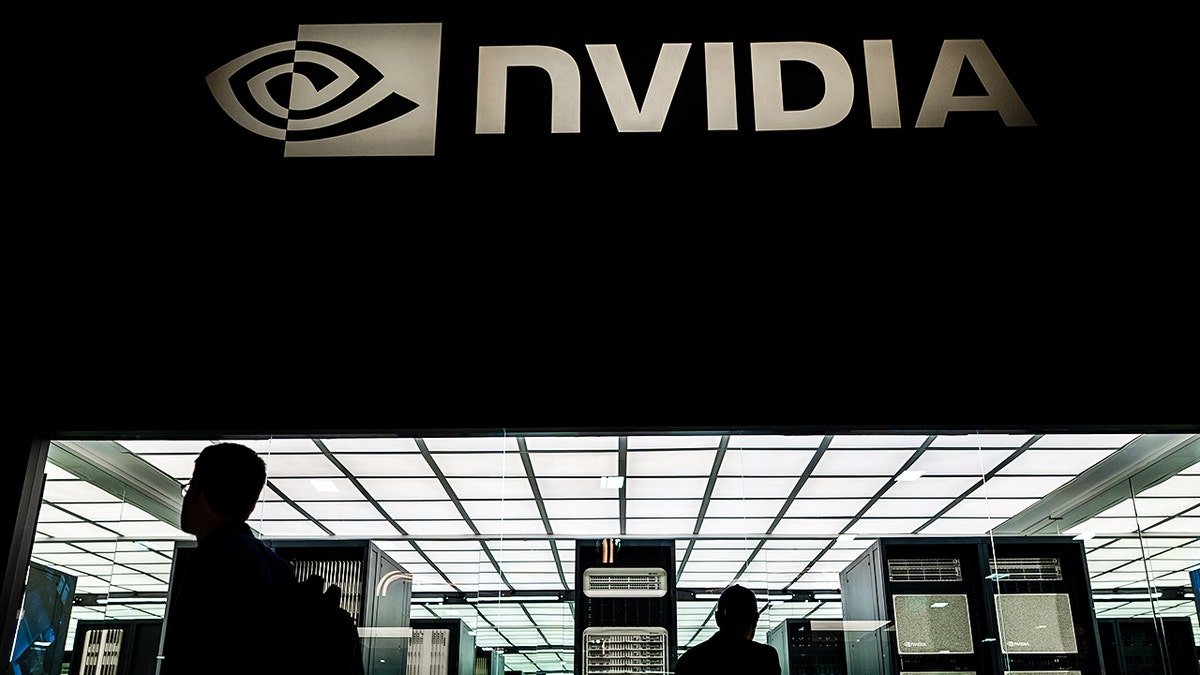
NVIDIA logo.

NVIDIA’s powerful H100 GPU is heading to space aboard Starcloud-1 to test AI data processing in orbit. (Kent Nishimura/Bloomberg via Getty Images)

Kurt’s key takeaways

Sending an NVIDIA GPU into orbit shows how quickly technology is changing. The mission combines curiosity, innovation and a genuine push to make computing cleaner and faster. As space becomes more reachable, the idea of data centers floating above Earth feels less like fiction and more like something that could actually happen. Each of these missions could teach us a little more about how to build a sustainable digital future.

How do you feel about the idea of data centers operating in space? Is it exciting, risky or both?  Let us know by writing to us at Cyberguy.com.

CLICK HERE TO DOWNLOAD THE FOX NEWS APP

Sign up for my FREE CyberGuy Report
Get my best tech tips, urgent security alerts and exclusive deals delivered straight to your inbox. Plus, you’ll get instant access to my Ultimate Scam Survival Guide – free when you join my CYBERGUY.COM newsletter
 

Copyright 2025 CyberGuy.com.  All rights reserved.


Source link

Becky Robinson’s ‘Entitled’ comedy special features viral housewife act

0

NEWYou can now listen to Fox News articles!

Stand-up comedian Becky Robinson’s career is really starting to take off, thanks to a wig, a golf outfit from her mother’s closet, and what she calls “one manic episode of improv” she filmed and posted to social media at the height of the COVID-19 pandemic.

Robinson spoke with Fox News Digital in October about her new special, “Entitled,” and the inspiration behind her viral comedy character, “Entitled Housewife” — an uninhibited, foul-mouthed parody of wine-mom and country club culture. The character blew up on social media during the pandemic and has helped Robinson build a legion of fans. 

“I first found the character by just like improvising, like my parents left the house and I was just like, ‘Scott, where’s the Sauvy B?’ I just kind of started yelling at this fake husband kind of how my mom maybe would at my dad if she was upset,” she told Fox News.

COMEDIAN REVEALS HOW DENYING AN ARRANGED MARRIAGE AT 14 YEARS OLD COST HER RELATIONSHIP WITH HER FATHER

Stand-up comedian Becky Robinson spoke to Fox News Digital in October about her new special and her viral character, “Entitled Housewife.” (Fox News Digital )

One of Robinson’s first “Entitled Housewife” videos, posted to YouTube in 2020, shows the character trying — and failing — to back her SUV out of her driveway to make it to a “country club bruncheon.”

Wearing a massive golf visor, oversized sunglasses and AirPods, she screams at her imaginary son, Dashiell, to move his toy wagon.

“Dashiell, move your f—— wagon! I’m already 15 minutes late to the country club bruncheon! I don’t have any time for this.” She pulls out anyway, with the sound of the wagon crunching under the weight of the car can be heard in the background.

“Whelp, that’s your loss. You could’ve moved it a little faster, OK? Mommy’s got s— to do.” 

From the very first video, Robinson had developed an entire fictional family for “Housewife” to yell at.

“And it was that very first day that I started yelling at Scott, at the kids – Dashiell and Maccabee – and my best friend Trish, and her other two friends Jackie and Margo who are like her foursome that she golfs with,” Robinson said. “Her universe was just all built in that one, dare I say, manic episode of improv.”

When asked where the inspiration for the character came from, Robinson pointed to her parents — and a lot of downtime during the COVID-19 pandemic. 

“I grew up outside of Portland, Oregon, and went home during the pandemic, and I was with my parents, and they were just like having the time of their lives. My dad was like, ‘Golf is all we have. This is great. This is great. The country club’s still open.’ And my mom has had a lot of health issues. She had a brain tumor and breast cancer. And so, by the time the pandemic hit, she was finally healthy. And she was like, ‘This is the time I’m supposed to be out and about having White Claws with the girls.’”

“And I kind of sat there and watched them. It was just like, ‘Oh my gosh, you guys are out of your minds,’” she continued. “And I just, I put a wig on, and I went in their closet and I found a skort and a polo and a visor and my dad’s Oakleys and, of course, the AirPods. And I started improvising.”

MARLON WAYANS WEIGHS IN ON CONTROVERSIAL TONY HINCHCLIFFE JOKE, WHICH POLITICIAN COULD BE A COMIC

Becky Robinson special poster

Stand-up comedian Becky Robinson’s new special, “Entitled,” debuted on her website in late October.  (Becky Robinson/Instagram)

The comic told Fox News Digital she wasn’t thinking about what “Entitled Housewife” might do for her career — she just wanted to make herself laugh during the lows of the pandemic. 

“And that was the first time I had laughed in a long time. So, it was kind of like, maybe it’ll make one other person laugh. And I posted the first video, and it just blew up. I had no idea. I thought it was just gonna be like any other thing.”

Robinson recalled how the video even caught the attention of A-list celebrities.

“All these celebrities started DM’ing me. Chris Pratt was like, ‘I gotta play your husband if you’re gonna make a movie with this.’ And some of the females – Wendy McClendon Covey, who I’ve looked up to for years, was like, ‘Yes, if you’re making a movie, I’m in.’ And it just opened up a lot of doors, and I’ve met so many amazing women.”

Hundreds of videos and millions of views later, “Entitled Housewife” has become a household name — and a co-star on Robinson’s ongoing “Member’s Only” tour. The special, filmed during the Boston stop of the tour in April, is split into two parts: one featuring Robinson as herself, and the other featuring the character. 

“It’s half me doing stand-up as myself,” Robinson explained, describing the first half of the set. She said the first bit is about her “just poking fun at everyday life about the things that we’re like, ‘Oh, this isn’t quite right,’” and making jokes about being a “modern-day woman.”

Describing the second act, she said, “Then the character ‘Entitled Housewife’ rolls up to the theater — running late, as usual — busts down the door, drives onto the stage and does this epic, big performance. At that point, the special turns into what feels like one big party.” 

“We’re trying to make people ruin a couple pairs of pants, hopefully,” Robinson added.

In addition to the onstage antics — including what looked like a dance number — the audience also made an impression. Many of the women showed up wearing visors, sunglasses and tennis skorts in tribute to the character. 

“Yes, we’ve got a cult,” Robinson said, acknowledging her diehard fans. 

Recalling when fans first began showing up in costume, she said, “Yeah, the very first show at the tour, kind of the tail end of the pandemic, our first show back, they just descended inside, just visors – everyone came to us. People brought rackets and clubs and like pickleball paddles. And yeah, so from the jump, everyone’s been dressing up.”

CLICK HERE FOR MORE COVERAGE OF MEDIA AND CULTURE

Becky Robinson in 2017

Comedian Becky Robinson doing stand-up in 2016. (Michael S. Schwarts/Getty )

Robinson’s connection to her female fans is so important that she’s hosting her first annual golf tournament in Tulum, Mexico, this month — the “Entitled Housewife Classic.” 

“We found this epic course — the PGA Riviera Maya in Tulum — and the Conrad Hotel right across the way,” Robinson said. “I’m hosting more than 100 people for the weekend, and we’ve got a bunch of brands on board.” 

“I want a whole weekend with them,” she said of the fans. “A night is not enough. It’s like, let’s do a whole week. So, I’m gonna do a show while we’re down there too. And two days of like a kind of a golf tournament.” 

The tournament is open to the first 100 fans who buy tickets, she said, with plenty of extra perks included. 

“Oh, and I also have hired male Chippendales to be the drink cart drivers, because you don’t see that in the game of golf. No, it’s always very attractive women, so I thought, ‘Let’s get some.’”

Robinson’s special is out now on her website, beckyrobinsonthegreat.com. 

Readers can also find more info about her upcoming golf tournament at entitledhousewifeclassic.com.

CLICK HERE TO GET THE FOX NEWS APP