17 C
New York
Saturday, April 18, 2026
Home Blog Page 680

Mother arrested after concocting drink for her son to give to school bully that sent him to hospital

0
Mother arrested after concocting drink for her son to give to school bully that sent him to hospital

A Texas mother has been arrested after a drink she made for her son’s bully sent him to the hospital, according to the Bexar County Sheriff’s Office.

Jennifer Lynn Rossi, 45, reportedly mixed lemon juice, vinegar, salt and Gatorade together in a sports bottle on Tuesday and told her son to give it to a classmate who had stolen his drink the day before at Legacy Traditional School – Alamo Ranch, approximately 20 miles northwest of downtown San Antonio, Texas, according to an arrest warrant affidavit obtained by ABC News’ San Antonio affiliate KSAT.

MORE: Mexican national arrested trying to smuggle 2 howler monkeys across Texas border into US

“Upon arriving to the school, deputies learned that the sick child was given a drink by a classmate during P.E. class,” Bexar County Sheriff’s Office said in their statement regarding the incident.

Shortly after the child consumed the drink, he reportedly began experiencing nausea and a headache and was taken to a hospital, sheriff officials say.

MORE: New York cheese producer pleads guilty to causing listeria outbreak that killed 2, hospitalized 8

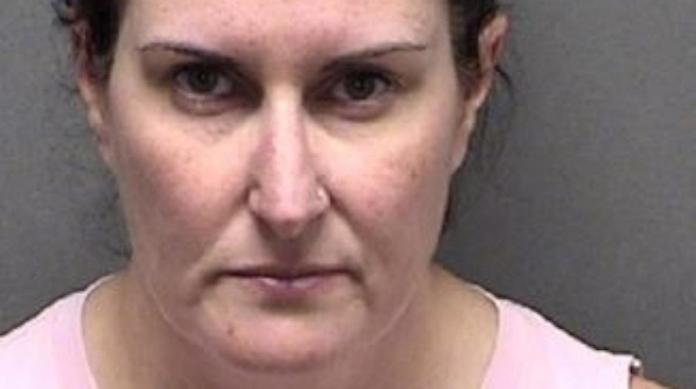
PHOTO: A Texas mother has been arrested after a drink she made for her son's bully sent him to the hospital, according to the Bexar County Sheriff's Office.  (KSAT / Bexar County Sheriff's Office)PHOTO: A Texas mother has been arrested after a drink she made for her son's bully sent him to the hospital, according to the Bexar County Sheriff's Office.  (KSAT / Bexar County Sheriff's Office)

PHOTO: A Texas mother has been arrested after a drink she made for her son’s bully sent him to the hospital, according to the Bexar County Sheriff’s Office. (KSAT / Bexar County Sheriff’s Office)

MORE: 3 University of Wyoming swimmers killed in car crash

“Although, the contents of the drink were non-toxic, the incident resulted in a child being hospitalized,” Bexar County Sheriff’s Office said in their statement. “Hospital staff informed the investigator that the child victim required additional medical monitoring and would eventually be discharged from the hospital.”

Through the course of the investigation, it was learned that the mother of the student who provided the drink “intentionally mixed the contents of the drink to allegedly prevent her son’s drink from being stolen at school by other students,” officials said.

MORE: 73-year-old man dies in skydiving incident after parachute fails to deploy

Rossi was arrested and booked into jail where she was charged with injury to a child causing bodily injury.

The investigation into the incident is currently ongoing.

ABC News’ Marilyn Heck contributed to this report.

Mother arrested after concocting drink for her son to give to school bully that sent him to hospital originally appeared on abcnews.go.com

Jersey Trenchless Continues to Maintain Its Position at The Top of The New Jersey Water & Sewer Pipe Services Sector

0

This family business is now under the leadership of its third generation and is recognized as the clear leader in the Sewer & Water Pipe services sector. Their proven team consists of a blend of seasoned experts and dynamic young professionals
 dedicated to consistently delivering excellence.

Bound Brook, New Jersey, March 6, 2024, When sewer line issues occur, finding a prompt resolution becomes crucial. Opting for a subpar sewer repair service can lead to significant expenses and regrets. Numerous incidents have been reported where inexperienced firms worsened sewer problems. It’s essential to rely on a trusted New Jersey Sewer and Water Service for effective solutions.

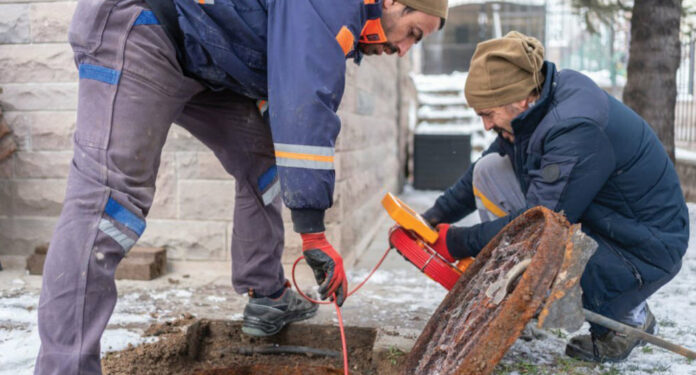
Jersey Trenchless is well-known for their expertise in a wide range of sewer-related tasks, including affordable and accurate sewer camera inspections and state-of-the-art trenchless repairs. With their comprehensive services, they ensure the seamless operation of their clients’ entire sewer system. They employ the latest sewer camera technology and trenchless repair methods, enabling them to use innovative and non-invasive techniques.

Trenchless is most sought after for:

  • Unclog Main Sewer Pipe: Clear out blockages with our two year no clog warranty
  • Video Camera Inspections: They find the problem, guaranteed.
  • Hydro Jetting: Blast away the most stubborn clogs.
  • Reconditioning of Sewer Pipes: Revitalize old pipes to function like new.
  • Trenchless Lining: Their no-dig solution for sewer and drain pipes with their 50-year guarantee.
  • Pipe Bursting and Trenchless Sewer Repairs: Replace sewer pipes with no need to trench the yard.
  • Unclog Toilet Service: Their service provides fast, effective solutions for clogged toilets using advanced techniques and tools, ensuring minimal disruption and prompt resolution of toilet issues.
  • Electric Conduit Pipe Lining: Streamlined service for enhancing and protecting electrical conduit systems with advanced lining techniques, ensuring improved safety and longevity.
  • Pipe Lining: They excel in delivering eco-friendly, efficient pipelining solutions with minimal disruption, redefining industry standards through innovation and expertise.
  • Pipe Boring: Creating underground passages for utilities without trenches.
  • Directional Drilling: Guided underground drilling for precise utility installation
  • Micro Tunnelling: Precision drilling technique for reduced diameter tunnels.
  • Sewer Lateral Inspections: Underground main pipeline assessments.

To effectively tackle New Jersey’s distinctive obstacles, it’s crucial to combine local knowledge with global expertise. With deep roots in New Jersey, this company has a unique understanding of the challenges in the area. They excel at developing customized solutions that precisely meet the demands of the commercial landscape in New Jersey, including sewer and water services.

Mastering regulatory compliance is no small feat. The complex maze of regulations can be overwhelming to navigate. Their clients trust them to guide them through the intricate process, ensuring that their sewer solutions not only meet, but surpass the strict standards set by regulatory bodies. Their team is well-versed in New Jersey Sewer and Water Service regulations.

Jersey Trenchless is known for being certified experts in responding quickly to sewer emergencies. When there’s a crisis, every second counts, and that’s where their Immediate Response Team comes in. They act swiftly, making sure that each emergency is treated as their highest priority.

For complete information, visit: https://jerseytrenchless.com/

Media Contact:

Jersey Trenchless LLC
Attn: Media Relations
410 Talmage Avenue, Unit 4
Bound Brook, New Jersey 08805
732.690.3716
jerseytrenchless@gmail.com

jersey8
Jersey Trenchless Continues to Maintain Its Position at The Top of The New Jersey Water & Sewer Pipe Services Sector 6

Woman survives sudden cardiac arrest, plus new COVID guidance and longevity diets

0
Woman survives sudden cardiac arrest, plus new COVID guidance and longevity diets

SURVIVAL MODE – Cheryl Winston of Minnesota survived after 25 minutes without a pulse. Now, she wants to help raise awareness of sudden cardiac arrest. Continue reading…

MIRACLE MEDICATION? – A common drug that has been used to treat hair loss and enlarged prostate could also reduce heart disease risk, a new study suggests. Continue reading…

END OF QUARANTINE – The CDC announced on Friday that it has dropped its 5-day isolation guidance for COVID. Doctors weigh in on the decision. Continue reading…

CDC headquarters

Prior to Friday’s update, the CDC called for people who test positive for the virus to “stay home for at least five days and isolate from others in your home,” a recommendation that was implemented in late 2021.  (REUTERS/Tami Chappell)

WEIGHT LOSS WARNING – Semaglutide medications alone aren’t enough to sustain weight loss, experts warn. Read on for their recommendations. Continue reading…

GREY MATTER – Deep brain stimulation has pinpointed the sources of four cognitive disorders, researchers have found. Continue reading…

LONGEVITY DIET? – A fasting-like diet could slow the aging process, a study suggests. Here’s what nutritionists have to say. Continue reading…

Time-restricted eating

A fasting-mimicking diet was found to reduce biological age and immune system aging, as well as insulin resistance and liver fat, in a new study. (iStock)

SILENT SYMPTOM – A little-known syndrome could increase the risk of several types of cancers in young people. Experts share what to know. Continue reading…

AROMA-THERAPY – In patients with depression, familiar scents could help trigger happy memories, researchers found. Continue reading…

PERK UP – Should you drink coffee first thing in the morning, or wait a while? Experts reveal caffeine guidance. Continue reading…

WalletHub best cities for coffee

Coffee consumption and energy levels are dependent on a person’s caffeine tolerance, said a sleep expert. (iStock)

FOLLOW FOX NEWS ON SOCIAL MEDIA

Facebook

Instagram

YouTube

Twitter

LinkedIn

SIGN UP FOR OUR NEWSLETTERS

Fox News First

Fox News Opinion

Fox News Lifestyle

Fox News Health

Fox News Autos

Fox News Entertainment (FOX411)

DOWNLOAD OUR APPS

Fox News

Fox Business

Fox Weather

Fox Sports

Tubi

WATCH FOX NEWS ONLINE

Fox News Go

STREAM FOX NATION

Fox Nation

Mental health improves with 20 seconds of daily affirmations, study finds

0
Mental health improves with 20 seconds of daily affirmations, study finds

Repeat this line: You feel happy, calm and fulfilled.

It may not be as easy as that — but daily affirmations have been linked to improved mental health, according to a study from the University of California Berkeley.

The study included 135 college students. One group was prompted to practice daily self-compassion by saying affirming things to themselves for 20 seconds per day for a month.

MENTAL HEALTH MAY BE WORSE IN TEENS FROM LARGE FAMILIES, STUDY SUGGESTS: ‘FEWER RESOURCES’

“This practice involved placing your hands over your heart and belly while thinking kind thoughts to yourself,” study co-author Eli Susman, a psychology researcher at the University of California Berkeley, told Fox News Digital.

“It’s essentially a practice of being a caring friend to yourself when reflecting on moments that evoke being hard on yourself.”

Daily affirmations have been linked to improved mental health, according to a study from the University of California Berkeley. (iStock)

The researchers found that the daily affirmation practice was associated with greater self-compassion, emotional well-being and reduced stress in college students compared to a control group. 

The more often they did the practice, the greater the benefits. 

The findings were published in the journal Behaviour Research and Therapy.

IN PATIENTS WITH DEPRESSION, FAMILIAR SCENTS COULD HELP TRIGGER HAPPY MEMORIES, STUDY FINDS: ‘BREAK THE CYCLE’

The students were given the following instructions, according to Susman.

“You’re invited to allow your eyes to close … Bringing to mind a recent mistake, or a failure or something about yourself that has been bothering you lately, or has made you feel unworthy, unloved, or not enough … and notice what arises in your body as you bring this to mind … sending kindness and warmth to yourself by bringing one hand to your belly and the other to your chest with the energy of giving yourself a hug … allow yourself to embrace what arises in your body … and you’re invited to ask yourself, ‘How can I be a friend to myself in this moment?’ … and when you’re ready you may open your eyes.”

Man at beach

The researchers found that the daily affirmation practice was associated with greater self-compassion, emotional well-being and reduced stress. (iStock)

“Micropractices are like tiny training sessions that are based on the most potent parts of well-being practices, such as meditation,” Susman said. 

“They’re designed to be easy to access and don’t require a lot of time or effort to use.”

Benefits of self-affirming thoughts

Zachary Ginder, a psychological consultant and doctor of clinical psychology at Pine Siskin Consulting, LLC in Riverside, California, reinforced the positive impact that affirmations can have in behavior change and mental wellness — particularly for young adults.

“It’s essentially a practice of being a caring friend to yourself when reflecting on moments that evoke being hard on yourself.”

“Imagine a young adult who has a constant narrative of negative beliefs running through their head about their level of worth to society, their competency, ability or any number of other self-limiting negative thoughts,” Ginder, who was not involved in the study, said in a conversation with Fox News Digital.

“Research suggests that when practiced daily to the point of habit formation, self-compassionate touch paired with positive, self-affirming talk or reflection can improve self-compassion and reduce stress and other mental health challenges,” he said.

Woman meditating

“Micropractices are like tiny training sessions that are based on the most potent parts of well-being practices, such as meditation,” a researcher said. (iStock)

Part of the appeal of these techniques is that they are easy to learn and implement, can be practiced in a very short amount of time, and there is no cost involved, Ginder noted.

These affirmations will be different for each person.

“Finding the right practice and self-talk language to use may take some trial and error,” Ginder said. “The bottom line is that when you find a healthy self-care practice that you can maintain long term, make a commitment and stick with it.”

DEPRESSION AND ANXIETY RATES HIGHER AMONG COLLEGE STUDENTS THAN THEIR PEERS, NEW STUDY SUGGESTS

“Habits geared toward cultivating greater self-awareness, the ability to recognize feelings or emotion in the moment, and tools that actively help to regulate them are an essential part of successfully navigating life and relationships,” he added.

Study’s limitations 

The study was limited in that the researchers didn’t assign how often people practiced. Also, the study focused only on college students in the U.S. 

“The effects were practice-dependent — those who did not practice often did not improve,” Susman told Fox News Digital.

woman holding chest

“When practiced daily, this could be a quick self-care strategy for helping you to be kinder to yourself, less stressed and more emotionally healthy,” a researcher said. (iStock)

More research with different populations is needed to confirm the findings and determine whether they apply to other groups, he noted.

“When practiced daily, this could be a quick self-care strategy for helping you to be kinder to yourself, less stressed and more emotionally healthy,” said Susman.

CLICK HERE TO SIGN UP FOR OUR HEALTH NEWSLETTER

He recommended choosing a cue that will make the practice a regular habit, such as after drinking a morning cup of coffee or whenever people are feeling stressed.

The researchers also emphasized, however, that these “micropractices” shouldn’t be used as a substitute for mental health care for those who need it.

man drinking coffee in a kitchen

Choose a cue that will make the practice a regular habit, such as after drinking your morning coffee, recommended one researcher.  (iStock)

“Just like brushing your teeth is not a replacement for seeing the dentist, micropractices should not be a replacement for therapy or more intensive mental health care,” Susman said.

Ginder agreed, noting that this is not a “unicorn” solution to breaking negative self-talk or other mental well-being challenges. 

“It should be considered a tool to be added to an individual’s existing self-care toolbox,” he told Fox News Digital. 

CLICK HERE TO GET THE FOX NEWS APP

“As always, if you notice a decline in mental health or ability to function, it is important to seek help from a licensed clinician.”

For more Health articles, visit www.foxnews.com/health.

Ask a doc: ‘Why are my fingers tingling and what can I do to stop it?’

0
Ask a doc: ‘Why are my fingers tingling and what can I do to stop it?’

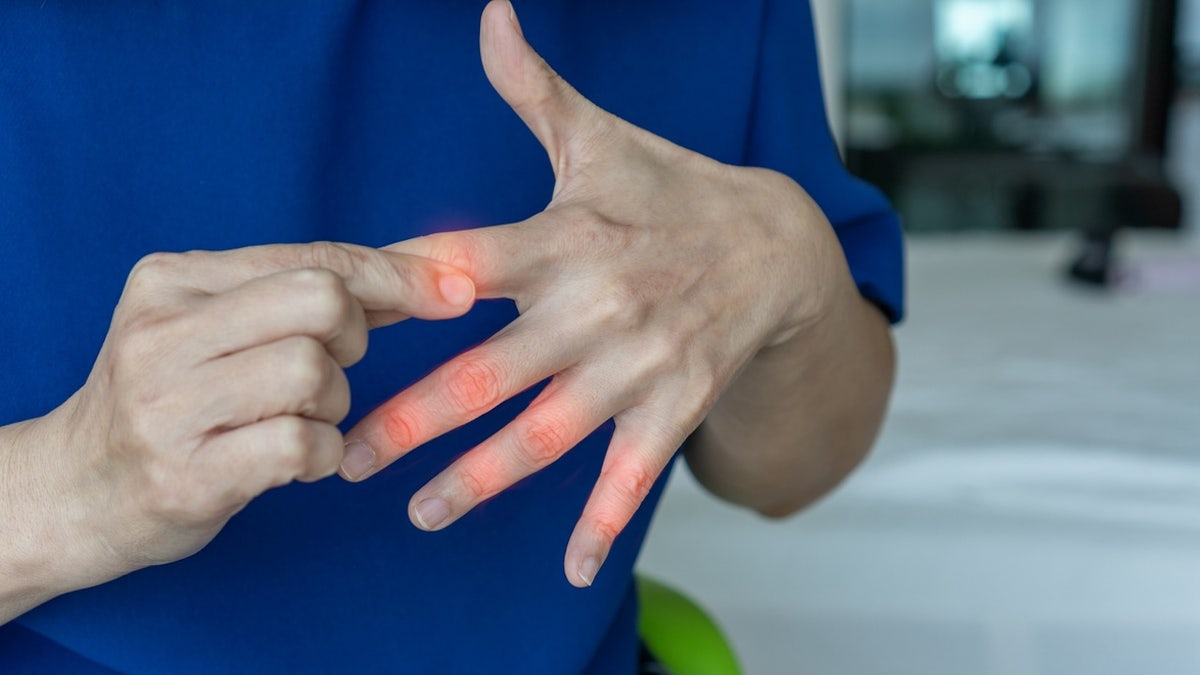
Tingling fingers can be uncomfortable and somewhat of a nuisance, especially if this interferes with your daily activities or interrupts your sleep.

Individuals describe tingling as a “pins and needles” sensation, similar to when fingers fall asleep after leaning on an elbow too long, Kerry Levin, M.D., chair of the department of neurology at Cleveland Clinic in Cleveland, Ohio, told Fox News Digital. 

Here’s a deeper dive. 

What are some causes of the condition?

There are many possible causes of tingling fingers. 

In some cases, the condition can stem from an isolated incident. 

ASK A DOC: ‘WHAT CAUSES HICCUPS, AND HOW CAN I GET RID OF THEM?’

“It can occur with anxiety or leaning on a body part too long,” said Levin, who is also a fellow of the American Academy of Neurology. 

“These symptoms go away by themselves when the trigger goes away.”

Tingling fingers can be uncomfortable and somewhat of a nuisance, especially if this interferes with your daily activities or interrupts sleep. (iStock)

Beyond an isolated occurrence, the most common neurological causes are carpal tunnel syndrome, ulnar nerve compression at the elbow, or a pinched nerve in the neck, according to the doctor.

When a nerve is compressed or damaged, it interrupts signals along the nerve from the skin up to the brain. 

Those signals can then register as pain or uncomfortable sensations, according to Levin.

ASK A DOC: ‘WHY ARE MY EARS RINGING, AND SHOULD I SEE A DOCTOR?’

The most common cause of tingling fingers is usually carpal tunnel, according to Jesus Lizarzaburu, M.D., a family physician at TPMG Grafton Family Medicine in Yorktown, Virginia.

“Doing something repetitive with your wrists and hands can lead to inflammation of the nerve through the carpal tunnel, which is a fixed space in that specific area,” he told Fox News Digital. 

“As the nerve swells, the pressure on the nerve itself increases, which makes the tingling worse.”

Man with tingling fingers

When a nerve is compressed or damaged, it interrupts signals along the nerve from the skin up to the brain. Those signals can then register as pain or uncomfortable sensations. (iStock)

Additional medical reasons can also cause tingling fingers. 

The condition can result from poorly controlled diabetes, which may cause damage to the nerves and lead to a condition called diabetic neuropathy, noted Lizarzaburu. 

This usually affects the feet first and the hands later.

ASK A DOC: ‘HOW CAN I PREVENT HIGH CHOLESTEROL?’

Another potential cause is deficiency in vitamins B12, B6 or E, which can affect nerve function and cause tingling, the doctor said.

Infection or inflammation in conditions such as Lyme disease, shingles or inflammation of the nerves (neuritis) can also be culprits.

Treatments to alleviate tingling

There are some measures you can take to manage the tingling in your fingers, according to experts.

One is to pay attention to the motions that led to the tingling and try to avoid the triggering event.

Maintaining a healthy weight and staying active can also help, Lizarzaburu said.

Woman at doctor

Once a diagnosis is made, there may be treatment available for the specific cause of the tingling in the fingers. (iStock)

Doctors also recommend staying hydrated by drinking water regularly.

It’s also important to manage existing health conditions. 

“If you do have diabetes, be sure to manage it through diet and proper medication provided by your family physician,” Lizarzaburu recommended.

CLICK HERE TO SIGN UP FOR OUR HEALTH NEWSLETTER

For issues like carpal tunnel syndrome, performing stretching exercises, getting physical therapy or wearing wrist splints overnight are good initial treatment options, the doctor said. 

If symptoms persist, surgery may be necessary in some cases.

When should you see a doctor?

Symptoms that are brief and infrequent are usually not worrisome, Levin said. 

wrist pain

Carpal tunnel syndrome is one of the most common neurological causes of tingling fingers. (iStock)

If symptoms are getting worse — or are heightened by coughing, straining or with neck or arm movement — this could signal a neurological problem that needs to be checked, the doctor advised.

Aside from a thorough physical examination, the medical provider may opt to perform MRI imaging or electrical nerve testing. 

CLICK HERE TO GET THE FOX NEWS APP

Once a diagnosis is made, there may be treatment available for the specific cause, such as exercises for a pinched nerve in the neck or a wrist splint for carpal tunnel syndrome, Levin noted.

If conservative treatments aren’t effective, surgery may provide relief, he added.

For more Health articles, visit www.foxnews.com/health.

Fox News AI Newsletter: Jake Gyllenhaal movie facing AI lawsuit

0


Welcome to Fox News’ Artificial Intelligence newsletter with the latest AI technology advancements.

IN TODAY’S NEWSLETTER:

– Jake Gyllenhaal’s ‘Road House’ facing AI lawsuit, director drama ahead of debut
– Google Gemini: AI fiasco reignites concerns of political bias at tech company dating back to Trump’s victory
– The creepy-eyed robot that wants to be your friend and teacher

ROUGH ‘ROAD’: The Jake Gyllenhaal-starring “Road House” remake is facing two major hurdles ahead of its release. Last week, screenwriter R. Lance Hill filed a lawsuit against MGM Studios and its parent company, Amazon, alleging copyright infringement and the use of AI to skirt a deadline in violation of the new actors’ and directors’ guild deals.

Jake Gyllenhaal in an orange stiped shirt and black jacket on the red carpet soft smiles

Jake Gyllenhaal. (Jeff Spicer/Getty Images)

‘IDEOLOGICAL ECHO CHAMBER’: The controversy surrounding the artificial intelligence chatbot Gemini is reigniting concerns about political bias at Google, a company that has repeatedly been accused of favoring Democrats and fostering a culture of progressive workers.

CAPITALIZING ON CONSUMERS: Elon Musk is suing ChatGPT-maker OpenAI and its chief executive Sam Altman, among others, saying they had abandoned the company’s original founding mission to develop open-source artificial general intelligence technology for the benefit of humanity over profits.

CREEPY COMPANION: Have you ever wished for a robot friend who can keep you company, teach you new skills and inspire you to explore the wonders of technology? If so, you might want to check out Doly, the latest creation from Limibit, a technology startup based in Ontario, Canada.

2 The creepy eyed robot that wants to be your friend and teacher

Doly AI robot  (Limibit)

AGE-APPROPRIATE?: The Microsoft artificial intelligence chatbot Copilot said it can be okay to teach nursery school children about a variety of potentially age-inappropriate topics, including diversity, equity and inclusion, transgenderism and sex.

AI RISING: Nvidia CEO Jensen Huang said Friday that artificial general intelligence could, by some definitions, arrive in as little as five years.

Nvidia processor AI

Nvidia logo displayed on a phone screen and microchip and are seen in this illustration photo taken in Krakow, Poland on July 19, 2023. (Jakub Porzycki/NurPhoto via Getty Images)

Subscribe now to get the Fox News Artificial Intelligence Newsletter in your inbox.

FOLLOW FOX NEWS ON SOCIAL MEDIA

Facebook
Instagram
YouTube
Twitter
LinkedIn

SIGN UP FOR OUR OTHER NEWSLETTERS

Fox News First
Fox News Opinion
Fox News Lifestyle
Fox News Health

DOWNLOAD OUR APPS

Fox News
Fox Business
Fox Weather
Fox Sports
Tubi

WATCH FOX NEWS ONLINE

Fox News Go

STREAM FOX NATION

Fox Nation

Stay up to date on the latest AI technology advancements and learn about the challenges and opportunities AI presents now and for the future with Fox News here.


Source link

Scammers are using fake news, malicious links to target you in an emotional Facebook phishing trap

0


Join Fox News for access to this content

Plus special access to select articles and other premium content with your account – free of charge.

Please enter a valid email address.

Beware of a new scam that preys on your emotions on Facebook

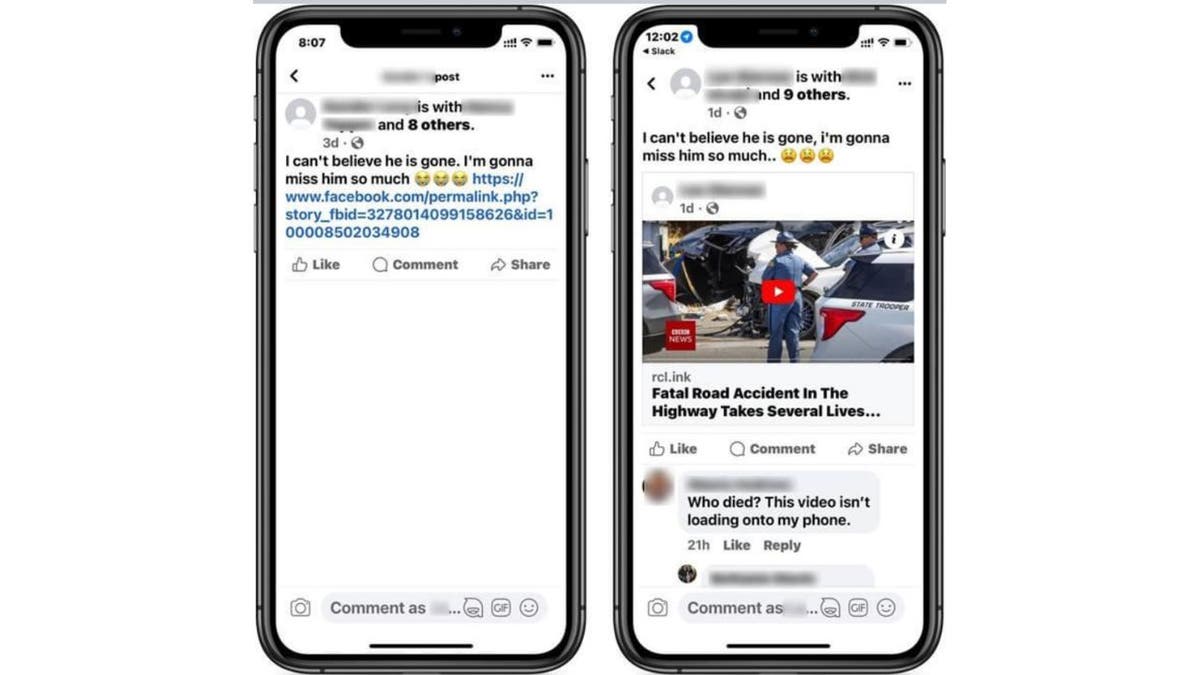
Scammers are hacking into people’s Facebook accounts, posting sad messages like “I can’t believe he’s gone,” and tagging you or other people to get your attention.

You might think they are mourning a loved one and want to offer your condolences, but don’t fall for it. 

It’s a trick to make you click on harmful links that could compromise your security or privacy.

CLICK TO GET KURT’S FREE CYBERGUY NEWSLETTER WITH SECURITY ALERTS, QUICK VIDEO TIPS, TECH REVIEWS AND EASY HOW-TO’S TO MAKE YOU SMARTER

facebook scammers 1

Fake news articles and links (Georgetown Police Department)

How scammers use fake news and fake emotions to steal your Facebook password

The scam starts with a post from someone you know that says, “I can’t believe he is gone. I’m gonna miss him so much.” The post has a link to a supposed news article or video, but it is actually a trap. If you click the link, you are taken to a fake web page that asks you to log in to Facebook. If you do, you are giving away your Facebook password to the scammers. There is no news article or video, only a clever way to steal your identity.

THIS FACEBOOK MESSENGER PHISHING SCAM IS STEALING MILLIONS OF PASSWORDS

The scammers use hacked Facebook accounts to spread these “I can’t believe he is gone” phishing links. The posts look like they are from your friends and relatives, which makes them hard to resist. If you fall victim to this scam, the scammers can use your Facebook account to post the same message to your contacts and lure more people into their scam.

facebook scammers 2

Fake news article with video posted on Facebook (Reddit)

MORE: DON’T FALL FOR THAT “LOOK WHO DIED” FACEBOOK MESSAGE TRAP

How the ‘I can’t believe he’s gone’ scam works to trick you

The “I can’t believe he’s gone” Facebook scam is a clever scheme to trick you into clicking. Let’s analyze the mental and social techniques that make it so effective.

Pretends to be a friend

The scam post looks like it comes from one of your Facebook friends. But in reality, your friend’s account has been taken over or copied by a scammer. The familiar name and photo make it seem like a personal message. You are more likely to pay attention to shocking news from a friend than from a stranger.

Exploits your emotions with a sad story

The post starts with, “I can’t believe he’s gone, I’m gonna miss him so much.” This makes you think that the person has lost someone close to them. The emotional tone appeals to your sympathy, making you want to watch the video to find out what happened.

Uses a fake news headline to convince you

The fake headline from a reputable news source like CNN or BBC News gives the impression of authenticity. You are used to trusting major media outlets, so a headline from them seems reliable. This makes you believe that the tragedy is real.

Makes you curious to see more

The shocking post and article headline create a strong curiosity. Who died? How did it happen? You feel the need to watch the video for answers. This is exactly what the scammers want you to do.

Shows a video thumbnail to confirm your fears

The video thumbnail shows a car accident or another disaster that supposedly caused the death. You tend to trust what you see with your own eyes. This image makes the accident seem real and tangible.

Lowers your guard with a friend’s name

Seeing a friend share such sad news makes you less suspicious. Your first reaction is to offer support, not to doubt if it’s true. This trust in friends helps the scam avoid Facebook’s spam detection.

Takes you away from Facebook to steal your password

By sending you to an external site, the scam avoids any warnings you might get on Facebook. On Facebook, you can see where the links go before you open them. But these redirects hide the destination.

facebook scammers 3

Woman on Facebook (Kurt “CyberGuy” Knutsson)

MORE: HOW TO PROTECT YOURSELF FROM SOCIAL MEDIA SCAMMERS

5 ways to protect yourself against phishing scams on Facebook

1) Don’t click the link: Make sure to hover your cursor above the link to see what it reads; usually, legitimate news sources have their names in the URL. It is best to go directly to the news source and search for the specific story you are looking to read.

2) Remember that people on Facebook get their accounts hacked all the time: Even if you are tagged, make sure you only open links from people you actually know well. And even before you do, look for changes in activity or behavior from the profile you are looking at.

3) Confirm with the friend: If you have doubts, contact the friend who posted the message to verify it. They probably didn’t know their account was used for a scam.

4) Look at the Comments: Often, other users will expose scams in the comments. Check if anyone is saying it’s a hoax or a breach.

5) Have good antivirus software on all your devices: Having antivirus software on your devices will make sure you are stopped from clicking on any potential malicious links that may install malware on your devices, allowing hackers to gain access to your personal information. Get my picks for the best 2024 antivirus protection winners for your Windows, Mac, Android & iOS devices.

MORE: GHOST-HACKING: HOW TO PROTECT YOURSELF FROM SCAMS FROM BEYOND THE GRAVE OF THOSE YOU KNEW

What to do if you click on the ‘I can’t believe he’s gone’ link?

Exit the fraudulent page or video immediately: Do not stay on the website or video that the link opened. The longer you are there, the more danger you face. Leave the page as soon as possible without entering any information or downloading anything.

Perform a malware scan with your antivirus software: Some redirects may secretly download or install malware such as viruses, Trojans, spyware and other harmful programs on your device. Use your antivirus software to scan for any malware and remove it before it causes any damage or steals any data.

Reset your Facebook password: Your Facebook account may have been hacked. To prevent further access by hackers on another device, go to Facebook’s security settings and change your password. Make sure it is different from your other passwords and hard to guess. Consider using a password manager to generate and store complex passwords.

Turn on two-factor authentication for Facebook: Two-factor authentication makes your Facebook account more secure. After resetting your password on another device, go to the two-factor settings on that other device and enable it. This means that you will need your password and another verification method, such as a code or biometrics, to log in.

Monitor your accounts for any unusual activity: Keep an eye on your social, financial and email accounts for any changes that you did not make. Hackers may use your Facebook account to break into other accounts linked to it.

Review your credit reports and freeze your credit: If you shared any personal information, you may be at risk of identity theft. Get your credit reports from Equifax, Experian and TransUnion and look for any accounts that you did not open. You may want to freeze your credit with each bureau to prevent criminals from opening new accounts in your name.

GET FOX BUSINESS ON THE GO BY CLICKING HERE

Use identity theft protection: Given the sneaky rise of Facebook phishing scams that use fake news and dodgy links to play on our emotions, it’s important to up our game in staying safe. That’s where identity theft protection comes into play. Identity theft protection companies can monitor personal information like your home title, Social Security Number, phone number and email address and alert you if it is being used to open an account. They can also assist you in freezing your bank and credit card accounts to prevent further unauthorized use by criminals. See my tips and best picks on how to protect yourself from identity theft.

Be careful of related scams via phone and email: Watch out for suspicious calls or emails that may be related to the scam as a result of you inadvertently revealing your personal information, such as an email or your phone number. Scammers often use various tactics to deceive you into divulging sensitive information. Once scammers have this information, they can use it to perpetrate further scams, such as phishing attempts or identity theft. Do not answer or click on any links or attachments. They may try to trick you into giving more information or money.

facebook scammers 4

The word scam over a Facebook account (Kurt “CyberGuy” Knutsson)

Kurt’s key takeaways

With life moving at the speed of life, it is hard to recognize a scam on Facebook, especially when you’ve been tagged on an emotional post by someone you know. But it pays to slow down before you respond to or click on Facebook posts pulling at your heartstrings.

CLICK HERE TO GET THE FOX NEWS APP

Have you ever encountered a scam post like the one described in the article? How did you react? Let us know by writing us at Cyberguy.com/Contact.

For more of my tech tips & security alerts, subscribe to my free CyberGuy Report Newsletter by heading to Cyberguy.com/Newsletter.

Ask Kurt a question or let us know what stories you’d like us to cover.

Answers to the most asked CyberGuy questions:

Copyright 2024 CyberGuy.com. All rights reserved.


Source link

The iPhone privacy setting you need to turn off

0


Join Fox News for access to this content

Plus special access to select articles and other premium content with your account – free of charge.

Please enter a valid email address.

Your iPhone is a powerful device that can store and share your personal information, photos, videos and more. 

But did you know that it can also share things with others nearby that you may not want them to see?

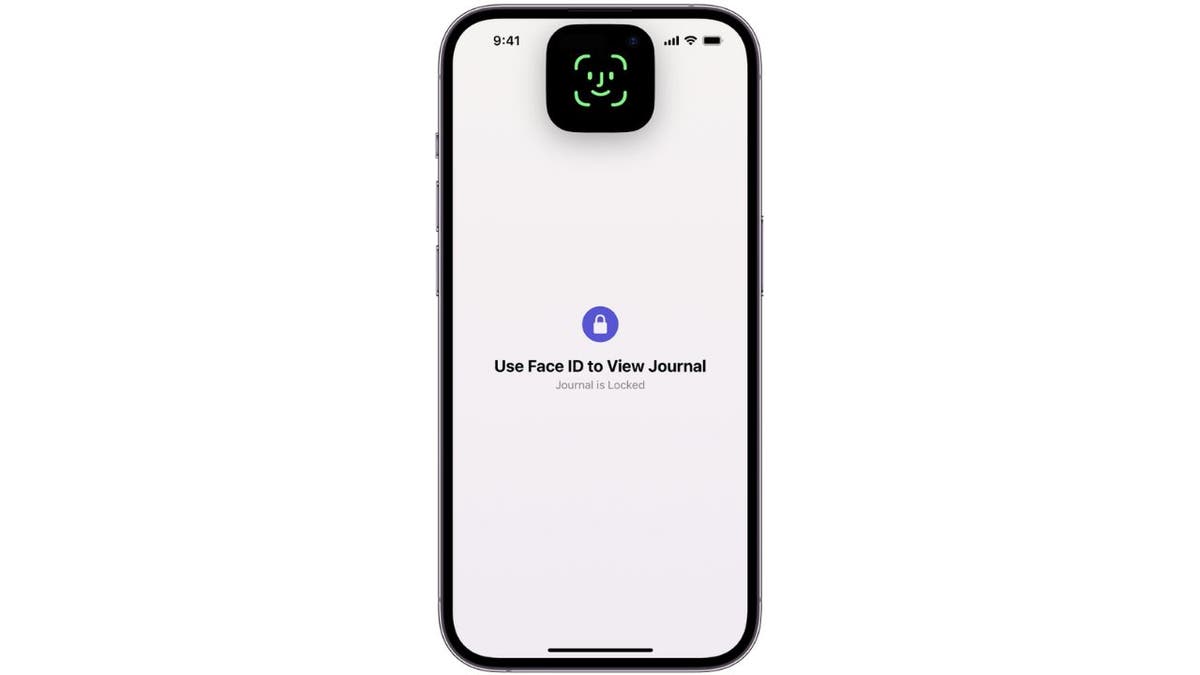
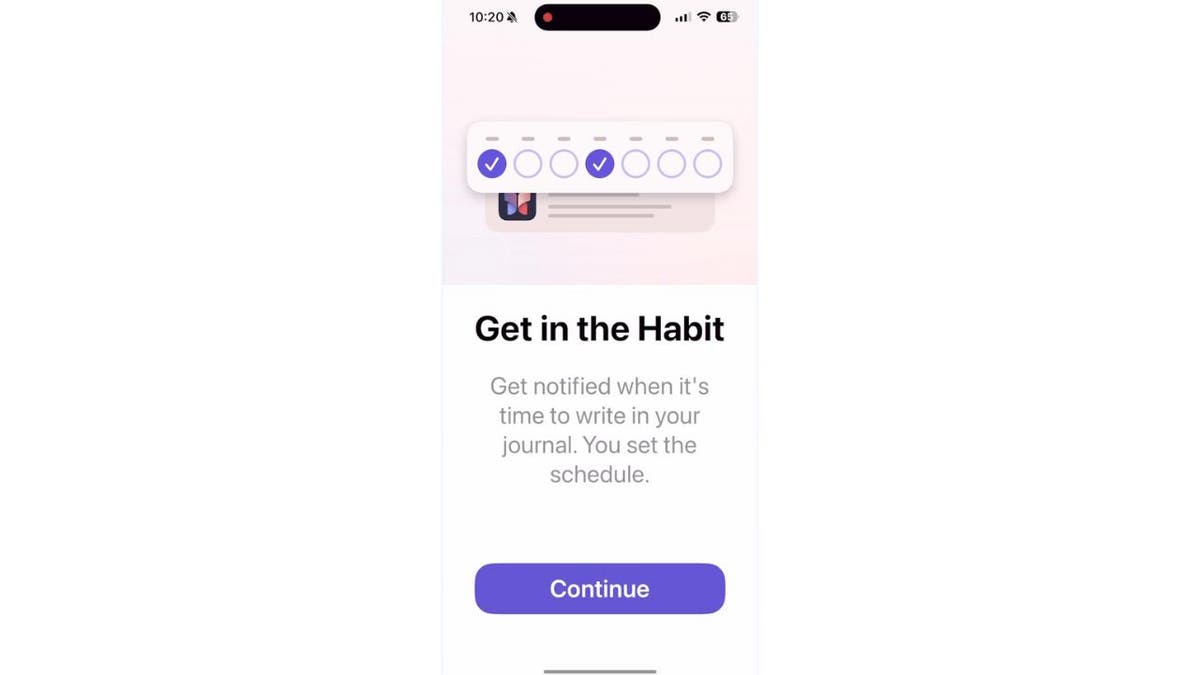
Apple’s new Journal app, which helps you reflect on your everyday moments and special events, uses on-device machine learning to create personalized suggestions for your journal entries. 

However, some of these suggestions may include sensitive or private data that you would rather keep to yourself.

CLICK TO GET KURT’S FREE CYBERGUY NEWSLETTER WITH SECURITY ALERTS, QUICK VIDEO TIPS, TECH REVIEWS AND EASY HOW-TO’S TO MAKE YOU SMARTER

journal app privacy 1

The Journal app on an iPhone (Apple)

Why should you care?

Imagine this: every photo you take, every note you jot down, potentially being accessible to someone nearby with an iPhone. Intriguing? Perhaps. Concerning? Definitely. The Journal app can share things that you may want to keep private with others nearby. 

IN CASE OF EMERGENCY, IPHONE SHORTCUT COULD SAVE YOUR LIFE

It’s a feature intended to enhance user experience by suggesting content based on location and activity data, but it may overshare your personal information. So, how do you change the privacy settings of the Journal app and turn off the features that may expose your information to others? Follow along with me, and I’ll show you how to stop it.

JOURNAL app privacy 2

The Journal app (Kurt “CyberGuy” Knutsson)

MORE: BEST PORTABLE PHONE CHARGERS OF 2024

How to safeguard your privacy on your iPhone

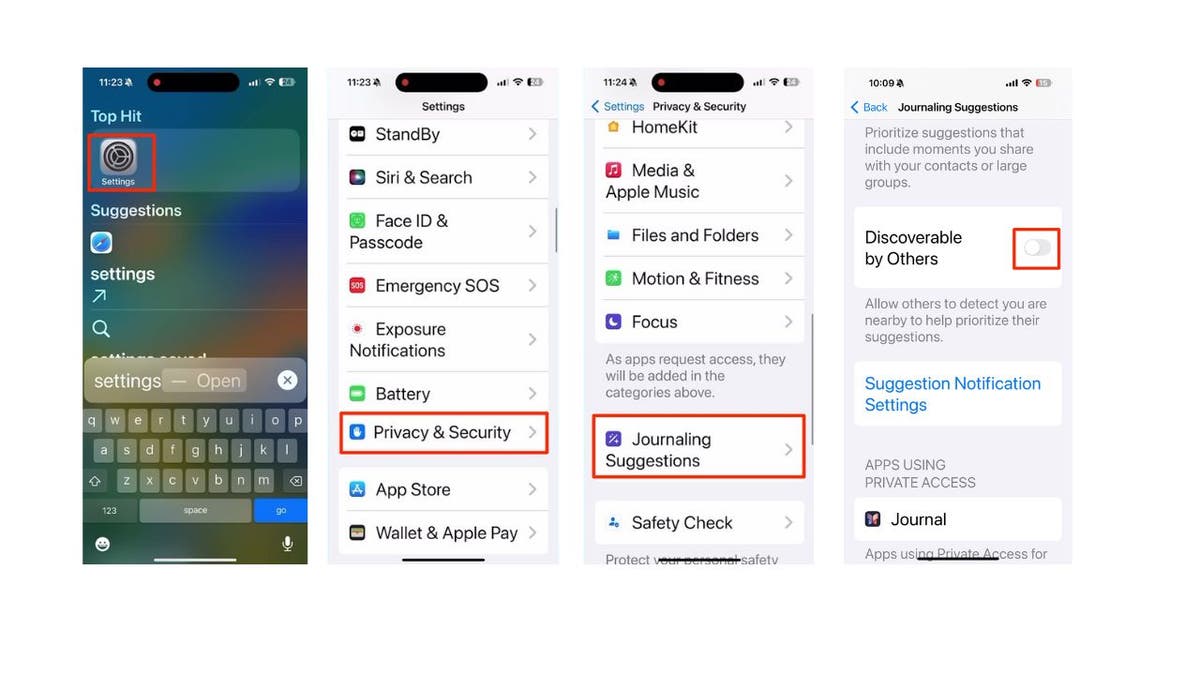
Let’s walk through the steps to ensure your Journal entries and photos remain for your eyes only.

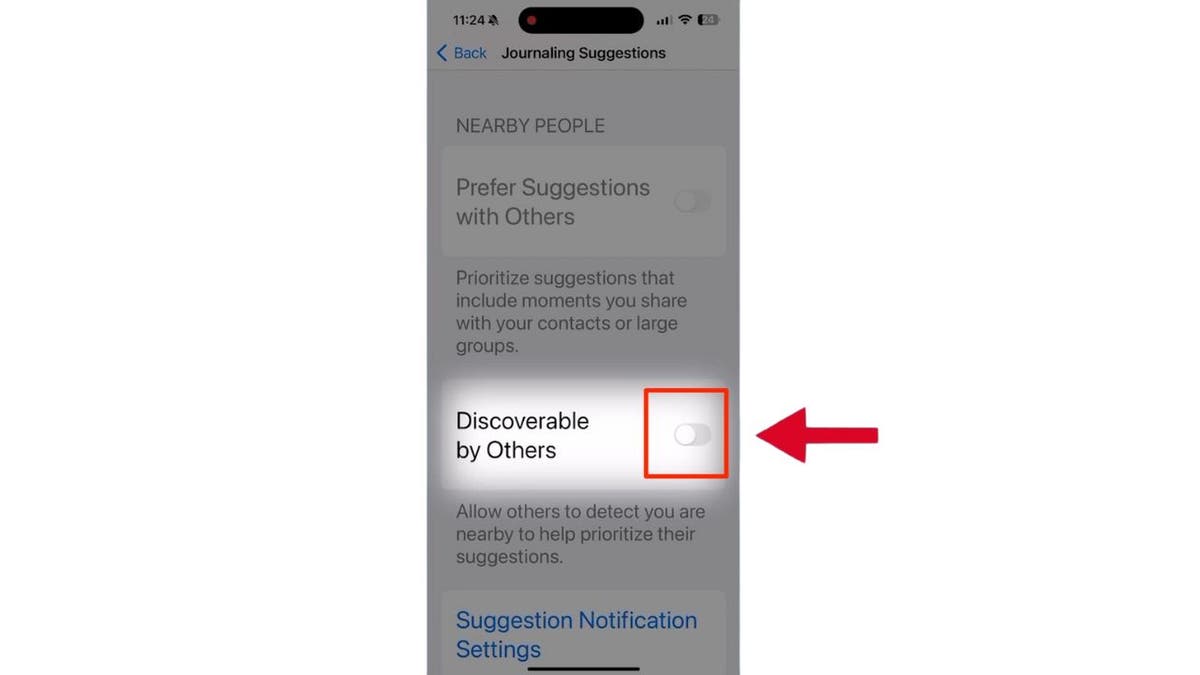
  • First, swipe down at the top of your phone and type Settings.
  • Tap Settings and then scroll down until you find Privacy and Security and tap it.
  • Scroll down again until you get to Journaling Suggestions and click on it.
  • Then switch off Discoverable by others.

GET FOX BUSINESS ON THE GO BY CLICKING HERE

journal app privacy 3

Steps to safeguard your privacy on iPhone (Kurt “CyberGuy” Knutsson)

MORE: BEST ACCESSORIES FOR YOUR PHONE

What does this mean for you?

When you turn off “discoverable by others,” you prevent the journal app from sending your location and activity data to other iPhone users who are near you. This means that they won’t see your journal entries or photos as suggestions on their app. It also means that you won’t see theirs. This can help you protect your privacy and avoid unwanted sharing of your personal information.

MORE: BEST VPNS FOR BROWSING HTE WEB PRIVATELY

journal app privacy 4

Turn off Discoverable by Others on iPhone (Kurt “CyberGuy” Knutsson)

MORE: APPLE CRACKS DOWN ON IPHONE THIEVES WITH NEW SECURITY SETTINGS

Kurt’s key takeaways

Your iPhone can store and share your data, but it can also reveal it to others nearby. Apple’s Journal app uses machine learning to suggest journal entries, but some may be private or sensitive. To protect your privacy, change the Journal app settings and turn off the features that may show your data to others. Your iPhone and your data are yours. Don’t let others see what you don’t want them to see.

CLICK HERE TO GET THE FOX NEWS APP

How do you feel about the Journal app’s feature that shares your data with nearby iPhone users? Let us know by writing us at Cyberguy.com/Contact.

For more of my tech tips & security alerts, subscribe to my free CyberGuy Report Newsletter by heading to Cyberguy.com/Newsletter.

Ask Kurt a question or let us know what stories you’d like us to cover.

Answers to the most asked CyberGuy questions:

Copyright 2024 CyberGuy.com. All rights reserved.


Source link

Minnesota woman survives after 25 minutes without pulse, warns others about sudden cardiac arrest

0
Woman survives sudden cardiac arrest, plus new COVID guidance and longevity diets

Join Fox News for access to this content

Plus special access to select articles and other premium content with your account – free of charge.

Please enter a valid email address.

A Minnesota woman who went 25 minutes without a pulse is sharing her survival story to raise awareness of sudden cardiac arrest (SCA).

Cheryl Jordan Winston was 48 years old in 2020 when she collapsed in her bedroom after experiencing SCA. 

Her husband performed CPR until the paramedics arrived and shocked her with an AED (automated external defibrillator).

HAIR LOSS AND PROSTATE MEDICATION COULD ALSO REDUCE HEART DISEASE RISK, STUDY FINDS

Winston was taken to the hospital and put in a medically induced coma, where she remained for two weeks. 

“Despite being without a pulse for 25 minutes, I have no long-term side effects and have been able to return to normal life,” she told Fox News Digital in an interview.

In 2020, Cheryl Jordan Winston was 48 years old when she collapsed in her bedroom after experiencing SCA.  (Cheryl Jordan Winston)

Prior to experiencing her SCA, Winston had no symptoms at all — no fatigue or chest pain. She would later learn that it’s common for there to be an absence of symptoms prior to that type of cardiac event.

“I’ve also had no prior history of heart issues,” she said. “While there’s some family history of high blood pressure, there was nothing unusual in my family that would be linked to sudden cardiac arrest.”

FOR WOMEN OVER 60, HERE IS THE NUMBER OF DAILY STEPS NEEDED TO PROTECT HEART HEALTH

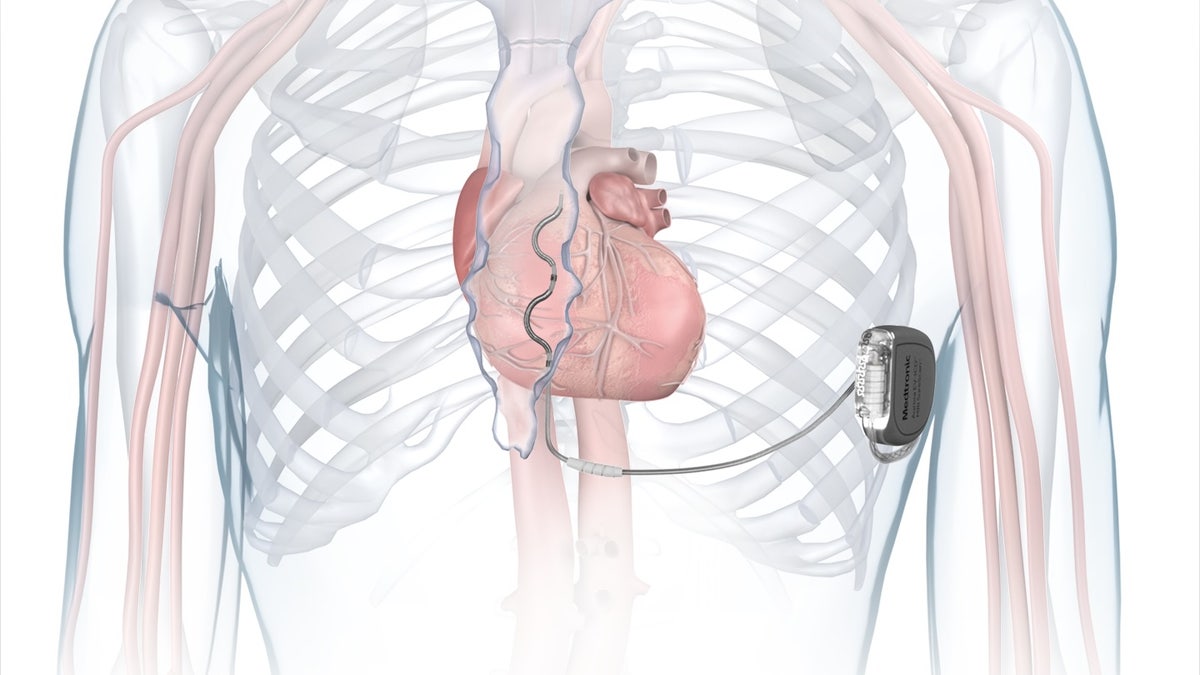
As part of a worldwide clinical study, Winston received an implanted cardioverter defibrillator (ICD), the Medtronic Aurora EV-ICD, to prevent future life-threatening episodes.

“It monitors my heart, and if it sees an arrhythmia, it will provide therapy to return my heart rhythm to normal before a cardiac arrest,” she said. “I feel it’s added protection for me, since they never found a cause for my cardiac arrest.”

Cheryl Jordan Winston

Winston is shown in the hospital after experiencing her sudden cardiac arrest in 2020.  (Cheryl Jordan Winston)

Within two weeks, Winston was able to return to work and normal activities.

“I am feeling great,” she told Fox News Digital. “I make it a point to continue exercising regularly and focus on eating a healthy diet, just as I did before experiencing sudden cardiac arrest.”

HEART HEALTH RISK FACTORS FOR WOMEN OVER AGE 50: ‘DON’T IGNORE NEW SYMPTOMS,’ EXPERTS WARN

Dr. Alan Cheng, chief medical officer of Medtronic’s cardiac rhythm management division in Minneapolis, warned that cardiac arrest often results from a dangerously fast heart rhythm, and is deadly if not treated immediately. 

“For patients at risk of developing these abnormal rhythms or who have already suffered cardiac arrest, we implant a stopwatch-sized defibrillator,” he told Fox News Digital. 

“They monitor the heart’s rhythms 24×7, and deliver either a high-energy shock or low-energy, nearly undetectable, pacing pulses to restore the heart to a normal rhythm.”

Cheryl Jordan Winston

Winston is pictured with some of the nurses who cared for her during her hospital stay. (Cheryl Jordan Winston)

ICDs have been around for more than 40 years, Cheng noted — but the one Winston received is different than the traditional version.

“ICDs are traditionally placed in the upper chest, with thin wires, called leads, threaded through the veins into the heart,” he said.

“Despite being without a pulse for 25 minutes, I have no long-term side effects and have been able to return to normal life.”

“They work extremely well in saving lives, but there are potential complications associated with those leads in the heart. With the new Aurora EV-ICD, that lead is placed outside the heart, under the sternum (breastbone).”

What to know about SCA

SCA is common and may account for about 15% of total fatalities, according to Dr. Mustali Dohadwala, medical director and practitioner at cardiology-focused private practice Heartsafe Boston. 

(Dohadwala was not involved in Winston’s care.) 

The doctor confirmed that sudden cardiac arrest typically occurs without any preceding signs or symptoms.

Sudden cardiac arrest

Sudden cardiac arrest is common and may account for approximately 15% of total fatalities, a cardiologist said. (iStock)

“Unfortunately, it can be an unheralded event that comes on spontaneously without warning,” he told Fox News Digital. “Up to 50% of those affected by SCA might have symptoms weeks prior to an SCA event or up to just minutes preceding an SCA.”

These symptoms may manifest as chest pain, shortness of breath, racing or skipping heart, lightheadedness or dizziness.

WHEN MEASURING HEART ATTACK RISK, ONE IMPORTANT RED FLAG IS OFTEN OVERLOOKED, DOCTORS SAY

“If someone experiences any of these symptoms, they should seek additional help and medical attention or have someone nearby call 911 immediately,” said Dohadwala.

Who is at highest risk?

SCA can stem from a multitude of conditions, Dohadwala noted, including advanced lung disease, significant sleep disorders, an extraordinarily stressful or anxiety-provoking situation, a severe injury, substance abuse or unintentional overdose of prescribed medications.

“However, it is most likely to occur in people who already have an underlying heart condition, whether it’s previously known or unknown,” Dohadwala said. 

“SCA is the initial manifestation of significant coronary heart disease in 15% of those who suffer from this event.”

MDT Aurora EV-ICD illustration in chest_low res 1

As part of a worldwide clinical study, Winston received an implanted cardioverter defibrillator (ICD), the Medtronic Aurora EV-ICD, to prevent future life-threatening episodes. (Medtronic)

Risk of SCA also rises with age and other risk factors such as diabetes, uncontrolled cholesterol, cigarette smoking, heavy alcohol consumption or a strong family history, he added.

Men are up to three times more likely to suffer SCA than women. 

“Reasons for this are not well understood, but some researchers have considered that the estrogen hormone that is produced by a woman’s body might have beneficial effects on blood cholesterol levels, as well as protective effects on blood vessels,” Dohadwala said.

Tips for surviving and preventing SCA

Sudden cardiac arrest is particularly dangerous, Dohadwala said, “because it occurs as a result of sudden cessation of mechanical activity of the heart, resulting in a non-viable pulse and collapse of blood pressure, which can lead to sudden death.”

The doctor added, “Despite the many advances in the treatment of heart disease, the outcome and survival of patients suffering SCA remain poor.”

cpr practice

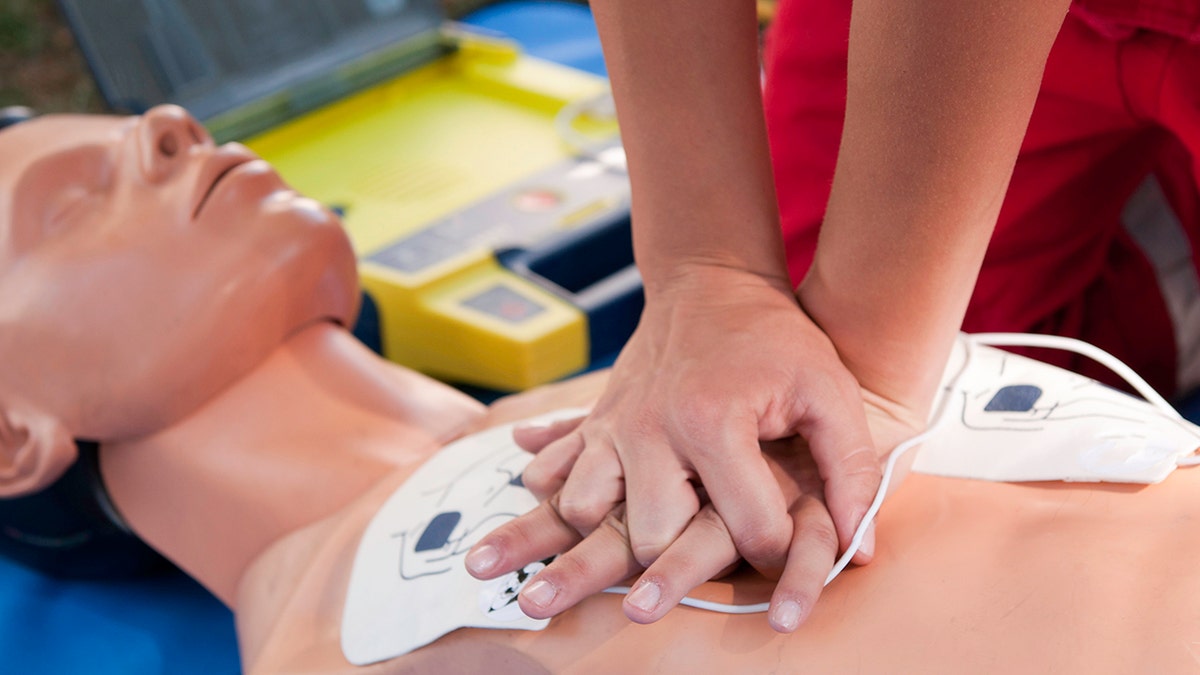
To increase chances of survival, a cardiologist recommends immediate CPR and defibrillation with an AED to restore electrical activity, heart muscle contraction and a viable pulse. (iStock)

To increase chances of survival, Dohadwala recommends immediate CPR (chest compressions) and defibrillation with an AED to restore electrical activity, heart muscle contraction and a viable pulse.

“This can improve the survival and overall outcomes significantly when compared with people suffering SCA receiving more delayed CPR from EMS personnel,” he said.

“Despite the many advances in the treatment of heart disease, the outcome and survival of patients suffering SCA remain poor.”

Dohadwala also recommends an implantable cardioverter-defibrillator, like the one Winston has, to prevent the recurrence of another potentially deadly event.

For patients who have one or more coronary artery blockages, treatment may also include an angioplasty, placing of stents or a surgical coronary artery bypass, he said.

Cheryl Winston split

(“It’s important for women to advocate for not only their heart health, but their health in general,” Winston said. “You know your body best, so if something feels wrong, go to your doctor to get checked.”)

Winston echoed the importance of people learning to perform CPR.

“It saved my life,” she said. “Fewer women receive bystander CPR, which needs to be administered quickly in a case of sudden cardiac arrest.”

CLICK HERE TO SIGN UP FOR OUR HEALTH NEWSLETTER

She also emphasized that patients — women in particular — need to be their own medical advocates.

“It’s important for women to advocate for not only their heart health, but their health in general,” she said. “You know your body best, so if something feels wrong, go to your doctor to get checked.”

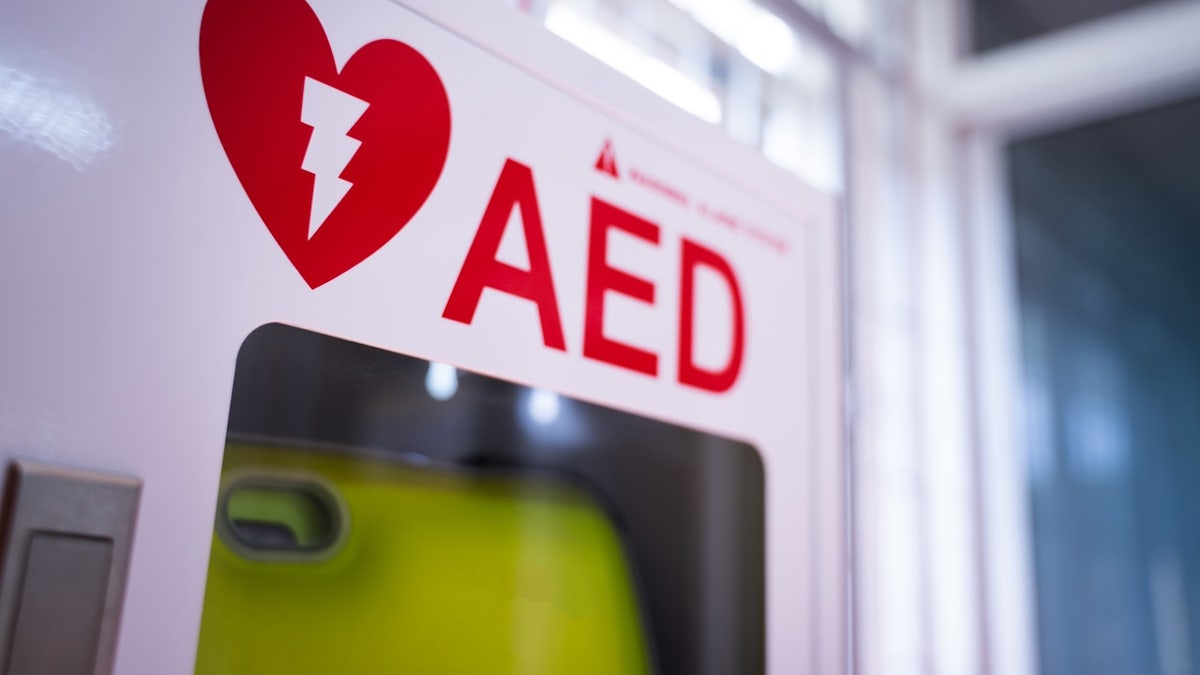
AED defibrillator

An automated external defibrillator (AED) in a white box is an emergency defibrillator for people in cardiac arrest. (iStock)

Dohadwala noted that adjustments in medications and healthy lifestyle choices can help reduce SCA risk. 

“It is possible that a heart-healthy lifestyle leading to controlled blood pressure, blood sugar and cholesterol levels through a thoughtful and discretionary diet, increasing regular physical activity, intentional weight loss, and stopping cigarette smoking might reduce SCA events,” he said.

CLICK HERE TO GET THE FOX NEWS APP

For those with a family history, genetic screenings might be an option. 

“The more awareness and knowledge we have about our health history, the better chance we have of avoiding problems like SCA in the future,” Dohadwala added.

For more Health articles, visit www.foxnews/health.

Oil pulling, cold plunging and more strange health trends that have gone viral

0
Oil pulling, cold plunging and more strange health trends that have gone viral

When it comes to health and wellness, trends can get strange. 

Many wacky wellness trends gain popularity when celebrities endorse them.  

When it comes to health trends, you should always be mindful of your own body. 

10 FUNCTIONAL HEALTH PREDICTIONS FOR 2024, ACCORDING TO A DOCTOR AND WELLNESS EXPERT

Even if a certain method works wonders for someone else, it may not provide the same results for you. 

One strange health trend is applying toothpaste to pimples. This is one that doesn’t hold much truth.   (iStock)

Below are five untraditional health trends that are still popular today. 

  1. Oil pulling
  2. Cupping
  3. Using toothpaste for curing acne
  4. Eating placenta
  5. Taking the cold plunge

1. Oil pulling 

Oil pulling is the practice of swishing oil — such as sesame oil or coconut oil — around the mouth, similar to how you would with mouthwash, for several minutes. 

Many have given this method a try to kill harmful bacteria in the mouth and reduce bad breath, according to Medical News Today. The outlet notes that teeth whitening, a common reason many try oil pulling, is not a benefit that research can support. 

One of the biggest things to overcome with oil pulling is the texture of the oil and the length of time you need to swish it around your mouth. 

6 SURPRISINGLY SIMPLE WAYS TO KEEP YOURSELF HEALTHY (HINT: SLEEP IS INVOLVED)

It’s recommended by many sources to do this for 15-20 minutes every day.

2. Cupping

Cupping therapy is when cups are placed on the skin to create a suction, with potential benefits of improving blood flow, boosting immune function, removing toxins and reducing pain, according to Healthline. 

Although cupping looks painful, with skin reddening underneath each cup, many think of it as a form of massage. 

Michael Phelps swimming

Michael Phelps took advantage of cupping during the Olympic Games.  (Amin Mohammad Jamali/Getty Images)

Celebrities including Lady Gaga, Lena Dunham and Michael Phelps have jumped on the cupping bandwagon.

Be mindful of when you get cupping done. 

Try to avoid doing it before a big event because it will leave marks. 

3. Using toothpaste for curing acne

Some celebrities, including Kendall Jenner and Jennifer Love Hewitt, have tried an old teenage trick of using toothpaste to clear up a pimple.

It may cause more harm than good. Putting toothpaste on a pimple is essentially going to dry it up.

It could end up leaving the skin red and irritated, making the pimple worse than before you applied the toothpaste, according to Verywell Health. 
THESE ARE THE WORST DENTAL MISTAKES YOU CAN MAKE FOR YOUR TEETH

So, it’s probably best to leave the toothpaste on the toothbrush and off your pesky pimples. 
4. Eating placenta 

After childbirth, some moms consume the placenta for health benefits, such as preventing postpartum depression and reducing bleeding, according to the Mayo Clinic. 

That said, a number of sources, including WebMD, note that the many positive claims that come with eating a placenta haven’t been fully tested, so there is no proof about the claims. 

5. Taking the cold plunge 

If you have any form of social media, you have most likely seen someone dunk themselves into a frigid tub of water in the middle of winter. 

CLICK HERE TO SIGN UP FOR OUR LIFESTYLE NEWSLETTER

Many who do the cold plunge take it seriously and submerge themselves in frigid water, no matter how chilly the air is around them. 

Oil pulling, cold plunging and more strange health trends that have gone viral

Forget cold showers. Many have taken it to the next level with a cold plunge.  (Kerem Yucel/AFP via Getty Images)

Cold plunging can be done in the wilderness or at home with an outdoor tub. 

Starting out with an at-home tub isn’t a bad idea, as it’s a more controlled environment. 

If you are going to give this trend a go, you don’t have to be in the water for too long. You actually shouldn’t be, with frostbite and hypothermia as potential risks. 

The Mayo Clinic Health System notes that most people start out with just 30 seconds in the water and work their way up to five to 10 minutes at a time. 

CLICK HERE TO GET THE FOX NEWS APP 

There haven’t been many studies done of cold plunging, but increased mood, sport recovery and decreased feelings of stress have been commonly noted as potential benefits. 

It’s best to check with your doctor or health care provider before you undertake this. 

Stephanie Bucklin contributed reporting. 

For more Lifestyle articles, visit www.foxnews.com/lifestyle.