9.7 C
New York
Sunday, April 19, 2026
Home Blog Page 69

WhatsApp data leak exposes 3.5 billion phone numbers via API flaw

0


NEWYou can now listen to Fox News articles!

Most major platforms have dealt with large-scale data leaks tied to weak or unprotected APIs. You’ve seen this play out with Facebook, X and even Dell.

The pattern is always the same. A feature meant to make life easier becomes a gateway for bulk data collection.

WhatsApp is now part of that list after researchers managed to scrape 3.5 billion phone numbers by exploiting a simple gap in the app’s contact-discovery system.

Sign up for my FREE CyberGuy Report 
Get my best tech tips, urgent security alerts and exclusive deals delivered straight to your inbox. Plus, you’ll get instant access to my Ultimate Scam Survival Guide — free when you join my CYBERGUY.COM newsletter.   

How the researchers scraped 3.5B WhatsApp numbers

WHATSAPP BANS 6.8M SCAM ACCOUNTS, LAUNCHES SAFETY TOOL

A person holds a smartphone displaying the WhatsApp app

Researchers discovered that weak API limits made it possible to scrape billions of WhatsApp numbers. (Getty Images)

As reported by Bleeping Computer, the entire incident started with WhatsApp’s GetDeviceList API. This is the endpoint the app uses when you add a number to your contacts. It tells WhatsApp to check if that number has an account and what devices are linked to it. The problem was that the API had no meaningful rate limiting. In simple terms, the system didn’t slow down or block repeated requests, which opened the door for mass enumeration.

Researchers from the University of Vienna and SBA Research decided to test how far they could push this. Using only five authenticated sessions and a single university server, they started hammering WhatsApp’s servers with queries. They expected to get blocked fast, but WhatsApp didn’t react at all.

That’s how they were able to check more than 100 million phone numbers per hour. After generating a global pool of 63 billion possible mobile numbers, they ran the list through the API and confirmed 3.5 billion active WhatsApp accounts.

Researchers managed to scrape more than just phone numbers

The researchers didn’t stop at confirming account existence. They used other WhatsApp endpoints like GetUserInfo, GetPrekeys and FetchPicture to pull more details. This included profile photos, “about” text, device information and public keys. A test run in the United States alone downloaded 77 million profile photos without hitting any limits, many with clear images of people’s faces. Public “about” sections often revealed personal info or links to other profiles. When compared to Facebook’s 2021 scrape, they found that 58% of leaked Facebook numbers were still active on WhatsApp years later. That’s what makes phone-number leaks so damaging. They stay useful to attackers long after the initial breach.

RUSSIAN LAWMAKERS CLAIM WHATSAPP IS A NATIONAL SECURITY THREAT, SHOULD PREPARE TO LEAVE THE COUNTRY

It’s important to note that this study was done by researchers who haven’t released the data. They also reported the issue to WhatsApp. The company has since added rate-limiting protections to prevent similar abuse from happening again. Still, the findings show how easily threat actors could have done the same thing if they had found the loophole first.

Why this keeps happening across major platforms

Weak or nonexistent API rate limits have caused several major data leaks in recent years, and WhatsApp isn’t the only example. In 2021, attackers abused Facebook’s “Add Friend” feature by uploading contact lists and checking which numbers matched active accounts. The API lacked proper safeguards, so they scraped 533 million profiles. Meta later confirmed the incident as automated scraping, and the Irish DPC fined the company €265 million.

Twitter had a similar problem when attackers used an API bug to match phone numbers and email addresses to 54 million accounts. Dell also reported that 49 million customer records were scraped after attackers took advantage of an unprotected API endpoint.

All of these cases share the same root cause. APIs that allow account lookups or data queries end up being easy to attack when they don’t limit how often someone can access them. One unchecked feature can turn into a pipeline for mass data collection.

7 steps you can take to keep your WhatsApp data safe

If your phone number ends up in one of these massive scrapes, you can’t pull it back, but you can make sure it’s far less useful to anyone trying to target you. Here are a few steps that help you stay safer.

1) Use two-factor authentication

Turn on 2FA for WhatsApp and every other important account. Even if someone has your number, they can’t break in without that second verification step. It also protects you from SIM-swap attempts since thieves can’t access your accounts with just a password.

Woman texts on smartphone

A simple automated script pulled phone data at a massive scale without triggering alerts. (eyecrave productions/Getty Images)

2) Use a password manager

A password manager keeps every login unique. If attackers try to pair your scraped number with credential-stuffing attacks, reused passwords won’t give them an easy win. Strong, random passwords shut down a whole category of automated attacks.

Next, see if your email has been exposed in past breaches. Our No. 1 password manager pick includes a built-in breach scanner that checks whether your email address or passwords have appeared in known leaks. If you discover a match, immediately change any reused passwords and secure those accounts with new, unique credentials.

Check out the best expert-reviewed password managers of 2025 at Cyberguy.com.

3) Remove your data from public databases

Opt out of data brokers and people-search sites when you can. The less public information attackers can tie to your number, the harder it is for them to craft convincing phishing messages or identity-based scams.

While no service can guarantee the complete removal of your data from the internet, a data removal service is really a smart choice. They aren’t cheap, and neither is your privacy. These services do all the work for you by actively monitoring and systematically erasing your personal information from hundreds of websites. It’s what gives me peace of mind and has proven to be the most effective way to erase your personal data from the internet. By limiting the information available, you reduce the risk of scammers cross-referencing data from breaches with information they might find on the dark web, making it harder for them to target you.

IS YOUR FRIEND’S PHONE NUMBER COMPROMISED? HERE’S WHAT TO LOOK FOR

Check out my top picks for data removal services and get a free scan to find out if your personal information is already out on the web by visiting Cyberguy.com.

Get a free scan to find out if your personal information is already out on the web: Cyberguy.com.

4) Limit what you share in profile bios

Keep your WhatsApp “about” text minimal. Avoid details like job titles, hometowns, or links to other accounts. Scraped phone numbers often get paired with publicly visible bios to build fuller profiles for scams.

5) Tighten your privacy settings

Adjust who can see your profile photo, last-seen and status. Setting these to “Contacts only” or “Nobody” prevents strangers from pulling more personal info once they have your number. To tighten your privacy settings on WhatsApp on iPhone or Android, follow these steps:

  • Open WhatsApp on your phone on your phone.
  • Go to Settings: On iPhone, tap the “Settings” gear icon at the bottom right. On Android, tap the three vertical dots in the top-right corner, then select “Settings.”
  • Tap “Account.”
  • Tap “Privacy.”
  • Adjust the privacy options below to control who can see your personal info:
  • Last Seen & Online: Tap “Last Seen & Online” and choose “My Contacts” or “Nobody” to restrict who sees your last active status.
  • Profile Photo: Tap “Profile Photo” and select “My Contacts” or “Nobody” to prevent strangers from viewing your profile picture.
  • About: Tap “About” and pick “My Contacts” or “Nobody” to limit who can see your About info.
  • Status: Tap “Status,” then select “My Contacts,” “My Contacts Except…,” or “Only Share With…” to control who can view your status updates.

These changes prevent people not in your contacts or strangers from pulling personal details from your WhatsApp profile, enhancing your privacy effectively on either iPhone or Android devices.

A low angle photos showing an iPhone screen with the phone and Whatsapp icons visible

Because the system lacked proper rate-limiting, the scraping continued undetected for months. (Kurt Knutsson)

6) Install strong antivirus software

A lot of phishing and malware campaigns start with scraped numbers. Strong antivirus software can block malicious links, detect harmful downloads and warn you when something looks suspicious.

The best way to safeguard yourself from malicious links that install malware, potentially accessing your private information, is to have strong antivirus software installed on all your devices. This protection can also alert you to phishing emails and ransomware scams, keeping your personal information and digital assets safe.

Get my picks for the best 2025 antivirus protection winners for your Windows, Mac, Android and iOS devices at Cyberguy.com.

7) Be cautious with unknown calls and messages

Treat unexpected messages with more suspicion. Don’t click links, don’t share OTPs, and don’t respond to anyone asking for verification codes. Once numbers are scraped, scammers ramp up spam and impersonation attempts.

Kurt’s key takeaway

WhatsApp might have fixed the issue, but the bigger problem is still out there. Any platform that exposes an API without proper rate limits is leaving a window open for someone with the right tools and enough time. This scrape shows you how quickly that window can turn into a firehose of personal data. Until API security becomes a priority across the board, you’ll keep seeing leaks like this repeat on bigger and bigger scales.

Do you think apps should be legally required to enforce strict API limits? Let us know by writing to us at Cyberguy.com.

CLICK HERE TO DOWNLOAD THE FOX NEWS APP

Sign up for my FREE CyberGuy Report 
Get my best tech tips, urgent security alerts and exclusive deals delivered straight to your inbox. Plus, you’ll get instant access to my Ultimate Scam Survival Guide — free when you join my CYBERGUY.COM newsletter. 

Copyright 2025 CyberGuy.com.  All rights reserved.


Source link

Nancy Mace dispels rumor she may retire early from Congress

0
Nancy Mace dispels rumor she may retire early from Congress

NEWYou can now listen to Fox News articles!

Republican Rep. Nancy Mace of South Carolina, who is currently running for governor, slapped down the idea that she might retire from Congress early.

“Retiring is a BIG FAT NO from me – not sure why the internet is running with this like wildfire – for the clicks I suppose,” Mace said in a post on X.

The New York Times reported that Mace told individuals that she is so frustrated by House Speaker Mike Johnson and sick of the manner in which he has run the lower chamber, particularly the treatment of women there, that she plans to speak to Rep. Marjorie Taylor Greene, R-Ga., next week about following her path and leaving the House early. 

MACE CAMPAIGN STAFFER QUITS GOVERNOR BID TEAM, ACCUSING HER OF DISLOYALTY TO TRUMP

Rep. Nancy Mace, R-S.C., leaves the U.S. Capitol after the House reauthorized Section 702 of the Foreign Intelligence Surveillance Act (FISA) on Friday, April 12, 2024. (Tom Williams/CQ-Roll Call, Inc via Getty Images)

Fox News Digital reached out to House Speaker Mike Johnson’s offices to request comment from the lawmaker.

Greene announced last month that she will leave office early next year, but Mace has repudiated the notion that she plans to follow in the Georgia Republican’s footsteps.

JOHNSON POINTS TO OBAMA-ERA DRONE PRECEDENT AS CONGRESS PROBES DEADLY CARIBBEAN STRIKE

House Speaker Mike Johnson

House Speaker Mike Johnson, R-La., during an announcement on “Trump Accounts” for children in the Roosevelt Room of the White House in Washington, D.C., on Tuesday, Dec. 2, 2025 (Yuri Gripas/CNP/Bloomberg via Getty Images)

“Media catches one tiny piece of an overheard conversation and loses it. Confirmed: There’s frustration that discharge petitions are the only way to move things through the House. Confirmed: There’s frustration we haven’t codified Trump’s Executive Orders. We did Gulf of America. Cool. Look at Elise Stefanik or Anna Paulina Luna comments this week. Not confirmed: That anyone is retiring. Goodness. And God bless!” she said in posts on X.

HOUSE REPUBLICAN MOVES TO FORCE VOTE ON LAWMAKER STOCK OWNERSHIP, TRADING BAN

CLICK HERE TO GET THE FOX NEWS APP

“Case in point. I signed a discharge petition to ban stock trading today. Why does something so easy ethically and morally to support, take forcing it down the throats of leadership when it’s just common sense? Members of Congress shouldn’t line their pockets with insider trading…” Mace said in posts on X.

Archaeologists find 9,000-year-old tools while searching for castle

0
Archaeologists find 9,000-year-old tools while searching for castle

NEWYou can now listen to Fox News articles!

Archaeologists in Northern Ireland went out seeking a 400-year-old castle — and ended up finding things that are much older, thanks to the little kids working with them.

In an October statement, Queen’s University Belfast (QUB) said that its archaeologists conducted a two-week excavation to uncover Derrygonnelly Castle in Fermanagh. 

Nearly 250 schoolchildren — some from a girls Lego construction team — and 35 adult volunteers helped search for the once-magnificent structure that has eluded archaeologists so far.

WARRIORS FOUND STACKED IN ANCIENT WELL REVEAL VIOLENT TALE OF BATTLEFIELD DEFEAT: ARCHAEOLOGISTS

Built in the 17th century, Derrygonnelly Castle was abandoned by the 1800s. QUB professor Eileen Murphy told Fox News Digital the structure “was erased from the landscape” and largely forgotten.

During the dig, students found numerous artifacts from the 19th century, including clay pipe fragments, a possible half-penny from the Glorious Revolution and a 17th-century ditch built to protect the castle while it was being built.

Both volunteers and schoolchildren joined archaeologists in a two-week effort to uncover Derrygonnelly Castle’s long-lost traces. (Community Archaeology Programme Northern Ireland)

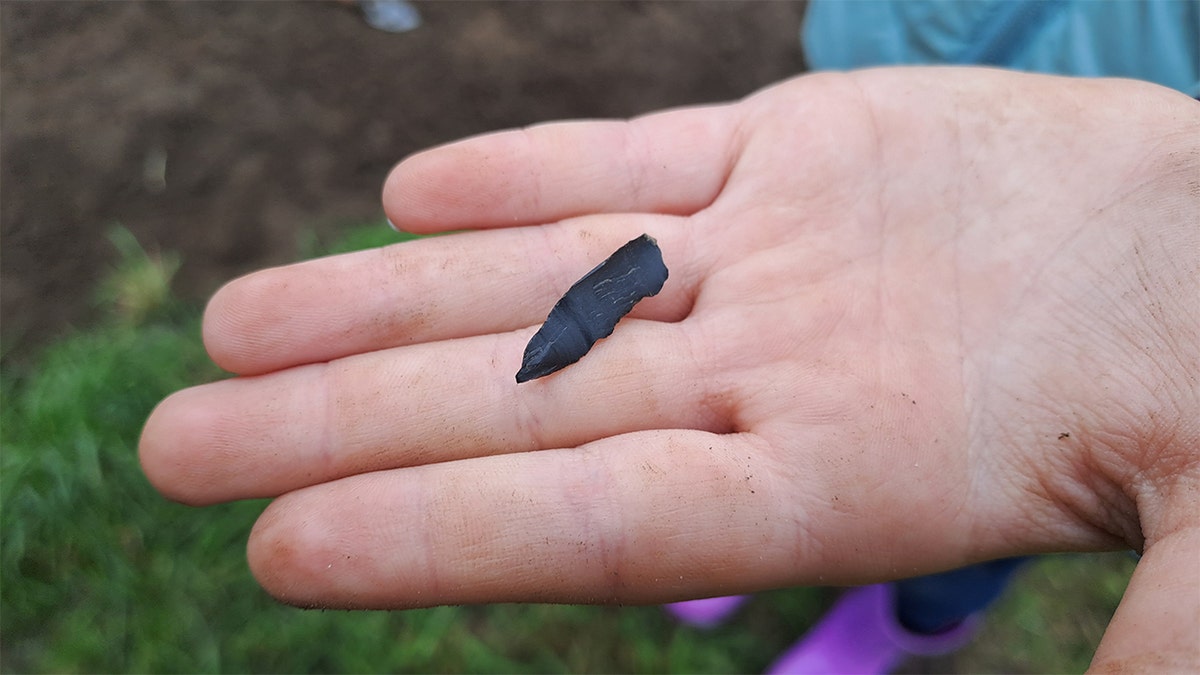
But the most surprising findings were the oldest. These were flint and chert tools from the Early Mesolithic era, over 9,000 years ago.

“The nature of these tells us that these hunter-gatherer people were actually living at this location and probably had a seasonal camp there,” the professor said.

CLICK HERE TO SIGN UP FOR OUR LIFESTYLE NEWSLETTER

Murphy described the finds as “hugely exciting and unexpected.”

She added, “These are the first Early Mesolithic remains to have been found in County Fermanagh to date.”

Hand holding small artifact found at castle sit

The excavation revealed flint and chert tools more than 9,000 years old, such as the one above — surprising even veteran archaeologists on site. (Community Archaeology Programme Northern Ireland)

“To add to the excitement, we also found evidence of a prehistoric round house,” she added.

“We can date this to the Early Bronze Age period, around 4,000 years ago, because we found a large fragment of diagnostic pottery at the base of one of the post-holes of the house.”

CLICK HERE FOR MORE LIFESTYLE STORIES

Given that the 17th-century artifacts appear to be high-status items — including the stem of a wine goblet and imported pottery from England — Murphy believes many of them were associated with the castle.

Historical accounts of the castle show that it had a “pretty garden,” an orchard filled with fruit trees and a grand three-story tower.

Archaeologists digging at site of former castle

The discovery of a defensive 17th-century ditch offered fresh insight into how the original builders protected the castle. (Community Archaeology Programme Northern Ireland)

“It was fantastic that the volunteers found so many artifacts,” said Murphy.

TEST YOURSELF WITH OUR LATEST LIFESTYLE QUIZ

“This is an indication that the castle complex would have been a bustling place in its heyday, since it left so many material remains for us to discover.”

Murphy also credited the Community Archaeology Programme Northern Ireland (CAPNI), a National Lottery Heritage Fund initiative, for making the excavation possible.

Split image of young boys digging, children standing at excavation site

“It was fantastic that the volunteers found so many artifacts,” said a professor. (Community Archaeology Programme Northern Ireland)

“It helped give the local people a sense of pride in their landscape.”

She added that she hoped the children involved “will remember this feeling, and appreciate and care for the monuments they encounter, potentially on their own land, in the future.”

CLICK HERE TO GET THE FOX NEWS APP

“There was a great sense of camaraderie [during] the excavation, and it seems to have been a positive experience that will have enhanced the overall well-being of those involved.”

Dolly Parton launches Tennessee travel stops with new entertainment elements

0
Dolly Parton launches Tennessee travel stops with new entertainment elements

NEWYou can now listen to Fox News articles!

The queen of country music is bringing her Southern hospitality to Tennessee highways in an effort to make travel more enjoyable.

Dolly Parton announced the roll-out of Dolly’s Tennessean Travel Stops. The rest-stop areas will feature new and reimagined entertainment elements.

“I have spent the bulk of my life on the road, and more specifically on a bus,” said Parton in a press release.

AMERICA’S 15 BEST GAS STATIONS FOR FOOD, ACCORDING TO ONLINE REVIEWS

“All the years spent visiting greasy spoon cafés, truck stops and roadside pit stops have given me an understanding of what travelers desire on the road,” she also said. 

Following her first charting single in 1967, Parton has won 11 Emmy Awards throughout her 60 years in the music industry, taking her across America to perform.

After years spent traveling on the road, Dolly Parton has announced the openings of new travel stops in Tennessee. (Dolly Parton/X)

“Whether you are driving a truck, a bus or a car, you want a place that feels like home and recharges you for the rest of your journey,” she also said. “I believe we will fill a void out there on the highways, all while bringing the heart and soul of Tennessee.”

Parton has partnered with the Tennessean Travel Stop brand to relaunch their flagship stop in Cornersville, Tennessee, with additional locations to be announced next year.

FOOD SOLD AT GAS STATION EXPLODES INTO HEALTH-FOCUSED RESTAURANT CHAIN

The Smoky Mountains native will bring her own style to the rest stops, hoping to appeal to all of those on the roads — families, commuters, truck drivers and road trippers.

In 2019, drivers covered 227,102 miles daily on Tennessee’s rural and urban roads, according to the state government website.

A woman is waving her hand as she sits in the backseat of a car with a man sitting next to her.

Parton’s years spent visiting cafés and truck stops have given her a deep understanding of what travelers need and desire while on the road. (Vinnie Zuffante / Stringer)

“The Tennessean has long been a ‘home away from home’ for truck drivers, travelers and locals alike. Our roots in this community run deep — we’ve created jobs, built connections and welcomed generations of people through our doors,” said Gregory Sachs, chairman and CEO of the Tennessean Travel Stop and Sachs Capital Group. 

He added, “This new partnership allows us to carry that legacy forward in a way that celebrates everything special about Tennessee.”

TEST YOURSELF WITH OUR LATEST LIFESTYLE QUIZ

Between 2000 and 2016, vehicle travel in Tennessee increased from about 65.7 billion miles per year to 77.7 billion miles per year, according to national transportation research nonprofit TRIP.

Parton hopes the upgraded rest stops bring jobs to Tennessean communities and highlight those that are underserved.

A woman is sitting in her car with a leopard steering wheel, all dressed up with makeup on.

With drivers logging more than 227,000 miles a day in Tennessee, the partnership for Parton aims to better support travelers on the road. (Dolly Parton/X)

Her long-time manager, Danny Nozell, said in a press release he hopes the stop recharges people’s spirits.

CLICK HERE TO GET THE FOX NEWS APP

“This project reflects Dolly’s love for her home state and her commitment to supporting local business, community and the travelers who keep America moving,” said Nozell.

CLICK HERE FOR MORE LIFESTYLE STORIES

While renovations to bring “modern amenities, curated dining and authentic regional retail” spaces are underway at the Cornersville stop, it will remain open.

Scammers target holiday travelers using leaked travel data from companies

0


NEWYou can now listen to Fox News articles!

Holiday travel is stressful enough with crowded airports, expensive flights and last-minute itinerary changes. But there’s a hidden part of the travel industry most people don’t know about: your personal data is being harvested, packaged and sold every time you book a flight, reserve a hotel room or check a travel app.

Whether you’re traveling for a Christmas break or booking early for New Year’s, the companies you trust with your most sensitive details—full name, home address, passport info, travel dates and device data—are sharing and selling far more than you think.

And during the holiday rush, that data becomes a goldmine for scammers.

Let’s unpack how this works, which companies collect the most and what you can do before you travel to keep your personal information out of the wrong hands.

Sign up for my FREE CyberGuy Report
Get my best tech tips, urgent security alerts, and exclusive deals delivered straight to your inbox. Plus, you’ll get instant access to my Ultimate Scam Survival Guide — free when you join my CYBERGUY.COM newsletter.

PROTECT YOUR DATA BEFORE HOLIDAY SHOPPING SCAMS STRIKE

Suitcases in an airport terminal with a plane taking off through the window.

Holiday travel brings more than stress because every booking and check-in quietly generates personal data you may not realize you are giving away. (iStock)

Why holiday travel puts your data at risk

The holiday season is the peak period for travel-related data collection. Airlines, hotels, booking platforms, loyalty programs and travel apps all experience massive traffic spikes—millions of Americans are searching for deals, comparing prices, checking gate changes and re-booking delayed flights.

Every one of those actions creates trackable data points, including:

  • Email address
  • Phone number
  • Full name and DOB
  • Address history
  • Travel itineraries
  • Passport or ID data
  • Device fingerprint
  • IP address and location
  • Shopping habits and spending patterns.

You might assume this data stays with the airline or hotel. It doesn’t.

Most companies share it with advertisers, analytics firms, data brokers and dozens of unnamed “partners.” Some even use your data to profile you—how often you travel, how much you’ll likely spend and whether you’re a “high-value” target.

That information can easily leak into scammer databases, which is why holiday travelers suddenly see:

  • Fake “your flight is canceled” texts
  • Phishing emails that look identical to hotel confirmations
  • Bogus baggage fee requests
  • Fake TSA PreCheck renewal notices
  • “Urgent re-verification required” messages.

Scammers rely on the fact that you’re stressed, rushing and expecting travel updates. And because they already have your personal data, their attacks are frighteningly convincing.

STOP FOREIGN-OWNED APPS FROM HARVESTING YOUR PERSONAL DATA

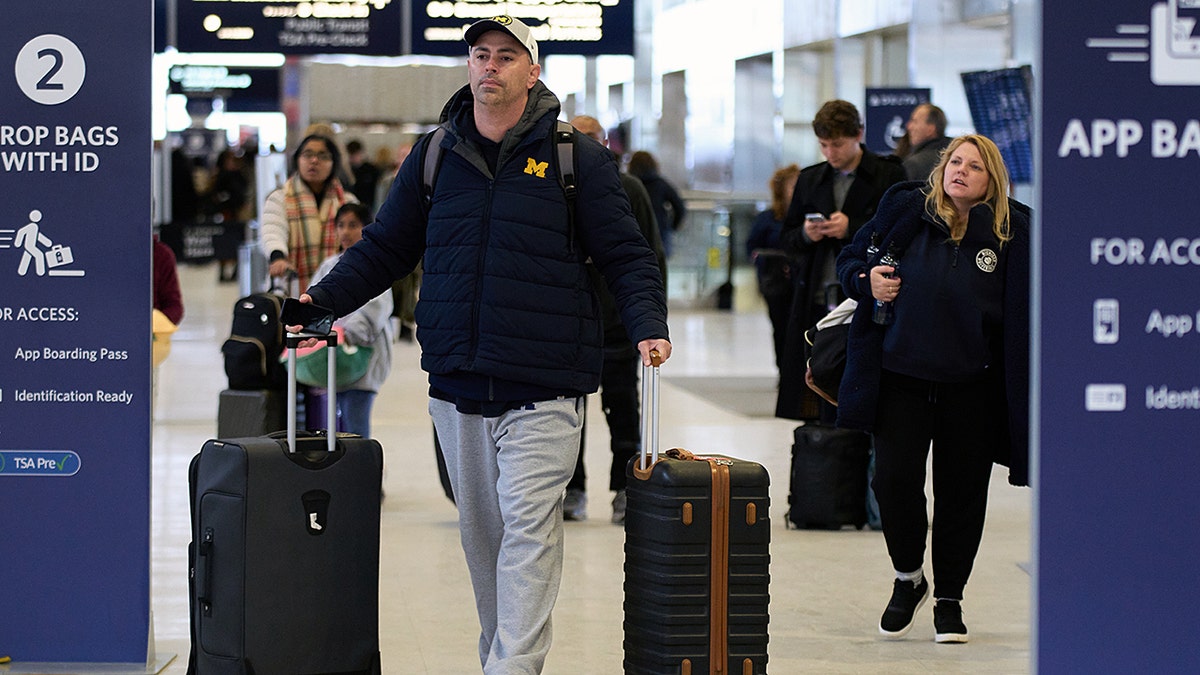
A man with suitcases at the airport

Airlines, hotels, apps and booking platforms collect far more information than most travelers know and that data often gets shared with advertisers and data brokers. (AP Photo/Ryan Sun)

Examples of what major travel companies collect

Here are real-world examples of how holiday travel platforms collect and share your data:

1) Airlines (Delta, American, United, Southwest)

Major U.S. airlines collect not just your name, phone number and email, but also travel companions, payment details, geolocation data, device data and loyalty-program activity.

They share this with:

  • “Marketing partners”
  • Analytics platforms
  • Third-party advertisers
  • Data-enrichment firms.

Many of these partners, over time, become part of the data broker ecosystem.

2) Booking platforms (Expedia, Booking.com, Hotels.com)

Each booking platform details what it collects in its privacy policy. Oftentimes, these sites track:

  • Search history
  • Price views
  • Device fingerprint
  • Click behavior
  • IP-based location
  • Payment attempts—even abandoned carts.

This is used to build profiles that determine what deals you’re shown and how aggressively you’re targeted.

3) Hotel chains (Marriott, Hilton, IHG)

Marriott’s privacy policy and other privacy statements list over 60 categories of data it collects. Some chains were caught sharing guest data with:

  • Ad networks
  • Social media platforms
  • Third-party “guest experience” tools
  • Affiliate networks
  • Data brokers for cross-device tracking.

Cybercriminals have been using the information of over 500 million Marriott guests, exposed during a four-year-long breach that started in 2014, to craft and execute travel-themed scams to this day.

4) Travel apps (Airbnb, Hopper, KAYAK, TripIt)

These are some of the most aggressive data collectors because they run nonstop on your phone. Many collect:

  • Real-time location
  • Contacts
  • Clipboard data
  • Behavioral analytics
  • Device ID
  • In-app browsing.

Some of these firms then “share information with partners for marketing enhancement,” which is typically code for data selling.

YOUR DISCARDED LUGGAGE TAGS ARE WORTH MONEY TO SCAMMERS

Close-up of a woman walking outside airport with a rolling suitcase.

Scammers use leaked travel details to send fake flight alerts, hotel messages and urgent payment notices that look real because they already have your personal information. (iStock)

How scammers use your travel data

Once your information enters the ecosystem, scammers build travel-themed attacks designed to hit you at the worst possible time. Some common examples include:

  • Fake airline notifications: (e.g., “Your flight has been canceled, click here to rebook”)
  • Urgent hotel “payment failure” emails: Scammers use leaked address and booking data to send emails that look exactly like they’re from the Hilton or Marriott
  • Fake baggage fees: (e.g., “Pay $24.90 to release your checked bag”)
  • TSA and Global Entry renewal scams.

This isn’t guesswork. They already have your name, flight, hotel, location and travel dates—because the travel industry’s data partners sold or leaked them.

How to protect yourself before you travel

Here are my top steps to staying private this holiday season:

1) Check what data the travel companies already have

Hotels, airlines and booking sites all have data removal options—though they’re buried in their privacy settings.

2) Stop apps from tracking your location

Turn off location permissions for apps like:

  • Hopper
  • Airbnb
  • Expedia
  • HotelTonight.

Many track you even when not in use. Here’s how to do it for iPhone and Android:

On iPhone: Open Settings, tap Privacy & Security, then tap Location Services, scroll down to the app and tap each app, and set location access to “While Using the App” or “Never,” and turn off “Share My Location” if you don’t want them to see your exact spot.

On Android: Open Settings, tap Location, then choose App location permissions or App permissions, find the app and tap it, and change each one to “Allow only while using the app” or “Don’t allow” so they can’t track you in the background. (Settings may vary depending on your Android phone’s manufacturer.)

3) Remove your personal data from data broker sites

This is the most important step. Even if you stop airlines and hotels from collecting new data, your existing data is already circulating through dozens of data brokers, and that’s what scammers use to target travelers.

Data brokers hold:

  • Your travel patterns
  • Address history
  • Email and phone details
  • Income level
  • Household info
  • Your family members’ names.

You can manually request removal from hundreds of sites, but it takes months. That’s why I recommend a data removal service. While no service can guarantee the complete removal of your data from the internet, a data removal service is really a smart choice. They aren’t cheap, and neither is your privacy. These services do all the work for you by actively monitoring and systematically erasing your personal information from hundreds of websites. It’s what gives me peace of mind and has proven to be the most effective way to erase your personal data from the internet. By limiting the information available, you reduce the risk of scammers cross-referencing data from breaches with information they might find on the dark web, making it harder for them to target you.

Check out my top picks for data removal services and get a free scan to find out if your personal information is already out on the web by visiting Cyberguy.com

Get a free scan to find out if your personal information is already out on the web: Cyberguy.com

4) Use an email alias for bookings

An alias email reduces the amount of spam and phishing attempts you’ll receive. By creating email aliases, you can also protect your information. These aliases forward messages to your primary address, making it easier to manage incoming communications and avoid data breaches. 

For recommendations on private and secure email providers that offer alias addresses, visit Cyberguy.com

5) Avoid airport Wi-Fi for anything involving payments

Scammers often run fake hotspots. So, avoid airport public Wi-Fi when accessing financial information.

CLICK HERE TO DOWNLOAD THE FOX NEWS APP

Kurt’s key takeaways

The holiday season is here, and many of us are getting ready to travel to see family and friends. As travel picks up, personal data collection and sharing also increases. Airlines, hotels and travel apps often share your information with unknown third parties, which scammers can use to target you during your trip. Before you pack your bags, take a few minutes to remove your personal data from online brokers. Doing this helps protect your identity and lets you travel with peace of mind.

How do you protect your personal information when you travel during the holidays? Let us know by writing to us at Cyberguy.com

Sign up for my FREE CyberGuy Report
Get my best tech tips, urgent security alerts, and exclusive deals delivered straight to your inbox. Plus, you’ll get instant access to my Ultimate Scam Survival Guide — free when you join my CYBERGUY.COM newsletter.

Copyright 2025 CyberGuy.com.  All rights reserved.



Source link

Las Vegas tourist scores huge holiday jackpot win with a $25 bet

0
Las Vegas tourist scores huge holiday jackpot win with a $25 bet

NEWYou can now listen to Fox News articles!

One tourist has a lot to be grateful for this holiday season after scoring big while playing the slots on the Las Vegas Strip.

On Thursday, Nov. 27, a visitor was playing the Dragon Link slot machine at the Fontainebleau Las Vegas resort and casino.

The guest placed a $25 bet on the high-limit game — winning a huge amount of over $1,152,000, according to KSNV News 3.

‘IT’S NUTS’: SKY-HIGH LAS VEGAS PRICES STUN VISITORS AS TRAVEL PRO GIVES TIPS TO FIGHT BACK

The lucky winner has chosen to remain anonymous. 

Vegas tourism has continued to decline, with just over 3 million visitors in September, an 8.8% decrease from the same time last year, according to the Las Vegas Convention and Visitors Authority (LVCA).

An anonymous visitor struck it rich at a Las Vegas resort, turning a $25 wager into a jackpot exceeding $1,152,000 on Thanksgiving Day. (George Rose/Getty Images)

Despite the lower visitor numbers, gaming revenue on the Strip has increased by 5.5%, according to KSNV.

The downtown area has seen a gaming revenue rise of over 8%.

CLICK HERE TO SIGN UP FOR OUR LIFESTYLE NEWSLETTER

Fox News Digital spoke with tourists this fall for thoughts about the decline in Sin City visitors. Many pointed to the area’s high prices.

bellagio casino las vegas gambler empty

Despite the lower visitor numbers, gaming revenue on the Las Vegas Strip has increased by 5.5%. (Ashley J. DiMella/Fox News Digital)

One couple from the United Kingdom said they had taken a road trip across the U.S. and were just finishing up their trip in Vegas.

“We found it a bit more expensive than other places we’ve been in the States,” noted the husband, Ben. 

The couple spent “$20 for two coffees this morning,” he said. “I thought that was quite a lot.”

CLICK HERE FOR MORE LIFESTYLE STORIES

Katherine from College Station, Texas, along with her daughter, Cammie, were celebrating the teen’s 16th birthday in Vegas when Fox News Digital caught up with them.

“Having a coffee that was $14 was crazy,” said Katherine. “I just wasn’t expecting that. It was just a latte with a few extra flavors,” she added. 

LAS VEGAS LOCALS

Many visitors believe high prices are to blame for the decline in Las Vegas tourism. (Ashley J. DiMella/Fox News Digital)

“I got a drink this morning. It was like $12 for a lemonade or something like that,” said Cammie. “And water bottles are so expensive.”

A father joined his son’s 21st birthday trip, saying they paid $25 at the pool for a gin and tonic and $13 for a cup of coffee. 

CLICK HERE TO GET THE FOX NEWS APP 

One of the younger men on the trip also said he had heard about a $95 ATM fee on the Strip, which surprised him. 

Xpeng cuts open humanoid robot to prove it’s real after viral doubt

0


NEWYou can now listen to Fox News articles!

When Xpeng unveiled its Next Gen Iron humanoid recently, the robot glided across the stage with movement so fluid that the crowd froze. Many viewers thought they saw an actor in a suit. Clips spread online within hours, and people everywhere claimed the same thing: it looked too human to be a machine.

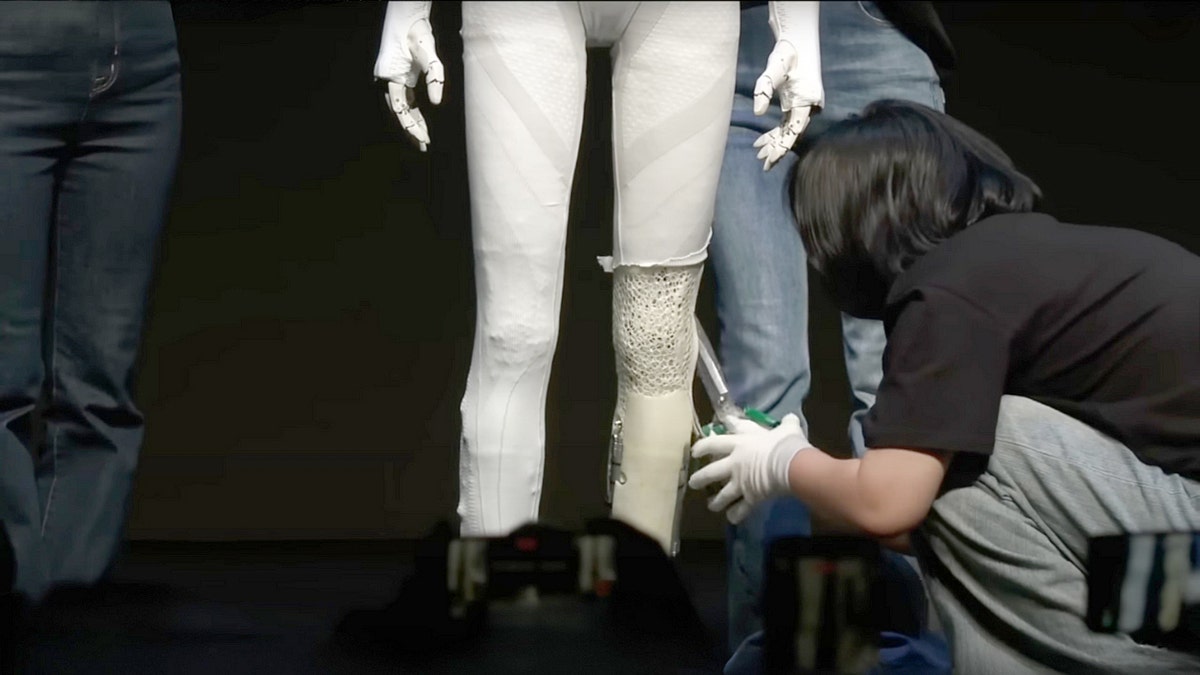
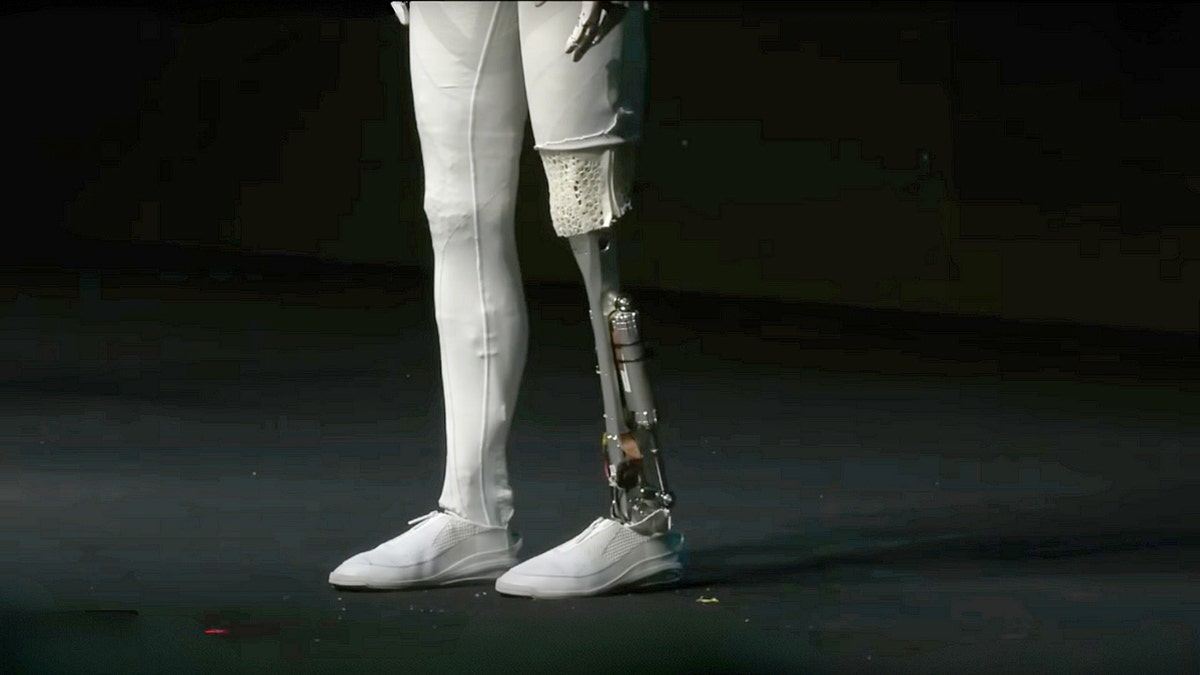
The reaction spread fast, so Xpeng’s CEO He Xiaopeng returned to the stage one day later with a plan to settle the argument. He cut into Iron’s leg to show its internal machinery. It felt theatrical but also necessary to end the rumor that a human controlled the robot from inside.

The demonstration showed Iron was a real machine with complex systems beneath its flexible skin.

Sign up for my FREE CyberGuy Report
Get my best tech tips, urgent security alerts, and exclusive deals delivered straight to your inbox. Plus, you’ll get instant access to my Ultimate Scam Survival Guide — free when you join my CYBERGUY.COM newsletter.

ELON MUSK TEASES A FUTURE RUN BY ROBOTS

Xpeng CEO He Xiaopeng on stage in front of a robot slide

Iron’s debut stunned the crowd as the humanoid bot walked with movement so natural that many viewers thought there was a real person inside. (Xpeng)

Inside the next-gen iron humanoid

He shared how his robotics team stayed awake through the night, seeing viewers accuse them of staging a stunt. After the reveal, Iron walked again in front of the crowd without a human inside. The moment closed the debate and highlighted how far the company has come since its first model in 2024.

The latest Iron uses a humanoid spine with bionic muscles and flexible skin. It moves with 82 degrees of freedom, and its human-sized hands include 22 degrees of freedom supported by a tiny harmonic joint engineered by the company. The robot runs on all solid-state batteries that keep the body light and strong.

Iron also uses Xpeng’s second-generation VLA model. Three Turing chips with 2,250 TOPS of power support tasks like conversations, walking and natural interactions. It responds in ways that feel closer to a person than a robot.

Xpeng says future versions will offer different body shapes. That claim hints at customizable designs when these units reach consumers.

SMART FABRIC MUSCLES COULD CHANGE HOW WE MOVE

A person cutting open a robotic leg

To silence the rumors, the team cut open Iron’s leg onstage and revealed the machinery beneath its flexible skin. (Xpeng)

A step toward a future of humanoid robots

Xpeng’s long-term vision goes far beyond a single showcase moment. The company plans to place the Next Gen Iron model in real-world environments. Early units will focus on commercial roles such as tour guides, shopping guides and customer service helpers. These placements allow the robots to interact with large crowds, gather feedback and refine their behavior in dynamic public spaces.

This rollout forms part of what Xpeng describes as a gradual path toward mass production. The team aims to reach large-scale manufacturing by the end of 2026. That milestone could introduce hundreds or even thousands of humanoid units into select venues. Businesses may adopt them to manage foot traffic, assist guests or support basic retail tasks.

While the company talks openly about commercial integration, the timeline for home use remains unclear. They have not shared when consumers will be able to buy a version suited for daily household tasks. Engineers still need to address safety, privacy and reliability standards before a humanoid can operate inside private homes.

Even so, this moment signals a clear shift: robots that move and react in a lifelike way are no longer far-off ideas. They are stepping into public spaces where people will see them operate up close. This shift could reshape how we all view service work and personal assistance in the years ahead.

THE NEW ROBOT THAT COULD MAKE CHORES A THING OF THE PAST

A robot leg with exposed machinery

The exposed frame shows Iron’s bionic muscles, joints and wiring, giving a clear look at the advanced engineering that powers its lifelike movement. (Xpeng)

What this means for you

Humanoid robots are moving from concept to reality. You may soon see them in museums or stores. Their skills could speed up service and reduce wait times. These robots may also raise new questions about safety, privacy and comfort. Change happens fast, and this moment marks a major shift in how robots blend into daily life.

Take my quiz: How safe is your online security?

Think your devices and data are truly protected? Take this quick quiz to see where your digital habits stand. From passwords to Wi-Fi settings, you’ll get a personalized breakdown of what you’re doing right and what needs improvement. Take my Quiz here: Cyberguy.com 

CLICK HERE TO DOWNLOAD THE FOX NEWS APP

Kurt’s key takeaways

Xpeng wanted attention for its new humanoid, but received much more after people doubted what they saw. The dramatic reveal aimed to rebuild trust and show a future where robots can move and react with true precision. The next two years will shape how these machines enter real-world use.

Would you feel excited or uneasy walking up to a lifelike robot in a public place? Let us know by writing to us at Cyberguy.com

Sign up for my FREE CyberGuy Report
Get my best tech tips, urgent security alerts, and exclusive deals delivered straight to your inbox. Plus, you’ll get instant access to my Ultimate Scam Survival Guide — free when you join my CYBERGUY.COM newsletter.

Copyright 2025 CyberGuy.com.  All rights reserved.



Source link

Minnesota judge called ‘extremist’ for overturning $7.2M fraud conviction

0
Minnesota judge called ‘extremist’ for overturning .2M fraud conviction

NEWYou can now listen to Fox News articles!

A Republican state senator in Minnesota is calling one judge a “true extremist” after she overturned a $7.2 million taxpayer fraud conviction.

Abdifatah Yusuf and his wife, Lul Ahmed, were charged in June 2024 and were accused of stealing $7.2 million from the state’s Medicaid program while operating a home healthcare business. The Minnesota Attorney General’s Office said the business lacked an office building and operated for “years out of a mailbox.”

The attorney general’s office said Yusuf received Medicaid money by billing for services not provided and services that lacked “any documentation,” and overbilled for services. 

Yusuf allegedly used the money to fund a “lavish lifestyle,” including shopping sprees at luxury stores such as Coach, Michael Kors, Nike, Nordstrom and more.

MINNESOTA JUDGE UNDER FIRE FOR TOSSING $7.2M TAXPAYER-FRAUD CONVICTION TIED TO ALLEGED ‘LAVISH LIFESTYLE’

Judge Sarah West overturned Abdifatah Yusuf’s verdict. (Minnesota Courts and Google Maps)

Yusuf directed over $1 million from the business account to his personal account and also withdrew over $387,000 in cash, the attorney general’s office said.

A jury convicted Yusuf of six counts of aiding and abetting theft by swindle, over $35,000, in August. However, that decision was thrown out by Judge Sarah West in a mid-November ruling, according to KARE.

In her decision, West wrote that prosecutors “relied heavily on circumstantial evidence,” adding that the state didn’t rule out other potential “reasonable inferences.”

The judge added she was, however, “troubled by the manner in which fraud was able to be perpetuated at Promise Health.”

MINNESOTA TAXPAYER DOLLARS FUNNELED TO AL-SHABAAB TERROR GROUP, REPORT ALLEGES

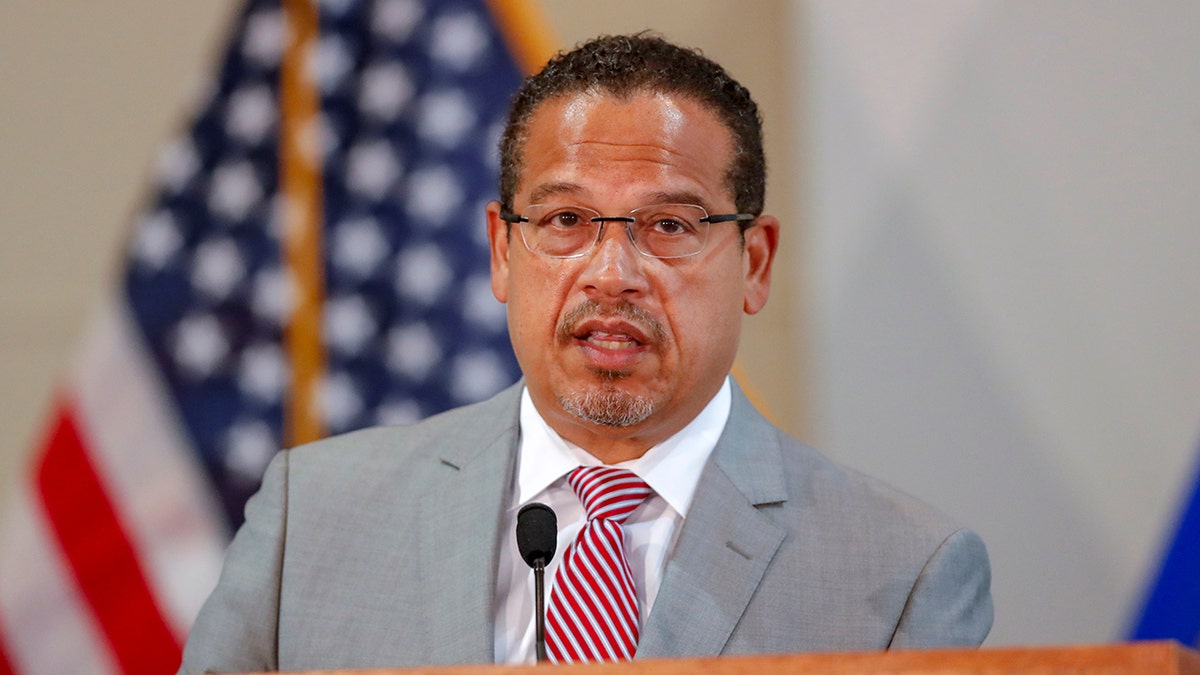
Keith Ellison at DNC

Minnesota Attorney General Keith Ellison arrives to speak on stage during the third day of the Democratic National Convention at the United Center on Aug. 21, 2024, in Chicago, Illinois. His office has filed an appeal of West’s decision to overturn Yusuf’s verdict. (Getty Images)

Republican Minnesota Sen. Michael Holmstrom said in an interview that West is a “true extremist.”

“Judicial reform is necessary in Minnesota… This wasn’t an extreme situation,” Holmstrom told Fox News Digital. “This is just how she operates.”

“I think that she is a true extremist, that her ideology is running her courtroom and damaging our justice system. People in Minnesota are questioning whether or not the judicial system can be trusted. And with judges like this, I see why,” he added.

Holmstrom said he noticed one of the sealed exhibits in Yusuf’s case contained an international money order to an undisclosed person in an unknown country. Holmstrom said he made a request to see the exhibit, which hasn’t yet been granted.

ICE CAPTURES ILLEGAL IMMIGRANT WANTED FOR ALLEGEDLY KILLING MOTHER IN DUI CRASH

“I want to know what happened, and I think Minnesotans honestly deserve to know what their tax money is going to fund and how these remittances are working,” he said.

Holmstrom added that he was “outraged” upon hearing West had reversed Yusuf’s conviction, arguing she was “outside her authority” to make the decision.

Ben Walfoort, the jury foreperson in Yusuf’s case, said the decision to convict wasn’t a complicated one.

“It was not a difficult decision whatsoever,” he said, according to KARE. “The deliberation took probably four hours at most. Based off of the state’s evidence that was presented, it was beyond a reasonable doubt,” Walfoort said. “I am shocked. I’m shocked based off of all of the evidence that was presented to us and the obvious guilt that we saw based off of the said evidence.”

TIM WALZ FIRES BACK AT TRUMP ACCUSATION OF ‘INCOMPETENCE,’ DODGES ON RESPONSIBILITY FOR FRAUD IN MINNESOTA

Democratic Minnesota Attorney General Keith Ellison

Democratic Minnesota Attorney General Keith Ellison at a news conference on June 3, 2020. ( REUTERS/Eric Miller)

The Minnesota Attorney General’s Office, led by Democrat Keith Ellison, has filed an appeal of West’s decision to overturn Yusuf’s verdict.

Minnesota has grappled with fraud problems, including the Feeding Our Future scheme, which involved hundreds of millions of dollars in embezzled COVID-19 funds. The alleged fraud stems from Minnesota’s Medicaid Housing Stabilization Services program, Feeding Our Future and other organizations.

President Donald Trump on Nov. 21 terminated deportation protections for Somalis in Minnesota, claiming that “Somali gangs are terrorizing the people of that great State, and BILLIONS of Dollars are missing.”

His decision came after a report from the Manhattan Institute, a conservative think tank, alleged that millions of dollars were being funneled to Al-Shabaab, a Somali terror group, related to the Feeding Our Future scam.

Fox News Digital reached out to a representative for West and Yusuf’s attorney for comment.

Yusuf’s attorney, Ian Birrell, said West made the correct decision, adding his client was wrongly accused.

CLICK HERE TO DOWNLOAD THE FOX NEWS APP

“Judge West’s ruling affirms what we have maintained from the beginning: our client Mr. Yusuf was wrongfully accused and did not commit fraud or racketeering,” he said, KARE reported. “The Court’s decision to enter judgments of acquittal on all charges reflects the fundamental principle that justice requires both fairness and proof. We appreciate the Court’s careful attention to the evidence and the law.”

Danish archaeologists uncover 77 medieval graves showing hardship

0
Danish archaeologists uncover 77 medieval graves showing hardship

NEWYou can now listen to Fox News articles!

Danish archaeologists recently unearthed dozens of medieval graves, shedding light on how disease and hardship shaped life in early Christian Denmark.

Officials from the Moesgaard Museum in Beder, Denmark, announced the discovery in a recent news release. 

The skeletons were found in nearby Aarhus, in St. Oluf’s Cemetery, which existed from the 1100s until 1813. It was named after St. Olaf, a Norwegian Viking king renowned for spreading Christianity across Scandinavia.

ANCIENT CHRISTIAN FIGURINES DISCOVERED IN 1,500-YEAR-OLD DESERT GRAVES

“The remains are believed to be up to 900 years old, belonging to a churchyard from the 12th century, near the old Viking town of Aros,” the museum said in a statement. The discoveries came during a city project to upgrade waste facilities.

Mads Ravn, head of the Moesgaard Museum’s local heritage department, told Fox News Digital his team uncovered a remarkable 77 ancient graves in total.

An excavation in Aarhus uncovered dozens of medieval Christian graves at St. Oluf’s Cemetery near the old Viking town. (Moesgaard Museum)

“[It was] much more than expected and very dense,” he said.

The graves didn’t belong to Denmark’s earliest Christian converts, Ravn noted. The religion first spread in the 9th and 10th centuries. Around 965, Harald Bluetooth completed Denmark’s conversion to Christianity, as commemorated on the Jelling rune stone.

The faith appears to have become firmly established in Aarhus by the 12th century; the cemetery represents graves that were firmly rooted in Christianity, rather than transitioning to it.

CLICK HERE TO SIGN UP FOR OUR LIFESTYLE NEWSLETTER

“The town of Aarhus, where the cemetery is found, is important because during its time of use it became the graveyard of the poor, while the rich were buried in the cathedral about 500 meters [1,640 feet] to the south,” Ravn said.

“Therefore, it was densely packed with skeletons, with new burials sometimes disturbing older graves and leaving some of the skeletons in parts.”

Aerial view of skeletons in graveyard

Researchers from Moesgaard Museum examined skeletal remains from a Christian cemetery used between the 1100s and 1813. (Moesgaard Museum)

Few of the remains were buried with grave goods, but Ravn noted that one early modern grave featured a curious artifact.

“One from 1626 was buried with a coin in the mouth, suggesting that local folklore, and especially a tradition among sailors, seems to have prevailed,” the archaeologist observed.

CLICK HERE FOR MORE LIFESTYLE STORIES

“It could indicate that the person was ‘secured’ a payment to the other side, [a custom] known as far back as Ancient Greek tradition.”

The real surprise of the excavation, said Ravn, was how much it revealed about the poor Christians of Aarhus, as opposed to the rich.

Archaeologists digging at grave site

The graveyard near old Aros allowed archaeologists to compare the lives of poorer Christians with those buried at the cathedral. (Moesgaard Museum)

“[It] opens a door to understanding everyday life, and from other cemeteries we know that life was hard, with an average life expectancy around 37 years, often revealing many diseases,” the archaeologist said.

“One find revealed three children buried on top of each other, as if they were buried after an infection, plague or another deadly disease,” Ravn continued. 

TEST YOURSELF WITH OUR LATEST LIFESTYLE QUIZ

“Further analyses may reveal the cause of death and the age and sex of the skeletons in more detail.”

The team’s main takeaways from the dig were disease-related, as leprosy, plague, waterborne illness and syphilis and other ailments were all common causes of death in olden days.

“[It] opens a door to understanding everyday life.”

“One could argue that this was the reason that they could bring all the new diseases to the New World, where it took a hard turn on the Native Americans,” Ravn noted. 

CLICK HERE TO GET THE FOX NEWS APP

“Further analysis may reveal which diseases dominated.”

“Life was hard and short [back then], with many women dying in childbirth,” he added. “When people ask me if I, as an archaeologist, wish to have lived in the past — the answer is negative.”

Malaysia Airlines Flight 370 search to resume in southern Indian Ocean

0
Malaysia Airlines Flight 370 search to resume in southern Indian Ocean

NEWYou can now listen to Fox News articles!

The search for Malaysia Airlines Flight 370 will resume on Dec. 30, the country’s transport ministry announced Wednesday, more than a decade after the airplane’s mysterious disappearance over the Indian Ocean.

The Malaysian government said that Texas-based marine robotics company Ocean Infinity is set to begin a 55-day targeted deep-sea search for the missing aircraft in the southern Indian Ocean by the end of the month, according to the Associated Press.

On March 8, 2014, the Boeing 777 took off from Kuala Lumpur heading toward Beijing, when it disappeared around 90 seconds after leaving Malaysian airspace, vanishing along with all 239 passengers in what has become one of aviation’s greatest unsolved mysteries.

Satellite data revealed the plane deviated from its flight path and went south towards the far-southern Indian Ocean, where it is believed to have crashed.

AMY BRADLEY DISAPPEARANCE SEES 3 MAJOR NEW LEADS AS INVESTIGATORS RENEW DECADES-OLD SEARCH: REPORT

Flight officer Rayan Gharazeddine scans the water in the southern Indian Ocean off Australia from a Royal Australian Air Force AP-3C Orion during a search for the missing Malaysia Airlines Flight MH370, March 22, 2014.  (AP Photo/Rob Griffith)

According to a statement from Malaysia’s Transport Ministry, as reported by AP, Ocean Infinity will hunt in targeted areas believed to have the highest likelihood of finding the missing aircraft.

“The latest development underscores the government of Malaysia’s commitment in providing closure to the families affected by this tragedy,” the transport ministry stated.

The announcement comes after Malaysia’s government gave final approval in March for Ocean Infinity to start the search, after agreeing to a “no-find, no fee” contract that rewards the company $70 million only if wreckage is discovered within the 5,800-square-mile site.

GOVERNMENT RELEASES NEWLY DECLASSIFIED AMELIA EARHART DISAPPEARANCE RECORDS FROM NATIONAL ARCHIVES

Submersible equipment at the Ocean Infinity factory

Submersible equipment at the Ocean Infinity Group Ltd. factory in Southampton, U.K., on Wednesday, Feb. 9, 2023. Ocean Infinity will begin a 55-day targeted deep-sea search for Malaysia Airlines Flight 370 in the southern Indian Ocean on Dec. 30.  (Jose Sarmento Matos/Bloomberg via Getty Images)

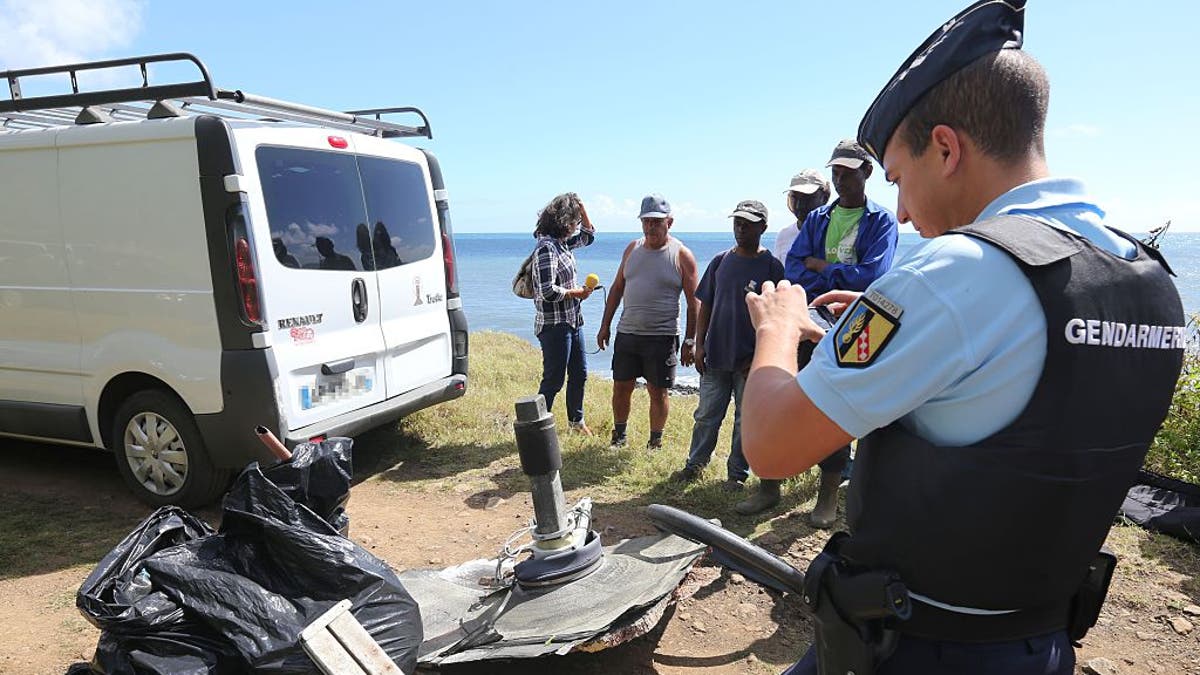
Previously, debris was found washed ashore on the east African coast and Indian Ocean islands, but a multinational search failed to discover clues to MH370’s location.

Ocean Infinity also conducted a private search in 2018 that failed to unearth any, but CEO Oliver Plunkett reportedly said earlier this year that his company had since improved its technology.

CLICK HERE TO DOWNLOAD THE FOX NEWS APP

A French Gendarme takes a picture of debris gathered by members of local ecological associations and volunteers on August 11, 2015 in the eastern part of Sainte-Suzanne, on France's Reunion Island in the Indian Ocean, during search operations for the missing MH370 flight conducted by French army forces and local associations. The hunt the missing MH370 resumes on Dec. 30.

A French Gendarme takes a picture of debris gathered by members of local ecological associations and volunteers on August 11, 2015 in the eastern part of Sainte-Suzanne, on France’s Reunion Island in the Indian Ocean, during search operations for the missing MH370 flight conducted by French army forces and local associations. The hunt the missing MH370 resumes on Dec. 30. (RICHARD BOUHET/AFP via Getty Images)

Fox News Digital has reached out to Ocean Infinity for comment.

Fox News Digital’s Greg Norman and the Associated Press contributed to this report.