17.1 C
New York
Wednesday, March 11, 2026
Home Blog Page 94

‘Crazy’ Las Vegas costs and high prices shock travelers as tourism drops 12%

0

NEWYou can now listen to Fox News articles!

Las Vegas has been in the spotlight for its tourism declines — and many travelers are pointing to the destination’s high prices as a problem.

Vegas visitors shared thoughts with Fox News Digital this week about some of the “crazy” prices they’ve encountered. 

Daisy and Ben from the United Kingdom said they had taken a road trip across the U.S. and were just finishing up with their last stop in Vegas.

LAS VEGAS BUFFETS DYING OUT AS ‘PAWN STARS’ BOSS TOUTS BARBECUE, AMERICAN STEAKS

“We have found it a bit more expensive than other places we’ve been in the States,” said Ben.

The couple spent “$20 for two coffees this morning,” he said. “I thought that was quite a lot.”

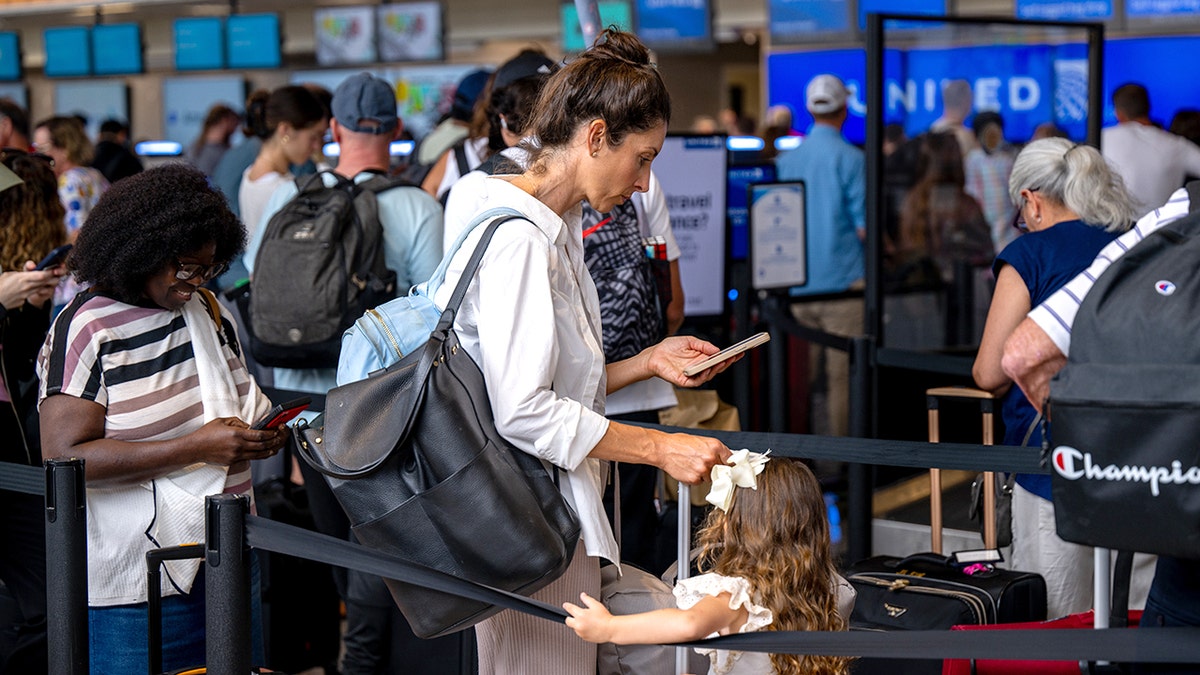
Travelers in Las Vegas report paying $20 for two coffees, $30 for a single cocktail, and $50 for an early hotel check-in as costs continue rising in Sin City. (iStock; Fox News Digital)

The Las Vegas Convention and Visitors Authority recently released its numbers for July visitors, noting a 12% drop from last year.

There were 3,089,300 visitors to the city that month compared to over 3.5 million for the same period last year, while occupancy on the Strip dropped 7% from 86.5% in 2024, according to the same source.

“It was like $12 for a lemonade or something like that.”

Katherine from College Station, Texas, along with her daughter, Cammie, were celebrating the teen’s 16th birthday in Vegas this city. 

LAS VEGAS BECOMING ‘PLAYGROUND FOR THE AFFLUENT’ AS ‘EVERYDAY TRAVELER’ LEFT BEHIND

“Having a coffee that was $14 was crazy,” said Katherine. “I just wasn’t expecting that. It was just a latte with a few extra flavors,” she added. 

“I got a drink this morning. It was like $12 for a lemonade or something like that,” said Cammie. “And water bottles are so expensive.”

Janice and Faith tagged along to Vegas with their husbands, who were attending a conference.

Tourist inside casinos and hotels on a visit to Las Vegas.

Another said the most shocking fee he had seen in Vegas this week was $50 blackjack minimums.  (Michael Anthony for Fox News Digital)

Janice said she was a bit shocked at her $18 breakfast at Starbucks. She ordered a coffee and egg bites, she said. 

Faith said she spent $30 for a single Cosmopolitan at Hell’s Kitchen.

“It was great, though, and we’re having fun,” she said. “You know, it is what it is, you’re on vacation, you just have fun.”

For more Lifestyle articles, visit foxnews.com/lifestyle

One traveler, Oren from Ireland, said he was in town for a wedding with his family.

“Some places are cheap, some places aren’t. We were downtown, it was cheaper there [than on] the Strip,” he said. 

Tourist inside casinos and hotels on a visit to Las Vegas.

A variety of visitors shared their experiences with high prices in Vegas.  (Michael Anthony for Fox News Digital)

Lisa and Linda of Lake Stevens, Washington, were in town to see “The Wizard of Oz” at the Sphere. 

Linda told Fox News Digital that “$50 to check in early is a little heavy,” while Lisa mentioned $30 drinks.

CLICK HERE TO SIGN UP FOR OUR LIFESTYLE NEWSLETTER

A father joined his son’s 21st birthday trip, saying they paid $25 at the pool for a gin and tonic and $13 for a cup of coffee. 

One of the younger men on the trip said he heard about a $95 ATM fee up on the Strip. 

CLICK HERE TO GET THE FOX NEWS APP

“I didn’t see it myself, but somebody was telling me that they went to withdraw cash. It was a $95 ATM fee,” he said.

Another said the most shocking fee he had seen was $50 blackjack minimums. 

Harris breaks silence, calls Biden’s 2024 dropout decision ‘recklessness’

0

NEWYou can now listen to Fox News articles!

Former Vice President Kamala Harris broke her silence on the chaos following former President Joe Biden’s decision to drop out of the 2024 race just three and a half months before Election Day.

Harris previewed her upcoming book “107 Days” with MSNBC’s Rachel Maddow Monday night describing Biden’s move as “recklessness” and admits she has regrets about not pushing him harder to reconsider.

“So when I write this, it’s because I realize that I have and had a certain responsibility that I should have followed through on,” Harris told Maddow. “So when I talk about the recklessness, as much as anything, I’m talking about myself. There was so much at stake, and at the time I worried it would come off as being completely self-serving.”

Then-Vice President Kamala Harris gives remarks alongside then-President Joe Biden on Aug. 15, 2024, in Largo, Maryland.  (Anna Moneymaker/Getty Images)

KAMALA HARRIS REVEALS WHAT BIDEN TOLD HER JUST BEFORE CRUCIAL DEBATE WITH TRUMP THAT LEFT HER ‘ANGRY’

The comments marked the first time Harris has publicly admitted doubts about how she handled the political earthquake.

Harris says the decision left her with just over 100 days to strategize and face off against President Donald Trump.  She says the scenario was “unprecedented.”

Her last-minute entry left Democrats scrambling while Trump had been building his war chest for months and hammering down his opponent on the campaign trail.

Vice President Kamala Harris introduces President Joe Biden during a campaign rally at Girard College

Vice President Kamala Harris introduces President Joe Biden during a campaign rally at Girard College in Philadelphia, Pennsylvania on May 29, 2024.  (Andrew Harnik/Getty Images)

KAMALA HARRIS ADMITS THERE ARE THINGS SHE WOULD’VE DONE DIFFERENTLY IN 2024, FAILS TO ELABORATE

She recalled how “people who seemingly had nothing in common came together by the thousands with an A-level of optimism and, dare I say, joy about the possibilities for America.”

Critics among her own political party questioned whether she could unite Democrats and win over independents with so little time left.

Sen. Chuck Schumer, D-NY, Democratic presidential nominee Vice President Kamala Harris, President Joe Biden, Michael Bloomberg, Republican presidential nominee former President Donald Trump and Republican vice presidential nominee Sen. JD Vance, R-Ohio, attend the 9/11 Memorial ceremony

Sen. Chuck Schumer, D-NY, Democratic presidential nominee former vice president Kamala Harris, former president Joe Biden, Michael Bloomberg, President Donald Trump and Republican Sen. JD Vance, R-Ohio.  (AP Photo/Yuki Iwamura)

CLICK HERE TO GET THE FOX NEWS APP

How to protect yourself from fake airline Wi-Fi scams while traveling

0


NEWYou can now listen to Fox News articles!

Earlier this year, Australian police arrested a passenger for running a malicious Wi-Fi network both at an airport and during a flight. The setup looked just like the airline’s own Wi-Fi service, but it wasn’t. Instead, it was what cybersecurity researchers call an “evil twin,” a fake hotspot designed to trick people into handing over their credentials.

The idea isn’t new, but the setting is. For years, fake Wi-Fi networks have been a common trick in cafes, hotels, and airports. What makes this case stand out is that the attacker took it to the skies, exploiting the growing reliance on in-flight Wi-Fi for entertainment and internet access.

Sign up for my FREE CyberGuy Report
Get my best tech tips, urgent security alerts and exclusive deals delivered straight to your inbox. Plus, you’ll get instant access to my Ultimate Scam Survival Guide – free when you join my CyberGuy.com newsletter.

What is an evil twin Wi-Fi attack?

An evil twin hotspot is a wireless network that impersonates a legitimate one by copying its name, also known as the SSID. When multiple networks with the same name exist, your phone or laptop often connects to the one with the stronger signal, which is usually the attacker’s.

Austin, Texas airport passenger checks phone

Travelers check their phones while navigating delays and flight cancellations at the Austin-Bergstrom International Airport on July 19, 2024, in Austin, Texas. (Brandon Bell/Getty Images)

Once connected, victims are often redirected to a fake login or landing page. In this case, the malicious portal requested passengers’ email addresses, passwords, or even social media credentials under the pretense of granting access to the airline’s entertainment system. The stolen information could then be used for account takeovers, identity theft, or further attacks.

Why travel Wi-Fi is a prime target

Travel creates a perfect storm for these kinds of attacks. Whether you’re in a hotel, airport, cruise ship or airplane, you often have limited choices for getting online. Mobile data may be patchy or expensive, which pushes people toward the available Wi-Fi networks. Because these services feel official and are tied to trusted brands, travelers tend to assume they’re safe and let their guard down when login requests pop up.

Another trend adds to the risk. Travel providers are increasingly moving entertainment and services onto personal devices instead of offering built-in options. Airlines replace seatback screens with streaming portals, cruise lines promote app-based services and hotels direct guests to digital check-in platforms. All of these require a Wi-Fi connection, which means more people are logging on than ever before.

QANTAS DATA BREACH EXPOSES MILLIONS OF CUSTOMER RECORDS

How hackers trick you with fake in-flight Wi-Fi

Here’s how it worked in the Australian case. The attacker carried a portable hotspot onboard and named it to match the airline’s official Wi-Fi network. Passengers, seeing the fake network with stronger signal strength, connected automatically. They were then taken to a counterfeit login page asking for personal details.

Newark, New Jersey airport passenger on phone

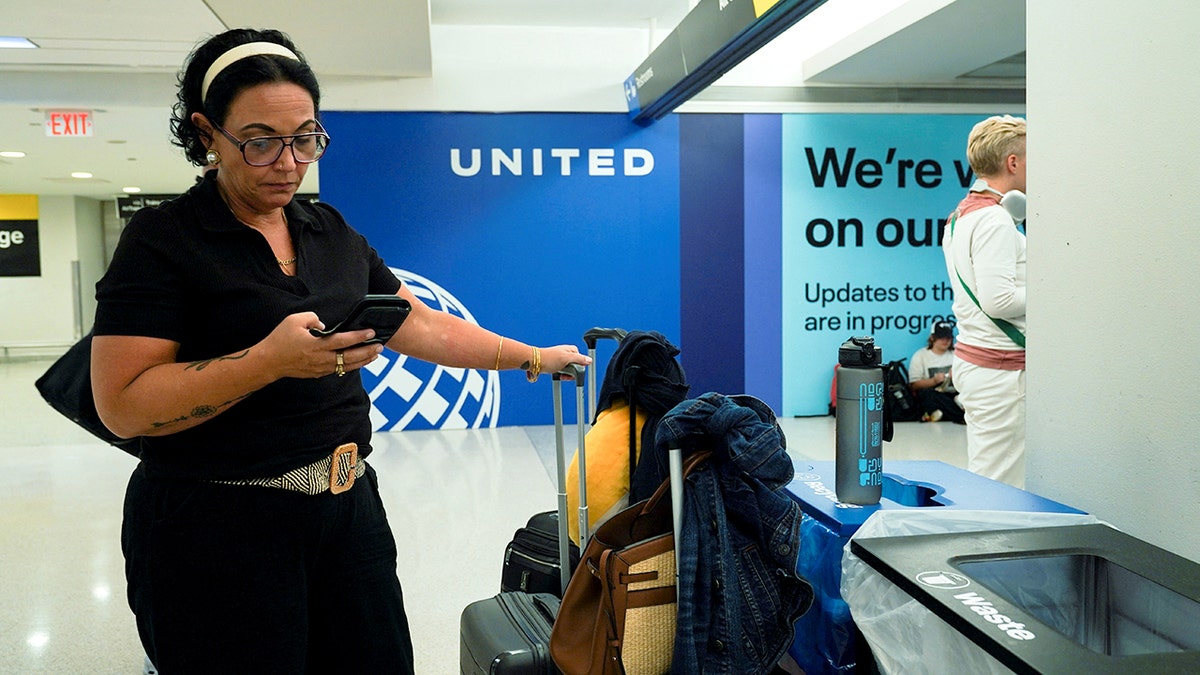
A traveler awaits their delayed luggage after United Airlines grounded flights due to a tech outage at Newark Liberty International Airport in Newark, New Jersey, Aug. 6, 2025.  (REUTERS/Ryan Murphy)

On a flight, the consequences are amplified. Passengers either give in and share data or lose access to entertainment for hours. The success rate of this attack is, quite literally, sky-high.

YOUR DISCARDED LUGGAGE TAGS ARE WORTH MONEY TO SCAMMERS

Why you need a VPN for in-flight Wi-Fi security

One of the best defenses against rogue Wi-Fi is a Virtual Private Network, or VPN. A VPN creates an encrypted tunnel between your device and the internet, making it far harder for attackers to intercept your data even if you connect to the wrong hotspot.

There is a catch, though. In-flight Wi-Fi systems often require you to disable your VPN temporarily to access the onboard portal. Even then, a VPN remains an important safeguard. Once you have cleared the login page and, if you have paid, connected to the internet, enabling your VPN ensures that any browsing, messaging, or app traffic stays private.

For the best VPN software, see my expert review of the best VPNs for browsing the web privately on your Windows, Mac, Android and iOS devices at CyberGuy.com.

9 tips for using in-flight Wi-Fi safely

A VPN is important, but it isn’t the only defense you should rely on. Here are some other ways to stay safe when connecting midair:

1) Install strong antivirus software

Before you even think about connecting to in-flight Wi-Fi, make sure your device has a strong antivirus installed. It’s your first line of defense against malicious sites and apps that attackers may try to push through fake portals. This protection can also alert you to phishing emails and ransomware scams, keeping your personal information and digital assets safe.

Get my picks for the best 2025 antivirus protection winners for your Windows, Mac, Android and iOS devices at CyberGuy.com.
Denver airport passenger checks phone

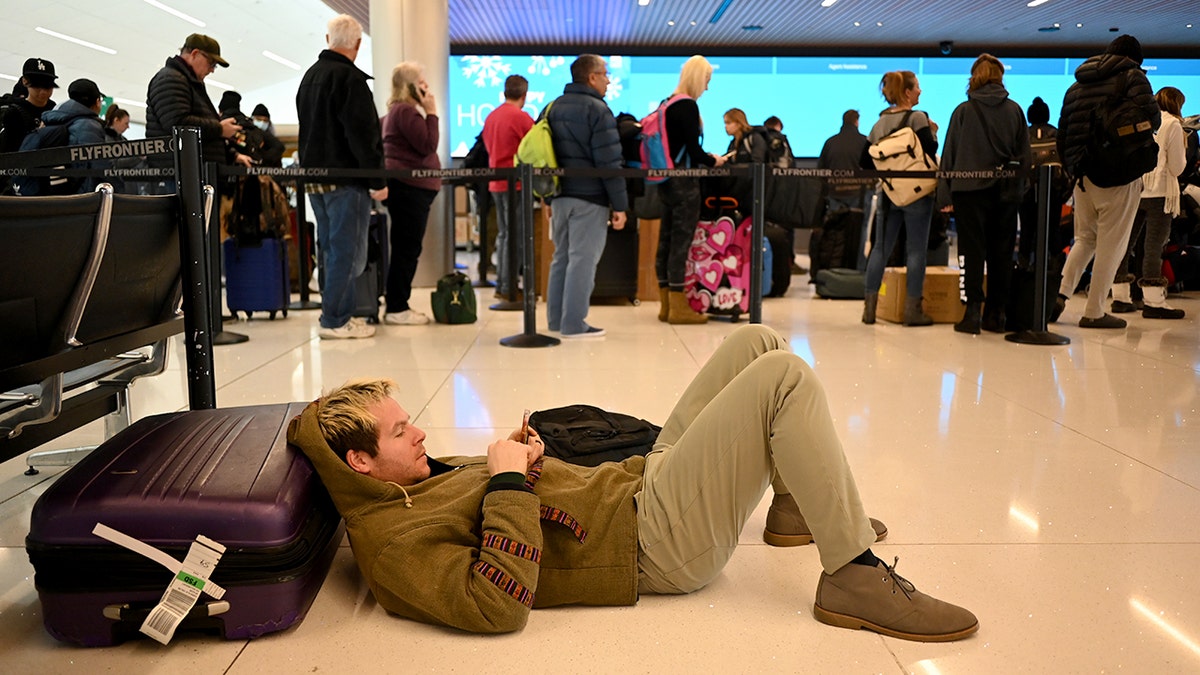
James Garofalo of Colorado Springs is checking cellphone after his flight cancelation at Denver International Airport in Denver, Colorado, on Thursday, Dec. 22, 2022. (Hyoung Chang/The Denver Post)

2) Enable two-factor authentication (2FA)

Even if an attacker manages to steal your login credentials, 2FA can stop them from getting into your accounts. Use app-based authenticators rather than SMS codes whenever possible, since they work offline and are harder to intercept.

3) Turn off automatic Wi-Fi connections

Most phones and laptops are set to reconnect automatically to familiar networks. This makes it easier for a fake hotspot with the same name to trick your device. Before you board, switch off auto-connect and manually choose the correct airline Wi-Fi.

4) Use HTTPS everywhere

When browsing in-flight, check for the padlock icon in your browser’s address bar. HTTPS encrypts the connection between your device and the website, making it harder for attackers on public Wi-Fi to intercept your data.

5) Limit what you access

Even with precautions, in-flight Wi-Fi should be treated as untrusted. Avoid logging in to sensitive accounts like online banking or work systems. Stick to light browsing, streaming or messaging until you’re back on a secure connection.

6) Keep your device updated

Outdated operating systems and apps often have security holes attackers exploit. Before your trip, install the latest updates on your phone, tablet or laptop. Many updates include security patches that protect you against known vulnerabilities.

7) Use airplane mode with Wi-Fi only

When possible, switch your device to airplane mode and then enable only Wi-Fi. This reduces exposure from other radios (like Bluetooth or cellular roaming) that attackers sometimes target on flights.

8) Watch for phishing pop-ups and avoid suspicious clicks

Some fake in-flight portals use pop-ups or redirects designed to trick you into entering login details or clicking on malicious links. If a page asks for unnecessary information, like your full Social Security number, banking details or unrelated logins, treat it as a red flag. Close the page immediately and don’t click.

9) Log out after use

When the flight is over, sign out of the airline’s Wi-Fi portal and any accounts you accessed. This prevents session hijacking if the system keeps tokens cached.

CLICK HERE TO GET THE FOX NEWS APP

Kurt’s key takeaway

The rise of evil twin attacks in the air is a reminder that convenience often comes with hidden risks. As airlines push more passengers toward in-flight Wi-Fi, attackers are finding ways to exploit that dependency. Next time you fly, think twice before blindly connecting to the first Wi-Fi network that pops up. Sometimes, the safest choice is to stay offline until you land.

Would you rather go a few hours offline than risk using an untrusted hotspot midair? Let us know by writing to us at CyberGuy.com.

Sign up for my FREE CyberGuy Report
Get my best tech tips, urgent security alerts and exclusive deals delivered straight to your inbox. Plus, you’ll get instant access to my Ultimate Scam Survival Guide – free when you join my CyberGuy.com newsletter.

Copyright 2025 CyberGuy.com.  All rights reserved.  


Source link

Waze now requires Android 10, drops support for older Android versions

0


NEWYou can now listen to Fox News articles!

If you rely on an older Android device, whether it’s a phone, tablet or car infotainment unit, you may soon lose access to all the new Waze features. Waze’s latest beta, version 5.9.90 and higher, now requires Android 10 as a minimum, up from the previous requirement of Android 8.

This change means that while your device may still run Waze, it will no longer receive updates. That applies to all the navigational improvements, bug fixes and new tools Waze typically rolls out every few months.

Sign up for my FREE CyberGuy Report
Get my best tech tips, urgent security alerts and exclusive deals delivered straight to your inbox. Plus, you’ll get instant access to my Ultimate Scam Survival Guide – free when you join my CyberGuy.com newsletter.

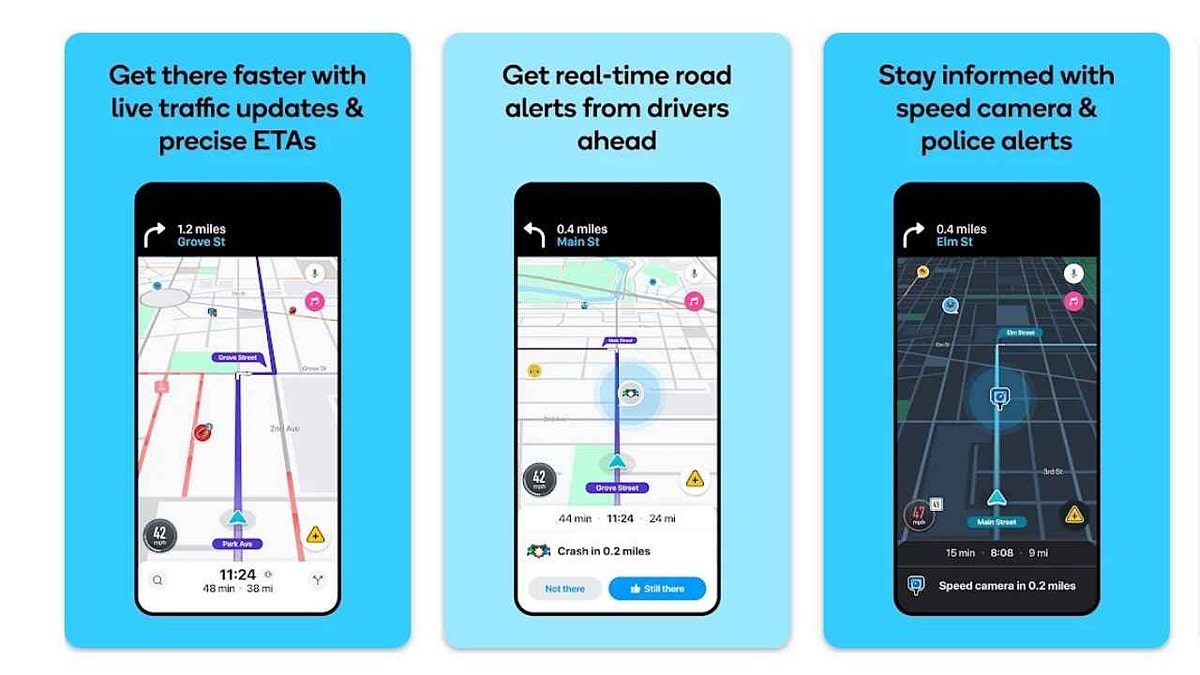
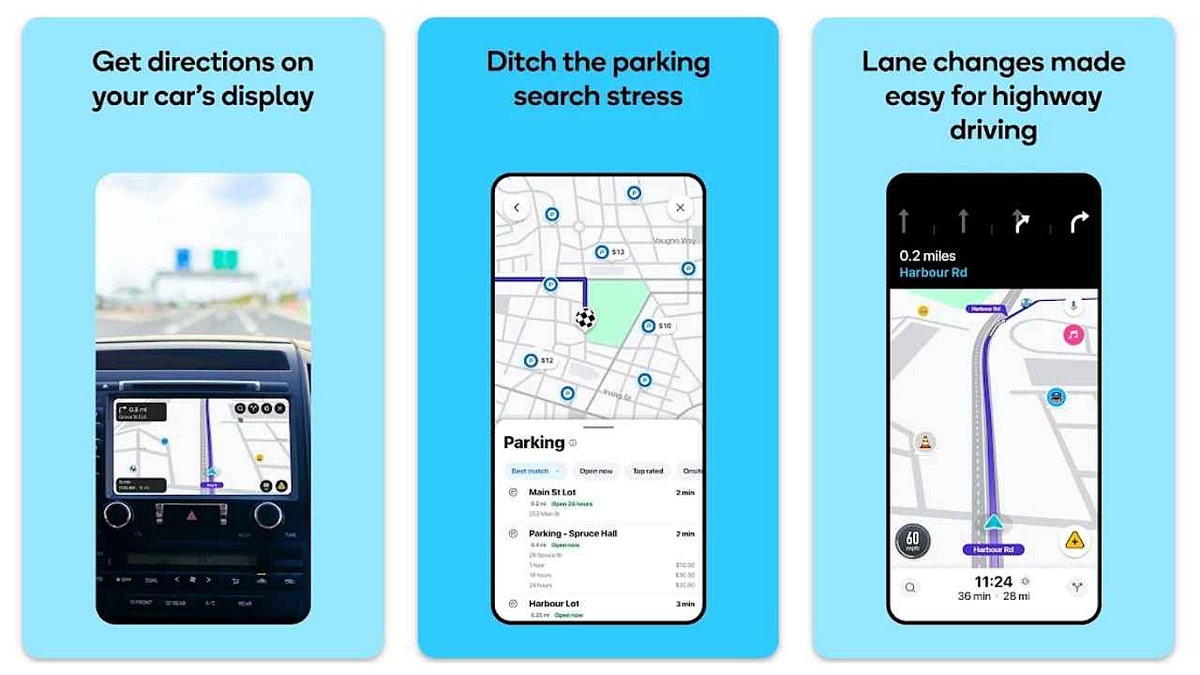
Three views of the Waze app are seen side by side.

Older Android devices may not be able to download the latest Waze updates. (Waze)

Why Waze dropping Android 8 and 9 support matters

First, it’s important to note that Google Maps continues to support Android 8 and Android 9, offering a lifeline if you’re stuck on older software.

YOUR PHONE IS TRACKING YOU EVEN WHEN YOU THINK IT’S NOT

Still, Waze is a community-driven navigation leader. Its strength comes from real-time, crowdsourced reporting of incidents, police traps, road hazards and even gas prices, features that many drivers value above Google Maps.

Who loses Waze features on older Android devices

  • Drivers using older smartphones or tablets: If you haven’t updated your device to Android 10, you’ll lose access to new Waze features.
  • Users of aftermarket in-car infotainment systems: Many of these budget units still run Android 8 (Oreo) or Android 9 (Pie), meaning they’ll soon fall behind.
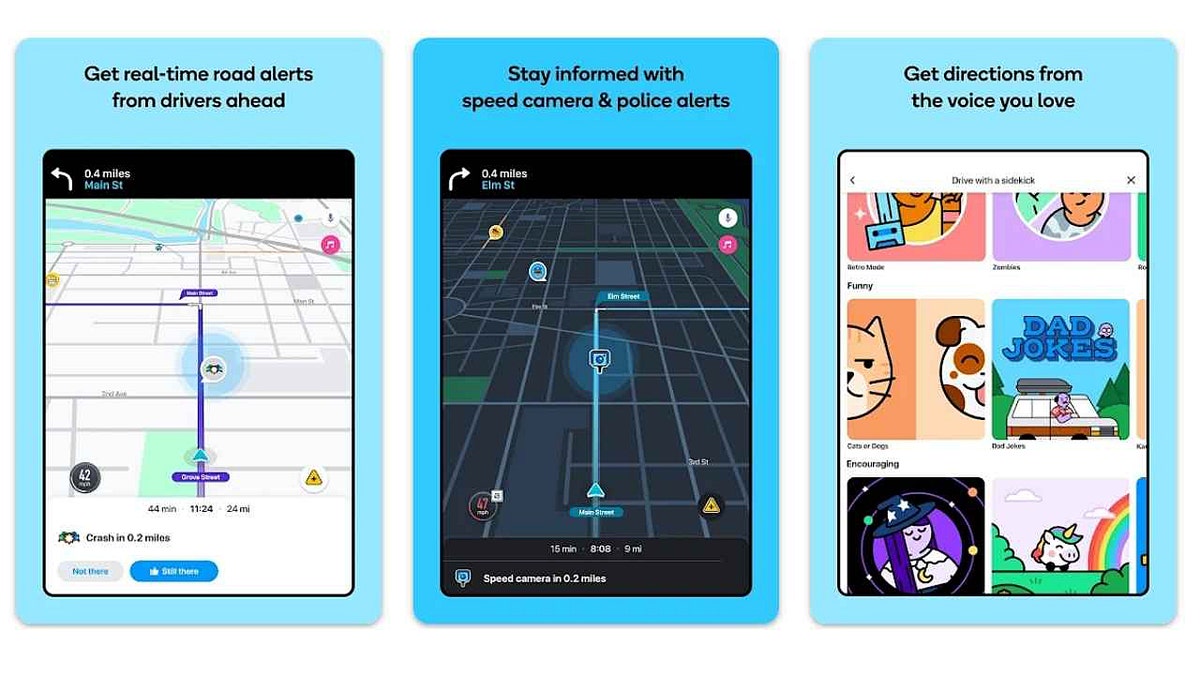
Three views of the Waze app are seen side by side.

Devices that have not been updated to at least Android 10 will not be able to access Waze’s newest features. (Waze)

What Waze’s Android 10 requirement means for you

If Waze is your go-to navigation app, here’s what to keep in mind:

  • You can keep using Waze on older Android versions, but you won’t get new features or updates.
  • App reliability may decline over time as backend changes or server protocols evolve.
  • Map updates and basic reporting may still work for a while, but support isn’t guaranteed indefinitely.
  • Google Maps remains a fallback option, as it still supports older Android systems.

HOW TO DISABLE GEMINI AI ON ANDROID AND KEEP CONTROL OF YOUR APPS

Three views of the Waze app are seen side by side.

As a version of the app gets older, it may become less reliable over time. (Waze)

Tips to keep Waze working on your Android device

If you rely on Waze daily, here are some quick ways to stay ahead of the update cutoff:

  • Check your Android version: Go to SettingsAbout PhoneSoftware Information to confirm if you’re running Android 10 or higher.
  • Update your device: If your phone or tablet supports it, install the latest Android update to keep Waze fully functional.
  • Consider a budget upgrade: If your hardware is stuck on Android 9 or older, affordable Android 10+ phones and tablets are widely available.
  • Update car infotainment systems: Many aftermarket head units allow software updates. Check the manufacturer’s site to see if Android 10 is available.
  • Keep Google Maps as backup: If updating isn’t possible, Google Maps still works on Android 8 and 9, ensuring you’re never left without navigation.

Take my quiz: How safe is your online security?

Think your devices and data are truly protected? Take this quick quiz to see where your digital habits stand. From passwords to Wi-Fi settings, you’ll get a personalized breakdown of what you’re doing right — and what needs improvement. Take my Quiz here: CyberGuy.com.

CLICK HERE TO GET THE FOX NEWS APP

Kurt’s key takeaways

The shift to Android 10 reflects a common pattern in app development: focus on newer OS versions enables advanced features and stronger security. For most Android users, especially those on modern devices, this is a non-issue. But if you’re using older hardware, especially in your vehicle, you must plan ahead. To keep enjoying the full Waze experience, consider whether upgrading your device or switching to supported apps like Google Maps is the smarter move.

Will you upgrade your device to stay updated with Waze, or will this change push you to switch to Google Maps? Let us know by writing to us at CyberGuy.com.

Sign up for my FREE CyberGuy Report
Get my best tech tips, urgent security alerts and exclusive deals delivered straight to your inbox. Plus, you’ll get instant access to my Ultimate Scam Survival Guide – free when you join my CyberGuy.com newsletter.

Copyright 2025 CyberGuy.com.  All rights reserved.  


Source link

New Memoir from Terrorism Survivor, Exposing the Lingering Toll of PTSD and the Long Road to Healing

0
scarpino1
New Memoir from Terrorism Survivor, Exposing the Lingering Toll of PTSD and the Long Road to Healing 23

“Missing Pieces” by Christiane Scarpino Releases September 30, 2025, from Press 49

New York, NY — September 22, 2025 — On September 30, 2025, Press 49 will publish “Missing Pieces,” a gripping and unflinching memoir by Christiane Scarpino, a survivor of the 1977 FALN terrorist bombing in New York City. Nearly five decades after the explosion that changed her life, Scarpino steps forward to share the truth behind her lifelong battle with post-traumatic stress disorder (PTSD) and the quiet, courageous journey of reclaiming her life.

At just 21 years old, Scarpino was working in the Mobil Oil Building in New York City when a bomb planted by the Puerto Rican nationalist group FALN exploded. Though her physical injuries were considered “minor,” the psychological damage would shape her future in devastating ways—at a time when PTSD was neither widely understood nor formally diagnosed.

“For many years, I struggled with who I was and felt like I lost control of my life,” says Scarpino. “I lived in silence, thinking I was alone. Writing ‘Missing Pieces’ gave me the voice I didn’t have back then.”

Part personal narrative, part historical account, “MissingPieces” lifts the veil on the long shadow of trauma. Through deeply honest storytelling, Scarpino explores grief, anxiety, disconnection, and the hard-fought hope she found through therapy, resilience, and the healing presence of her dogs—especially her beloved Nova Scotia Duck Tolling Retriever, Turner.

The book has already received powerful endorsements from fellow survivors and advocates. Joseph Connor, author, and counter-terrorism advocate, calls it “a raw, powerful memoir that forces us to remember.” Elena Breese, a survivor of the Boston Marathon bombing, says it is “a beacon for anyone trying to understand the long road to healing.”

“Christiane Scarpino’s voice is clear, necessary, and long overdue,” says Bridgett McGowen-Hawkins, publisher at Press 49. “She speaks not just for herself but for every survivor who has been expected to ‘move on’ without support. ‘Missing Pieces’ is more than a memoir. It’s a long-needed reckoning and a guide for those who have lived through the unthinkable.”

“Missing Pieces” is available in:

  • Paperback (ISBN: 978-1-953315-55-7) – $29.99
  • eBook (ISBN: 978-1-953315-56-4) – $6.99

The book will be sold through major retailers and online platforms beginning September 30, 2025.

The eBook is currently available for pre-order on Amazon.

For interviews, speaking requests, or advance reader copies, please contact:

Press 49
Attn: Media Relations
4980 S. Alma School Rd., #2-493
Chandler, AZ 85248
833-PRESS49 (833-773-7749)
info@press49.com 

ABOUT THE AUTHOR

Christiane Scarpino is a terrorism survivor, PTSD awareness advocate, licensed speech-language pathologist, and debut author. A casualty of the 1977 FALN bombing of the Mobil Oil Building in NYC, Christiane spent decades living with unrecognized trauma before beginning the long journey to healing. Christiane now devotes her life to raising awareness about post-traumatic stress disorder (PTSD). A Rutgers University and Purdue University graduate, she lives in New Jersey with her husband and their cherished Nova Scotia Duck Tolling Retrievers, with whom she trains and competes in various performance events. Her memoir “Missing Pieces” is a tribute to every survivor seeking to feel seen, heard, and whole again.

For more information, please visit: https://christianescarpino.net

ABOUT PRESS 49:

Press 49 is an award-winning hybrid publishing company founded in 2019 that provides a full suite of publishing services to new non-fiction authors. Headquartered in Chandler, Arizona, Press 49 is a part of BMH Companies and designs, creates, and enables the distribution of high-quality trade books and eBooks to expand brands and solidify professional speakers, business coaches, real estate experts, consultants, and business owners as contenders in their industries.

Press 49 always looks for exciting new books and go-getters to join the company’s family of authors.  For more information, please visit: www.press49.com

20250602 213134649
New Memoir from Terrorism Survivor, Exposing the Lingering Toll of PTSD and the Long Road to Healing 24

NFL news: Chiefs’ Tyquan Thornton has career night in win over Giants

0

NEWYou can now listen to Fox News articles!

The Kansas City Chiefs overcame some sloppy play to pick up their first win of the season against the New York Giants on Sunday night, 22-9.

The Chiefs seemed incredibly stagnant in the first half. Kansas City was having a tough time figuring out the Giants’ defense and several players were dropping some key passes. It all changed in the second half as Patrick Mahomes found a rhythm and holes in the Giants’ secondary.

CLICK HERE FOR MORE SPORTS COVERAGE ON FOXNEWS.COM

Kansas City Chiefs quarterback Patrick Mahomes throws as New York Giants outside linebacker Kayvon Thibodeaux (5) defends during the second half of an NFL football game Sunday, Sept. 21, 2025, in East Rutherford, New Jersey. (AP Photo/Seth Wenig)

Mahomes found Tyquan Thornton for a 5-yard touchdown in the third quarter to give the Chiefs a 10-point cushion against the Giants. After New York narrowed the deficit to seven points, Mahomes needed to make a play to get Kansas City back on the board. 

He found Thornton again for a 33-yard pass to the 1-yard line. Thornton made an acrobatic play, which set up running back Kareem Hunt for a touchdown from the goal line.

Travis Kelce’s own frustrations boiled over in the first half. As he walked off the field following a drive in the second quarter, he and Andy Reid appeared to have words with each other. He refocused his efforts in the second half and had a key third down catch on the team’s touchdown drive in the third quarter.

Tyquan Thornton celebrates

Kansas City Chiefs wide receiver Tyquan Thornton (80) is congratulated by teammates Travis Kelce, left, and JuJu Smith-Schuster (9) after scoring during the second half of an NFL football game against the New York Giants Sunday, Sept. 21, 2025, in East Rutherford, New Jersey. (AP Photo/Adam Hunger)

COWBOYS’ GEORGE PICKENS SLAMS HIS HELMET IN FRUSTRATION AFTER MISSED CATCH LEADS TO INTERCEPTION

Kansas City held strong even as Russell Wilson guided the team down the field late in the fourth quarter. The defense frustrated the veteran quarterback enough to look like a shade of himself from last week.

Mahomes finished 22-of-37 with 224 passing yards and a lone touchdown pass. Thornton led the Chiefs with five catches for 71 yards and the score. Kelce had four catches for 26 yards.

The Chiefs’ defense held Wilson to 160 passing yards. He was sacked twice.

Giants rookie Cam Skattebo may have been the only bright spot for the Giants. He had 60 rushing yards on 10 carries and a touchdown. He also led the team with six catches for 61 yards.

Bryan Cook breaks up a pass

Kansas City Chiefs safety Bryan Cook (6) breaks up a pass intended for New York Giants wide receiver Malik Nabers (1)during the second half of an NFL football game Sunday, Sept. 21, 2025, in East Rutherford, New Jersey. (AP Photo/Seth Wenig)

CLICK HERE TO GET THE FOX NEWS APP

Kansas City moved to 1-2 and New York fell to 0-3.

Follow Fox News Digital’s sports coverage on X and subscribe to the Fox News Sports Huddle newsletter.

Store in Germany declares Jews banned to protest Israel actions in Gaza

0

NEWYou can now listen to Fox News articles!

A German shop owner in the northern city of Flensburg posted a sign on Wednesday that Jews are banned from entering his store, sparking outrage among state officials in Schleswig-Holstein.

Hans-Velten Reisch, the 60-year-old owner of the store that sells Gothic-Utensils and technical literature, posted a sign that reads, “Jews are banned from entering here! Nothing personal. No antisemitism. Just can’t stand you.”

Germany’s largest daily newspaper, Bild, reported on Thursday that Reisch defended his anti-Jewish sign. He told the paper that “I watch the news every evening. And when I saw what the Jews were doing in the Gaza Strip, I lost my temper and printed out the poster.”

Israel launched a defensive war against the Hamas terrorist movement in Gaza after Hamas slaughtered over 1,200 people on October 7, 2023, including American citizens. 

Reisch said the police told him on Wednesday evening that he has to take down the poster. 

Dorit Stenke, Schleswig-Holstein Minister of Culture, denounced Reisch’s antisemitic sign.  (Frank Molter/picture alliance via Getty Images)

The Schleswig-Holstein Minister of Culture Dorit Stenke and Gerhard Ulrich, the state’s controversial antisemitism commissioner, took Reisch to task for his reported antisemitism, issuing a joint statement on the state government’s website.

“A sign that denies Jews access to a store is a frightening signal and an attack on the principles of our free coexistence,” Stenke said in the statement. She continued, “We cannot allow such things to continue in our society and must take decisive action against it together. Antisemitism is a threat to our democracy and must not be tolerated in any form.”

IDF KILLS HAMAS TERRORIST IT SAYS WORKED FOR UNRWA, LED CHARGE ON REIM BOMB SHELTER MASSACRE

Ulrich said, “We must stand together against every form of antisemitism,” adding, “The fight against antisemitism is a special responsibility that we bear as Germans.”

The State Prosecutor launched an investigation against Reisch for incitement of hatred. Ulrich filed a criminal complaint for incitement of hatred against Reisch. A total of five criminal complaints were filed against Reisch, according to Bild.

“Antisemitic hate speech like this not only hurts those affected, but also disrupts public peace. The Flensburg incident, with its contemptuous rhetoric, is fatally reminiscent of the Nazi hate speech against Jews,” said Ulrich.

The outbreak of Jew-hatred in Flensburg is another example of the growing antisemitism in Schleswig-Holstein, the state officials said. In 2024, 588 antisemitic incidents were documented, an increase of 390 percent over 2023.

Gerhard Ulrich, the Commissioner for Jewish Life and Against Antisemitism in Schleswig-Holstein, Germany, has been accused of perpetuating antisemitism himself.

Gerhard Ulrich, the Commissioner for Jewish Life and Against Antisemitism in Schleswig-Holstein, Germany, has been accused of perpetuating antisemitism himself. (Frank Molter/picture alliance via Getty Images)

Ulrich, however, has faced accusations that he has contributed to anti-Jewish and anti-Israel sentiments when he previously served as the Protestant Church’s Bishop for northern Germany.

Rabbi Abraham Cooper, the associate dean of the Los Angeles-based Simon Wiesenthal Center, a Jewish human rights organization named after the legendary Nazi hunter, warned about Ulrich’s alleged antisemitism in December 2022. Cooper urged Schleswig-Holstein‘s government to dismiss Ulrich, claiming he “is unfit to denounce the very antisemitism that he unfortunately legitimized and helped to spread in the mainstream of German society.”

DOSSIER REVEALS INFORMATION USED TO EXPLAIN UN AGENCY’S DEEP TIES TO HAMAS IN GAZA

The former bishop has said, “The name ‘Israel’ is burdened with the horror and misery of this Middle East war.” He also compared Israel’s security fence with the now-defunct Berlin Wall, suggesting Israel needs to dismantle its security fence.

CLICK TO GET THE FOX NEWS APP

The anti-terrorist fence has saved the lives of thousands of Israelis from Palestinian terrorists coming from the West Bank (also known as the biblical region of Judea and Samaria), according to counter-terrorism officials in Israel.

iPhone users fall for online scams more than Android users, study finds

0


NEWYou can now listen to Fox News articles!

New research may shock a lot of Apple fans: iPhone users are actually more likely to fall for online scams than Android owners. The problem isn’t the device itself; it’s the habits of the people using it.

The survey from Malwarebytes, a global cybersecurity company, of 1,300 adults across the United States, United Kingdom, Austria, Germany and Switzerland, found that many iPhone owners put blind trust in Apple’s security. That confidence makes them easier targets for scammers who count on overconfidence.

5 PHONE SETTINGS TO CHANGE RIGHT NOW FOR A SAFER SMARTPHONE

Sign up for my FREE CyberGuy Report
Get my best tech tips, urgent security alerts, and exclusive deals delivered straight to your inbox. Plus, you’ll get instant access to my Ultimate Scam Survival Guide — free when you join my CyberGuy.com/Newsletter

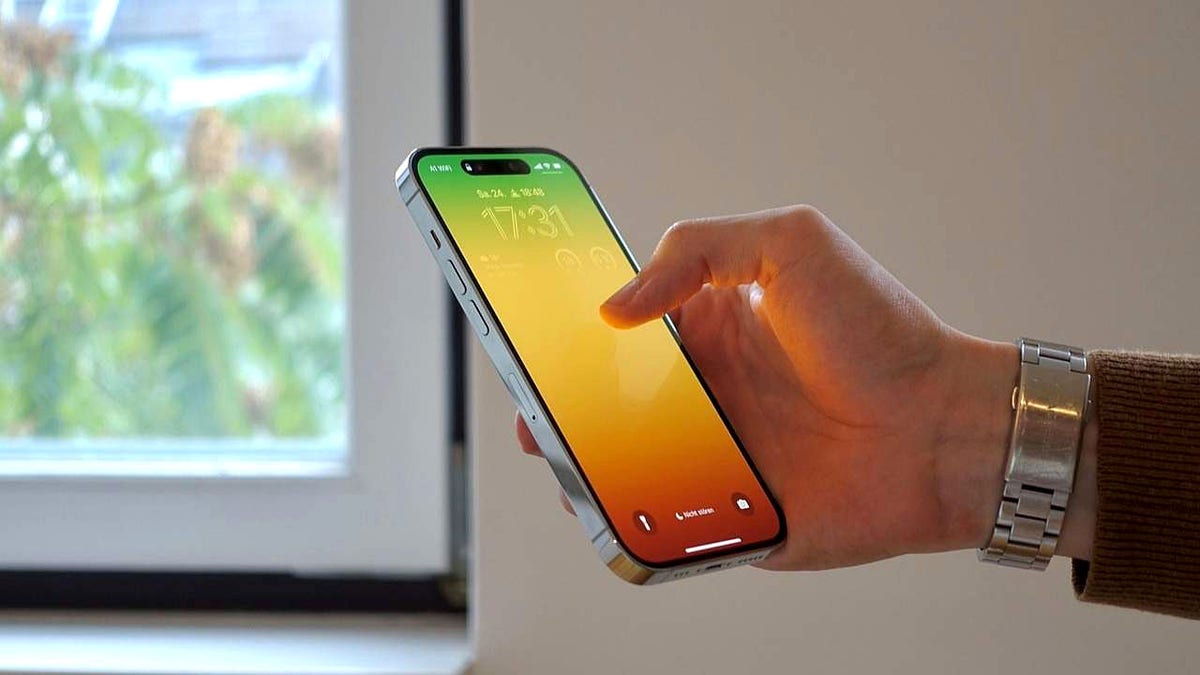
A man holding and using an iPhone

New research suggests iPhone users are more likely to fall for online scams than Android users. (Kurt “CyberGuy” Knutsson)

The truth about iPhone security habits

Here’s what the Malwarebytes survey uncovered:

  • More than half of iPhone users (53%) admitted they’ve fallen for a scam, compared to 48% of Android users.
  • Only 21% of iPhone owners add security software, while 29% of Android users do.
  • Just 35% of iPhone users set unique, strong passwords, compared to 41% of Android owners.
  • 47% of iPhone users grabbed a “best price” deal from shady sellers, compared to 40% of Android users.
  • 41% of iPhone owners DM’d sellers for discounts on social media, compared to 33% of Android owners.

The takeaway? It’s not the phone that makes you safe, it’s your choices every time you go online.

An image of an iPhone

A survey from Malwarebytes found that many iPhone owners blindly trust Apple’s security measures, which makes them easier targets for scammers who count on overconfidence. (Kurt “CyberGuy” Knutsson)

Why this matters

For years, Apple’s reputation led iPhone users to believe they were automatically safer. This study proves otherwise. Cybercriminals don’t care what brand of phone you carry; they care about how easy it is to trick you. And right now, too many iPhone users are letting their guard down.

An image of an iPhone

Many iPhone software updates contain security patches that block new threats to keep users safe.  (Kurt “CyberGuy” Knutsson)

7 ways to stay safe on iPhone

Even if you love your iPhone, staying safe means making smarter choices online. Follow these steps to keep scammers one step behind you.

1) Stop and double-check

If something feels off, whether it’s a text, link, or offer, pause. Scammers rely on urgency to trick you.

2) Avoid random links and shady DMs

Never click on links or QR codes from unknown senders. Always visit the company’s website directly. Also, use strong antivirus software to block malicious links before they reach you. The best way to safeguard yourself from malicious links that install malware, potentially accessing your private information, is to have strong antivirus software installed on all your devices. This protection can also alert you to phishing emails and ransomware scams, keeping your personal information and digital assets safe.

Get my picks for the best 2025 antivirus protection winners for your Windows, Mac, Android and iOS devices at CyberGuy.com/LockUpYourTech

3) Keep your software updated

Apple pushes out updates for a reason. Many contain security patches that block new threats. Make sure your iPhone is always running the latest iOS and app updates.

How to update iOS:

  • Go to Settings
  • Tap General
  • Click Software Update and install any available updates. 

Manually updating apps:

  • Open the App Store.
  • Tap your profile icon at the top right.
  • Scroll down to see pending updates.
  • Tap Update All (or update individual apps).

Enabling Automatic App Updates:

  • Open Settings.
  • Scroll down and tap App Store.
  • Under Automatic Downloads, toggle on App Updates.

This way, your phone will always stay current, reducing the chances that hackers can exploit old vulnerabilities.

IS YOUR PHONE HACKED? HOW TO TELL AND WHAT TO DO

4) Pick stronger, unique passwords

Using the same password everywhere is a hacker’s dream. Create unique ones for each account. Consider using a password manager, which securely stores and generates complex passwords, reducing the risk of password reuse.

Next, see if your email has been exposed in past breaches. Our #1 password manager (see CyberGuy.com/Passwords) pick includes a built-in breach scanner that checks whether your email address or passwords have appeared in known leaks. If you discover a match, immediately change any reused passwords and secure those accounts with new, unique credentials.

Check out the best expert-reviewed password managers of 2025 at CyberGuy.com/Passwords

5) Consider using a personal data removal service

Scammers thrive on the personal details they can easily find about you online, and iPhone users in particular tend to overshare and trust their device to keep them safe. That leaves a bigger trail for criminals to exploit. A personal data removal service helps wipe your information from data broker sites and shady lists that fuel targeted scams. 

While no service can erase everything, it makes it much harder for crooks to connect the dots and trick you. They aren’t cheap, and neither is your privacy. These services do all the work for you by actively monitoring and systematically erasing your personal information from hundreds of websites. It’s what gives me peace of mind and has proven to be the most effective way to erase your personal data from the internet. By limiting the information available, you reduce the risk of scammers cross-referencing data from breaches with information they might find on the dark web, making it harder for them to target you.

Check out my top picks for data removal services and get a free scan to find out if your personal information is already out on the web by visiting CyberGuy.com/Delete

Get a free scan to find out if your personal information is already out on the web: CyberGuy.com/FreeScan

6) Turn on two-factor authentication (2FA)

Turning on two-factor authentication (2FA) is one of the most powerful ways to lock down your accounts. It adds an extra login step that blocks criminals, even if they already have your password. On your iPhone:

  • Open the Settings app.
  • Tap on [your name] (your Apple ID at the top).
  • Select Sign‑In & Security.
  • Tap Turn On Two‑Factor Authentication, then tap Continue.
  • Enter a trusted phone number to receive verification codes (via text or call), tap Next, and enter the code sent to you to complete the setup.

Once set up, you’ll get a code each time you or someone else tries to sign in.

7) Don’t trade personal info for deals

Skip giving out your phone number or email just to snag a coupon, unlock a discount code, or enter a giveaway. Scammers use those details to target you later with spam, phishing attempts, and even identity theft schemes. Instead, create and use an alias email address for sign-ups, promotions, or contests. That way your real inbox stays private, and suspicious offers won’t expose your personal data.

For recommendations on private and secure email providers that offer alias addresses, visit CyberGuy.com/Mail

CLICK HERE TO GET THE FOX NEWS APP

What this means for you

If you own an iPhone, don’t assume Apple’s built-in tools are enough. Android users appear to be more proactive, but everyone is vulnerable. Real security comes from your habits, not your hardware.

Kurt’s key takeaways

The bottom line: iPhone users are falling for scams more often because they trust too much and protect too little. The fix is simple: be cautious, be skeptical, and add extra protection. Because when it comes to scams, it’s not about the device, it’s about you.

Do you still believe Apple makes you safer, or are you ready to admit that scammers can outsmart any phone? Let us know by writing to us at CyberGuy.com/Contact

Sign up for my FREE CyberGuy Report
Get my best tech tips, urgent security alerts, and exclusive deals delivered straight to your inbox. Plus, you’ll get instant access to my Ultimate Scam Survival Guide — free when you join my CyberGuy.com/Newsletter

Copyright 2025 CyberGuy.com.  All rights reserved.  


Source link

5 essential tech terms that shape how you shop online today and tomorrow

0


NEWYou can now listen to Fox News articles!

Shopping has gone digital, and with it comes a whole new language. From the way you pay to the platforms you browse, technology is rewriting the rules of retail. We’ll break down five essential terms that directly shape how you shop today, from affiliate links powering influencer recommendations to same-day delivery that gets products to your door in hours.

Stay tuned for more in this series as we decode the tech jargon behind the evolving world of e-commerce, answering the top questions we get from readers like you.

10 THINGS I WISH I KNEW BEFORE BUYING REFURBISHED ELECTRONICS

Sign up for my FREE CyberGuy Report
Get my best tech tips, urgent security alerts, and exclusive deals delivered straight to your inbox. Plus, you’ll get instant access to my Ultimate Scam Survival Guide — free when you join my CyberGuy.com/Newsletter

A woman holds a credit card as she types on her laptop.

Online shopping comes with its own set of terms native to the digital space. (Kurt “CyberGuy” Knutsson)

1) Digital wallet

Your phone, your wallet

A digital wallet is an app that securely stores your credit cards, debit cards, tickets and even IDs on your smartphone. Instead of swiping plastic, you can simply tap your phone or smartwatch to pay at checkout.

Where you’ve likely used it:

  • Apple Pay or Google Pay at a coffee shop.
  • Samsung Pay at a grocery store.
  • Storing boarding passes, concert tickets or loyalty cards.

Digital wallets use encryption and biometric security (like Face ID) to keep your payment data safe. They also cut down on physical clutter—no more fumbling with cards at the register.

Want to make sure your digital wallet is safe? Check out my guide to setting strong authentication and avoiding scams targeting mobile payments.

2) Buy now, pay later

How installment plans reshape shopping

You’ve probably seen “Pay in 4” or “Buy Now, Pay Later” (BNPL) at checkout. Some websites and services allow you to split purchases into smaller payments over time, typically with no interest if paid on schedule.

Why it matters:

  • Makes big-ticket items more accessible.
  • Helps you budget, but late fees can add up.
  • Retailers sell more by lowering the upfront cost.

If you want even more ways to manage expenses, take a look at my guide on saving big at the grocery store using simple, proven hacks. For even more ways to stretch your dollars, check out my guide on the best ways to save money on gas with apps and loyalty programs.

9 ONLINE PRIVACY RISKS YOU PROBABLY DON’T KNOW ABOUT

The Apple Pay icon on the app displayed on a phone screen.

A digital wallet is an app that securely stores your credit cards, debit cards, tickets and other items like IDs on your smartphone. (Jakub Porzycki/NurPhoto via Getty Images)

3) Same-day fulfillment

From warehouse to your doorstep in hours

The phrase same-day fulfillment describes when retailers use advanced logistics to process, pack, and ship your order so you get it within hours instead of days. Think Amazon Prime Now or Walmart’s express delivery.

How it works:

  • Local warehouses and stores act as mini shipping hubs.
  • Algorithms map the fastest routes for couriers.
  • Automation speeds up picking, packing, and delivery.

It’s convenience at its peak, and for urgent needs (like a birthday gift you forgot), same-day fulfillment is a lifesaver. Be sure to check out my list of the 5 best secrets to shopping smarter on Amazon to save time and money.

4) Social commerce

Shopping where you scroll

Social commerce is the blend of social media and online shopping. Instead of just seeing ads, you can now buy directly through platforms like TikTok Shop, Instagram Checkout or Pinterest.

What makes it unique:

  • Seamless shopping without leaving the app.
  • Real-time recommendations from influencers and creators.
  • Viral products can sell out within hours.

For consumers, it’s impulse buying made easier. For businesses, it’s a new way to reach audiences where they already spend time.

Want to avoid scams? Stick to verified shops and use buyer protection options when available. For more ways to stay safe while shopping online, check out my CyberGuy guide on how to tell if an online store is real or a scam. 

A woman shopping online on her phone.

Social commerce blends the experiences of online shopping and browsing social media. (Kurt “CyberGuy” Knutsson)

5) Dropshipping

Selling without the stockroom

Dropshipping is a retail model where the seller doesn’t keep products in stock. Instead, when you place an order, it’s sent directly to a third-party supplier who ships it straight to your door.

How it works:

  • You buy from an online shop.
  • The shop forwards your order to a manufacturer or wholesaler.
  • That supplier handles storage, packing and shipping.

Why it’s popular:

  • Entrepreneurs can start online stores without investing in warehouses.
  • Stores can offer a wide variety of products without holding inventory.

The downside? Shipping times may be longer, product quality can vary and customer service sometimes suffers since the seller isn’t handling the goods directly. Still, dropshipping has become a cornerstone of e-commerce, powering countless online shops you scroll past every day. For some advice on how to start and grow an online store, visit CyberGuy’s guide on 10 easy ways to help launch a successful online shop.

CLICK HERE TO GET THE FOX NEWS APP

Pro tip: protect yourself while shopping online

Even as shopping gets more convenient, cyberthreats also grow. Fake stores, phishing scams, and shady links can put your data at risk. That’s why running a strong antivirus program is essential.

Why antivirus matters for e-commerce:

  • Scans links and downloads before they harm your device
  • Blocks malicious pop-ups on retail and social sites
  • Warns you about suspicious checkout pages

Using strong antivirus software gives you peace of mind while shopping online. It’s a small step that keeps your personal and financial information safe as e-commerce evolves.

Get my picks for the best 2025 antivirus protection winners for your Windows, Mac, Android & iOS devices at CyberGuy.com/LockUpYourTech 

Kurt’s key takeaways:

E-commerce is moving faster than ever. By understanding these five terms, you shop with confidence and spot trends before they become mainstream. From digital wallets to dropshipping, each concept shapes how products reach your hands. Stay curious, keep learning, and watch how retail continues to evolve.

What changes in online shopping do you think will matter most in the next few years? Let us know by writing to us at CyberGuy.com/Contact

Sign up for my FREE CyberGuy Report
Get my best tech tips, urgent security alerts, and exclusive deals delivered straight to your inbox. Plus, you’ll get instant access to my Ultimate Scam Survival Guide — free when you join my CyberGuy.com/Newsletter

Copyright 2025 CyberGuy.com.  All rights reserved.  


Source link

Missouri archaeologists hunt for lost Amazon civilization via geoglyphs

0

NEWYou can now listen to Fox News articles!

Two archaeologists from the American heartland are embarking on an Amazonian adventure to uncover the remains of a lost civilization – proving that world-class research can emerge from the Ozarks just as easily as it can come from Ivy League schools.

Missouri State University research archaeologists Daniel Pierce and Christopher Bodine are heading to Brazil this fall to study geoglyphs — large designs or motifs on the ground comprised of natural materials.

The two founded the Terra Incognita Research Institute to uncover the past and make their discoveries accessible to the public.

MYSTERIOUS 1,600-YEAR-OLD SETTLEMENT EMERGES FROM SOIL WITH RARE ROMAN MILITARY FINDS

Their latest efforts are part of the GOJIRA project, short for Geoglyph Observations through Jungle Imagery in Remote Amazonia.

The pair will be going into the jungle, off-trail, to study these features more closely. Using LiDAR technology, they’ve identified structures that have been hidden away for several centuries beneath the jungle canopy – structures found only recently due to deforestation in the Amazon.

Missouri State University archaeologists Daniel Pierce and Christopher Bodine are heading to Brazil to study ancient geoglyphs. A previously identified geoglyph is seen at left. (Robert Walker; Terra Incognita Research Institute)

Pierce described geoglyphs as “large manmade design[s] on the earth, often created using stones or mounded soil,” he said. 

“In the Amazonian geoglyphs, at least the ones that have been discovered thus far, we see more geometric shapes, such as giant circles, squares, crosses, etc.,” Pierce told Fox News Digital. 

“Some of these are as small as 70 feet across, or as large as 400 feet across.”

“We have to be willing to get dirty, roll up our sleeves, put ourselves out there, and take some risks.”

Pierce added that he and Bodine are “really just scratching the surface,” of the project, and they don’t know how old the geoglyphs are, or who built them, just yet.

“These glyphs are perhaps the first evidence we have of a completely unknown ancient civilization,” Pierce observed.

ELITE ROMAN FAMILY’S ANCIENT TREASURE UNEARTHED IN RUINS OF FIRE-SCORCHED DWELLING

“Overall, typically geoglyphs are so large that they can’t even be seen from the ground itself, but must be viewed from the air. … This is what makes them so amazing.”

He added, “How did ancient people design them so perfectly to be seen from above, when they themselves could not see them from above?  It’s truly amazing stuff.”

ANCIENT CHRISTIAN CHURCH REVEALS MYSTERIOUS 1,600-YEAR-OLD WARNING TO NONBELIEVERS: ‘ONLY THE RIGHTEOUS’

Pierce said that while he doesn’t expect to find El Dorado, he believes the geoglyphs may have been part of “a large-scale complex civilization … [perhaps] along the lines of some of the large moundbuilders in the United States, such as the Mississippians at the famous Cahokia Mounds.”

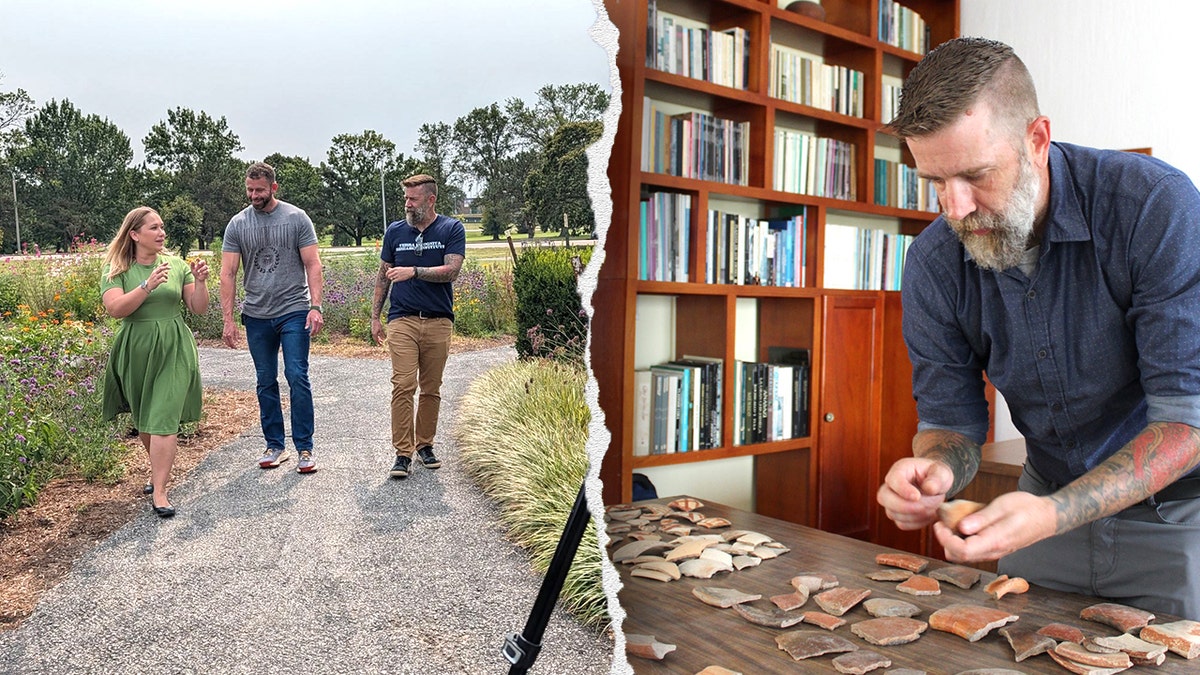
Pierce and Bodine speaking to journalist, Pierce piecing together old ceramic fragments

Research archaeologists Pierce and Bodine say they’re only “scratching the surface” of what remains undiscovered in Brazil. (Terra Incognita Research Institute)

Building the geoglyphs would have taken a lot of work, the archaeologist noted. 

“They didn’t have modern tools. They didn’t even have horses to help carry the dirt,” Pierce said. “This would have been done 100% by carrying basket-loads of dirt one man at a time. Imagine how big of an undertaking this must be.”

RARE ANCIENT GOLD DISCOVERY MADE BY FLORIDA STUDENT AT ARCHAEOLOGICAL SITE

Pierce also described the Amazon as “one of the last frontiers” in archaeology, estimating that 90% of the region’s geoglyphs are still undiscovered – though LiDAR technology is changing that.

“We have to be willing to get dirty, roll up our sleeves, put ourselves out there, and take some risks,” he said. “That’s how the explorers did it in the past. And that’s how we conduct our research.”

LiDAR image of geoglyphs in Brazil

Many geoglyphs are so massive they can only be viewed from the air, not the ground. Above is a newly identified geoglyph that Pierce and Bodine say they will study in Brazil. (Terra Incognita Research Institute)

Remarkably, the research expedition is being crowdfunded, as traditional funding like grants and university support is “increasingly difficult to come by,” Pierce said.

CLICK HERE TO SIGN UP FOR OUR LIFESTYLE NEWSLETTER

“The Terra Incognita Research Institute … allows us to try to still do research without grants or using taxpayer dollars in any way,” he noted.  “We are putting faith in a sort of new approach to research that doesn’t rely on tax dollars, grants, or even university support. Rather, [we’re] making ourselves accountable to the public.” 

“We know people would never expect this type of research to be coming out of a university in the Ozark Mountains.”

“[We] hope that the public sees value in our work enough that they will chip in a few dollars here and there to help us out. We aren’t here to profit. We are here to explore. This right here is a passion project.”

For more Lifestyle articles, visit foxnews.com/lifestyle

Pierce said the expedition is also a chance to show that world-class research comes out of the Ozarks too. Both he and Bodine were born and raised in Missouri.

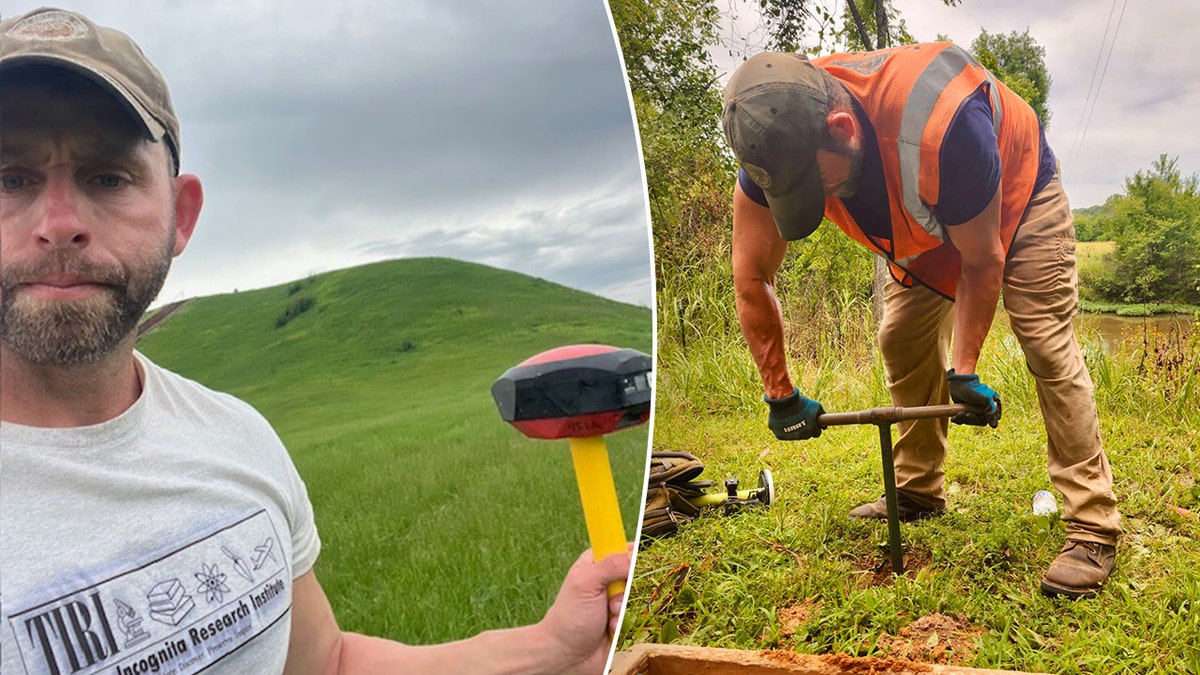
Bodine holding hammer, Bodine using equipment in ground

“We have to be willing to get dirty, roll up our sleeves, put ourselves out there, and take some risks,” said Pierce. (Terra Incognita Research Institute)

“We have both moved around a lot, and have even lived, studied and worked in other countries and states,” the archaeologist said. “But we both somehow ended back up in Missouri.”

Pierce emphasized that Terra Incognita Research Institute is just a “group of normal people trying to do extraordinary things.”

CLICK HERE TO GET THE FOX NEWS APP

“We know people would never expect this type of research to be coming out of a university in the Ozark Mountains,” he added. 

“But we are demonstrating that everyone has a shot at chasing big goals, even if they do sound crazy, like they are straight out of an Indiana Jones movie.”