How this breakthrough bionic hand uses AI
The Mia Hand is a smart device that can sense the environment and adjust its grip accordingly. It can perform five different types of grasps, such as pinch, power, precision, lateral and extension.
Imagine losing your hand in an accident and having to live with a prosthetic limb that is clumsy, uncomfortable and limited in functionality. That is the reality for millions of people around the world who suffer from amputation or congenital limb deficiency.
But what if there was a way to restore the natural sensation and movement of your hand using a bionic device that is connected to your nervous system and adapts to your needs?
That is the vision of Mia Hand, a groundbreaking creation by Prensilia, an Italian robotic hand prosthetics company.
What is the AI bionic hand?
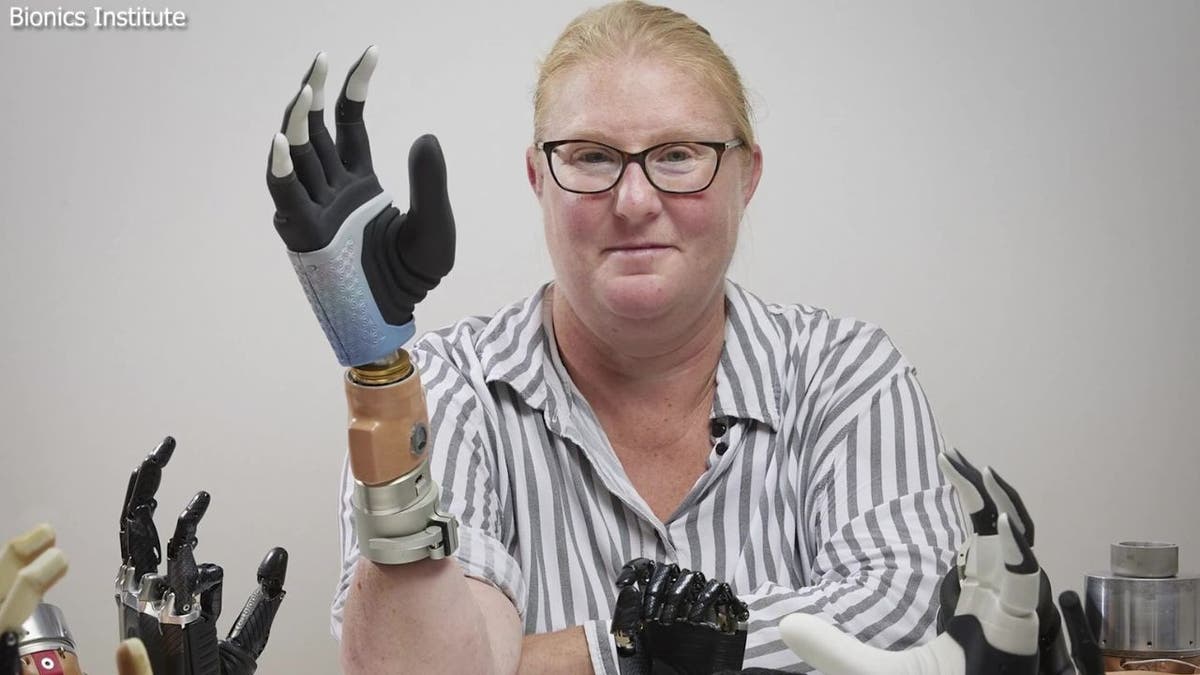
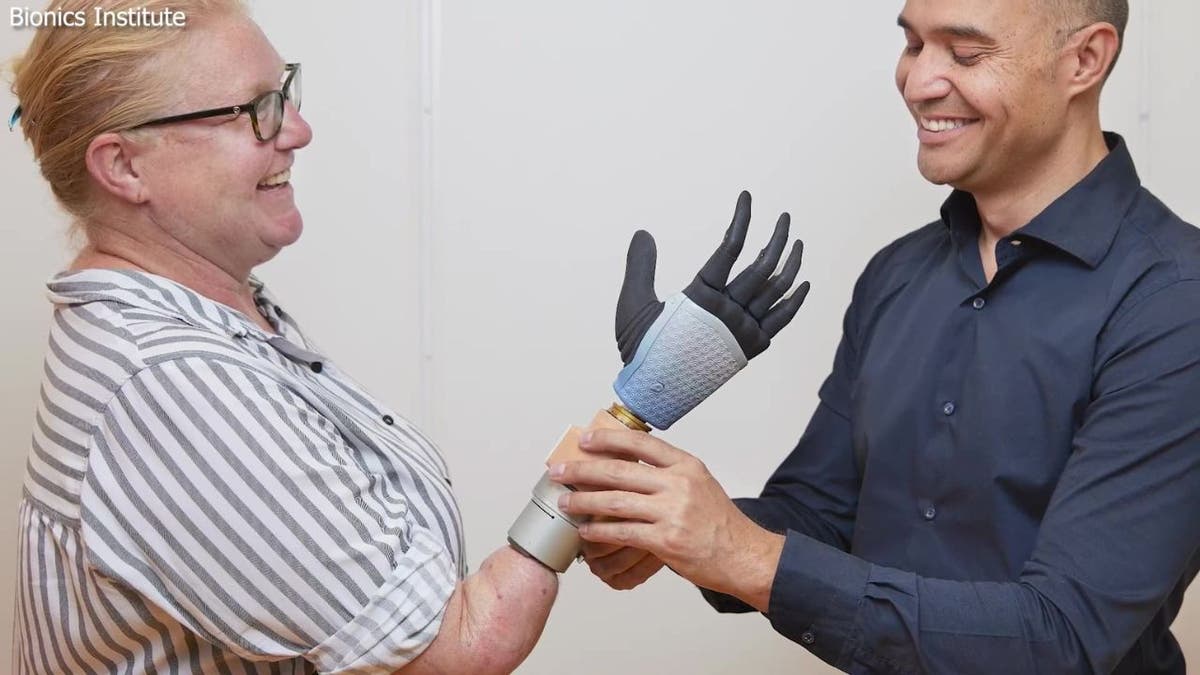
The Mia Hand is a smart device that can sense the environment and adjust its grip accordingly. It can perform five different types of grasps, such as pinch, power, precision, lateral and extension, which cover most of the daily activities that require hand manipulation. (Cyberguy.com)
The Mia Hand is not your typical prosthetic hand. It is a smart device that can sense the environment and adjust its grip accordingly. It can perform five different types of grasps, such as pinch, power, precision, lateral and extension, which cover most of the daily activities that require hand manipulation. It promises to provide 80% of daily movements.
How this breakthrough bionic hand uses AI
The Mia Hand uses artificial intelligence (AI) to interpret the brain signals of the user and translate them into movements of the prosthesis. The AI also helps the user to feel some sensations in the artificial hand, such as touch and pressure.
MORE: BREAKTHROUGH PROSTHETIC FINGERS REVOLUTIONIZE THE LIVES OF AMPUTEES
How does the AI bionic hand work?
The Mia Hand is also designed to be comfortable and easy to use. It has a lightweight structure that fits snugly on the patient’s arm, and it can be customized with different colors and skins. It also has a wireless charging system that allows the user to recharge the battery without removing the device.
The key technology behind the Mia Hand is the HMI, which is a titanium implant that is inserted into the patient’s arm bone. The HMI has electrodes that connect to the nerves and muscles of the residual limb, allowing bidirectional communication between the brain and the device.
The HMI also has sensors that detect the user’s intention and movement and send signals to the Mia Hand’s microcontroller. The microcontroller then activates the motors and actuators that control the fingers and thumb of the device.
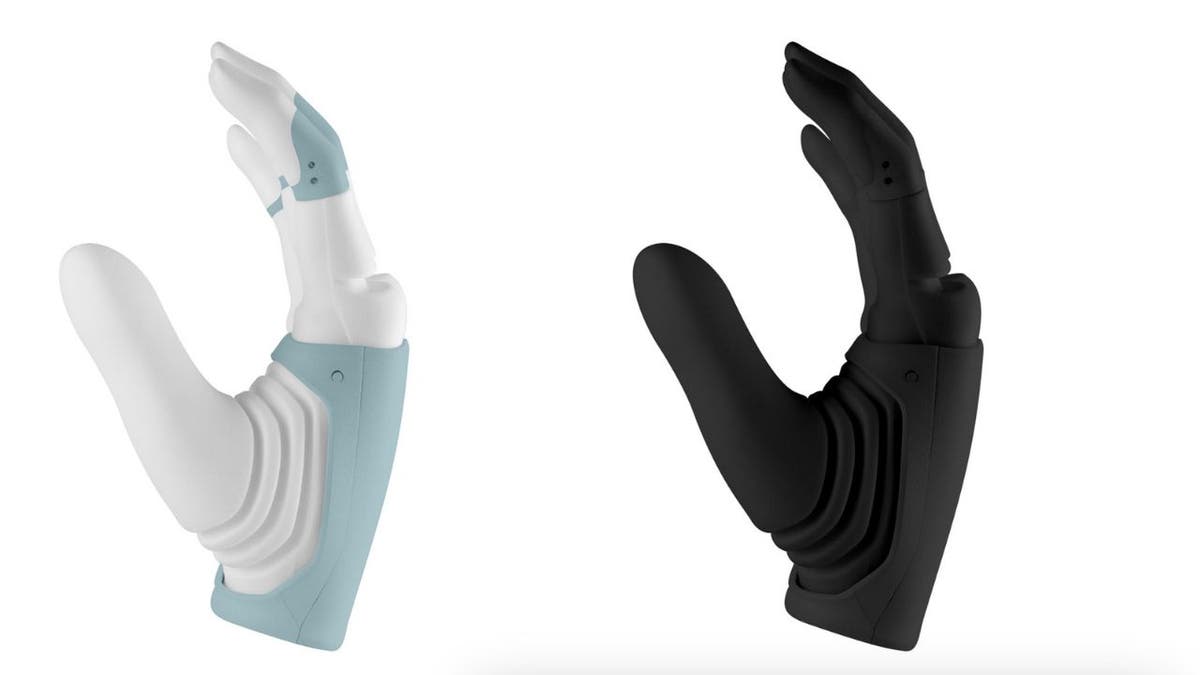
The Mia Hand is a smart device that can sense the environment and adjust its grip accordingly. (Prensilia)
MORE: NEBRASKA MAN GETS CREEPY 3D-PRINTED FINGER REPLACEMENT 20 YEARS AFTER TRAGIC MISHAP
The Mia Hand also has sensors on its fingertips that measure the force and contact area of the object being grasped. These sensors send feedback signals to the HMI, which then stimulates the nerves of the patient, creating a sensation of touch.
The AI bionic hand helps reduce phantom pain
One of the most remarkable benefits of the Mia Hand is that it helps reduce phantom pain, which is a chronic condition that affects many amputees. Phantom pain is when the amputee feels pain or discomfort in the missing limb, even though it is no longer there.
Phantom pain is caused by abnormal activity in the brain and spinal cord, which still receives signals from the severed nerves of the amputated limb. The brain interprets these signals as pain or other sensations.
The Mia Hand helps alleviate phantom pain by providing natural sensory feedback to the brain, which overrides the abnormal signals. By restoring a sense of touch and movement in the hand, the patient feels less disconnected from her body and more in control of her prosthesis.
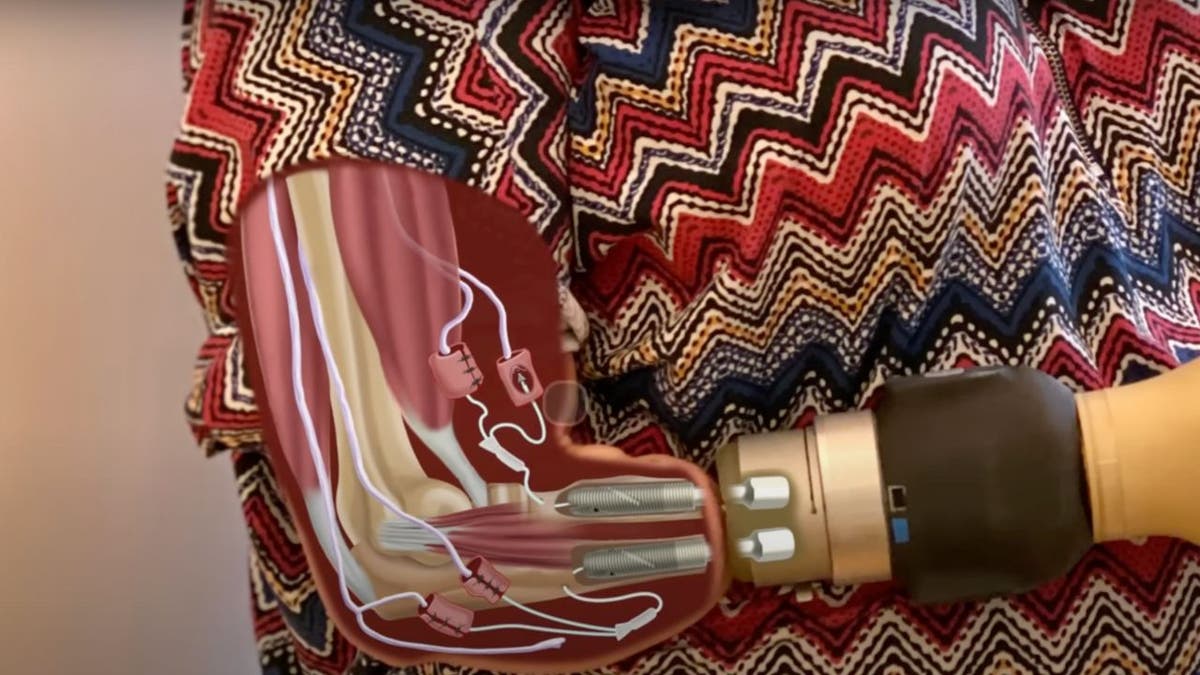
The Mia Hand has five different types of grasps, such as pinch, power, precision, lateral and extension, which cover most of the daily activities that require hand manipulation. (Center for Bionics and Pain Research )
A farmer tests the AI bionic hand during a 3-year experiment with extraordinary results
One of the first users of the Mia Hand is Karin, a 45-year-old farmer from Sweden who lost her left hand in a farming accident when she was 25. She had been using a conventional prosthetic hand for 20 years, but she was never satisfied with it.
She decided to try the Mia Hand after hearing about it from her doctor. She underwent surgery to implant a human-machine interface (HMI) on her arm, which connects the artificial structure to her skeleton and nerves. She is fondly referred to as the “real bionic woman” by the researchers who developed this technology.
Since then, Karin has been using the Mia Hand for three years, and she says it has changed her life for the better.
“I feel like I have my hand back,” she said. “I can do things that I couldn’t do before, like holding a glass, typing on a keyboard or playing with my kids. I can also feel the temperature and texture of objects, which is amazing.”
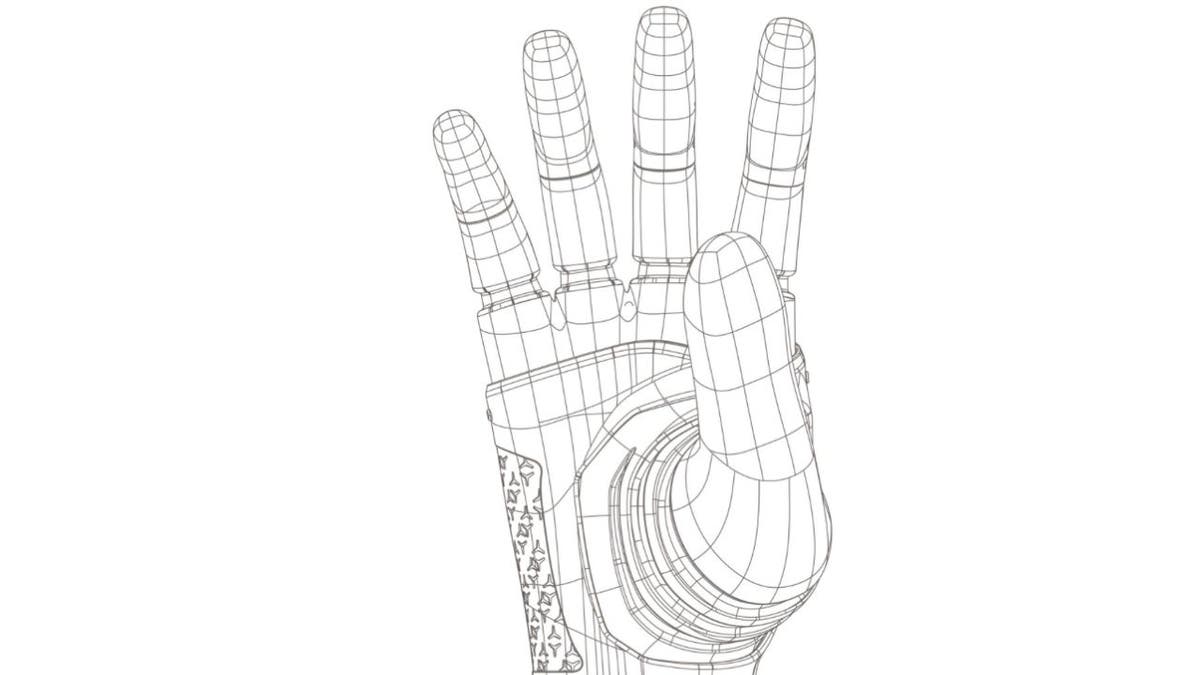
The Mia Hand is a smart device that can sense the environment and adjust its grip accordingly. It can perform five different types of grasps, such as pinch, power, precision, lateral and extension, most of the daily activities that require hand manipulation. (Prensilia)
MORE: ELON MUSK’S CREEPY BRAIN-COMPUTER INTERFACE GETS GREEN LIGHT FOR HUMAN TRIALS
When will the Mia AI bionic hand be available?
The Mia Hand is still in the development and testing phase, but it has already shown promising results in clinical trials with amputee patients. The company hopes to launch it commercially by 2025.
Kurt’s key takeaways
The Mia Hand is an innovative solution that aims to improve the quality of life of people who have lost their hands or fingers. It offers a high level of functionality, comfort and naturalness that surpasses conventional prosthetic devices. It also shows how science and engineering can work together to create devices that enhance our abilities and restore our dignity.
How do you think the Mia Hand could inspire more innovation and research in the field of bionics and prosthetics? Let us know by writing us at Cyberguy.com/Contact
For more of my tech tips & security alerts, subscribe to my free CyberGuy Report Newsletter
Ask Kurt a question or let us know what stories you’d like us to cover
CLICK HERE TO GET THE FOX NEWS APP
Answers to the most asked CyberGuy questions:
● What is the best way to protect your Mac, Windows, iPhone and Android devices from getting hacked?
● What is the best way to stay private, secure and anonymous while browsing the web?
● How can I get rid of robocalls with apps and data removal services?
Copyright 2023 CyberGuy.com. All rights reserved.