3.4 C
New York
Thursday, February 19, 2026
Home Blog Page 991

As more pharmacies close, criminals sell fake pills online: ‘Significant health risks’

0

As more pharmacies close across the U.S., a growing number of people are going online for their prescription medications — but some experts are warning that fake pills pose a very real risk.

Earlier this month, Rite Aid declared bankruptcy and announced the closure of more than 150 stores nationwide. 

Walgreens and CVS have also shuttered some locations, creating so-called “pharmacy deserts” where people can’t physically buy their essential medicines. This has created a “breeding ground” for counterfeit pills, expired prescriptions and laced medicine, according to Roei Ganzarski, CEO of the Washington-based company Alitheon, which provides technology for counterfeit identification and traceability.  

NARCAN NASAL SPRAY IS AVAILABLE FOR OVER-THE-COUNTER PURCHASE IN US: ‘LIFESAVING DRUG’

The problem is most extreme in rural areas, he noted.

“In general, a company would start cutting costs where there’s less demand,” he told Fox News Digital in a phone interview. 

As more pharmacies close across the U.S., a growing number of people are going online for their prescription medications. (iStock)

“If there’s a pharmacy in the middle of a condensed neighborhood, it’s probably making more money than a pharmacy in a rural area, small town or farmland, and so those will probably be the first to go.”

Why are pharmacies closing?

Irene Brako, PharmD, a pharmacy manager at Walgreens in Washington, D.C., noted that retail pharmacy chains face challenges that include fierce competition, low-profit margins on prescription drugs and changing consumer behaviors. 

“Retail crime, staffing shortages and a lack of adequate store investment have further strained operations,” she told Fox News Digital.

COVID DRUG PAXLOVID, WHICH HELPS PREVENT SEVERE SYMPTOMS, WILL DOUBLE IN PRICE AS PANDEMIC EBBS

Also, fewer people are pursuing pharmacy technician jobs due to low salaries and the availability of alternatives, Brako noted.

“These challenges have led to the closure of numerous pharmacies, which is impacting access to essential health care services in various communities,” she said.
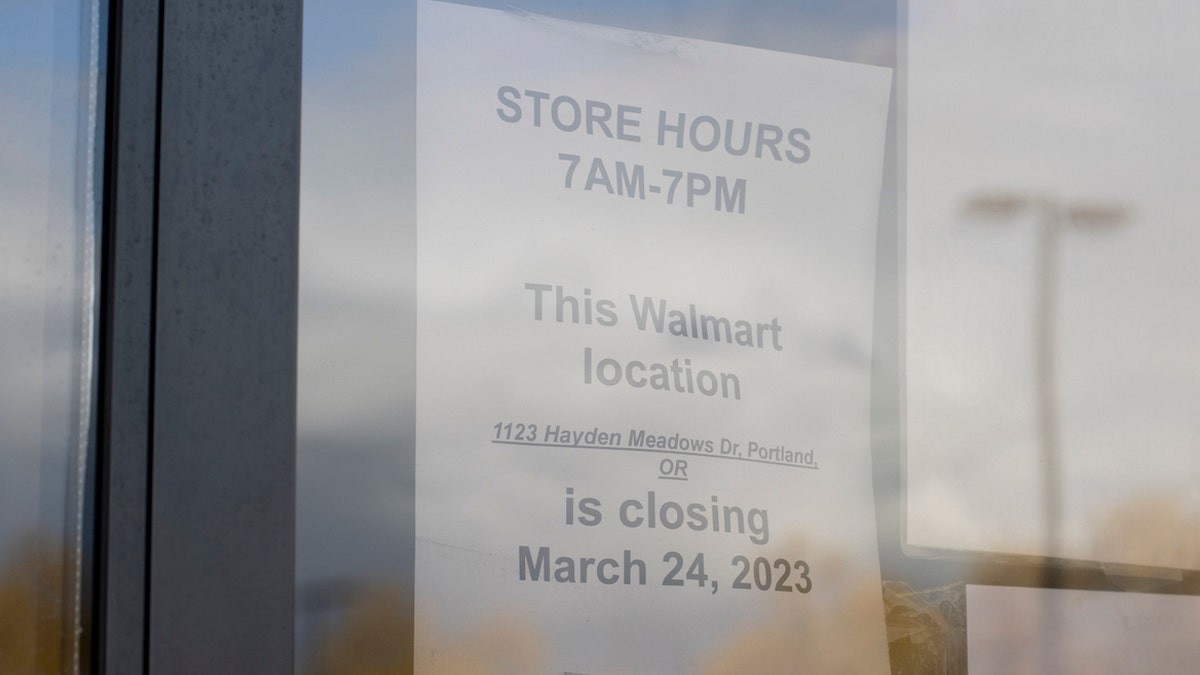
Walmart closing

A store closing notice is seen at the entrance to the Walmart Supercenter in North Portland, Oregon. Retail pharmacy chains face challenges that include fierce competition, low-profit margins on prescription drugs and changing consumer behaviors, a pharmacy manager told Fox News Digital. (iStock)

Viraj Ghandi, the founder of Medivant Healthcare in Scottsdale, Arizona, confirmed to Fox News Digital that pharmacies have been closing down — especially independent stores — for the last two decades. 

“There were 55,000 independent pharmacies in the early 2000s, and this number is down to 25,000 this year,” said Ghandi, who has 25 years of pharmaceutical manufacturing experience. 

One of the main reasons is that reimbursement rates from pharmacy benefit managers have come down substantially, he said. 

OZEMPIC, WEGOVY MAY BE LINKED TO STOMACH PARALYSIS AND OTHER DIGESTIVE ISSUES IN LARGE-SCALE STUDY

“A pharmacy earns a margin of between 25% to 30% on generic medications,” Gandhi told Fox News Digital. 

“The prices of most of these generics have come down significantly — thereby squeezing the money earned by the pharmacy.”

Gandhi calls the low margins and the increasing cost of labor a “deadly combination” for pharmacies.

Options in ‘pharmacy deserts’

When people no longer have physical pharmacies nearby, they have three options, according to Ganzarski.

“And that is happening with elderly people with disabilities who can’t go online, or maybe it’s too expensive or too complex, or they can’t drive for hours to get it,” he said.

“When you go digital, you just don’t know who you’re ordering from or what it is you’re actually getting — and yet you’re putting it in your body.”

The second alternative is that someone will drive to the nearest pharmacy, which is inconvenient, costly and time-consuming.

Then there’s the easiest solution, said Ganzarski — which is to go online, type in the name of the medicine and order it.

Man with prescriptions

The challenge with purchasing pills online, an expert said, is that you often don’t know what you’re getting. (iStock)

This may work out fine if people are buying from the actual company’s legitimate website — but there’s danger when they find themselves on a third-party site.

“They might think, ‘Oh, look, I can buy it from this company in Canada or Taiwan and it’s cheaper,’” said Ganzarski. “They may not even know who it is, but hey, it says the name of their medicine and it’s much cheaper.”

CALLS TO POISON CENTERS FOR ADHD MEDICATION ERRORS HAVE RISEN 300% SINCE 2000, STUDY FINDS

“When you go digital, you just don’t know who you’re ordering from or what it is you’re actually getting — and yet you’re putting it in your body,” he added.

Risks of the unknown

There are a few different levels of counterfeit medicine, Ganzarski noted. 

For some people, it might mean getting a medicine that has some trace amounts of the actual chemicals in it, but not enough to actually fight whatever condition they might be treating.
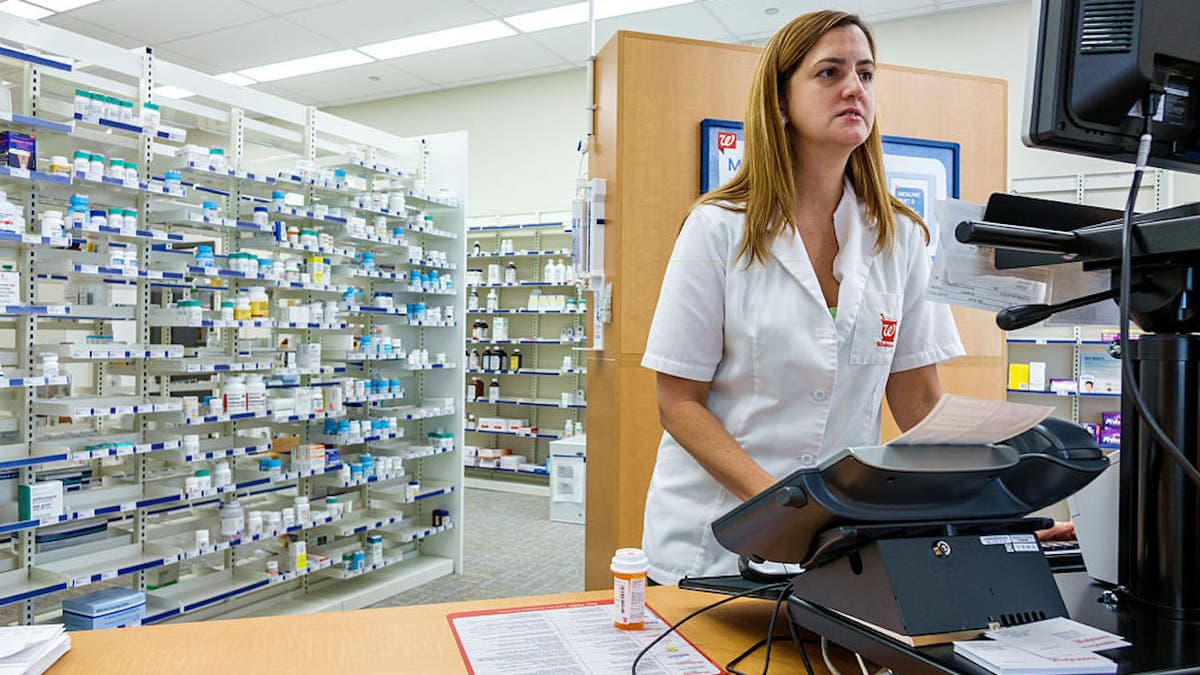
Walgreens pharmacist

Fewer people are pursuing pharmacy technician jobs due to low salaries and the availability of alternatives, a pharmacy manager told Fox News Digital. (Getty Images)

“The second type of counterfeit is when literally there’s nothing there,” Ganzarski said. “You’re just taking a pill that is a placebo, and then you don’t understand why you’re not getting better.”

There is also the potential that a consumer will receive real pills — but the medicine is already expired.

“Bad actors can get their hands on a surplus of old pills that were supposed to be destroyed or thrown away, then change the date and ship them,” Ganzarski warned.

DOCTORS ALERT CONSUMERS TO LAXATIVE ABUSE DANGERS AND ‘WARNING SIGNS’ AMID ONGOING DRUG SHORTAGE

And the most dangerous possibility is for pills to be laced with life-threatening substances.

Deaths from counterfeit pills are rising. The Centers for Disease Control and Prevention (CDC) says the percentage of recent overdoses caused by fake pills increased from 2% in Q3 2019 to 4.7% in Q4 2021.  
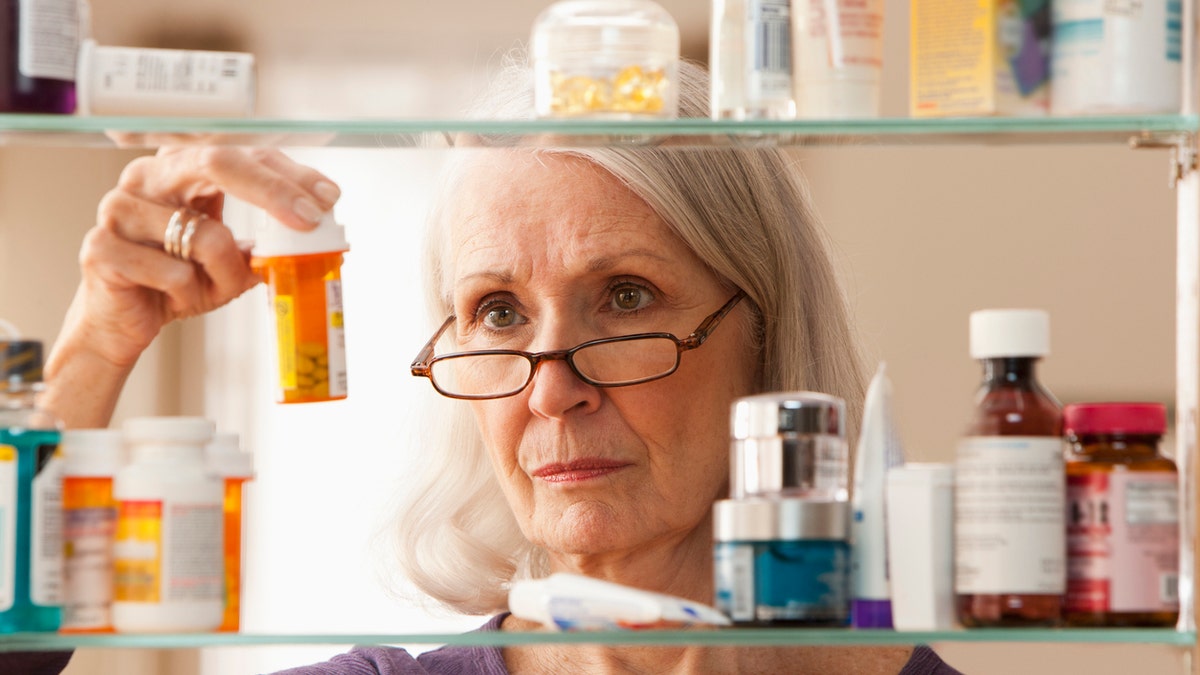
Woman at medicine cabinet

A consumer could receive real pills — but that medicine could have expired, an expert warned. (iStock)

While Ganzarski noted that the government does a great job of trying to find and remove these fraudulent websites, it’s all too easy for criminals to have a new one up and running within minutes.

“These fake pills can pose significant health risks, as they may lack proper quality control, contain incorrect ingredients or have incorrect dosages,” Brako told Fox News Digital. 

“Patients who unknowingly receive counterfeit medications could experience adverse effects, treatment failure or harm to their health,” she added.

Safety tips for buying online medication

The main problem with ordering medications online, Gandhi said, is that most people end up buying from offshore online pharmacies that dispense drugs that are not approved by the U.S. Food and Drug Administration (FDA). 

“This is always risky, and is something the FDA has made a lot of efforts to educate the public about,” he noted.

“Fake pills can pose significant health risks, as they may lack proper quality control, contain incorrect ingredients or have incorrect dosages.”

When buying online, people should only order from licensed pharmacies within the U.S., said Gandhi.

“Almost all insurance companies offer an option of shipping drugs to your home based on your insurance plan,” he said. 

“There have also been other initiatives, like Pillpack and now Mark Cuban’s Cost Plus Drugs, that offer U.S. FDA-approved low-cost generics.”

Pharmacy shipment

When buying online, people should only order from licensed pharmacies within the United States, said an expert. (iStock)

Brako emphasized that patients should only purchase medications from reputable, licensed online pharmacies with a verified internet pharmacy practice site (VIPPS) seal or other regulatory certifications. 

“Always have a prescription from a licensed health care provider for prescription medications,” she added. “Verify the pharmacy’s authenticity, check for customer reviews and ensure secure payment methods.”

CLICK HERE TO SIGN UP FOR OUR HEALTH NEWSLETTER

Shoppers should also report any suspicious websites or products to health authorities to protect others from potential harm, Brako advised.

A good rule of thumb, according to Ganzarski, is that if it’s too good to be true, it probably is.

If a medicine is suddenly much less expensive than usual, that should be a red flag — for example, if it’s usually $100 and is priced at $40.

Woman holding prescription

“Patients who unknowingly receive counterfeit medications could experience adverse effects, treatment failure or harm to their health,” an expert warned. (iStock)

“No website should have to advertise medicine with super-cheap prices,” Ganzarski said. 

If they do that — “there’s probably a reason.”

People should also steer clear of medicine sellers that don’t publish their phone number, address or clear statements about how they ensure quality control, he added.

Even well-known online marketplaces such as Amazon and eBay can fall victim to unscrupulous sellers, Ganzarski warned.

CLICK HERE TO GET THE FOX NEWS APP

Another tip is to call a local hospital or family doctor and ask which pharmacies they recommend as trustworthy. 

“Doctors will have a list that they usually prescribe from in their system,” Ganzarski said.

For more Health articles, visit www.foxnews.com/health

Colorado woman with Alzheimer’s is still vibrant after more than 4 years: ‘I refuse to surrender’

0

Since her Alzheimer’s diagnosis in 2019, a Colorado woman has refused to give in to the disease — and after 4½ years, she is still mentally sharp and virtually symptom-free.

Dr. Rebecca Chopp, who is married with three sons, was 67 when she was diagnosed with mild cognitive impairment (MCI) due to Alzheimer’s disease.

At the time, Chopp thought everything was normal — other than the fact that she’d been sleeping more than usual. 

Then, at her annual physician’s visit, she mentioned that she’d gotten lost on the way to her appointment, which prompted her doctor to run some tests.

ALZHEIMER’S RISK IS REDUCED AMONG WOMEN WHO FOLLOW THE DASH DIET IN THEIR 40S, STUDY FINDS

Ultimately, an MRI and a PET scan led to Chopp’s diagnosis.

“Now, I look back, and I realize there were signs that I wasn’t educated about, and I wasn’t paying attention until my very smart primary care physician put two and two together,” she told Fox News Digital in an interview via Zoom.

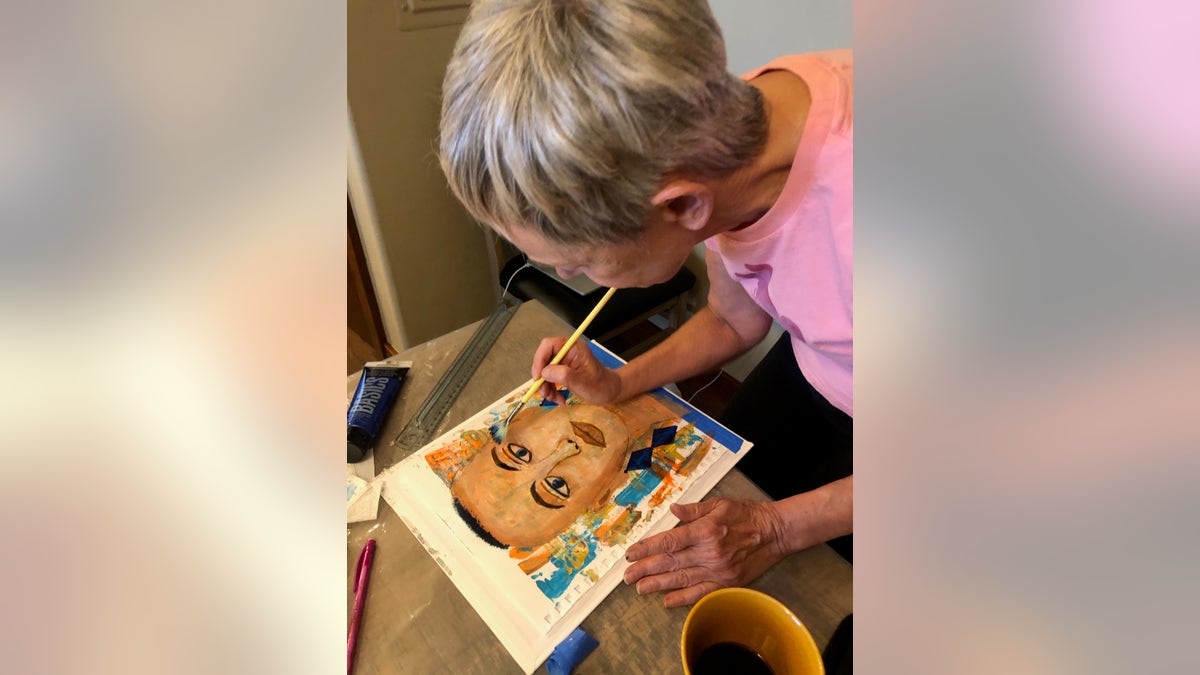
Since her Alzheimer’s diagnosis in 2019, Rebecca Chopp of Colorado has refused to give in to the disease. One of her favorite activities now is painting — something she never considered before.  (Rebecca Chopp)

Among those missed signs was withdrawal from social activities, Chopp said.

“All of a sudden, I stopped wanting to go to all the galas and parties and dinners that came with my job,” she said, referring to her position as chancellor of the University of Denver. “I just kind of wanted to withdraw into myself.”

NEW DEMENTIA DRUG ‘HAS GIVEN ME HOPE’: ALZHEIMER’S PATIENTS REVEAL THEIR STORIES

She also had a little more trouble with work tasks, but initially chalked it up to getting older or being tired.

“About six out of 10 Americans, even when they see the signs, just don’t want to get that diagnosis because they think it will immediately lead to the last stage of the disease,” Chopp said.

At first, Chopp was devastated at the idea of leaving her distinguished academic career — and at the prospect of missing out on all the retirement activities she’d planned with her husband.

Rebecca Chopp

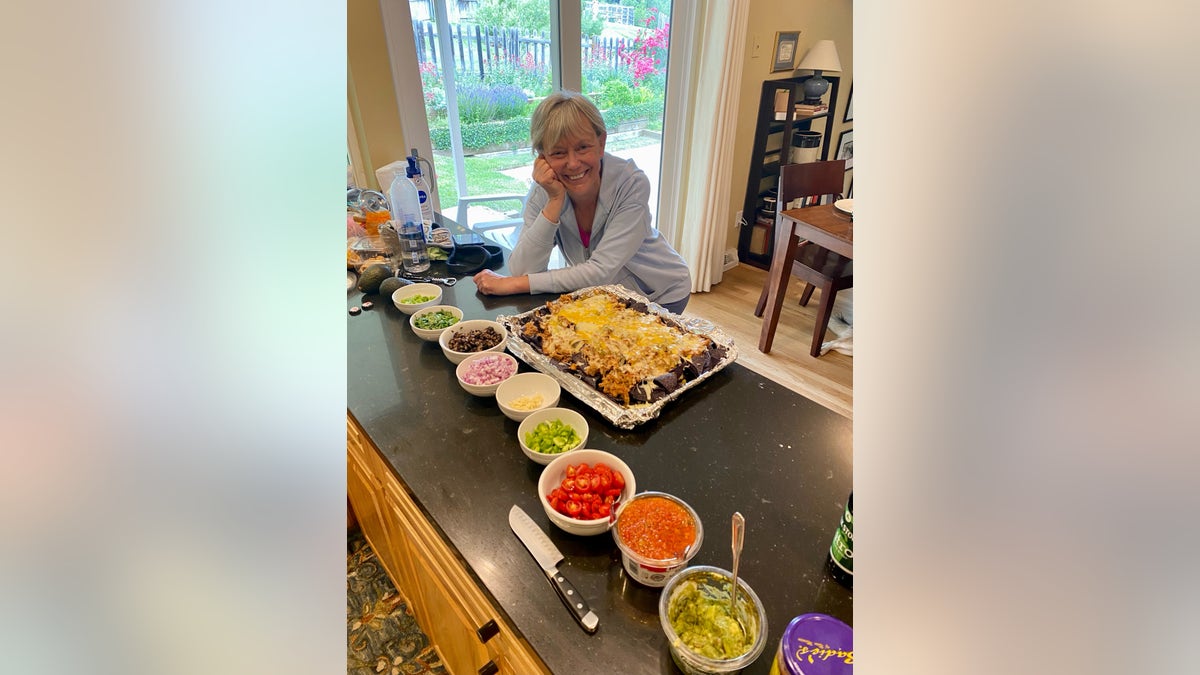
Chopp (pictured) follows the MIND diet, which is a hybrid of the Mediterranean and DASH diets. (Rebecca Chopp)

Chopp also had a mental picture of her mother and both grandmothers — all of whom died with Alzheimer’s after receiving late-stage diagnoses.

“So when she told me, my husband and I were devastated — it was just an abyss for us,” she recalled.

After Chopp’s initial shock and sadness, she said she faced another challenge when a neurologist provided little information or guidance. 

ASK A DOC: ‘HOW CAN I REDUCE THE RISK OF ALZHEIMER’S DISEASE?’ HERE ARE 3 TIPS

“She told me that in three years, I would not be able to button my own shirts or feed myself,” Chopp recalled. 

Then a second neurologist painted a brighter outlook. This neurologist told Chopp that in light of new research and lifestyle treatments, people with Alzheimer’s could live up to 20 years — and could slow down the progress of their symptoms.

That gave her the encouragement to take control of her disease and reclaim her life.

Rebecca Chopp

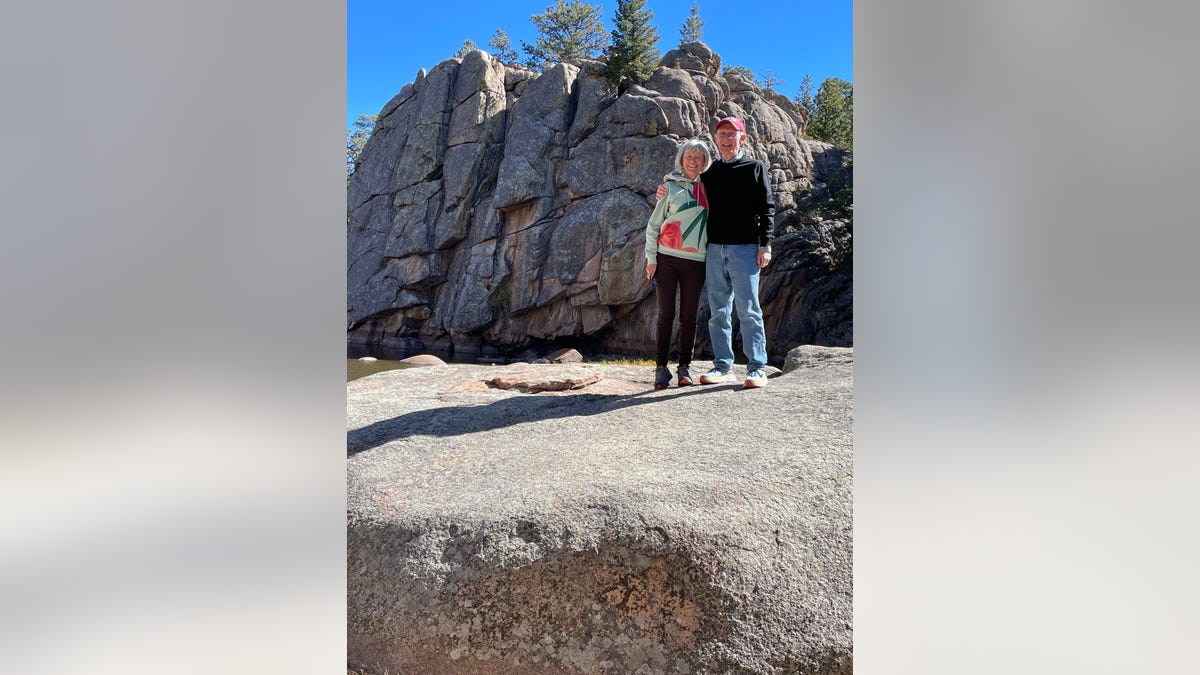
Chopp is pictured hiking on a mountain in Colorado with her husband, Fred Thibodeau. Physical activity is a regular part of Chopp’s routine. (Rebecca Chopp)

Lakelyn Hogan Eichenberger, PhD, a gerontologist and care advocate for Home Instead in Omaha, Nebraska, agreed that lifestyle choices are important for health in later life.

“While there is no one food that can reduce the risk, eating a well-balanced diet is important for reducing the risk of cognitive decline in later life,” she told Fox News Digital. “The DASH and Mediterranean diets have been shown to be most effective.”

ALZHEIMER’S RISK IS REDUCED AMONG WOMEN WHO FOLLOW THE DASH DIET IN THEIR 40S, STUDY FINDS

“In addition to diet, other important lifestyle factors include regular exercise, quality sleep, stress management, keeping your brain engaged, and maintaining social connections.”

Chopp shared with Fox News Digital what she calls the “four pillars” of her fight against Alzheimer’s.

1. Feeding the brain with optimal nutrition

Chopp follows the MIND diet, which is a hybrid of the Mediterranean and DASH diets.

Rebecca Chopp

Exercise has also proven to be a great way to stimulate her creativity, said Chopp, who just finished writing a book about her Alzheimer’s journey. (Rebecca Chopp)

Dr. Martha Clare Morris and colleagues at the Harvard Chan School of Public Health and Rush University Medical Center first introduced the diet in 2015 as a means of promoting brain health in older adults

“It also includes additional blueberries, walnuts, lots of salmon, sardines, avocados — foods that we know are good for the brain,” Chopp told Fox News Digital. 

THE 8 BIGGEST ALZHEIMER’S DISEASE MYTHS — AND THE TRUTHS BEHIND THEM

She also cut out processed foods, as they have been shown to trigger the inflammation in the brain that contributes to Alzheimer’s symptoms.

“I wish I’d known about the importance of diet when I was 40,” she said.

2. Moving to benefit the mind

Exercise has been proven to help prevent cognitive decline and slow the related symptoms.

“Exercise flushes the brain with good chemicals and literally creates a kind of protein that may grow that section of the brain where your memories are,” Chopp said.

“I began to realize that I could live with joy, that I could live well, that I could live in a state of abiding awe and have a great quality of life.”

Physical activity is a regular part of Chopp’s routine. It also provided the perfect excuse for her to get a puppy — which she’d wanted for 25 years.

“I walk with my dog, maybe an hour and a half a day, and I also do strength training,” she said.

Chopp also does kickboxing, ballet and yoga — activities that engage the brain and the body.

Rebecca Chopp

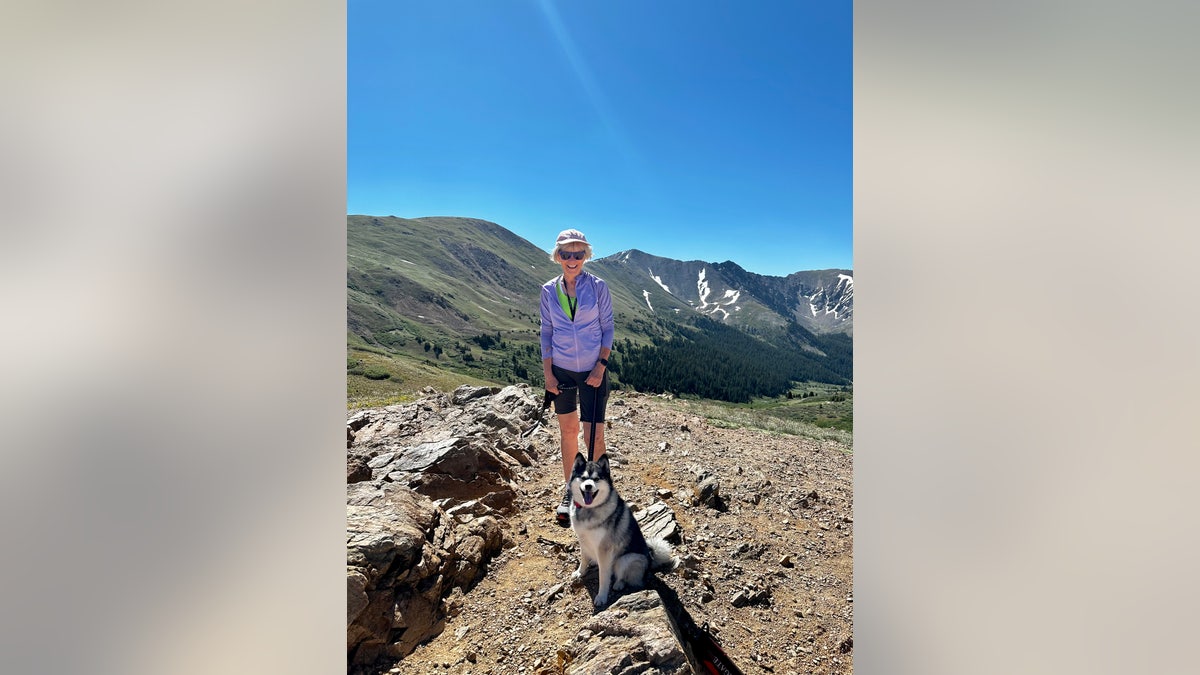
Exercise has been proven to help prevent cognitive decline and slow the related symptoms. Chopp is pictured here with her dog.  (Rebecca Chopp)

Exercise has also proven to be a great way to stimulate her creativity, said Chopp, who just finished writing a book about her Alzheimer’s journey.

“The only way I was able to write that with Alzheimer’s over the course of 11 months was to work on it for two hours each day after walking with my dog in the morning,” she said. “It was amazing how much better my concentration was.”

3. Living with joy and awe

One piece of advice from the second neurologist stuck with Chopp: It was to “live with joy.”

“Attitude is key in life,” she told Fox News Digital. “When you’re faced with this sort of devastating news, you kind of go into a dark underworld at first — but when I began to realize that I could live with joy, that I could live well, that I could live in a state of abiding awe and have a great quality of life, my attitude got a lot better.”

DEMENTIA’S STAGGERING FINANCIAL COST IS REVEALED IN NEW REPORT: IT’S ‘BANKRUPTING FAMILIES’

For many Alzheimer’s patients, Chopp said, the diagnosis leads them to “get grumpy” and withdraw socially.

Chopp urges them to follow her lead in refusing to surrender.

“For the most part, I live with joy,” she said. “I now have time to spend with my husband, who patiently put up with me working 14- to 16-hour days. I spend time with my family and friends.”

Rebecca Chopp

Since her diagnosis, Chopp has sought out ways to pursue creative endeavors to keep her brain sharp, including painting. (Rebecca Chopp)

Chopp has also embraced advocacy efforts to support Alzheimer’s research and treatment, which has allowed her to meet many other people who are traveling the same journey.

As a member of the National Early-Stage Advisory Group, she works to help others live their best lives after an Alzheimer’s or dementia diagnosis.

“It has given me a tremendous sense of purpose,” Chopp said. “And I think we all know how comforting that is, to be encouraged, to cry with one another, to know you’re not alone.”

4. Embracing creativity

Since her diagnosis, Chopp has looked for ways to pursue creative endeavors to keep her brain sharp.

In addition to writing, she’s begun painting — something she never considered before.

“For a brain-healthy lifestyle, whether you worry about Alzheimer’s or not, you’ve got to tap into that creative side.”

“One of the things the second neurologist told me is that I needed to engage the other side of my brain, that I could form new neural pathways through creativity,” Chopp told Fox News Digital.

An artist friend took Chopp to the mountains and taught her to paint. Now, several years later, she is painting professional portraits. 

"Still Me" book jacket

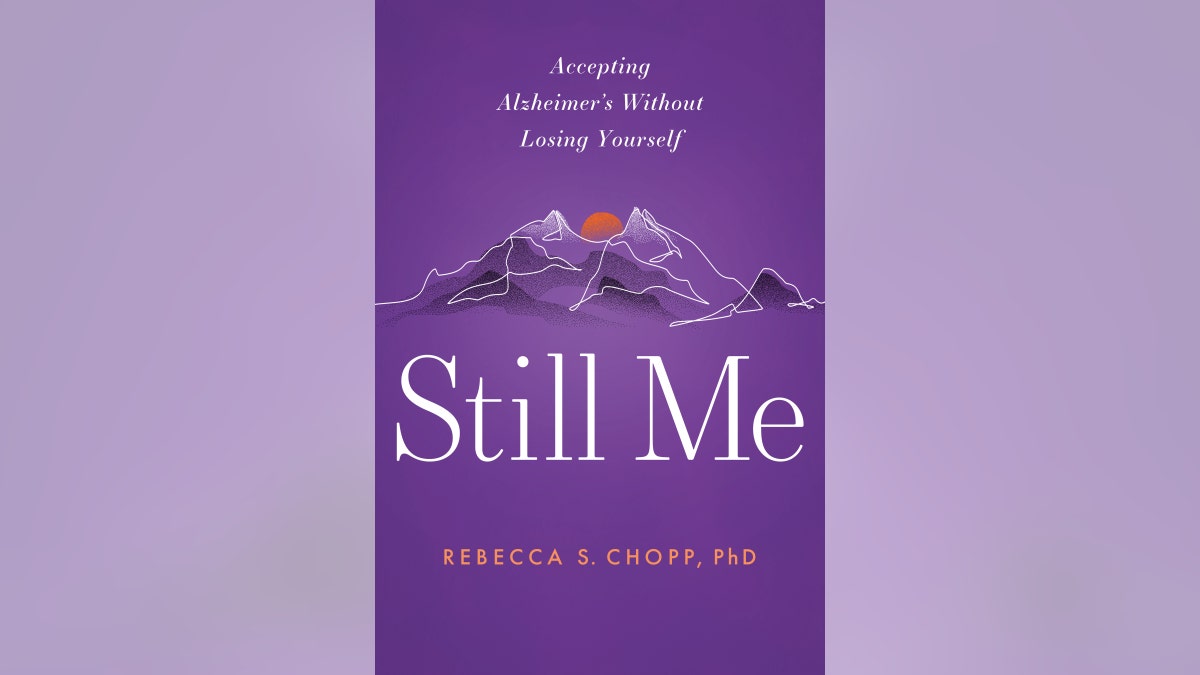
“Still Me” by Rebecca Chopp, PhD, will be available in early 2024, with pre-orders beginning in November. “Everybody and every brain is unique,” she said. (Rebecca Chopp)

“But it doesn’t matter how good you are — you can doodle, you can dance, you can garden, you can woodwork,” she said. 

“For a brain-healthy lifestyle, whether you worry about Alzheimer’s or not, you’ve got to tap into that creative side.”

These days, Chopp’s doctors are “very pleased” with how her lifestyle interventions have slowed the progression of her disease.

“It’s really important to educate yourself about the disease and its progression. Get help and support from others and refuse to surrender.”

“The last time I was in the office, which was three weeks ago, the neurologists told me that I was pretty much the same as I was three or four years ago,” she said.

Chopp realizes that won’t always be the case — but what she’s doing is working, and she said she’s not the only one.

CLICK HERE TO SIGN UP FOR OUR HEALTH NEWSLETTER

“I have learned there is so much you can still do,” she said. “It’s really important to educate yourself about the disease and its progression. Get help and support from others and refuse to surrender.”

“Everybody and every brain is unique,” she told Fox News Digital. “But I think almost everyone will be able to delay the rapid progress of these symptoms through lifestyle and medical treatments.”

Chopp’s book, titled “Still Me: Accepting Alzheimer’s Without Losing Yourself,” from MFF Publishing (Morgridge Family Foundation), will be available via Amazon and other outlets in February, with pre-orders starting in November.

CLICK HERE TO GET THE FOX NEWS APP

Before Chopp’s diagnosis, she was a widely published author and editor, an ordained minister and a well-known academic in the fields of education, philosophy, religion and feminism, according to the foundation. 

Prior to her role as 18th chancellor of the University of Denver, she served in leadership positions at Swarthmore College, Colgate University, Emory University and Yale University. 

For more Health articles, visit www.foxnews.com/health

Bitcoin is evolving into a multi-asset network

0


For more than a decade, the primary narratives surrounding Bitcoin (BTC) have focused on its role as a peer-to-peer digital cash and store of value.

However, all indications suggest that we are witnessing a significant shift in this paradigm.

Since the beginning of 2023, one of the most discussed topics in the Bitcoin ecosystem has been the use of the world’s leading blockchain to store information that goes beyond the previously mentioned use cases.

Related: Bitcoin fragments could become more valuable than full Bitcoins

If you have been isolated in an igloo during this crypto winter and are unaware of the developments, here is a brief overview.

In January 2023, developer Casey Rodamor introduced Ordinals to the world, a protocol that allows you to permanently inscribe any file into the Bitcoin blockchain.

This wasn’t the first method created for such an action, but it gained the most traction, creating a trend where nonfungible token (NFT) collections, music, video games, journalistic articles, and even WikiLeaks records began to be stored in an eternal and immutable manner on the world’s largest decentralized network.

As a result, experiments, innovation, and the perspective of the Bitcoin network as a vast decentralized database began to simmer.

Despite being less than a year old, the Ordinals protocol has been evolving remarkably to become more efficient and to enable bolder use cases.

One of the noteworthy enhancements is the technique of recursive inscriptions, which allows users to circumvent the 4-megabyte storage limit per block, enabling the insertion of larger data on the Bitcoin blockchain.

As an example — illustrated by the image below — I inscribed an entire article from Cointelegraph on Bitcoin using a recursive inscription.

4b0ce2fe 8d2b 46ea b8f4 bbda4c8c5eb9
Cointelegraph article inscribed on Bitcoin as Ordinal inscription #35,185,228. Source: https://www.ord.io/35185228

In total, eight inscriptions were made to achieve the final result, at a total file size of 5.22 kilobytes. (That’s small.) Seven of the inscriptions were images from the article, each stored individually in a Satoshi through the Ordinals protocol. The eighth inscription comprises a code that contains the article’s text and issues requests to retrieve the images from the other Satoshis.

Related: Bitcoin has entered a civil war — Over ‘art’

This assembly allowed for the complete article to be eternally inscribed on the Bitcoin blockchain, a feat that couldn’t have been achieved in a single step while maintaining quality.

Leonidas, a developer within the Ordinals community, offered an even more profound perspective on the matter on Twitter, writing:

What if lots of people upload lots of packages of code into the Bitcoin Blockchain? So now there is a huge repository of packages for developers to build on top of. This would unlock powerful use cases that could never be accommodated in under 4 MB. The most complex pieces of software are just a bunch of code compiled together after all. Now it becomes possible to put a complex 3D video game fully on-chain on Bitcoin.

With just this, a world of possibilities can be contemplated and reimagined. After all, the ability to use the world’s leading blockchain as an immutable, shared, and uncensored data storage is huge.

But the innovations don’t stop there!

In October, Lightning Labs announced the first mainnet release of Taproot Assets (TARO), further enhancing the Bitcoin blockchain as a multi-asset network.

This could not have occurred at a more opportune time, given the enthusiasm ignited by the Ordinals protocol and the way it paved the path for TARO to shine alongside it.

The Ordinals Protocol has broadened the perspective of users and builders, allowing them to construct and view Bitcoin as a network of multiple assets.

Ordinals assets — via flooding the network with transactions — compelled Binance to implement an integration with Lightning. This key factor, combined with low costs, decentralization, and high network settlement speed, makes trading other coins and assets very attractive through Taproot Assets.

And among the various applications of the TARO protocol, one of the most mentioned is the ability to issue stablecoins on the Bitcoin blockchain.

The shift in paradigm is monumental as it paves the way for Bitcoin to transform from being primarily an exchangeable asset to becoming the medium through which exchanges occur.

This innovation is going to empower builders to import successful use cases from other chains and bring them back to the mothership.

Some even joke that all other chains are just Bitcoin’s test nets. Does it all lead back to Bitcoin?

Overall, we could say that we are on the edge of a new Bitcoin era — the era of the multi-asset orange network.

In addition to attracting and retaining more developers who may be interested in these new protocols, these new applications also have the potential to draw in and retain new users who initially didn’t find interest or value in Bitcoin as a store of value.

For some, transforming the world can sometimes occur through the simple enjoyment of some fun, encrypted sports cards. But with the optimization of Ordinals, the number of possibilities will continue expanding.

bdca6d4d af2f 4248 94ab 2662e946e15e
A January 1993 post authored by Hal Finney speculating on the idea of marketing digital cash as cryptographic trading cards. Source: Compuserve

Hal Finney, a prominent cypherpunk — and the first person to receive a transaction from Bitcoin creator Satoshi Nakamoto — wrote in a 1993 post on Compuserve: “Giving a little more thought to the idea of buying and selling digital cash, I thought of a way to present it. We’re buying and selling cryptographic trading cards.”

Finney knew, and now you know too.

Lugui Tillier is the chief commercial officer of Lumx Studios, a Web3 studio that counts BTG Pactual Bank, the largest investment bank in Latin America, among its investors. Lumx Studios has previous Web3 cases with Coca-Cola, AB InBev, Nestlé and Meta. The author holds investments related to the Ordinals Protocol, though none named in this article.

This article is for general information purposes and is not intended to be and should not be taken as legal or investment advice. The views, thoughts and opinions expressed here are the author’s alone and do not necessarily reflect or represent the views and opinions of Cointelegraph.


Source link

Bitcoin price hits all-time highs across Argentina, Nigeria and Turkey

0


The price of Bitcoin (BTC) has notched new all-time highs against some of the world’s most inflationary fiat currencies.

Across 30 hours over Oct. 23 to 24, the cost of buying one Bitcoin has reached all time-highs when using the Argentine peso, Nigerian naira, Turkish lira, Laotian kip and the Egyptian pound.

However, it should be noted that the result is due to the ongoing devaluation of the currencies, exacerbated by Bitcoin’s recent 16% price increase.

The naira and lira fell to their lowest points against the United States dollar on Oct. 24 and Oct. 25, while the peso is only 0.85% off its all-time low (against the U.S. dollar).

According to the International Monetary Fund (IMF), the Venezuelan bolivar currently has the highest annual inflation rate at 360%, followed by the Zimbabwean dollar (314%), Sudanese pound (256%) and the Argentine oesi (122%).

The Turkish lira and Nigerian naira came in sixth and 15th with annual inflation rates of 51% and 25%, respectively, IMF’s data shows.

5173fca8 3cae 43c1 8da5 cfe94bb81020
Heat map of countries in the world with corresponding annual inflation rates. Source: IMF

Crypto observers have long seen digital assets, such as Bitcoin and stablecoins, as a hedge against rocketing inflation — and recent figures could bolster that narrative.

Nigeria, Turkey and Argentina boast the second, 12th and 15th highest rates of cryptocurrency adoption worldwide, according to a Sept. 12 report by Chainalysis.

However, the governments of these countries haven’t always seen eye-to-eye with the cryptocurrency industry. 

Nigeria is finally becoming more welcoming to cryptocurrencies after its central bank banned local banks from providing services to cryptocurrency exchanges in February 2021.

Progress was made in December 2022 when Nigeria announced its intention to pass a bill recognizing cryptocurrencies as “capital for investment,” citing the need to keep up with “global practices” as one of the main reasons behind its change in stance.

And while Turkey is home to some of the most crypto-curious people, its central bank banned cryptocurrency payments for goods and services in April 2021. It has also been working on a central bank digital currency (CBDC) to digitalize the Turkish lira in recent years.

Meanwhile, Argentina’s inflation crisis could be influenced by the outcome of its presidential election in November, with presidential candidate Javier Milei set to face competitor Sergi Massa in a final run-off vote on Nov. 19.

Related: Turkey to use blockchain-based digital identity for online public services

Massa, who currently serves as the country’s minister of economy, wants Argentina to launch a CBDC “as soon as possible” to “solve” the country’s long-lasting inflation crisis.

He has also voiced an intention to keep the U.S. dollar away from Argentinians, explaining that Argentinians should instead be “patriots” and defend the Argentine peso.

Milei, on the other hand, wants the U.S. dollar to be adopted in addition to abolishing Argentina’s central bank.

Magazine: Unstablecoins: Depegging, bank runs and other risks loom