NEWYou can now listen to Fox News articles!
As the Iran conflict disrupts energy markets and squeezes jet-fuel supplies, there is a concern that airfares could rise in the weeks ahead.
Fuel traders are watching the Strait of Hormuz closely, as disruptions from U.S.-Israeli strikes and retaliatory Iranian drone and missile attacks could quickly ripple through global oil and gas flows, as Fox News Digital previously reported.
Jesse Neugarten, CEO of travel service Dollar Flight Club, told Fox News Digital the conflict in Iran is putting pressure on global oil markets — and fuel is one of the biggest costs for airlines.
MAJOR AIRLINE SUSPENDS ABU DHABI FLIGHTS UNTIL END OF YEAR AMID AIRSPACE ‘UNCERTAINTY’
“If fuel prices stay elevated into the summer, travelers could start to see fewer cheap fares and slightly higher average ticket prices, especially on long-haul international routes,” said Neugarten.
Gary Leff, a Texas-based travel industry expert and author of the blog “View From the Wing,” told Fox News Digital that higher fuel prices will raise airfare costs — making marginal flights no longer profitable to operate.
Just as spring break travel heats up and Americans make plans for summer travel and beyond, fuel traders are watching the Strait of Hormuz closely, as disruptions from U.S.-Israeli strikes and retaliatory Iranian drone and missile attacks could quickly ripple through global oil and gas flows. (Brandon Bell/Getty Images)
Leff said the issue will be that if fuel prices “force airlines to cut back on their schedules, passenger demand will chase fewer airline seats.”
He added that “if demand falls because of a declining economy that can follow higher oil prices, or because of reduced business opportunities, that may balance out airline flight cuts — so airfares won’t necessarily change,” said Leff.
“If demand drops even more than seat supply, we could see lower fares despite higher oil prices.”

“If you see a good fare for a trip you know you want to take, it usually makes sense to lock it in,” said one industry expert. (iStock)
He wouldn’t expect to see airlines trimming schedules significantly for travel, he said, in the next 90 days.
CLICK HERE TO SIGN UP FOR OUR LIFESTYLE NEWSLETTER
“Schedule changes happen further out most of the time, at least for larger airlines,” said Leff. Still, he warned the biggest impact on prices will come in subsequent months, depending on how the war plays out.
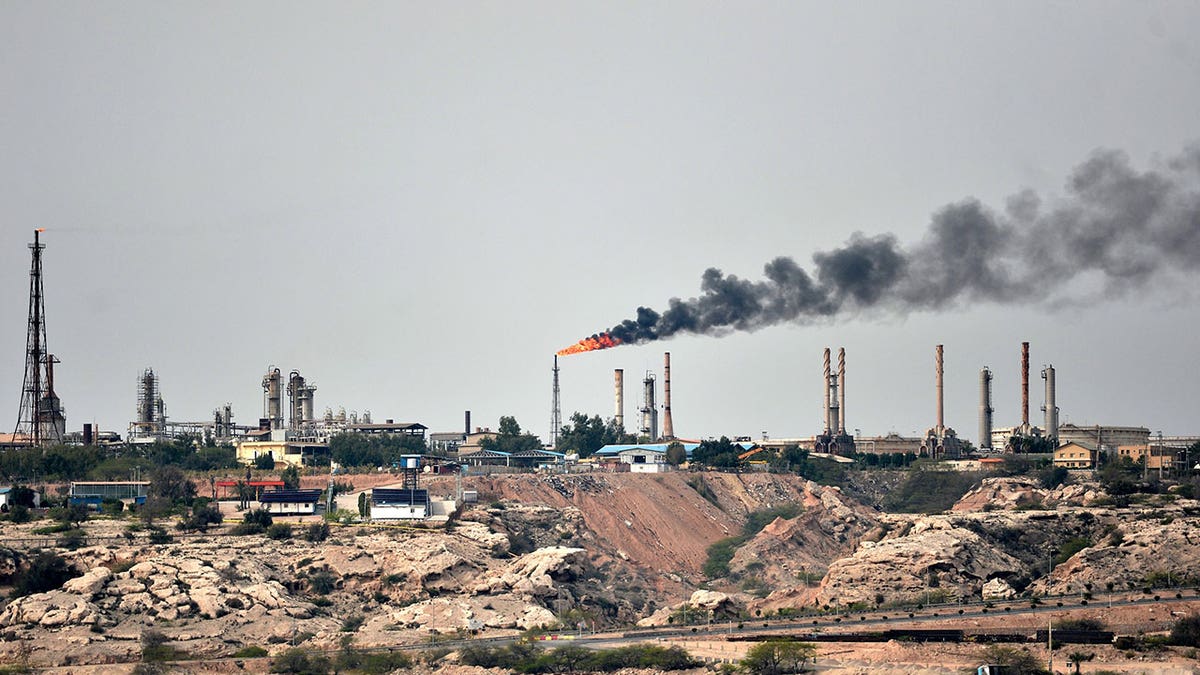
If fuel prices “force airlines to cut back on their schedules, passenger demand will chase fewer airline seats,” said one industry expert. (Fatemeh Bahrami/Anadolu Agency/Getty Images)
Neugarten said travelers looking for spring and summer trips should book flights earlier than usual and stay flexible.
“If you see a good fare for a trip you know you want to take, it usually makes sense to lock it in,” said Neugarten. “Most major airlines now allow free changes on many tickets, so if the price drops later, you can typically reprice and take the credit.”
CLICK HERE TO DOWNLOAD THE FOX NEWS APP
“According to our estimates, the Middle East exports a total of around 1.1 million barrels per day of aviation jet fuel, about 17% of what the world consumes,” Jaime Brito, executive director of refining and oil products at OPIS, previously told Fox News Digital.

“Most major airlines now allow free changes on many tickets, so if the price drops later, you can typically reprice and take the credit,” said an expert in the industry. (iStock)
Brito said some airports have proportionately higher jet fuel consumption, pointing to Singapore and Frankfurt, so concentration and distance from suppliers create an additional layer of market jitters that is reflected in current prices.
TEST YOURSELF WITH OUR LATEST LIFESTYLE QUIZ
Even if tensions calm down and shipping lanes stay open, fuel contracts, shipping schedules and limited inventory can keep the disruption — and higher prices — in the supply chain.
CLICK HERE FOR MORE LIFESTYLE STORIES
Fox News Digital’s Amanda Macias contributed reporting.